An Isle of Wight-wide review of primary school places will forge ahead amid declining pupil numbers, surplus capacity and financial pressures.
On Thursday, 15th October 2026, Liberal Democrat, Conservative, independent and Reform UK councillors agreed the process should consider issues including demand, educational quality, SEND, and community impact.
What will the review look at?
Overseen by a stakeholder group, the review will establish transparent criteria and a methodology for assessing options, including reductions in capacity and possible school closures.
Falling birth rate and surplus places
Ashley Whittaker, County Hall’s children’s services boss, told councillors there has been a significant fall in the Island’s birth rate.
He said that while there are fewer school places, they have not declined by as much as the reduction in the number of children requiring provision.
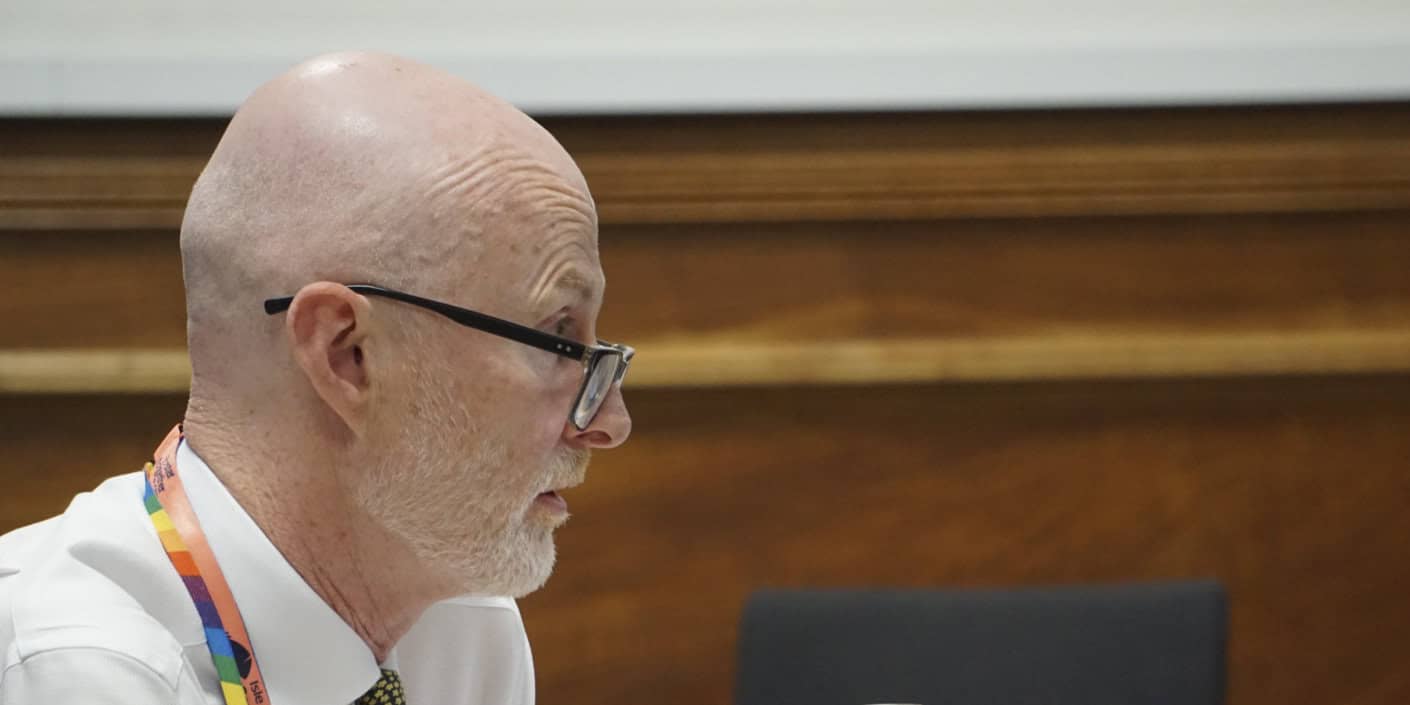
The report Mr Whittaker presented to the children’s services, education and skills committee said surplus capacity is contributing to financial strain across primary schools receiving direct funding and oversight from County Hall. He said,
“Having a financially viable school system is absolutely key, it’s a fundamental building block of approving the outcomes for all Island children.”
Concerns over community impact
Councillor Ed Blake, a Conservative member of the children’s services committee, looked back to the proposed closure of Wroxall Primary School in 2024 and 2025. He said,
“Wroxall only had the school and a corner shop.
“For 800-plus households, taking away the school would be a heck of a large part of their community – the old adage is that it takes a village to raise a child.”
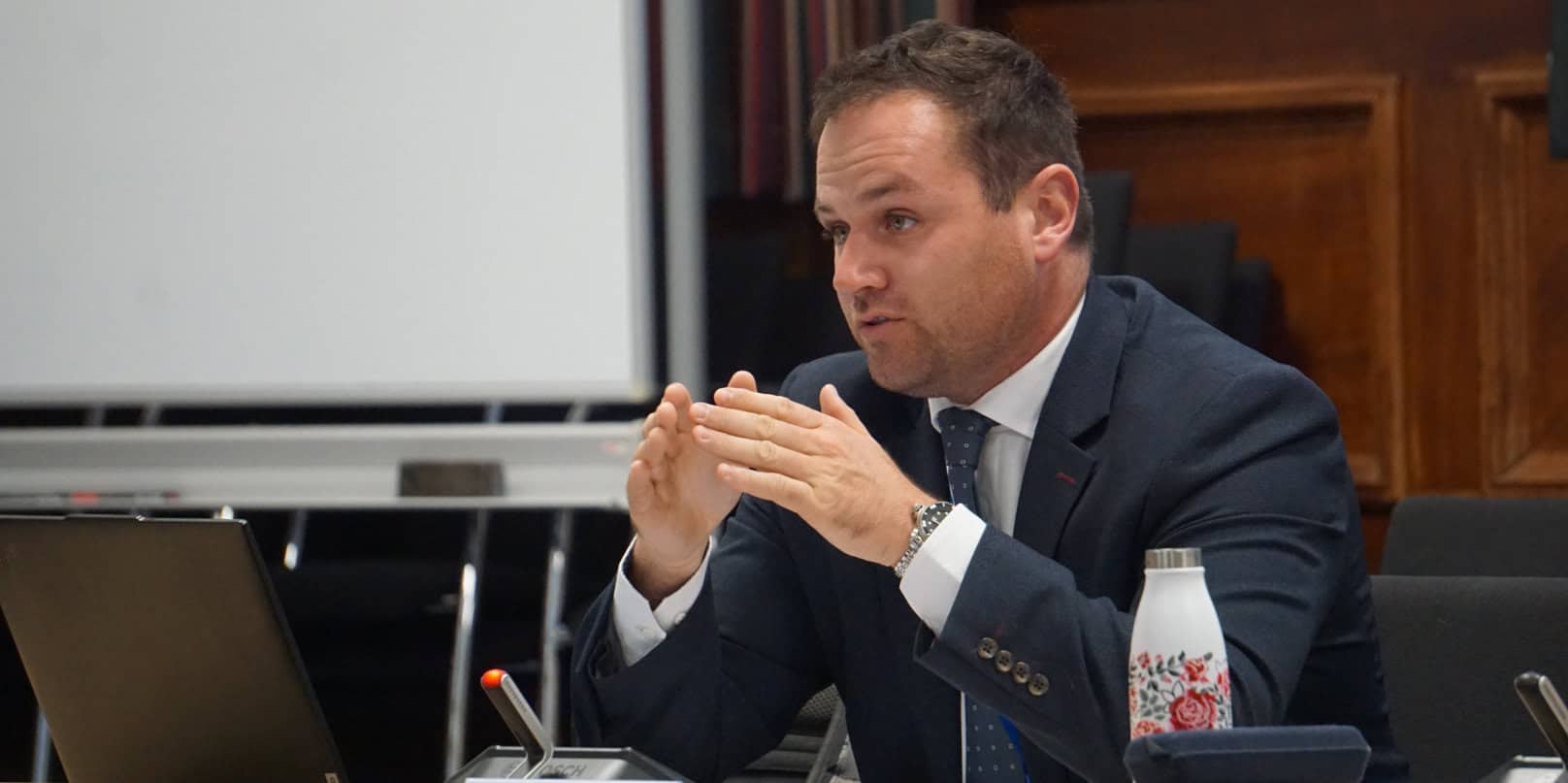
Councillor Becca Cameron, of the All for Islanders group, said confidence in decisions about the Island’s schools is “fragile”.
“I recognise the pressures – we cannot assume that reducing places will automatically improve education.
“Local schools matter to working families, especially in rural communities. Longer school journeys can be difficult to fit around employment.”
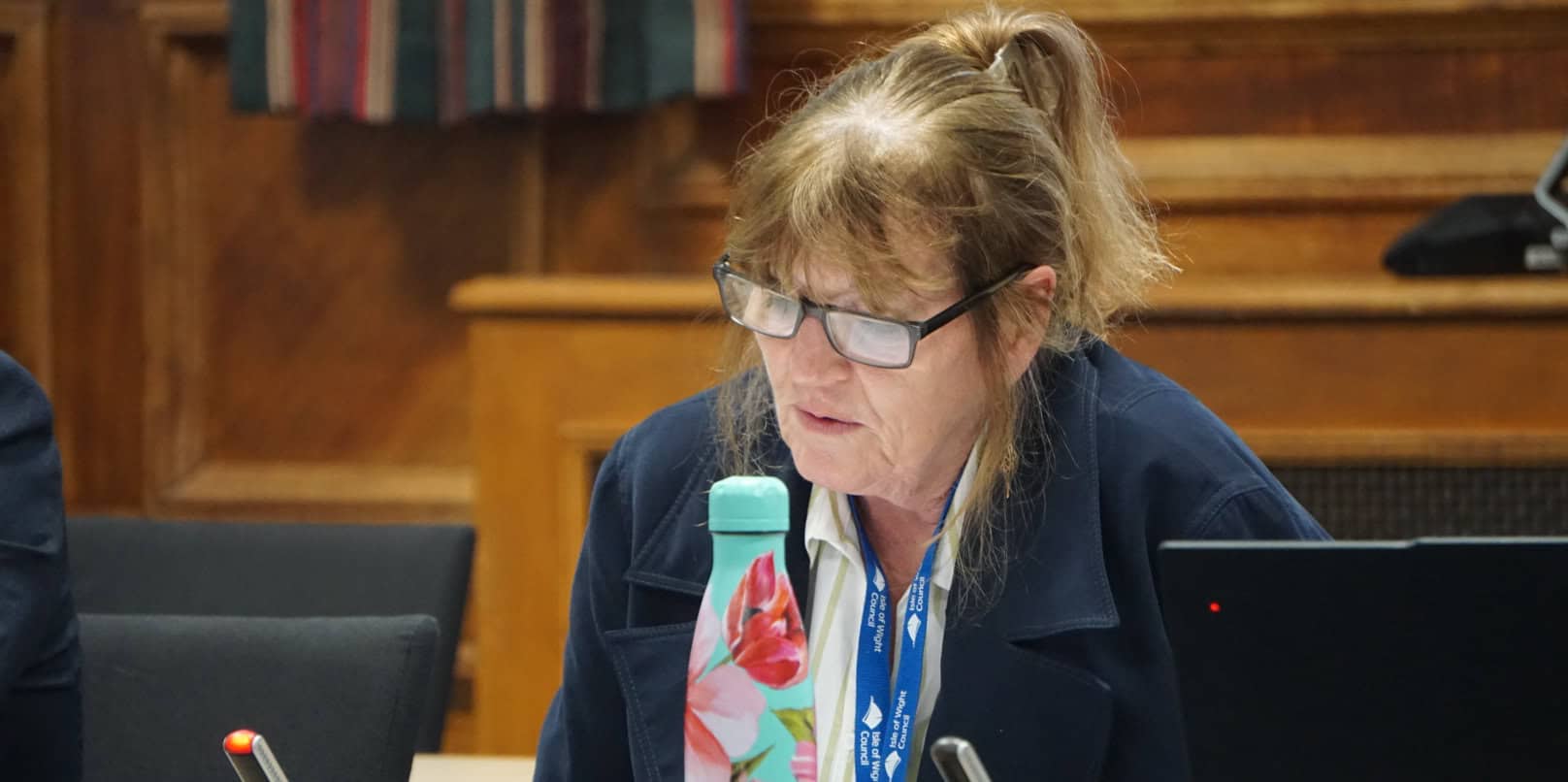
Island First Network representative Jules Hayward said improving school standards would be the “guiding star” to any relevant work and decision-making.
She added,
“Previous experiences have taught us some important lessons around the challenges that are faced by the communities impacted by this, both in terms of parents, students and education professionals.”
Stakeholder engagement and SEND demand
Councillor Andrew Garratt, Liberal Democrat vice-chair of the children’s services committee, said everyone who perceives themselves to be a stakeholder should have some channel by which they can be engaged in the process.
Reform UK councillor James Whelan pointed out that while demand was down for numbers coming into school, the opposite was true for SEND provision.
What happens next?
A further report will be brought to the committee in January before any proposals are developed for consultation.
This article is from the BBC’s LDRS (Local Democracy Reporter Service) scheme, which News OnTheWight is taking part in. Some alterations and additions may have been made by OnTheWight. Ed