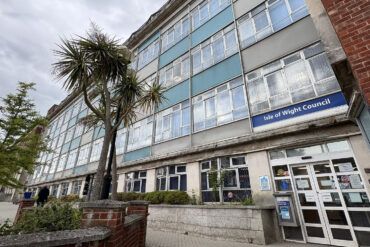
Over £711,100 from residential parking permits has been raised by the Isle of Wight Council between January 2024 and May this year, new figures show.
The data, obtained through a Freedom of Information request by car retailer cinch, shows County Hall issued 6,172 permits during the period, with some people facing annual charges of up to £318.
More permits issued each year
There was a 5.7 per cent increase in the number of parking permits issued annually between 2024 and 2025, rising from 2,455 to 2,596.
Revenue also rose by 4.6 per cent, with the council generating £283,564.80 from 2,455 permits in 2024, £296,543.60 from 2,596 permits in 2025 and £131,103 from 1,121 permits between January and May 2026.
What permits cost
The cost of a residential parking permit varies significantly depending on the type of parking required.
A standard first residential on-street parking permit costs £72 a year, while a second permit costs £100.
However, residents requiring a car park permit face substantially higher charges, paying £238.80 for a first permit and £318 for a second – more than three times the equivalent on-street permit costs.
Charges unchanged
Despite these differences, County Hall has confirmed that residential parking permit charges have remained unchanged throughout the reporting period.
Local authorities cannot set on-street parking charges primarily for the purpose of raising revenue.
The price of the council’s on-street residential permit has increased by £32 since they were introduced 23 years ago in 2003.
How residential schemes are introduced
Residential parking schemes are subject to a consultation process and are only implemented when there is a majority resident agreement.
This article is from the BBC’s LDRS (Local Democracy Reporting Service) scheme, which News OnTheWight is taking part in. Some alterations and additions may have been made by OnTheWight. Ed