
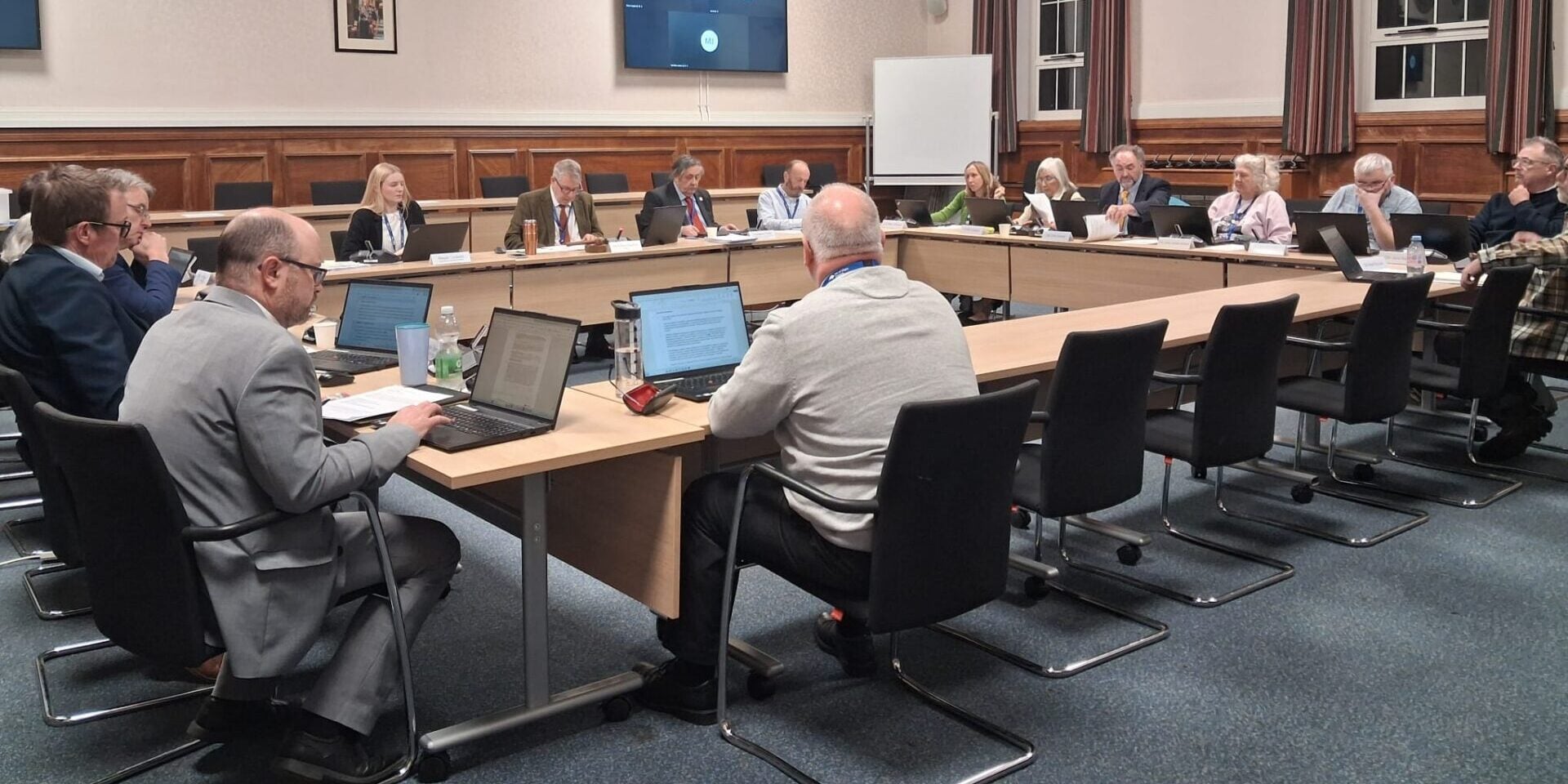
Proposed cuts to CCTV, street lighting and gritting services are among cost-saving measures still on the table after a vote by Isle of Wight councillors on Thursday 19th November 2026.
County Hall is looking at the options as part of a wider plan to address a budget deficit worth tens of millions of pounds and noted by the policy, finance and resources committee tonight.
CCTV and street lighting
Switching off the council’s CCTV system could save nearly £160,000 over two years, an officer report said, though officials have warned of the “significant reputational impact” such a move could have.
Street lighting may also be affected, with a proposal to turn off lights between 1am and 5am to save £114,000 over three years.
Officers have said that under the plan, just over 20 per cent of lights would remain on in key areas, including traffic calming zones and junctions.
Gritting routes
Gritting routes could also be reduced from six to four, leaving only a third of the Island’s road network treated during severe weather.
This change could save £240,000 over three years but carries the risk of increased accidents and road closures.
Parking charges and community events
Parking charges may go up by 25p, raising an estimated £1.3 million over three years. The council has acknowledged this could lead to ‘temporary reduced customer satisfaction’.
Traffic management support for community events such as carnivals, Remembrance Day parades, and Walk the Wight could be withdrawn, saving more than £400,000 over three years.
Event organisers would need to cover these costs themselves.
Deficit expected to grow
Officials have said “difficult choices still need to be made” and every opportunity should be taken to embrace opportunities for transformation and innovation.
They have pointed to the 2026/27 budget as the most challenging in at least a decade, with a £20 million structural deficit expected to rise to £40 million in 2027/28 and £66 million by 2028/29.
This article is from the BBC’s LDRS (Local Democracy Reporter Service) scheme, which News OnTheWight is taking part in. Some alterations and additions may have been made by OnTheWight. Ed