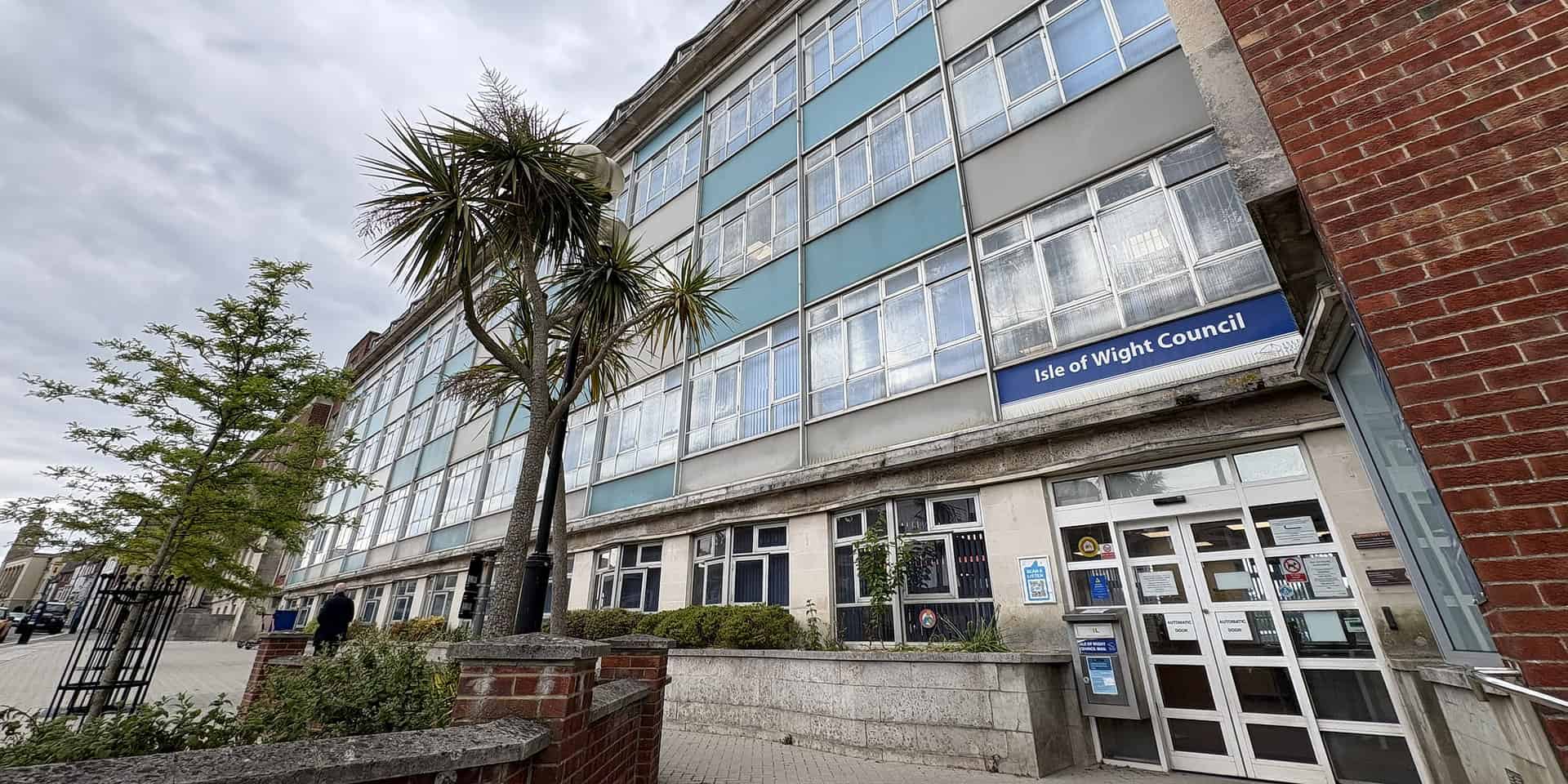
A vote on a scheme to boost tourism, which could cost the Isle of Wight Council around £340,000 extra over five years, has been held behind closed doors.
County councillors on the Economy, Regeneration, Transport and Infrastructure Committee (ERTIC) considered in private whether to support the Wight BID 3 proposal for Visit Isle of Wight (VIOW) on Tuesday (6th October 2026).
‘Serious concerns’ over governance
It comes after ‘serious concerns’ over governance were raised by a member of the public, whose identity was redacted and remains anonymous, in an email sent to ERTIC on Monday (5th October 2026).
A County Hall report previously said Wight BID 3 would provide a sustainable funding mechanism to support destination marketing, visitor economy growth and wider tourism development over the next five years.
Council officers recommended the local authority back the BID proposal by voting yes across all of its 40 eligible properties.
Why the item was taken in private
At Tuesday’s meeting, Councillor Julie Jones-Evans, Island First Network chair of ERTIC said,
“We have taken advice and this part of the meeting should be held in closed session. The reason for this is that D-BID vote is a private ballot and during the ballot each person voting should maintain the secrecy of the ballot.
“The council like any other voter and should be treated in the same way. Announcing the council’s decision prior to the close of the ballot on 29th October 2026 might have an unfair influence on how other businesses decide to vote.”
‘Real risk’ if the council votes no
Alex Minns, County Hall’s service director for culture, regeneration and economy, was allowed to give a short presentation, however.
He warned that if the local authority votes no or abstains in the ballot, there is a “real risk” that the BID won’t happen – with no immediate alternative to raise money for Isle of Wight tourism promotion.
Governance concerns
The partially redacted email shown to the Local Democracy Reporting Service (LDRS) ahead of the meeting, from an unknown source, said,
“I have considerable experience examining BID proposals and local authority involvement in BID ballots across England.
“Having reviewed the papers being presented to the committee on 6th October 2026, I am writing to raise serious governance concerns about whether the information presently before members is sufficiently accurate, complete and evidenced to support the recommendation that the council should cast all of its votes in favour of Wight BID 3.”
Business community criticism
Lyn Blackledge, founder of the Wightbuzz business networking organisation, said she is “incredibly disappointed” that the council announced at the beginning of Tuesday’s meeting that they would be moving the item discussing Wight Bid 3 to the end of the forum so they could “dismiss the public” before councillors made a decision. She continued,
“I am aware that they had received a letter from a member of the public raising several issues that needed addressing.
“To hide behind closed doors to avoid answering those questions is simply disgraceful.”
Ms Blackledge said the public want transparency and accountability and this did not happen.
She added,
“One does wonder who is leading this council and is the tail wagging the dog? I wrote to the leader of the council last night but I’m still awaiting a response.”
What is a BID?
A Business Improvement District (BID) is a defined area within which specific classes of businesses must jointly fund a programme of activities and is agreed by a ballot of levy payers.
Visitor destinations have used BIDs to support the tourism economy and, on the Island, Visit Isle of Wight (VIOW) was set up between the public and private sector to lead on growing this market.
Council officers have said the new BID proposal provides the opportunity to secure and sustain the activities of VIOW in promoting tourism and underpin existing levels of private sector investment currently supporting growth.
This article is from the BBC’s LDRS (Local Democracy Reporter Service) scheme, which News OnTheWight is taking part in. Some alterations and additions may have been made by OnTheWight. Ed