Natural England has warned that Southern Water’s Isle of Wight Water Recycling Project could have ‘significant effects’ on environmentally protected sites and it may need to object without more information.
What is Southern Water proposing?
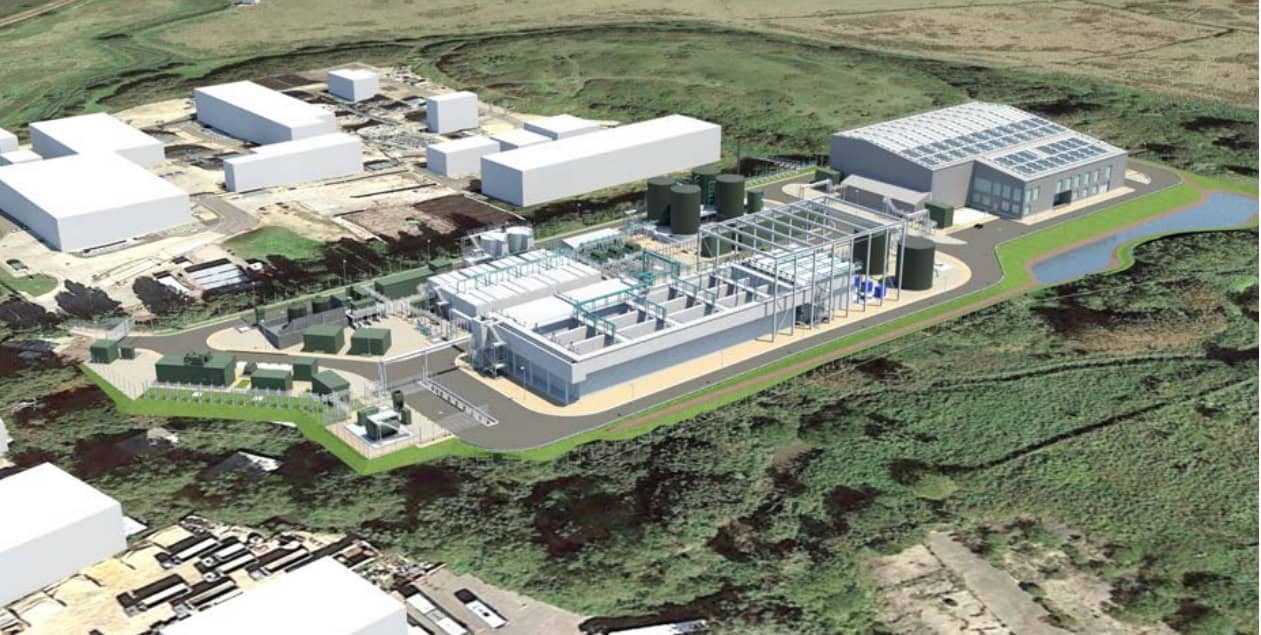
The utility company’s controversial plans include a Water Recycling Plant on land to the south of Sandown Wastewater Treatment Works, a pipeline from the facility to the Eastern Yar and an outfall.
Southern Water previously said the planned facility will create a reliable new source of drinking water for Isle of Wight customers and will reduce the Island’s reliance on supplies from the mainland, protecting Hampshire’s rare and sensitive chalk stream rivers.
What has Natural England said?
Natural England, a public body tasked with ensuring the natural environment is conserved, enhanced and managed, told the Isle of Wight Council,
“As submitted, the application could have potential significant effects on designated sites.
“Natural England requires further information in order to determine the significance of these impacts and the scope for mitigation.
“Without this information, Natural England may need to object to the proposal. Please re-consult Natural England once this information has been obtained.”
Protected sites near Sandown
The Alverstone Marshes Site of Special Scientific Interest (SSSI) and Brading Marshes to St Helens Ledges SSSI are both near Sandown.
SSSIs are the finest sites for wildlife and natural features in England, supporting many characteristic, rare and endangered species, according to Natural England.
What information is Natural England asking for?
Natural England’s requirements listed include a Habitats Regulation Assessment (HRA) produced by the council, a detailed Construction Environmental Management Plan (CEMP) setting out measures and procedures for working within a SSSI and a detailed restoration and planting plan for Alverstone Marsh SSSI.
Natural England also said further details of nutrient mitigation are needed.
An HRA refers to the several distinct stages of assessment which have to be carried out under the law to determine if a project may affect the protected features of a habitats site before decided whether to undertake, permit or authorise it.
A CEMP outlines how a developer will manage and mitigate environmental impacts during the construction phase of a development.
Southern Water’s response
Southern Water previously said its submitted CEMP sets out how people, wildlife and the environment will be protected during construction, and how any impacts will be avoided, reduced or carefully managed. The utility company said,
“Our environmental specialists looked at a number of options before selecting the proposed pipeline route.
“We’ve worked closely with landowners along the route, making changes to the route and construction methods to reduce disruption wherever we can.
“We’ve designed the project to avoid removing existing vegetation as much as possible.”
Consultation and decision timeline
County Hall’s public consultation on proposal 25/01619/FUL ran until 21st August and a decision is due by 26th October 2026.
This article is from the BBC’s LDRS (Local Democracy Reporter Service) scheme, which News OnTheWight is taking part in. Some alterations and additions may have been made by OnTheWight. Ed