The seaside resort of Deauville in Normandy, France, not only twins with Cowes, but has another connection to the Isle of Wight.
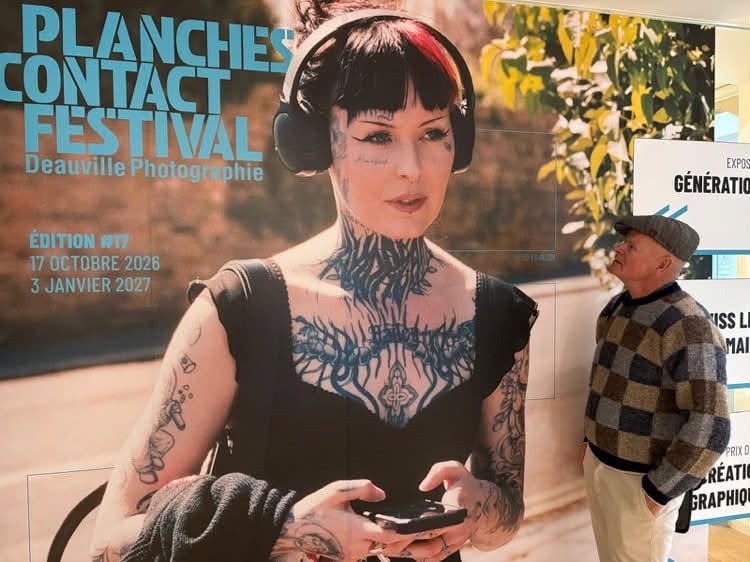
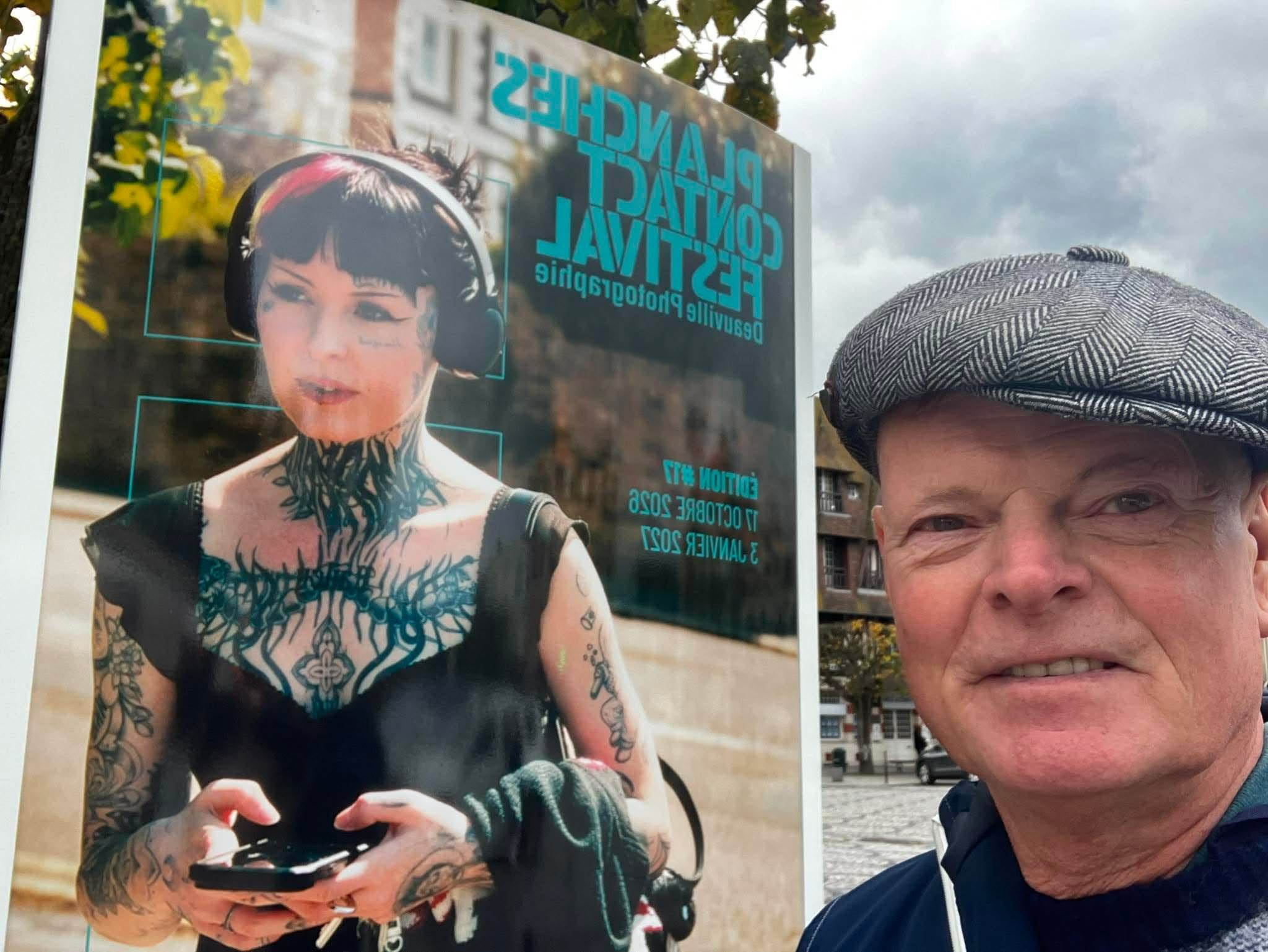
The town is currently hosting a prestigious photography exhibition, Planches Contact Festival, and the face of an Island resident called Lily, walking along Dover Street in Ryde, is one of the key photographs promoting the event.
The man behind the image, and others featuring Islanders, is award-winning Anglo-French photographer, Ed Alcock. His connection to the Isle of Wight came to light last year, as part of the StoneCrabs Theatre’s Out On An Island project (more detail below).
Karl Love, who has also been photographed by Ed, is currently in France visiting the exhibition. He shared the photos below of just how prominent the capture of Lily’s face is around the town.
Out On An Island
StoneCrabs Theatre’s’ Out On An Island project has explored the Isle of Wight’s LGBTQ+ history since 2018. It is a history that some people did not believe existed, however more fascinating stories have continued to unfold and connections have been made to other parts of the UK and further afield, including that of Ed Alcock, his grandmother Mary, and her connection to Florence and Mademoiselle.
In April 2026, Out On An Island Project Manager, Caroline Diamond was contacted by Paris-based award-winning photographer, Ed Alcock who had unearthed a fascinating Isle of Wight LGBTQ+ connection in his family history and wanted to do further research.
Mary’s story
A connection between Ed’s family and the Isle of Wight had always been known and a story had been passed down through three generations. Mary, Ed’s paternal grandmother was born into a working-class family in Grimsby in 1923 but, for reasons never explained, Mary was adopted by a wealthy, elderly gentleman, George, who lived on the Island. Mary had grown up in a social world far removed from her origins and received a good education. The family story held that when her guardian died in 1939, she was returned to her birth family, an experience that came as a tremendous shock.
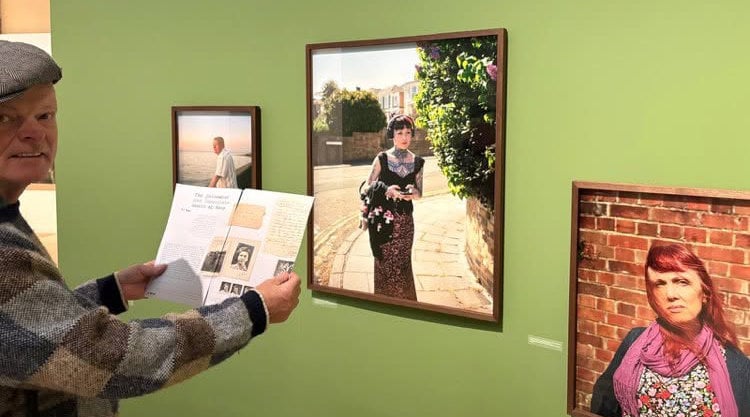
Ed had wanted to explore Mary’s story for some years, and when the photography project, Planches Contact Festival in Deauville invited him to propose a project, the twinning of Deauville with Cowes offered the perfect opportunity.
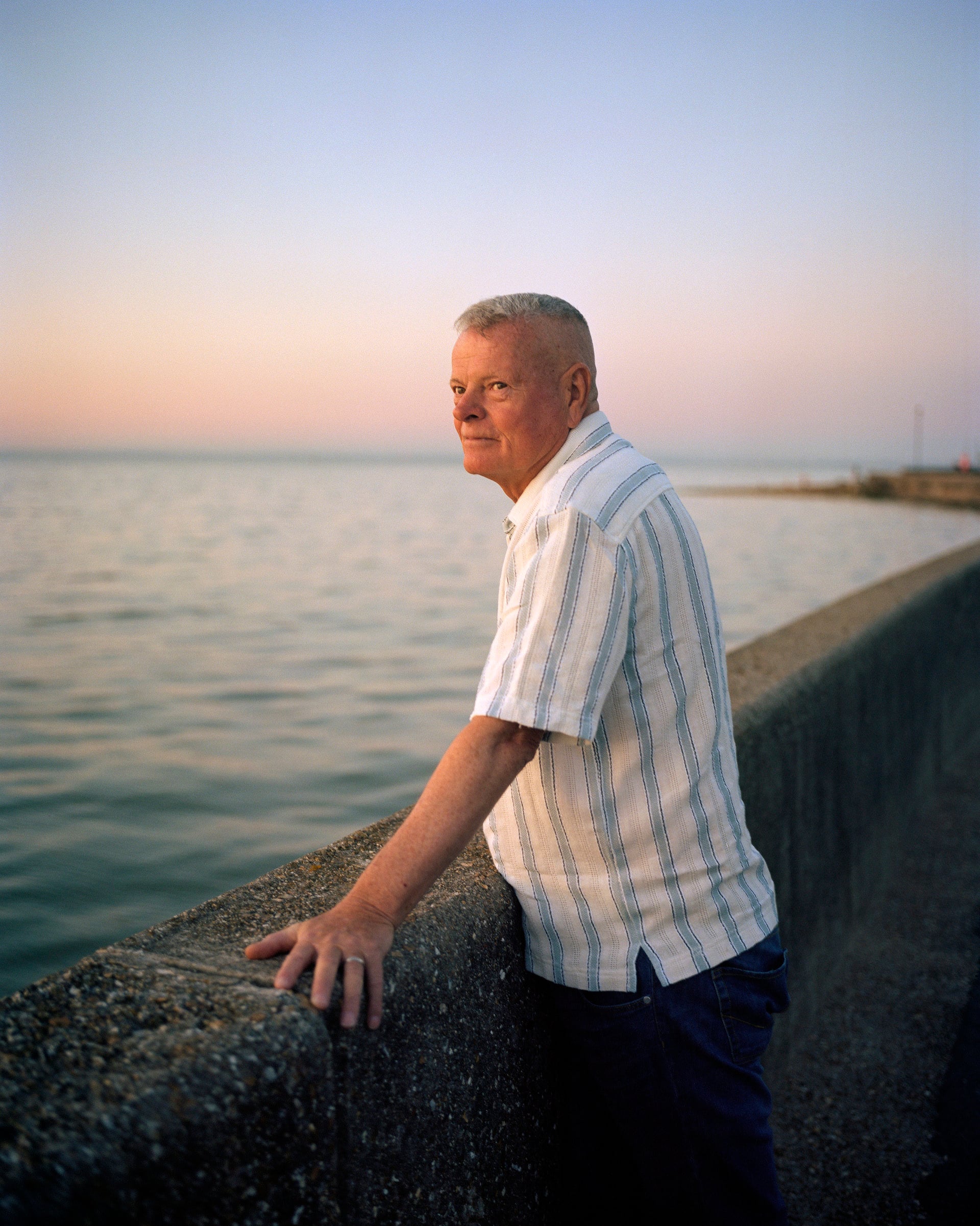
Ed spent time with Out On An Island volunteers on the Isle of Wight, researching Mary’s story helped by many people: members of the LGBTQ+ community including Karl Love, amateur family historians, local clergy and heritage groups. Many also shared their own stories of life on the Island, adding contemporary voices and experiences to the histories Ed had uncovered in the archive. Ed contributed an article and photographs to Union, a zine created by StoneCrabs volunteers, funded by Historic England.
A box of hidden documents
Before travelling to the Island, Ed visited his parents, who were in the process of emptying his grandmother’s house. He discovered a strongbox disguised as a French-English dictionary, containing documents from Mary’s life: photographs, letters, civil records and school reports.
As Ed read them, a different story emerged. Mary had indeed been adopted by the elderly gentleman, but he had died much earlier than his family story suggested, and Mary had remained on the Island.
Florence and Mademoiselle
There were photographs spanning Mary’s childhood, in which she was always accompanied by two women who appeared to be very much in love. One was Florence, Mary’s aunt, a military nurse who had survived the battlefields of Ypres. The other, whose identity emerged through the letters, was Florence’s partner, a French woman referred to only as ‘Mademoiselle’.
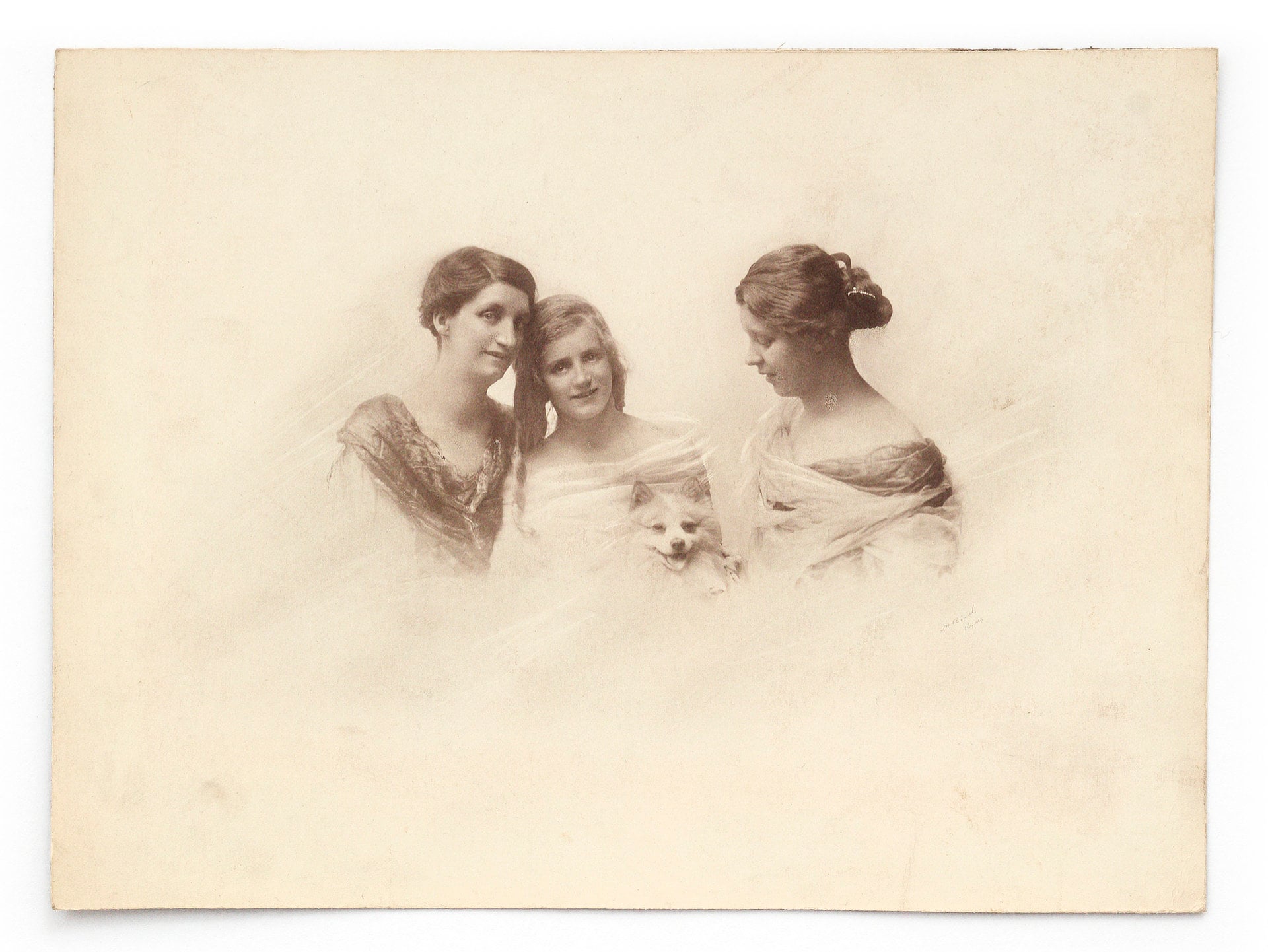
The documents revealed that Mary had been looked after by the women and was returned to her birth family when Florence died in 1939. Mademoiselle, who had no legal right to keep the child she had helped raise, was left to lose both her partner and the child she loved.
The Planches Contact Festival brings together the archival material and Ed’s contemporary photographs, and a fragmented narrative that weaves Mary’s story with those of the people Ed encountered on the Island and along the Normandy coast.
The girl on Dover Street
The girl in the image used to promote the festival is Lily. Ed photographed her on Dover Street in Ryde, a street Mary would have walked along on her way from home to her convent school, The Sorrowful and Immaculate Heart of Mary, a century earlier.
Ed met Lily by chance; she said that she had moved around a great deal as a child, but was now happy to have settled on the Island.
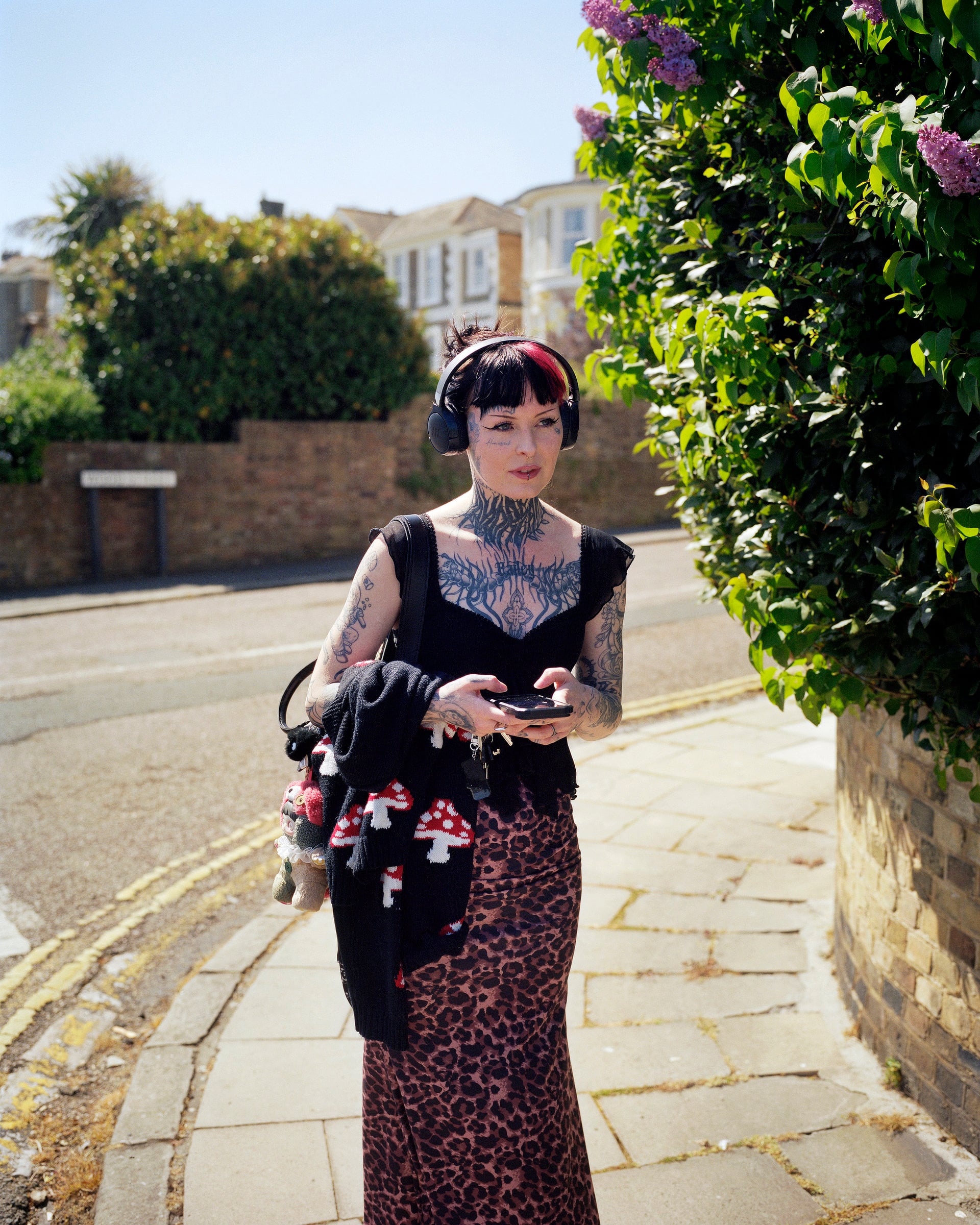
Ed decided that this encounter was a fitting place to begin retelling Mary’s story, and those of other women on both sides of the English Channel.
The image of Lily, alone on the street, close to a school whose name seems to echo the sorrow at the heart of this history, offered an unexpected point of connection between past and present.
See the exhibition
Ed’s work over the past fifteen years has explored inherited family myths. It is currently the subject of an exhibition at the Jeu de Paume in Paris. You can view The Sorrowful and Immaculate Heart of Mary at the Planches Contact Festival in Deauville until 3rd January 2027.
Our thanks to Caroline from Stonecrabs for providing the insight above. Ed