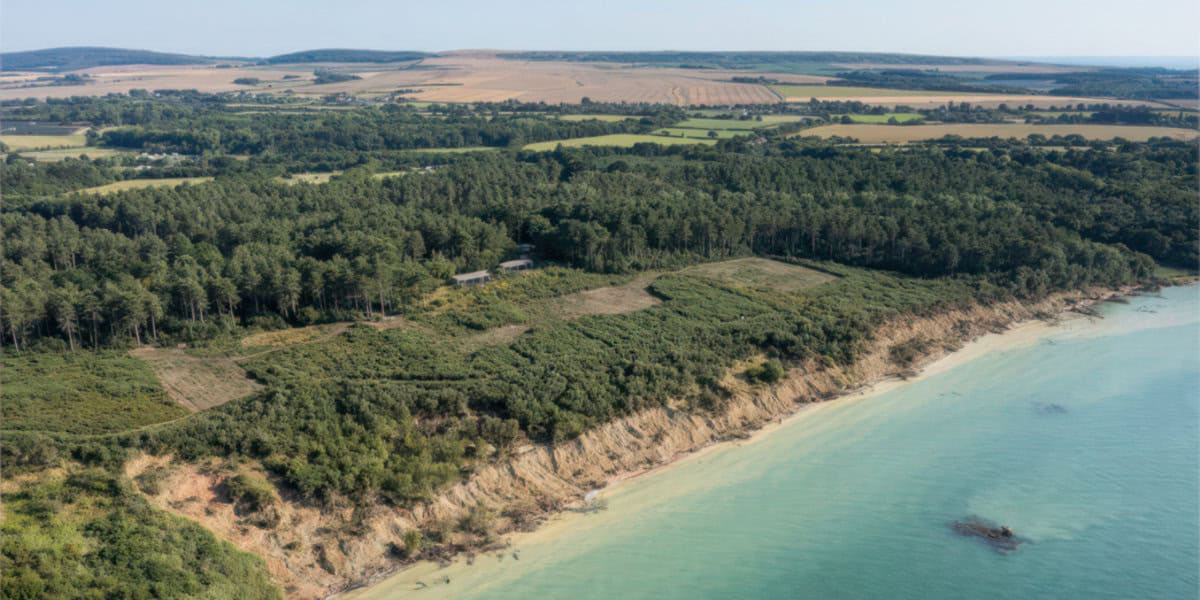
A newly formed campaign group says residents are living in fear of wildfire spreading from Bouldnor Forest to nearby homes.
Read Forestry England’s response below.
The Bouldnor Forest Group has formed over concerns that the cabins will disturb protected birds, red squirrels and other rare species it says live in the woodland.
Presentation to Parish Council
Forestry England presented plans to install three cabins at Bouldnor Forest for commercial rent to Shalfleet Parish Council on 8th July, according to the meeting’s minutes. Ben Childs, Camping Development Lead, Forestry England, gave the presentation.
The scheme is being advanced by a company called Unyoked (more about them below) under a Paragraph 5 exemption of the Caravan Sites and Control of Development Act 1960, which allows up to five cabins to be installed without formal planning permission, Forestry England told the meeting.
Unyoked submitted a Paragraph 5 notification to Isle of Wight Council on 22nd April 2025, and the Isle of Wight Council confirmed in July 2025 that it could not object to the scheme proceeding under the exemption.
Forestry England told the meeting the cabin locations would not encroach onto the heathland.
Nightjars and a gas cylinder
Ms Powell said she had been watching nightjars in the exact spot earmarked for a cabin. She said,
“Last week I was watching nightjars in the exact spot where Forestry England plans to install a cabin with a gas cylinder, a dangerous fire accelerant.”
She questioned whether a fire risk assessment had accounted for climate change and the likelihood of unlicensed barbecues, campfires, cigarettes, vapes and discarded glass. She said,
“Surely there should be a proper fire risk assessment, recognising climate change and the likelihood of unlicensed barbecues and campfires, not to mention the risk of cigarettes, vapes and carelessly discarded glass and litter.”
Ms Powell said she could not accept that Forestry England would licence unsupervised campsites that encourage this behaviour. She said,
“I can’t believe that Forestry England will licence unsupervised campsites in the forest which will encourage this sort of behaviour.”
Fears of wildfires
The announcement was made days before wildfires broke out across the country, including at Headon Warren on the Isle of Wight and in the New Forest.
Samantha Powell, a spokeswoman for the group, said,
“The woodland is tinder-dry and the prospect of a cigarette butt starting a fire which would destroy the woodland for a generation is devastating.”
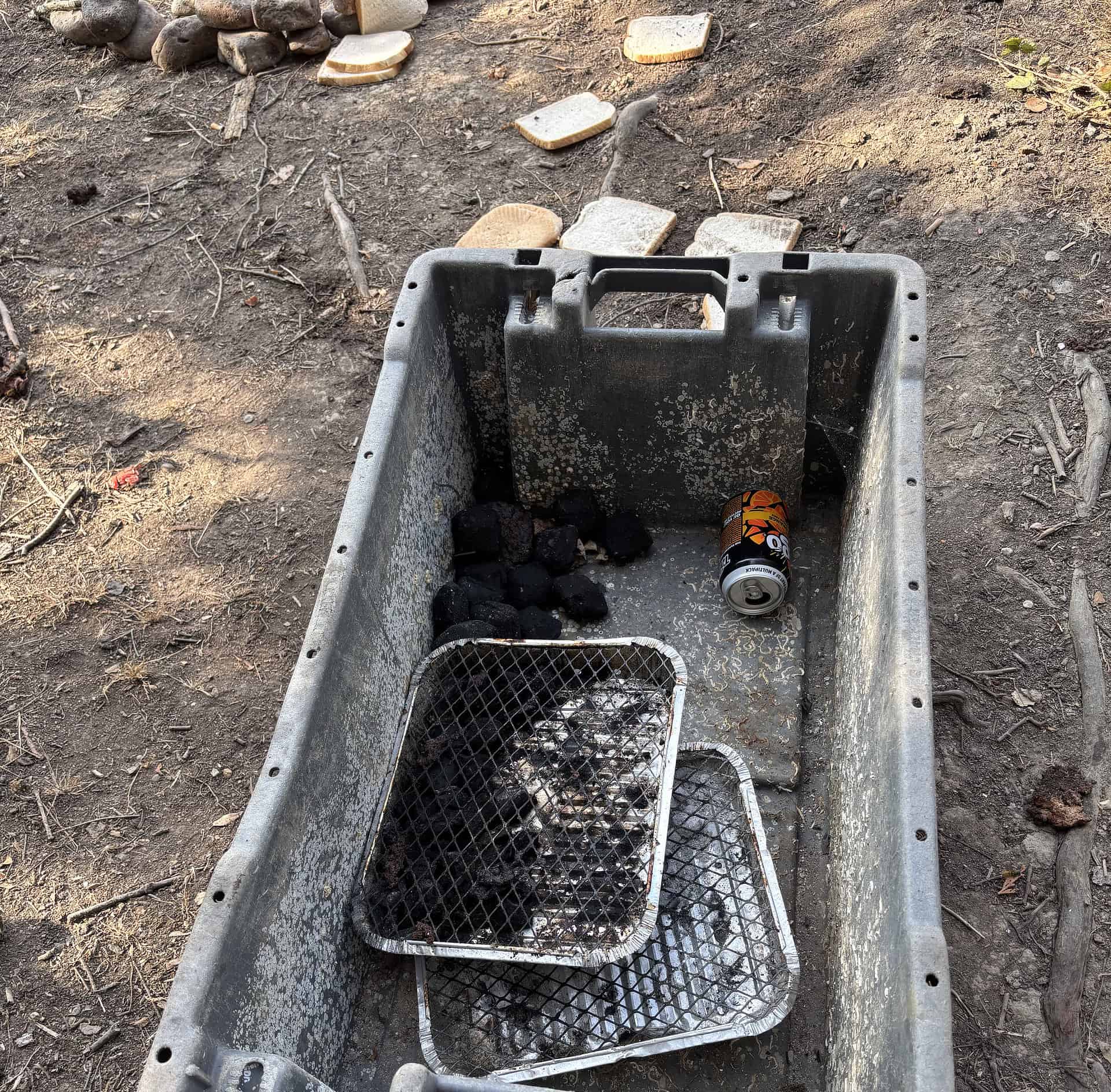
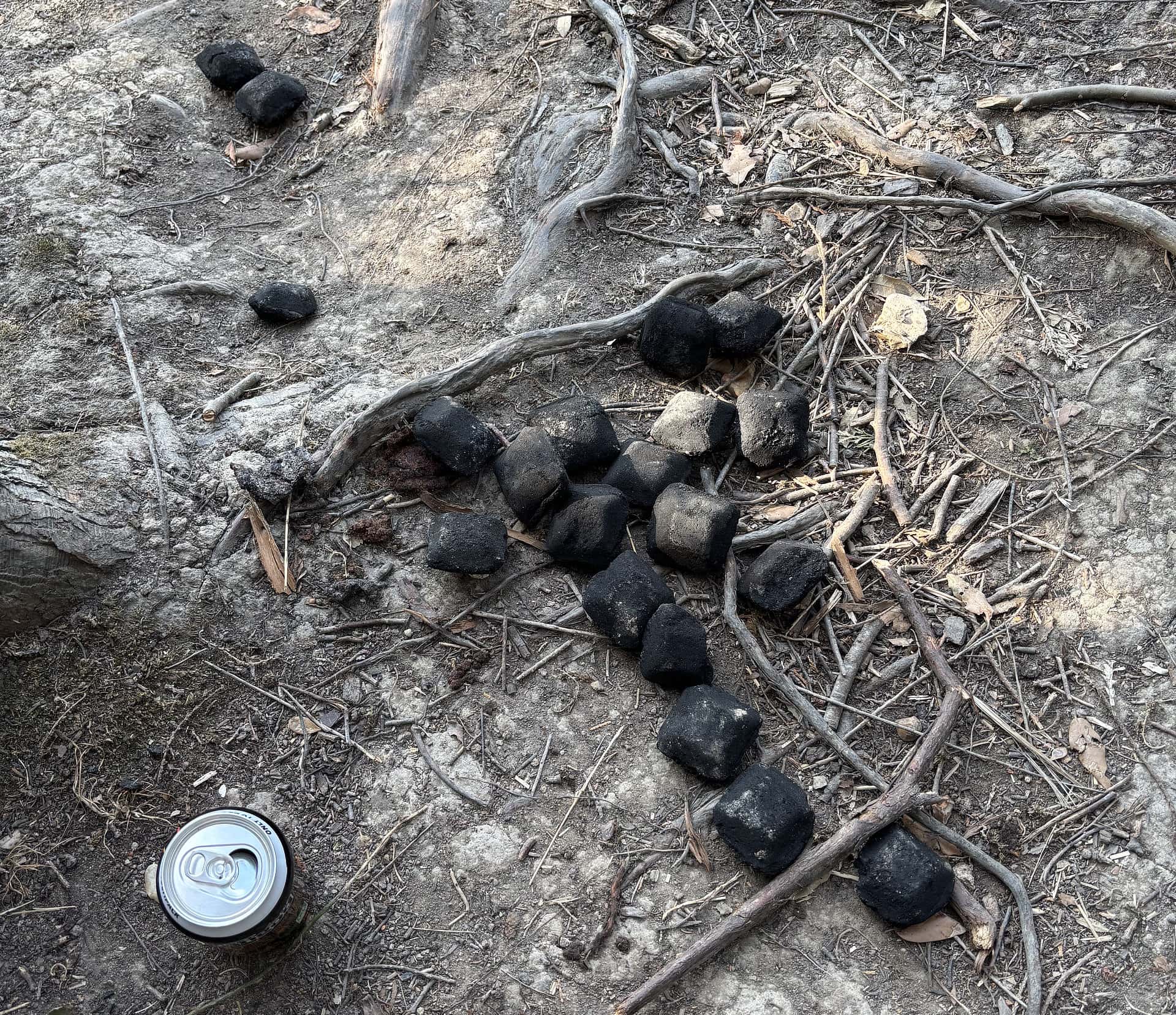
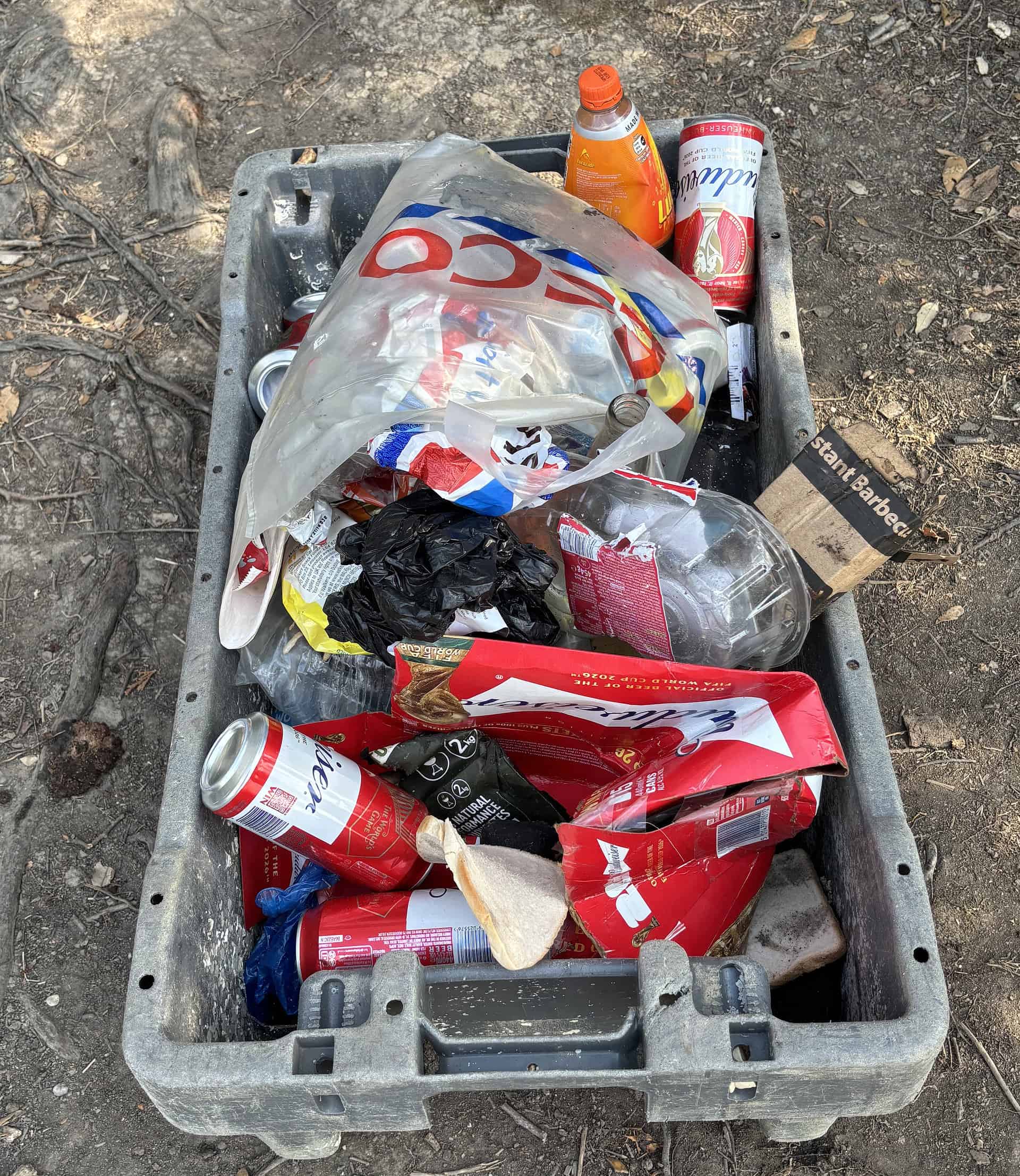
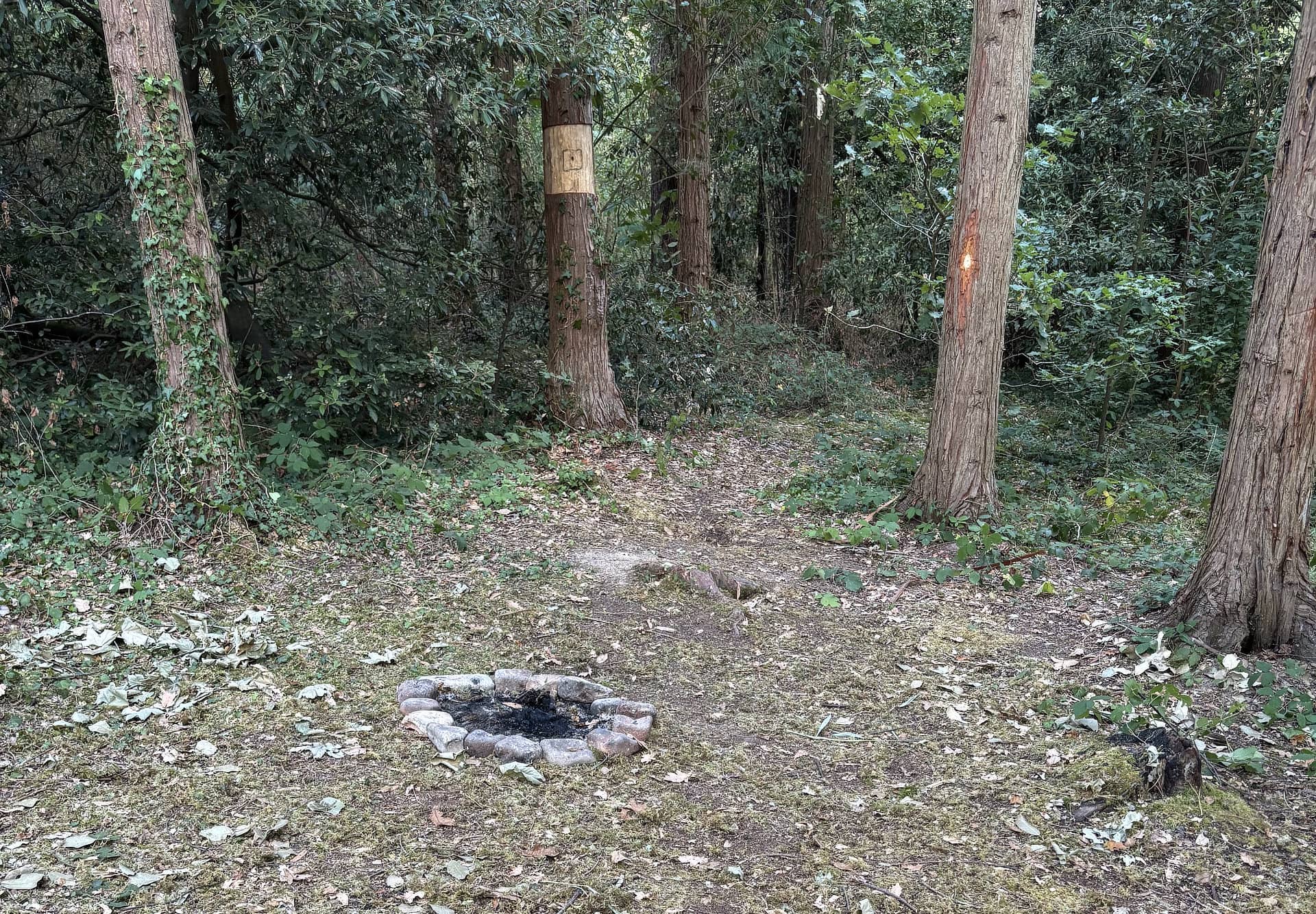
The photos below were taken in Bouldnor Forest one weekend following the Government’s warning about wildfires.
Group raises wildlife and access concerns
The group is calling for a full survey of protected species in the woodland, including red squirrels, nightjars and great crested newts.
It has also raised concerns about the disposal of sewage and grey water near wildlife ponds, damage caused by installing cabins and utilities, and vehicle access to the forest from a busy main road.
Ms Powell said nightfall usually leaves the forest undisturbed, but that the cabins would change that.
“At nightfall people normally leave the forest and the birds and animals are left undisturbed overnight. But it’s unavoidable that people will be moving around outside their cabins in the evening.
“At best, they will be talking, using torches and eating and drinking; at worst, they will be playing loud music and partying. There will be nowhere left for the wildlife.”
Until 20th July 2026, the Hampshire and Isle of Wight Wildlife Trust leased and managed the area of Bouldnor Forest involved.
Forestry England points to ecological safeguards
In a presentation to Shalfleet Parish Council on 8th July 2026, Forestry England said its ecologist has identified constraints on the site and defined working windows to avoid affecting great crested newts. A qualified ecologist will provide watching briefs throughout the works, the authority said.
Forestry England said it has identified and marked red squirrel locations to protect them during construction.
The cabin layout and screening have been designed to minimise light spill and protect the area’s dark skies, according to Forestry England. Cabins have been sited away from the heathland and known nightjar habitat to avoid disturbance, the authority said.
Forestry England said it will complete a Habitats Regulations Assessment before any further works take place.
Parish meeting hears unanimous opposition
Attendance at the meeting far exceeded the parish council’s usual turnout, according to the minutes, with extra seating needed.
Questions from the audience covered fire risk and emergency access, the site’s proximity to its SSSI status, protected species including nightjar, Dartford warbler, great crested newts, bats and reptiles, and the legal basis for the Paragraph 5 exemption.
At the request of a member of the public, Sarah Tyrell, the meeting’s chair called a show of hands on the proposal. Every person present opposed the scheme, with no votes in favour, the minutes record.
The Parish Council chair thanked Forestry England for a “useful, courteous, patient and professional” presentation.
Only one Unyoked site has opened so far
Forestry England has partnered with a company called Unyoked to offer what it describes as a fully immersive, secluded, off-grid experience.
The campaign group says no explanation has been given for how the cabins will reach remote locations away from existing forestry infrastructure, or how emergency services would access them.
Only one Unyoked site has launched so far, at Dalby Forest in Yorkshire, and the campaign group says it met with little resistance.
“Bouldnor will not be an easy target”
Ms Powell said,
“These are public forests owned by the nation, the birds and animals have no voice to defend themselves and Forestry England should be guardians of our natural heritage.”
The campaign group is appealing to Forestry England to abandon the plans and resume negotiations over the forest’s long-term protection.
No BBQs, campfires and outdoor cooking equipment permitted
A spokesperson for Forestry England told OnTheWight,
“In 2011 Forestry England leased land at Bouldnor to the Hampshire and Isle of Wight Wildlife Trust. Their activities at this location included a commercial forest school operation. In 2020 the Trust relinquished part of the lease and the remainder expired earlier this year. It was mutually agreed not to renew the lease and as a result Forestry England is developing future plans for the site.
“Forestry England has considerable experience of managing highly designated and protected landscapes and will draw on this expertise to continue to care for this location and its ecology. We plan to continue the principle of having a commercial activity at the site and plan to locate three, trailer mounted caravans offering holiday accommodation. The ethos of the project is to create extremely low-impact temporary accommodation that supports conservation and is part of our ambition to help more people connect with and experience the benefits of spending time in nature.
“The trailer-mounted caravans would be located within the woodland and will not be placed on the protected Special Site of Scientific Interest areas or on the heathland. They would include a range of ecologically sensitive features and not require any additional works for facilities such as parking as this is already in place.
“Forestry England owns and works with camping and outdoor accommodation providers across the nation and fire safety is a key consideration. Our proposal at this location would not allow BBQs, campfires and outdoor cooking equipment, and the accommodation would have all relevant safety features in place.
“Discussions have taken place with the relevant planning bodies to ensure the scheme meet all necessary requirements. Ecology considerations and regulations are also being followed with the relevant bodies. We will continue to work with all interested parties as our plans develop.”