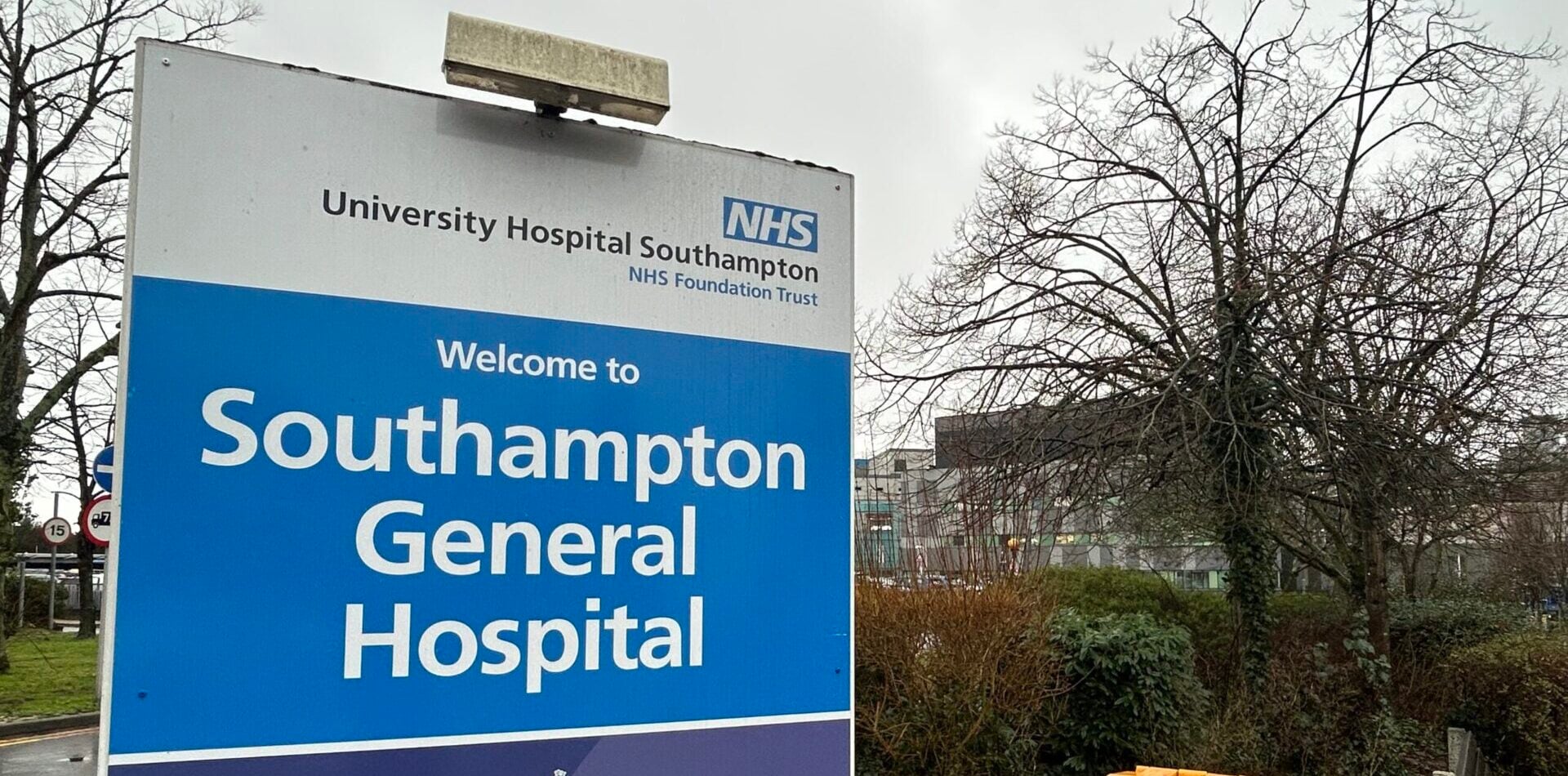
The number of patients enduring some of the longest waits for treatment at University Hospital Southampton has more than quadrupled in six months.
At the end of March, 53 patients had been waiting at least 65 weeks for treatment, but by September that had risen to 230.
Six patients had been waiting 78 weeks or more, compared with none in March.
Waiting list rises despite earlier fall
The deterioration comes despite the trust reporting in May that its overall waiting list had fallen below 60,000 for the first time since before Covid.
By the end of September, the elective waiting list had risen to 64,802, with 64 per cent of patients waiting less than 18 weeks, below the trust’s 65.6 per cent target.
Some 2.6 per cent had been waiting at least a year, against a target of no more than one per cent.
Trust chief points to referrals and fire
New trust chief executive Dr Trevor Smith said tackling waiting times was a priority but said some of the pressures came from rising referrals and the continuing effects of February’s fire at Southampton General Hospital.
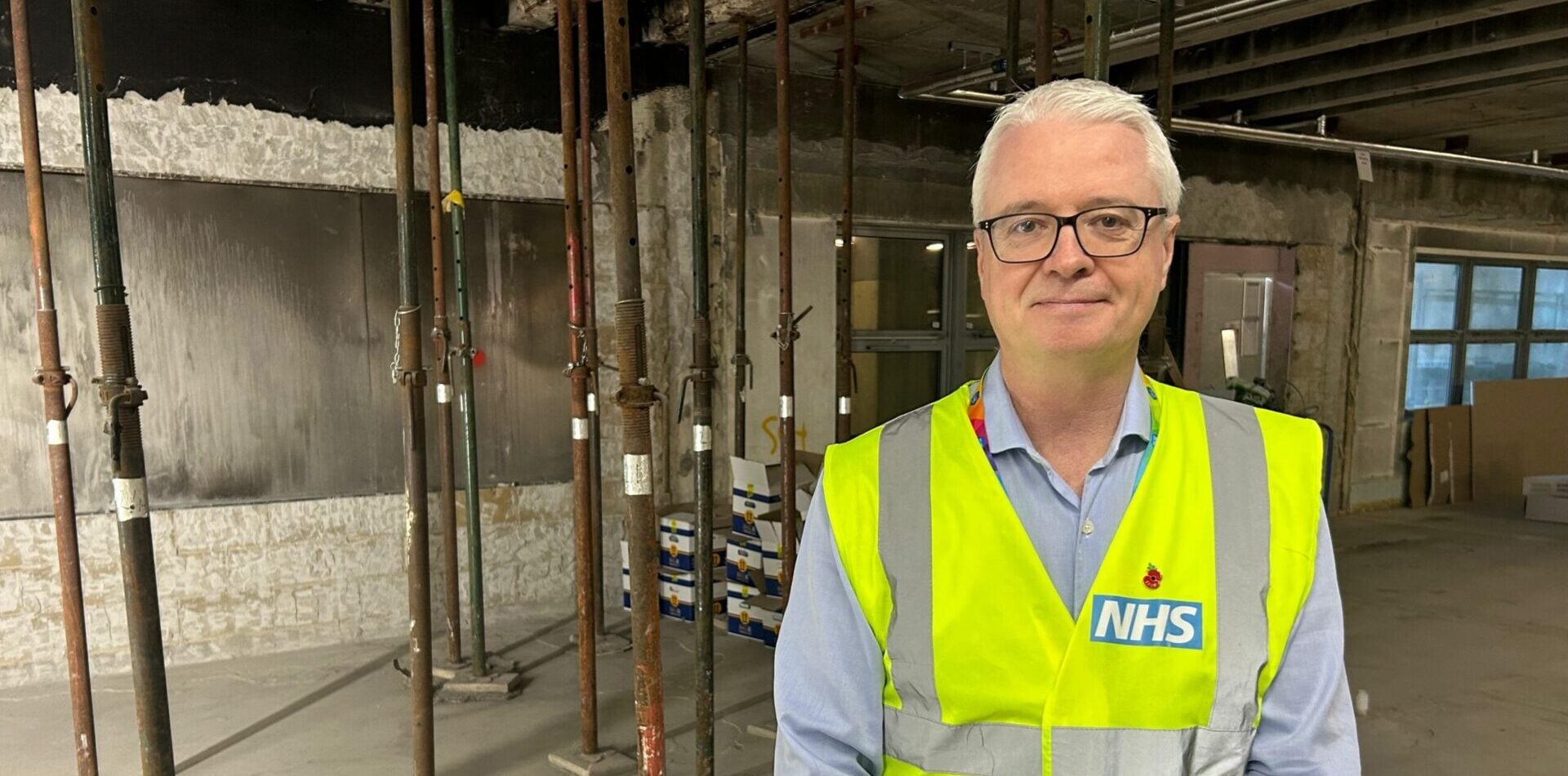
Dr Smith said,
“We are very sharply focused on our waiting list management.
“Part of that reflects that we’re getting more and more referrals all the time.
“Part of it reflects that running the hospital has become more complex because of the effects of the fire.
“Although the endoscopy unit was the source of the fire, it’s had such a knock-on effect across the whole estate, so that’s made it more challenging.”
Dr Smith acknowledged there were also changes the trust could make to improve how patients move through the hospital.
He said some patients currently come to hospital three times for separate appointments and questioned whether these could instead be joined up into a “one-stop type approach”.
The trust is also looking at whether some routine follow-up appointments can safely be reduced to free up capacity for new patients.
Joining up appointments and advice for patients
Dr Smith said making patients’ routes to care as short as possible was “a real priority for me coming into this post”.
He urged people to keep in touch with their clinical teams if they became concerned about their condition.
Dr Smith said patients could also seek support through the Patient Advice and Liaison Service (PALS) and encouraged them to remain physically active and follow guidance from their clinical teams to stay as well as possible while awaiting treatment.
This article is from the BBC’s LDRS (Local Democracy Reporter Service) scheme, which News OnTheWight is taking part in. Some alterations and additions may have been made by OnTheWight. Ed