In 1982 Isle of Wight MP, Steve Ross, told Parliament that Ronson’s Newport factory’s productivity was the highest anywhere in the Ronson company: 3.5 lighters for every 1.5 made elsewhere (Hansard).
More than 40 years on, the women who worked the lines have their own explanation.
Five former workers tell the story of the Isle of Wight’s Ronson lighter factory in a free online archive, Flame Keepers. Their full interviews and more than 200 photographs record working lives from 1961 until the factory closed in 1984.
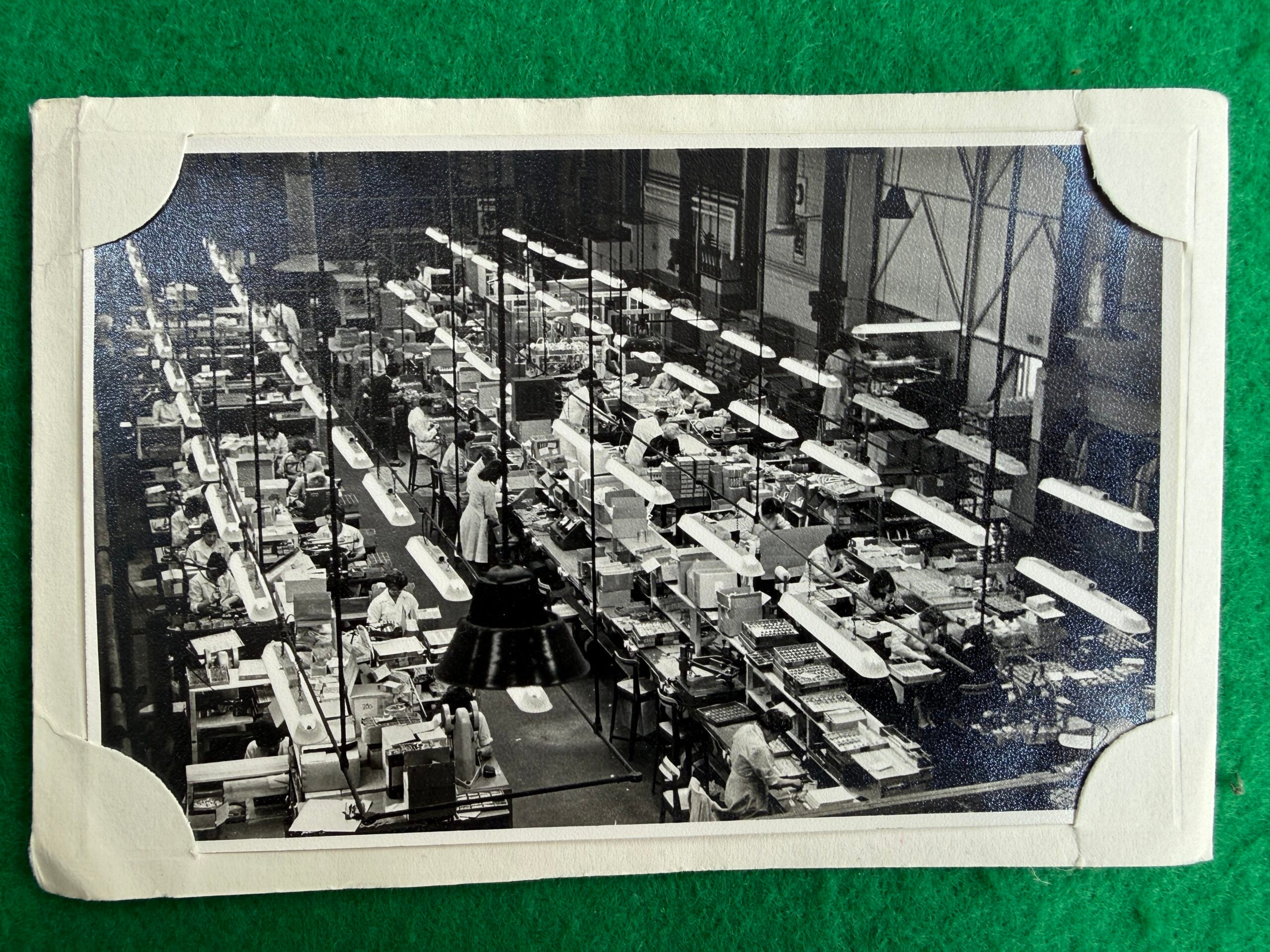
“Everybody was on the same page there, you were no worse or better than anybody else.”
Sue Tout
“It’s teamwork. You work in teams. You don’t work in silos.”
Julie Cocker
Julie Cocker was about 18 when she started training new starters at the factory. Nearly 50 years on, she still speaks twice a week to one of the women she trained. The women describe close friendships, a happy atmosphere and colleagues helping each other to keep up with piece work.
Left school on Friday, on the line on Monday
Many of the women left school at 16 and started on the production line the following Monday. The lines were run by women; men worked as engineers and fitters, in the stores and machine shops, and as the time-and-motion men who timed every job.
“There were no men on the line.”
Julie Cocker
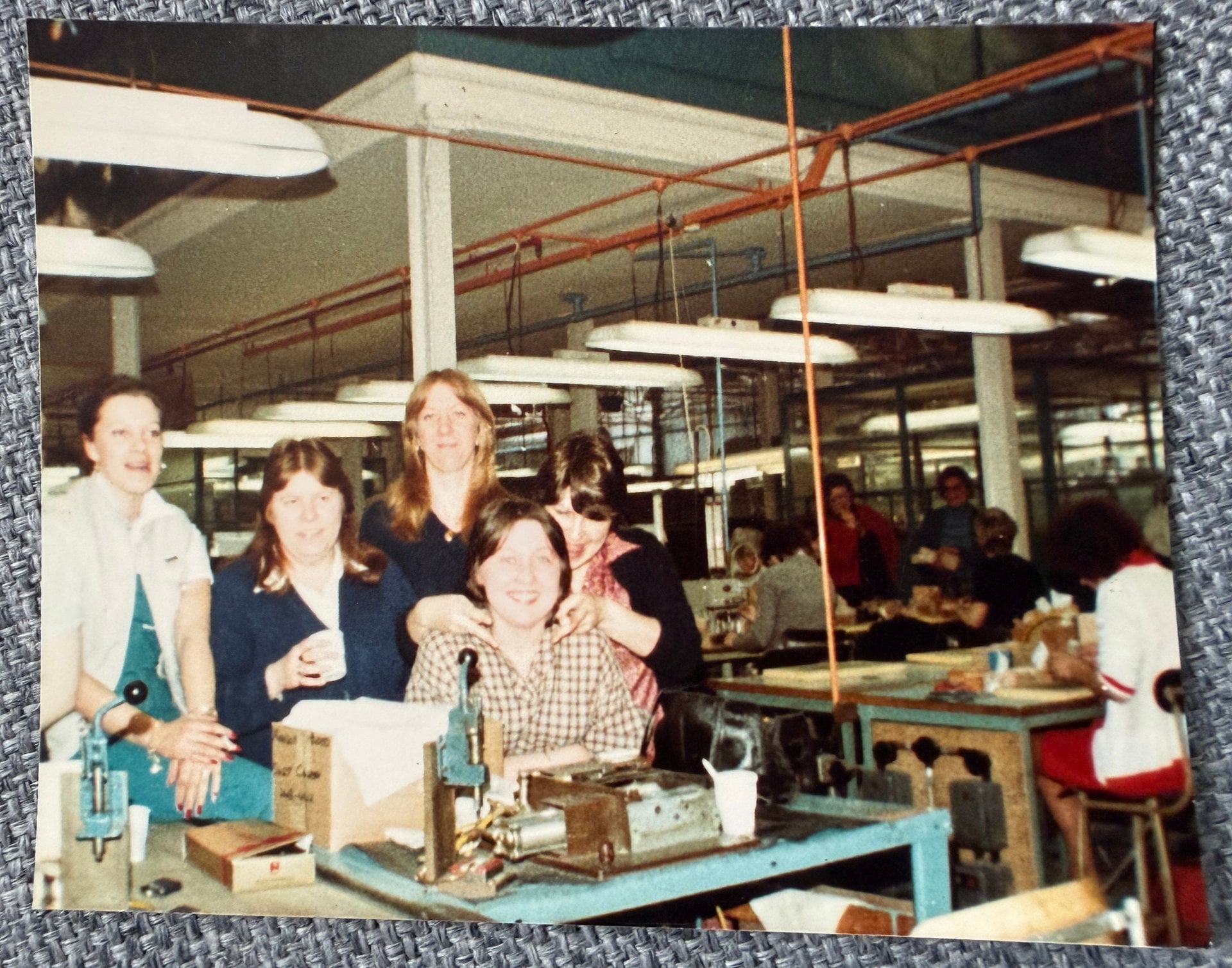
For girls straight from school, the weekly brown pay packet meant independence.
“I didn’t have to worry about asking for money. Could do my own thing.”
Pat Kennedy
“I really wanted to drive, and I wanted my own car, because I wanted my own independence.”
Sue Tout
Julie saved £10 from her first week’s pay towards a house, at 16. Her mother was a shop steward and later a chargehand at the factory, and Julie’s sisters worked there too.
The women are clear-eyed about the limits as well. Piece work was hard, every job was timed, and few girls were given the chance to stay on at school.
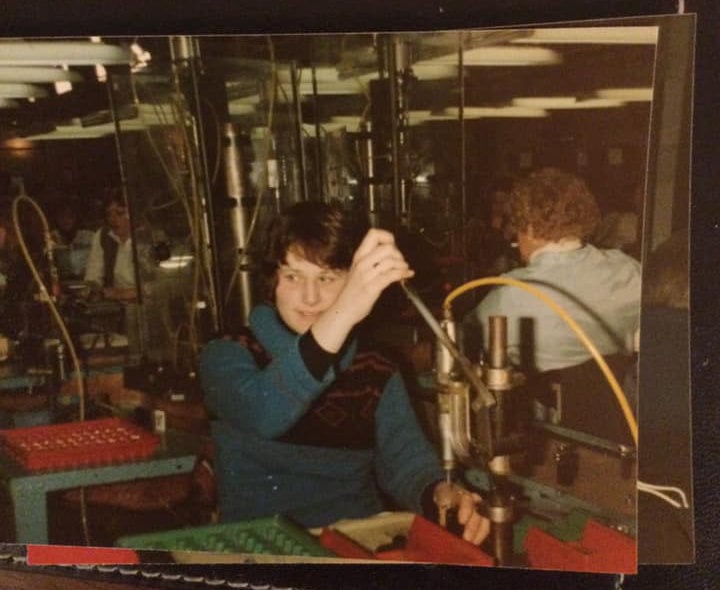
“Unless she was a doctor’s daughter or a solicitor’s daughter… they wanted you to stay on at school… So working class, I suppose it was. There was a bit of a divide.”
Pat Kennedy
A factory most Islanders have never heard of
The factory started production at Forest Side, Newport, in February 1961 and closed in 1984. The new archive at flamekeepers.uk holds full-length interviews with five former workers, Pat Kennedy, Sue Tout, Gillian Cocker, Sheree Ash and Julie Cocker, each with a complete transcript. It also holds more than 200 photographs, including 164 historic images brought in by former workers and their families.

“I’m sure a lot of younger people, if I said I worked in a factory called Ronson’s they’d be like, where was that?”
Pat Kennedy
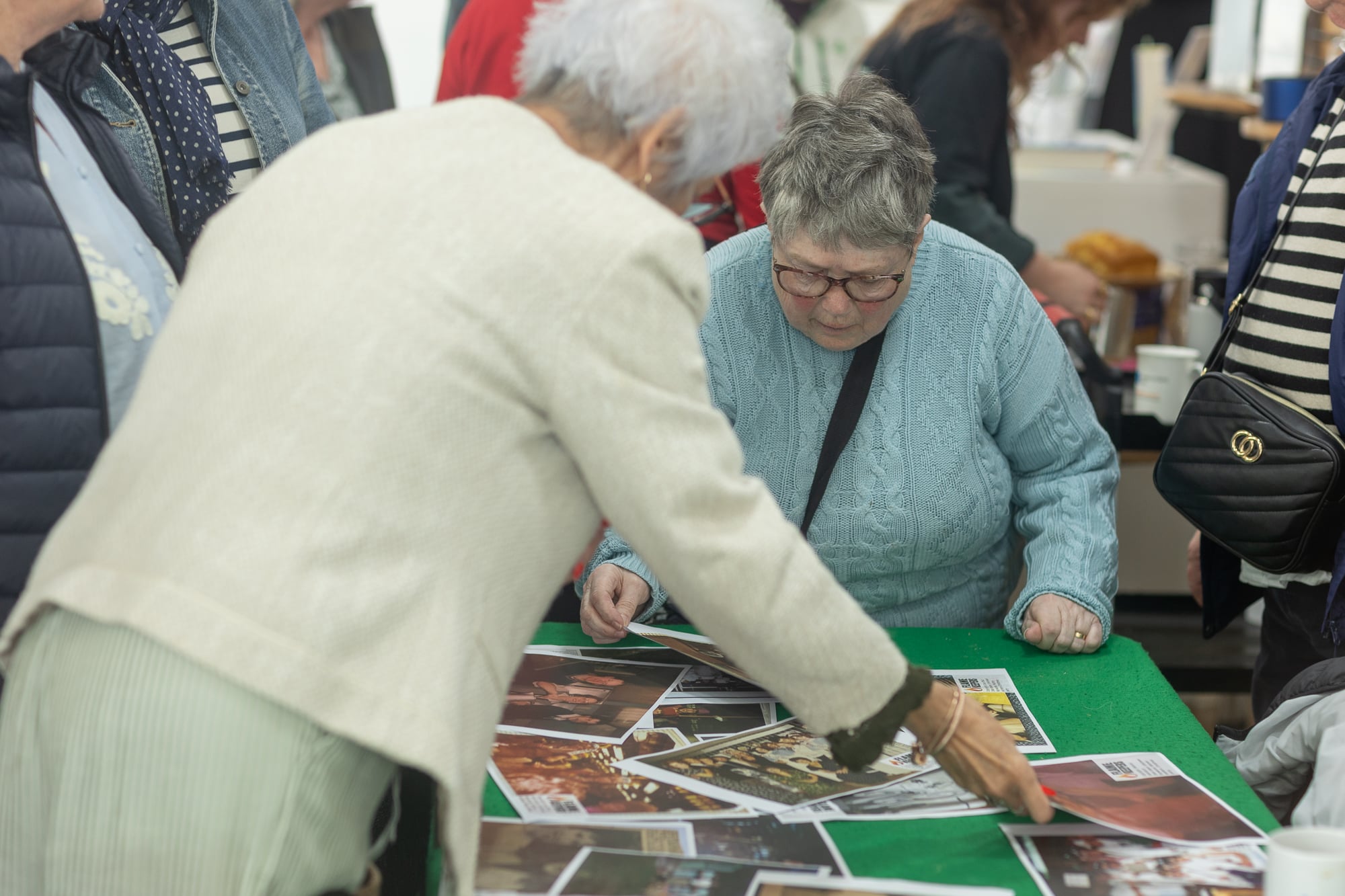
The project began with Ronson Reunited, an event at Independent Arts in Newport in May 2026, where around 40 former workers met again, many for the first time in decades. Two of the five interviewees joined the project there.
“Four of the girls I’ve met here today, we haven’t seen each other for about 45–50 years.”
Anne, former flame setter

Richard Quigley, the Labour MP for Isle of Wight West, said,
“The Isle of Wight has a proud manufacturing heritage, and the women who worked at Ronson played a key role in that story.
“Their skill and dedication helped make the factory a huge success, and it is only right that this contribution is recognised and preserved.
“This project will ensure that future generations can hear their stories and better understand the vital role these women played in shaping the Island’s economy and community.”

Accessible to all
The archive is built to be accessible to all. Sight for Wight will bring the interviews to its members over Christmas through its Talking News service, and postcards have gone to all 11 Isle of Wight libraries, placed by the public computers, so people without a computer can listen there too.
Corina Westwood, Libraries and Heritage Service Manager, said,
“Our libraries are about more than just books. They provide free access to computers and Wi-Fi, helping people get online, access information and discover local stories.
“We hope residents will take the opportunity to visit the Flame Keepers website, learn more about the factory’s rich heritage and enjoy exploring the memories and experiencesof the people who worked there.”
A free Teachers’ Resource Pack for Key Stage 2 is available from the Flame Keepers website. The interviews are preserved on Archive.org and will be deposited with Carisbrooke Castle Museum.
Tracy Mikich, who Project Managed Flame Keepers for Discover More CIC, said,
“This is a celebration of working-class identity, pride and economic contribution. These women powered one of the Island’s biggest employers, yet their voices were missing from its history. Now anyone can hear them, in their own words, for years to come.”
Flame Keepers was funded by Past Futures, a partnership of Creative Island, Hampshire and Isle of Wight Community Foundation and The National Lottery Heritage Fund, thanks to National Lottery players.