Developers delivering projects across southern England and the Solent can now reserve off-site Biodiversity Net Gain (BNG) units at Hampshire and Isle of Wight Wildlife Trust’s first habitat bank, Wilder Little Duxmore.
The habitat bank provides an off-site solution for developers who cannot achieve their full 10 per cent biodiversity uplift on-site, enabling them to meet mandatory BNG requirements while supporting landscape-scale nature recovery.
Early reservation of units gives certainty during planning, allowing applicants to demonstrate secured off-site provision as part of their planning submission.
What is biodiversity net gain and who needs it?
BNG is a legal requirement in England which means new developments must leave nature in a better state than before.
Where this cannot be fully delivered within a development site, developers can secure off-site units to meet the requirement.
From arable farmland to priority habitat
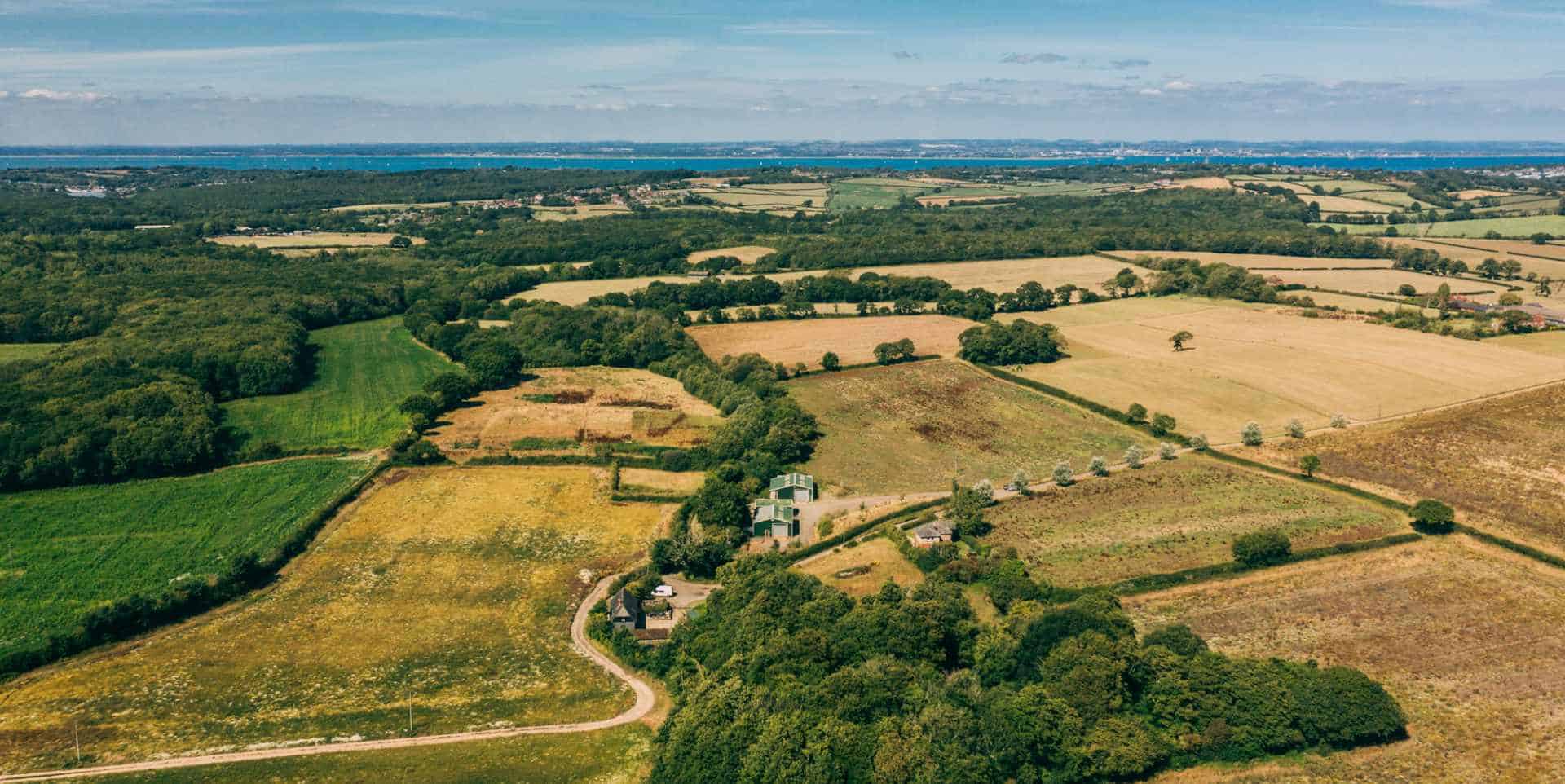
Located on a tributary of Wootton Creek, Wilder Little Duxmore is being restored from former intensive arable land into a mosaic of priority habitats.
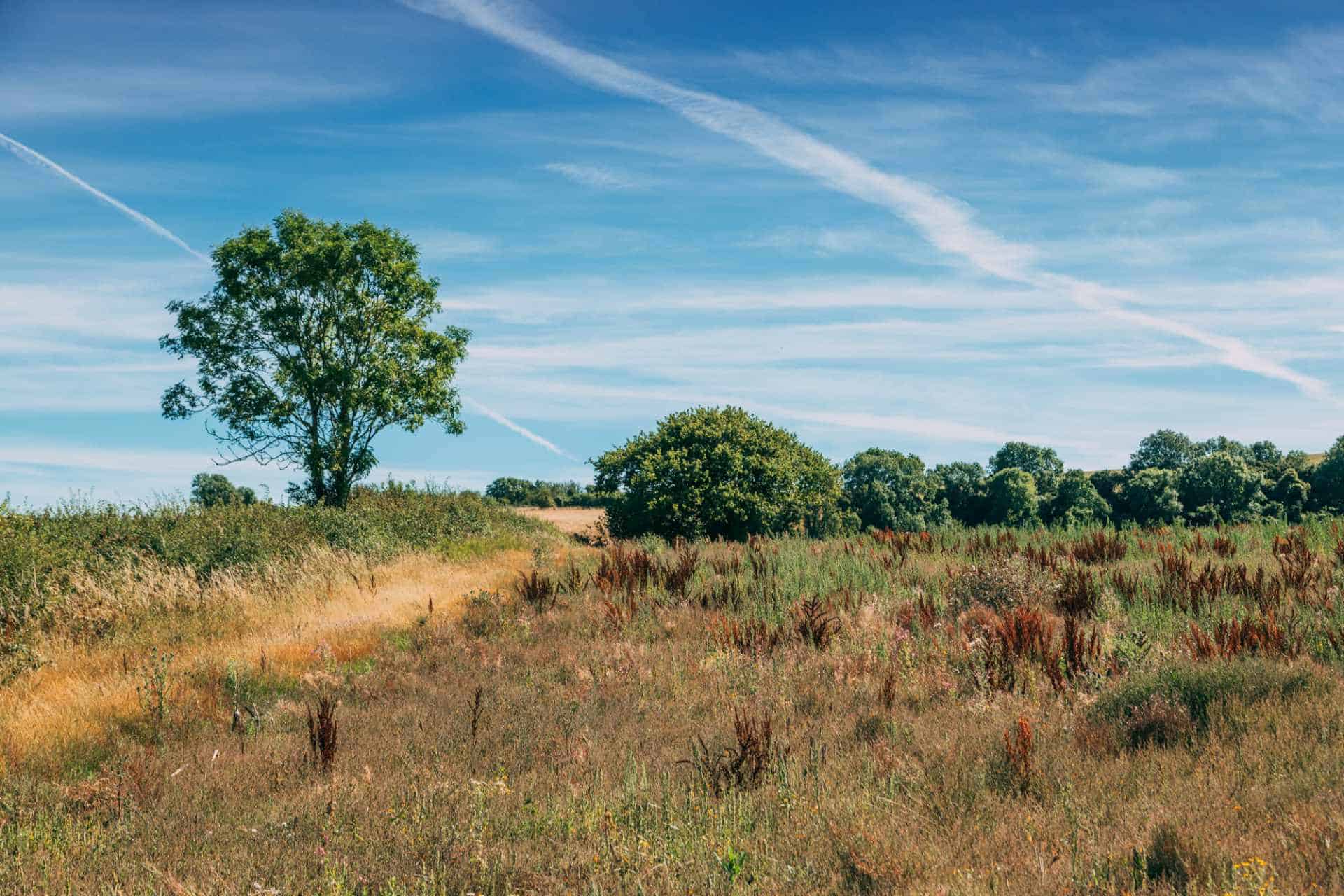
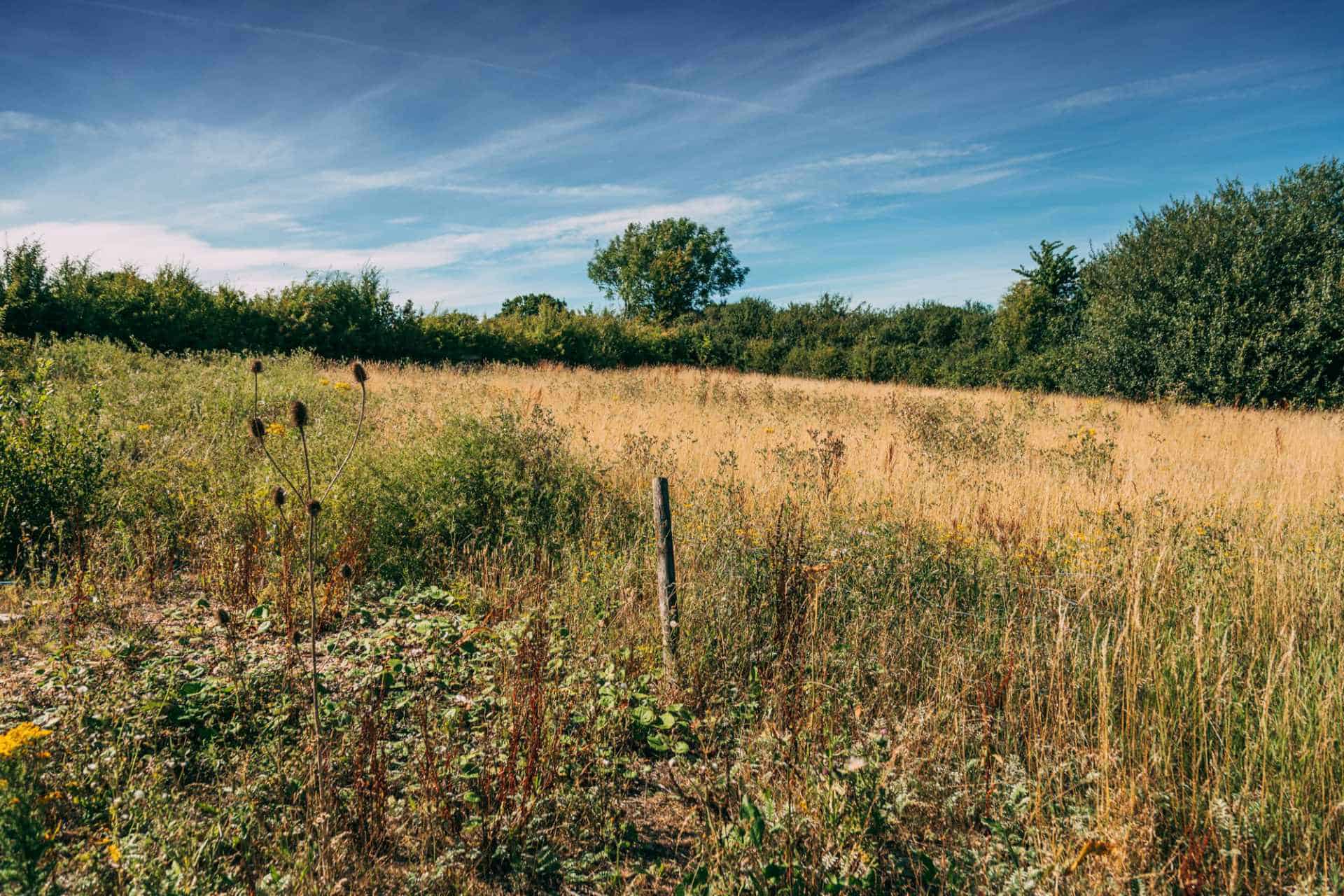
Habitat units available for BNG offsetting include neutral grassland, mixed scrub, species-rich hedgerows with trees, and rare chalk grassland.
Why chalk grassland units are particularly valuable
Chalk grassland is one of the UK’s most threatened habitats, around 80% has been lost since the 1940s, making it a particularly valuable option for developers seeking high distinctiveness BNG units.
It supports a wide range of wildlife, including endangered and nationally scarce species such as chalkhill blue and marbled white butterflies, skylarks, harvest mice, and specialist plants like common rock-rose and horseshoe vetch.
Deborah Whitfield, Senior Nature-Based Solutions Manager at Hampshire and Isle of Wight Wildlife Trust said:
“We offer developers an accessible, high-quality route to deliver Biodiversity Net Gain. By enabling early reservation of units, we can provide certainty for planning compliance while delivering lasting gains for nature.
“Through our habitat banking model, which integrates into wider Nature Recovery Networks and is designed for long-term stewardship, we go beyond minimum compliance to create high-quality habitats that deliver real, long-lasting benefits.
“This approach gives developers a unique opportunity to make a meaningful difference, helping nature thrive at Wilder Little Duxmore and across the wider landscape with maximum ecological impact.”
Long-term stewardship beyond minimum compliance
With more than 60 years’ experience in habitat restoration, the Trust combines specialist ecological knowledge with careful site design to deliver measurable biodiversity gains.
Habitat banks are legally secured and measured using the statutory biodiversity metric, giving developers and planning authorities confidence that biodiversity gains will be delivered and maintained for the long term.
How to reserve units
Developers, housebuilders and planning professionals can enquire about availability and reserve units by contacting Arcadian at Hampshire and Isle of Wight Wildlife Trust via email: [email protected] or by phone: 01489 774 400.
Further information is available on the website.
News shared by Helen on behalf of Hampshire and Isle of Wight Wildlife Trust. Ed