Jonathan Dodd shares his review of the latest Isle of Wight Symphony Orchestra (IWSO) concert. Images with kind permission of Allan Marsh. Ed
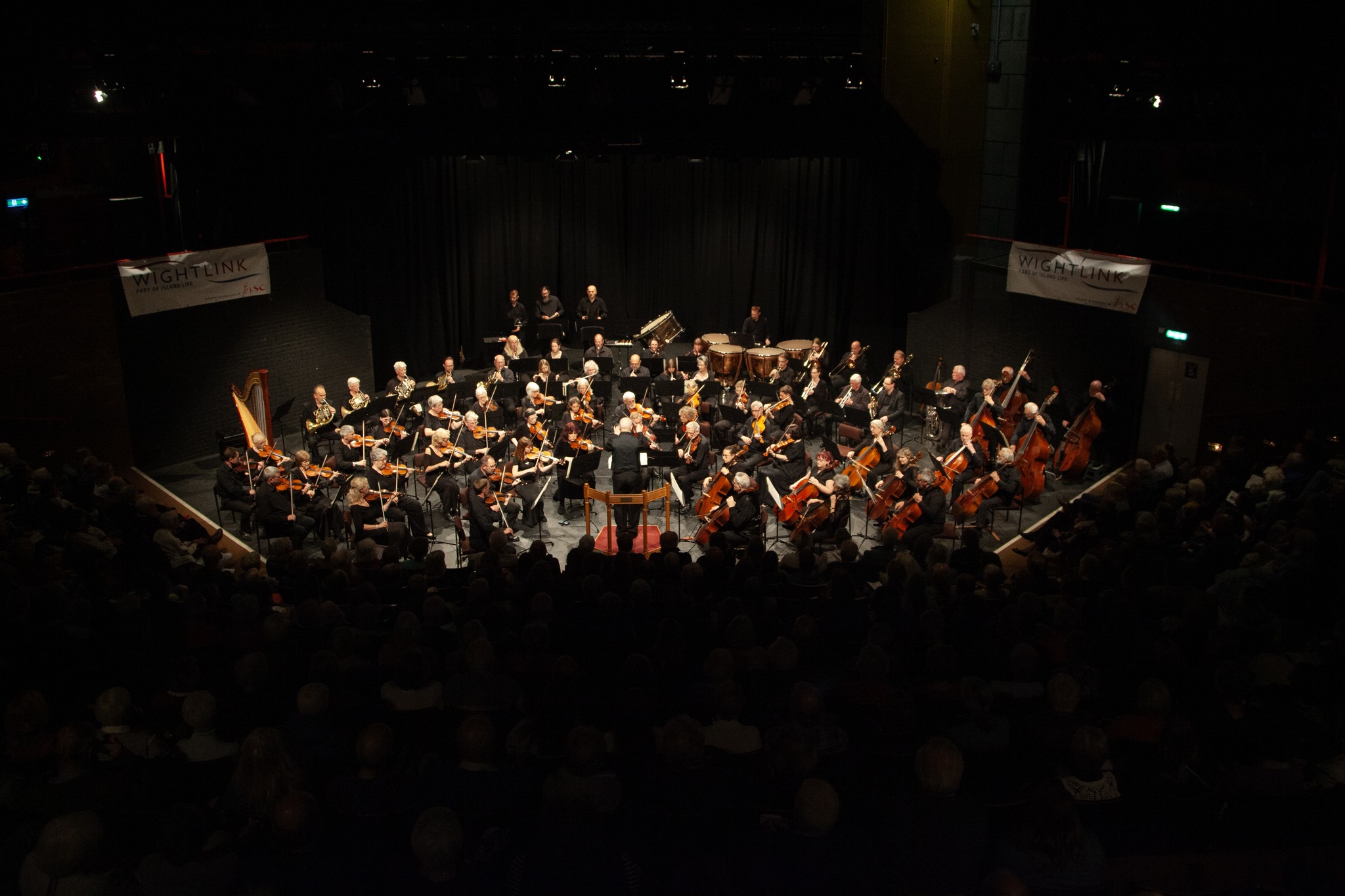
On Saturday 14th March 2026, despite the unfriendly weather, music fans and stalwarts converged on the Medina Theatre to attend the fourth concert of the Isle of Wight Symphony Orchestra 2025-6 season.
The house was full, and the anticipation of a great concert was visible on everyone’s faces. I was particularly excited to be able to listen to the Bruch Violin Concerto and the Sibelius Symphony No. 1, which I was familiar with, but had never witnessed live.
Overture Carnaval Romain
First piece was to be Hector Berlioz’s Overture Carnaval Romain. I was surprised to discover that an overture doesn’t need to be connected to a following piece of music. An Overture can also be a free-standing piece in itself, written to be performed as part of a programme. In this case, Berlioz conceived this piece in 1843, inspired by elements of his own opera Benvenuto Cellini, written in 1836.
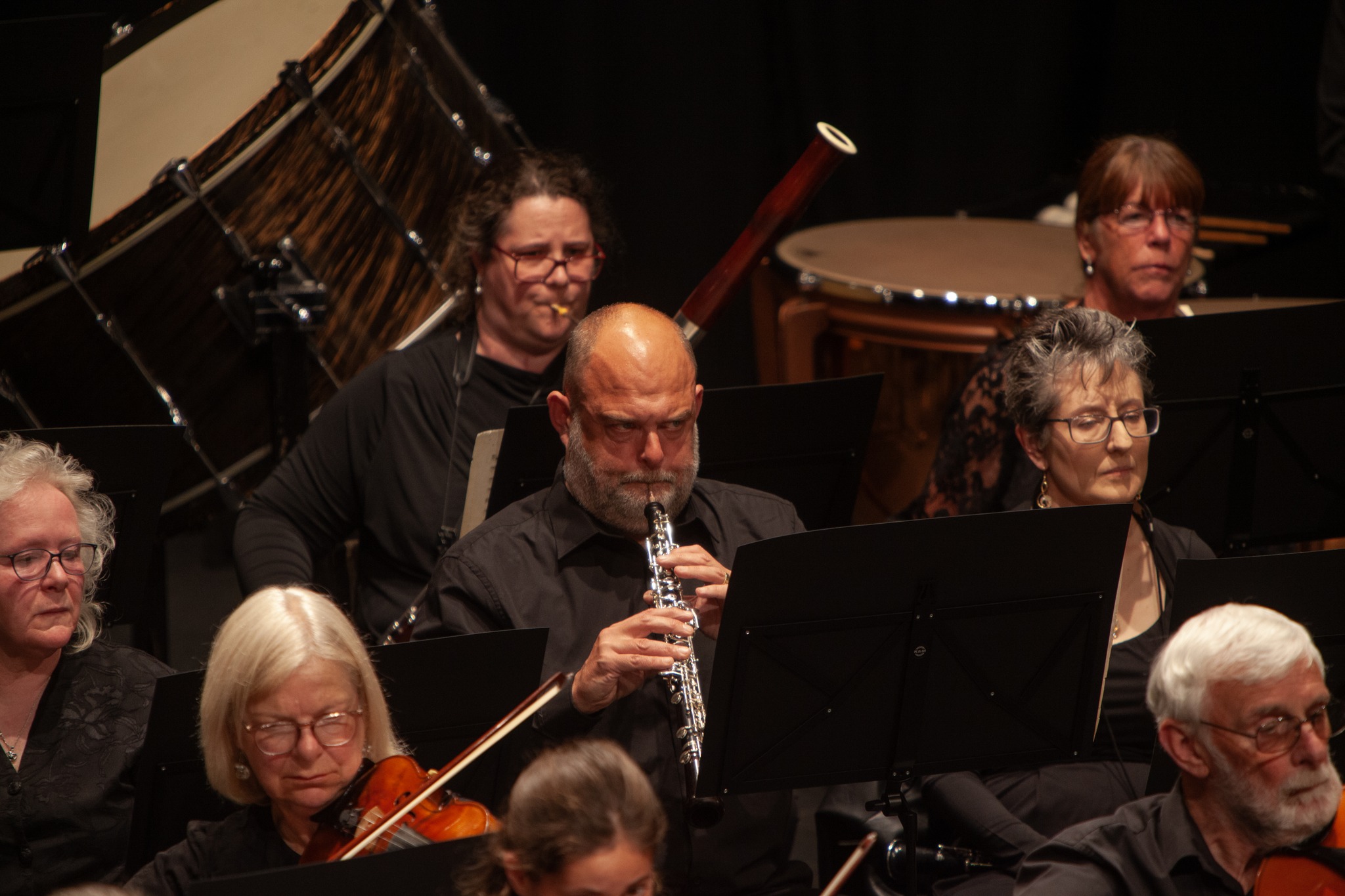
The opera failed on its debut, at least partly because of bad preparation. Perhaps Berlioz wrote the Overture to try to restore its reputation. It features a splendid cor anglais solo, something of a rarity in itself, and starts with a slow melodious tune that develops into a musical romp, full of orchestral vigour and energy, and ends spectacularly. It was a thrilling start to the evening’s entertainment.
Nocturne: New Year’s Music
Gerald Finzi was an English composer born in 1901, who became a very English composer, despite his German/French Jewish background. He loved poetry, and became an apple farmer in Dorset. He lost his father and three brothers in the first part of the 20th century, and his music teacher in the First World War, and his music is characteristically introspective. His Nocturne reflects his feeling that the New Year is both a celebration of the beginning of another year, as well as the loss of the year that has gone.
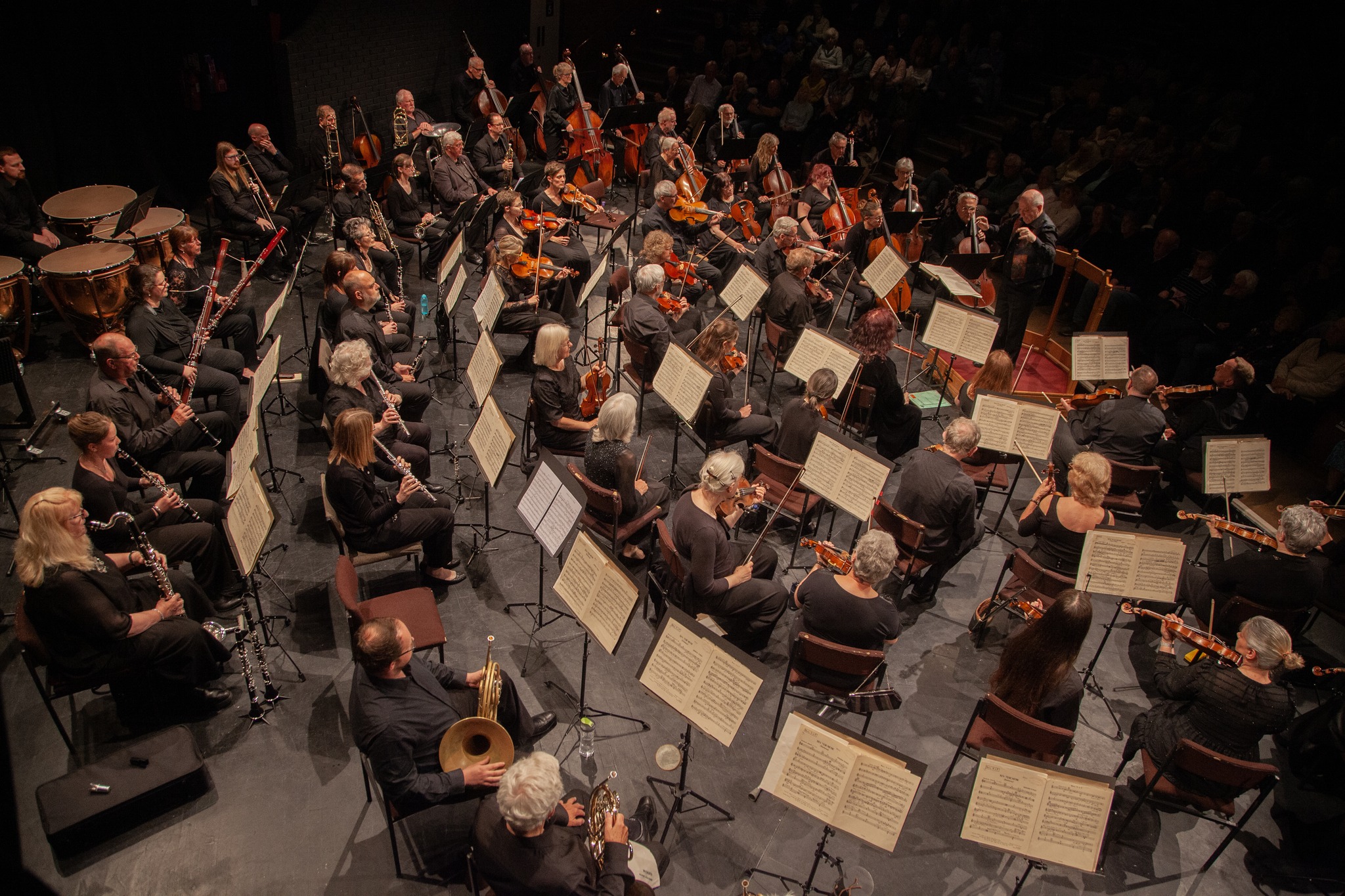
This feeling of sadness and loss pervades his Nocturne. Two poems, one by Charles Lamb recalling this loss at New Year, and the other by Robert Bridges, describing a night walk alone in the countryside on a frosty night, influence the music throughout, weaving these thoughts into a beautiful tapestry of sound, whose tone is melancholy, rather than a lament, but contains hope nonetheless. The orchestra played this music sensitively and gently, allowing the tone of the piece to settle over a rapt audience. I will certainly listen to this again.
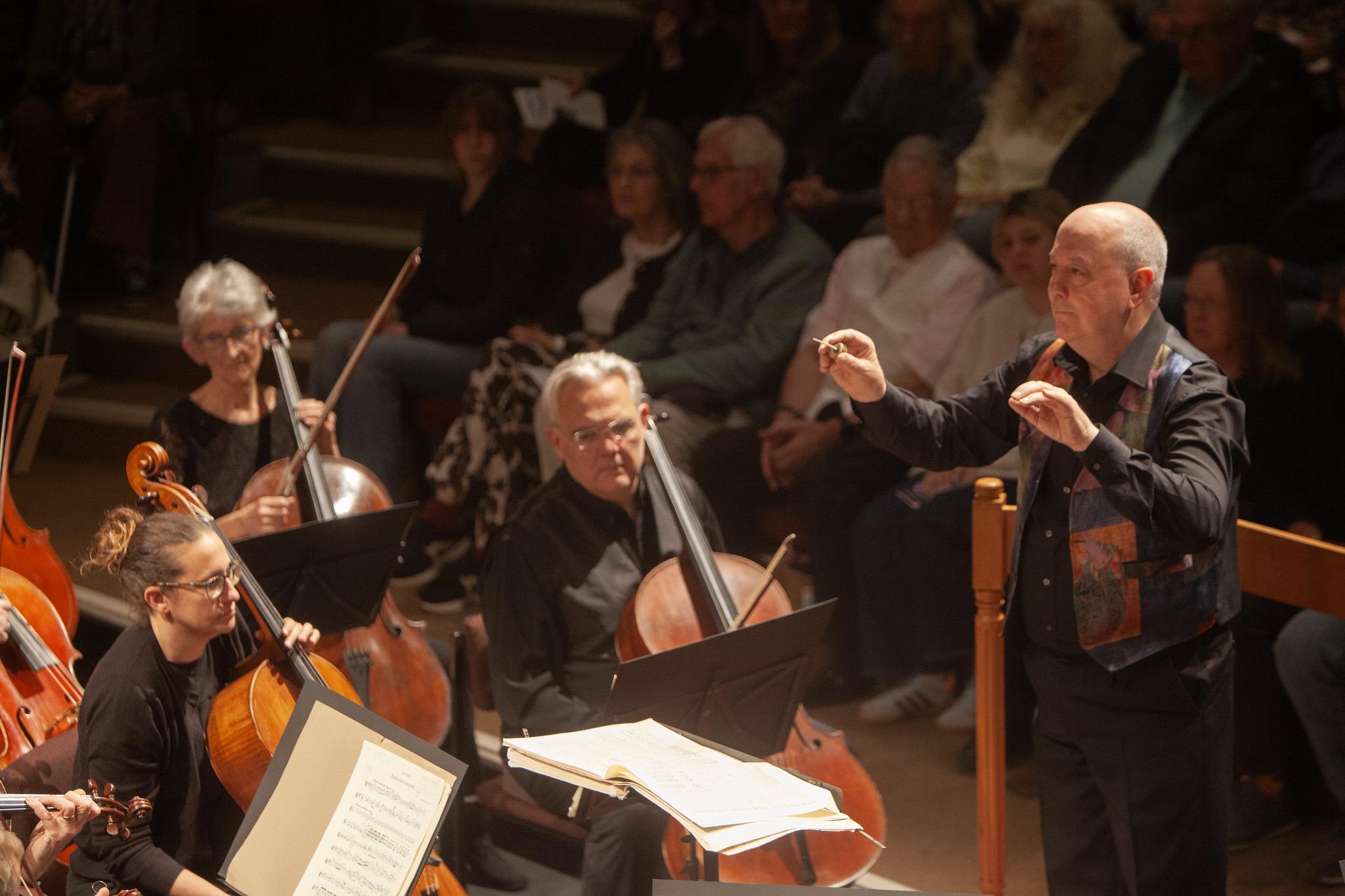
Bruch Violin Concerto
Max Bruch completed his violin concerto in 1866, then revised it into its final form in 1868, with the collaboration of the great violinist Joseph Joachim. It has become one of the most loved violin concertos. It contains a sense of excitement and sheer joy, and gives a violinist full permission to just go ahead and enjoy playing it, taking the audience along for the ride. It has an unusual form, because the first movement goes straight into the second, giving a sense that the idea is formed and explored, and then allowed to flourish and express itself in the lovely final movement. It is a gift to a soloist, an orchestra, and an audience.
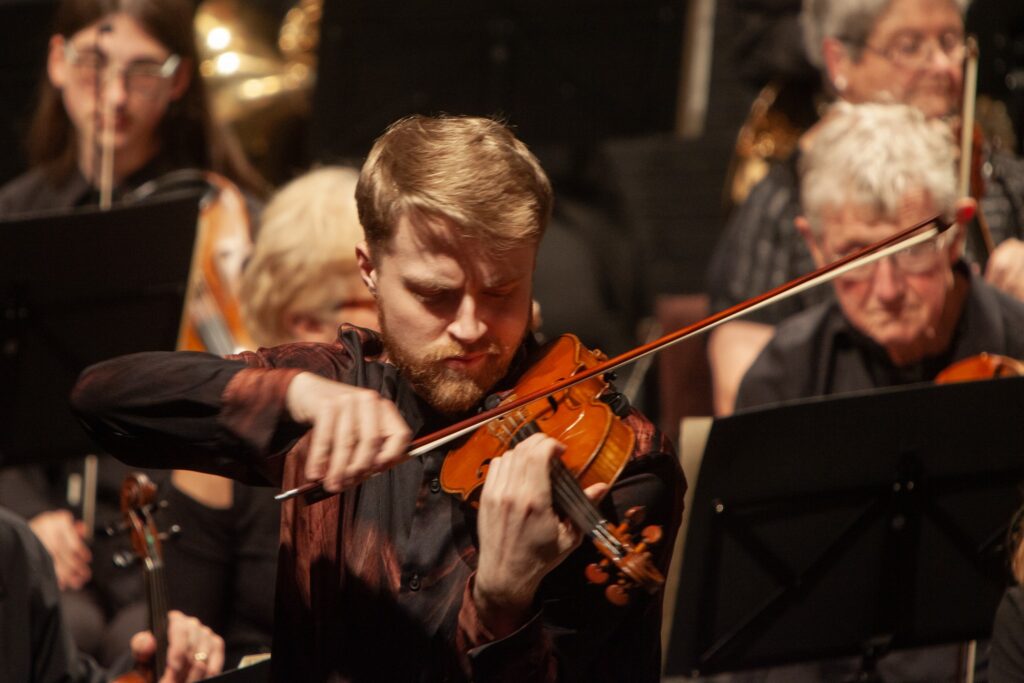
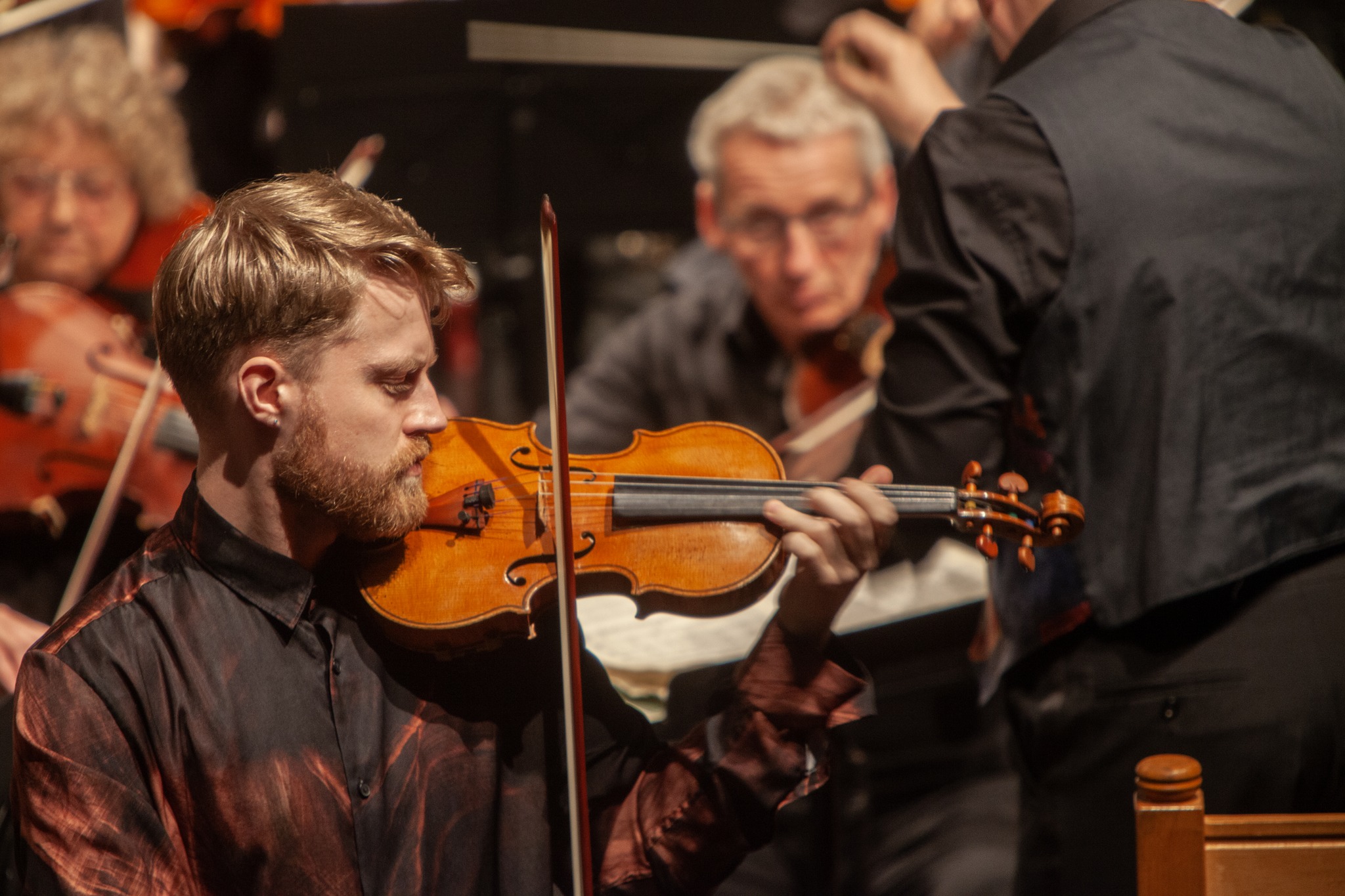
Charlie Lovell-Jones is well-known to the Isle of Wight Symphony Orchestra. He took his place at the podium without fuss, looking up modestly at the orchestra and audience, and waited for his prompt. Then with his first few notes, he took charge, and immaculately performed this great concerto, receiving a standing ovation at the end. He has a way of being very still and listening carefully to the orchestra with his head tilted when he is not playing, and lifting his bow with a flourish after a long passage, not so much in triumph as in tribute to the joy of the moment. I hope he comes back to play for us often.
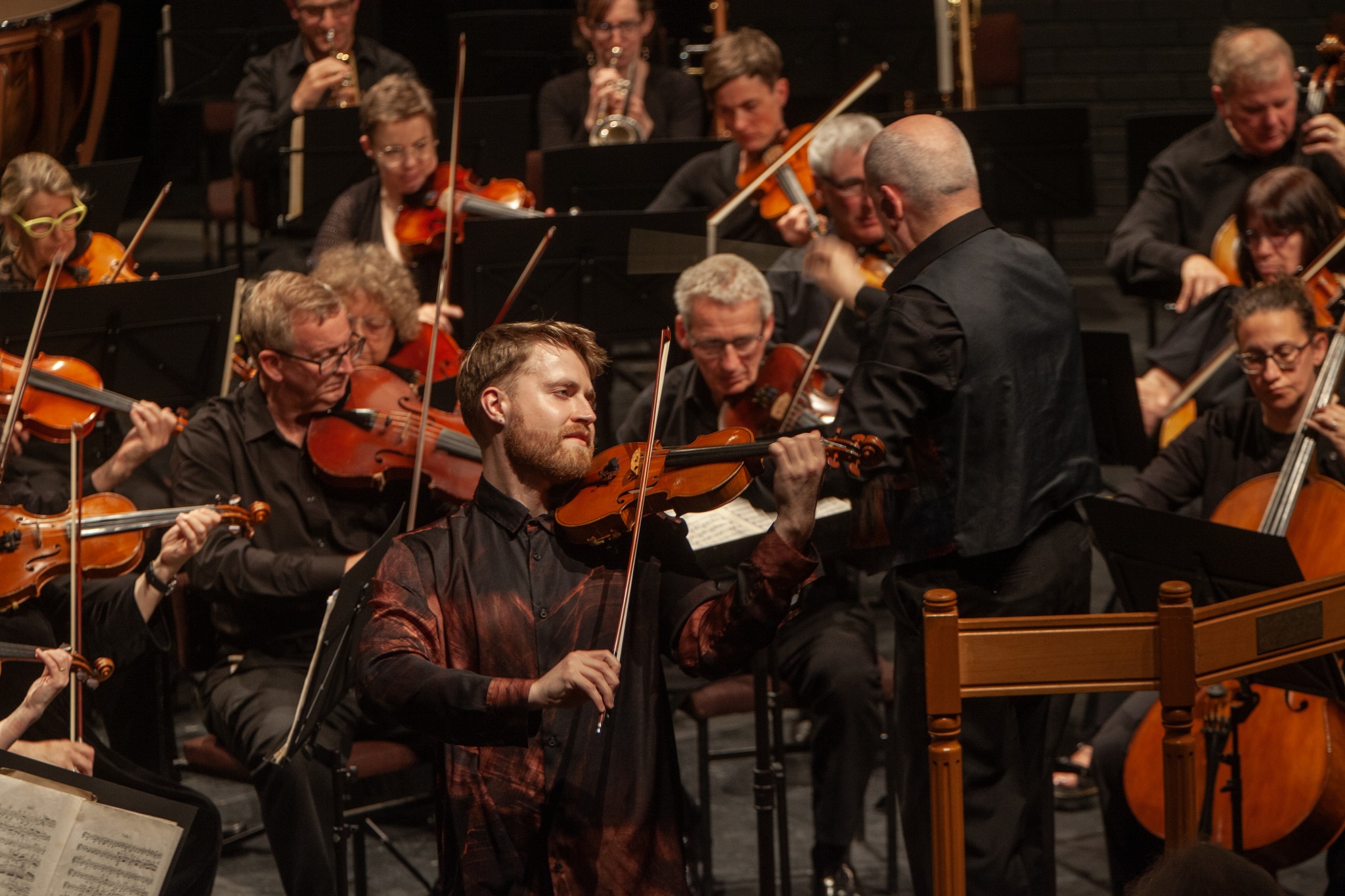
After the Bruch, Mr Lovell-Jones gave us a short encore, consisting of Paganini’s 13th Caprice. It was so fast and complex that I cannot even describe or remember it, just a blur of notes played immaculately, an opportunity to show off theatrically, but performed with modesty as a gift to us. How lucky we all were to be there to share that moment.
Sibelius 1st Symphony
After the interval the orchestra sat to give us a performance of Sibelius 1st Symphony. First performed in 1899 and revised in 1900, in the same period as Finlandia and the Karelia Suite, this was a turbulent time for Finland, belonging to Russia but dreaming of independence and escaping from the influence of its gigantic neighbour. Sibelius’s music is unmistakable, with its broad sweeps of sound and its vivid sense of the landscape and history of his country underlining the power and clarity of his musical themes.
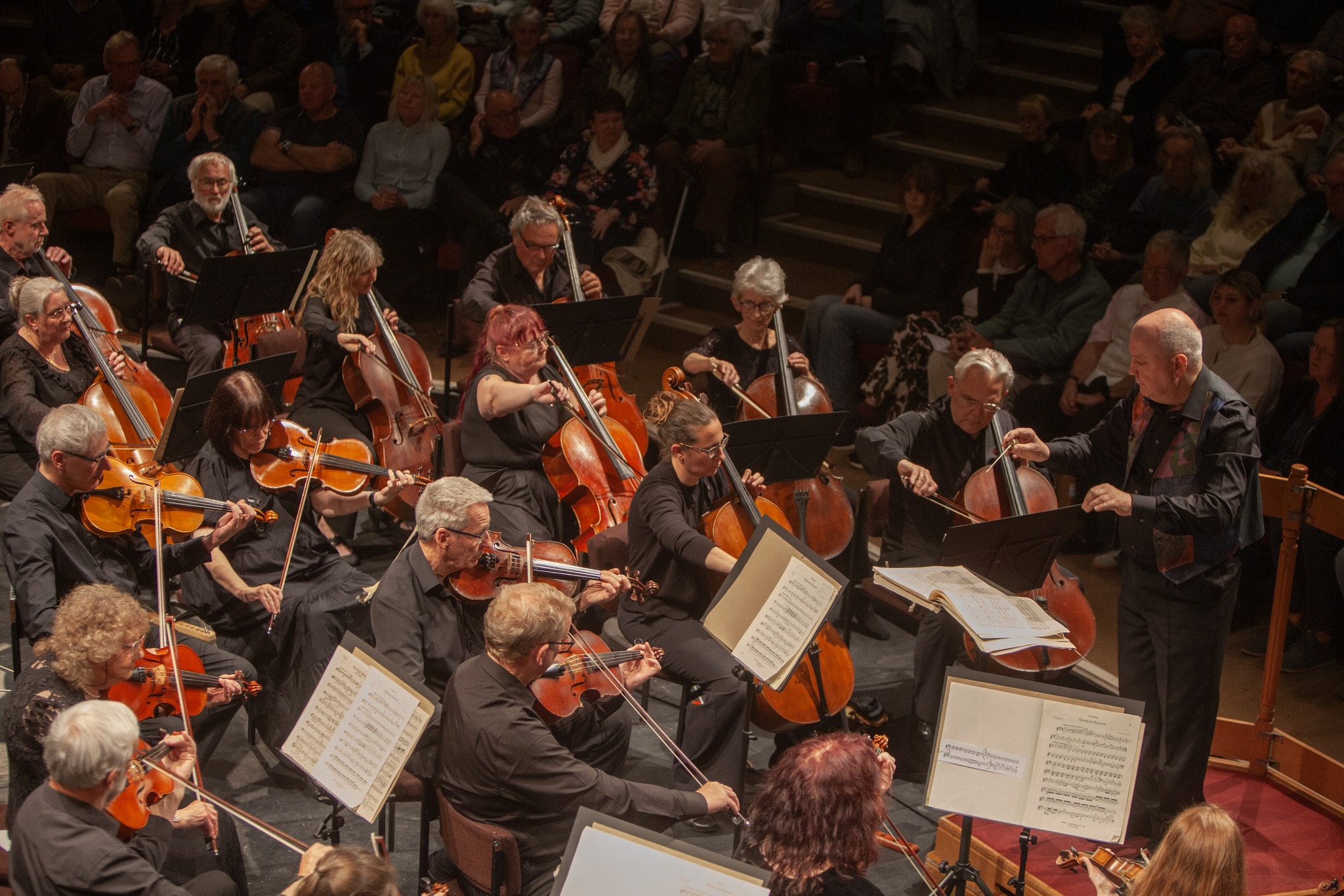
From the start, with the quiet timpani drum and the clarinet solo, through the various movements and their themes and energies, Sibelius seems to be exploring how to tell a story and illustrate an emotional landscape. As an uneducated non-musician, I often fall over the hurdle of trying to work out what it all means. This has often got in the way of my enjoyment of classical music, particularly long pieces such as symphonies, and I am learning to let my mind simply experience the music as I hear it.
I feel many emotions whilst listening, and sometimes I have difficulty turning the effect of this musical tide into words. Whenever I listen to Sibelius I always feel a sense of grand vistas, internal and external, and yearning, and beauty, and majesty, and a form of clarity like the light when dawn is breaking, when the air is sharp and clear. But I can always say that I have been deeply moved, even if I can’t describe exactly how.
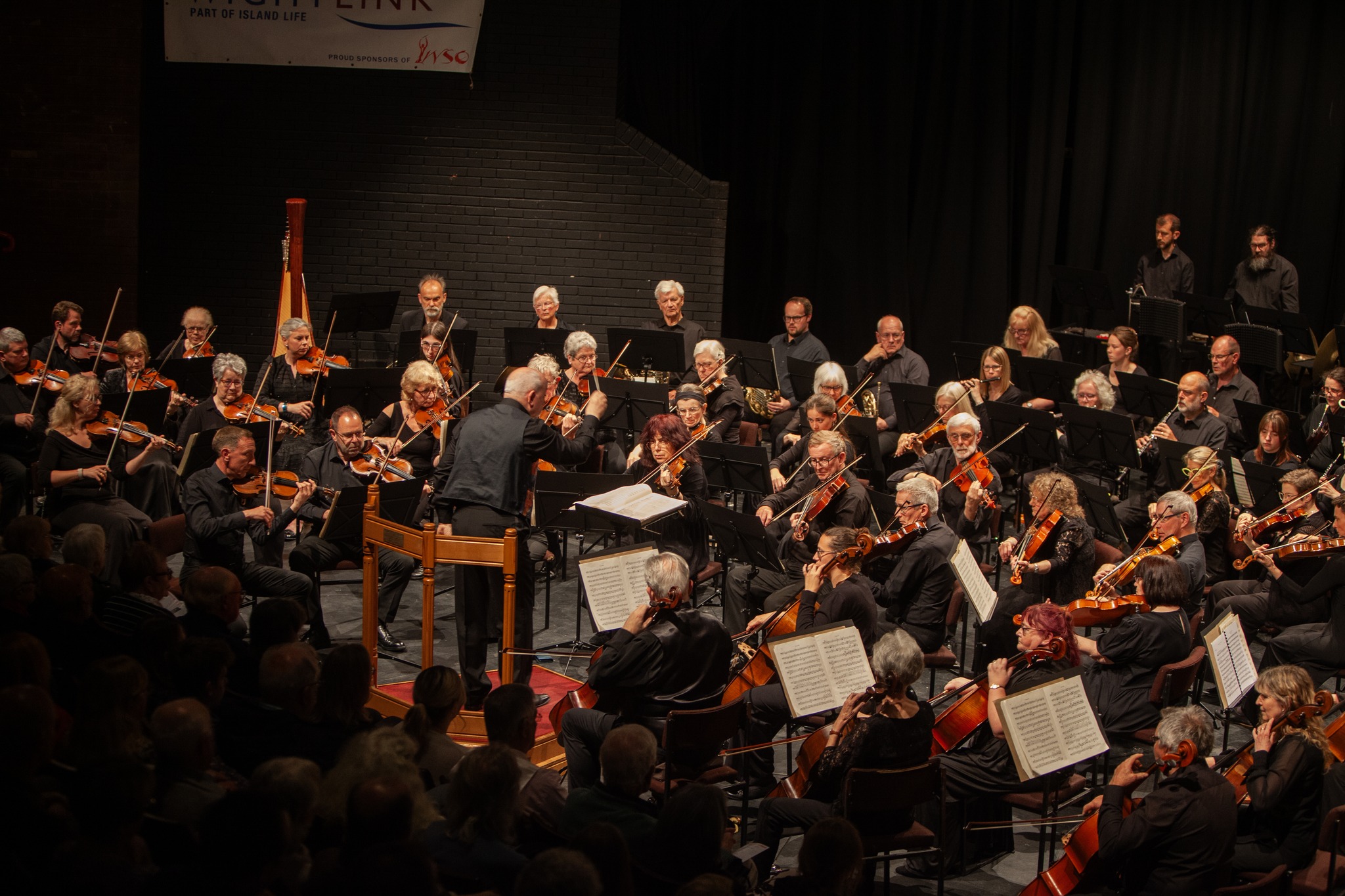
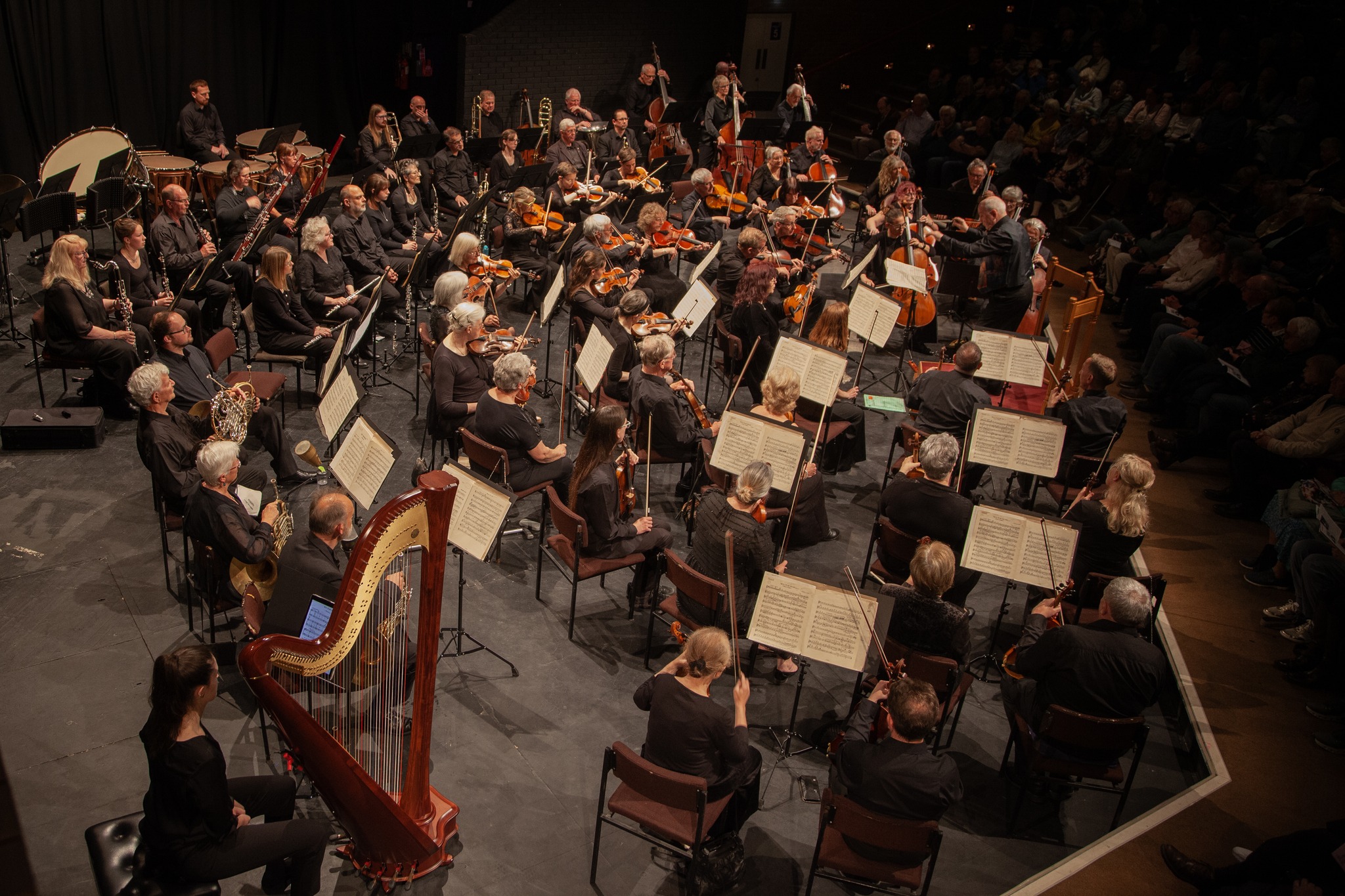
I loved this performance of Sibelius First Symphony. It was deeply emotional for me, and I’m sorry that I can’t pick out individual performances and speak sensibly about them. I respond to the knowledge that every person on that platform was deeply committed to producing their best at that moment to themselves, their orchestra, the music, and the audience. As one such audience member, I can only admire their tenacity and work and skill, and their dedication to produce great music. Thank you so much for allowing me a glimpse of your world, even though I don’t have the language to express my gratitude better.
Please continue to do this great work, and I’ll continue to appear and witness it, and report, in my inadequate way, after the moment has passed.
Next Concert
The IWSO 2025-2026 season concludes on Saturday 4th July 2026 at 7.15pm, at the Medina Theatre, titled ‘Independence Day Spectacular’.
The IWSO will be playing a host of great American music, starting with Aaron Copland’s glorious Fanfare for the Common Man, then Benjamin Britten’s American Overture, and Samuel Barber’s Knoxville: Summer of 1915, sung by Kelly Glyptis.
Max Steiner’s Suite from Gone with the Wind, John Philip Sousa’s March: Washington Post, John Williams’ glorious Flying Theme from E.T. and a Selection of American Songs also sung by Kelly Glyptic will follow, and the whole concert will be crowned by George Gershwin’s An American in Paris.
What a fantastic way to conclude an amazing season!
For more information on tickets, programmes, the Steam Railway Prom or anything else, please visit the website.