Planet Aware IW are inviting IOW Creatives to submit work to raise awareness of plastic pellet-nurdle-pollution.
The chosen works will then be on display at the Clayden Gallery at Quay Arts from 19th Sept to 10th October 2026 as part of the ‘Great Nurdle Hunt’.
Each artworks will explore some part of the impact nurdles have on our marine environment and humans, at various stages of their production, transportation and use. There will also be related arts workshops and talks.
What are Nurdles?
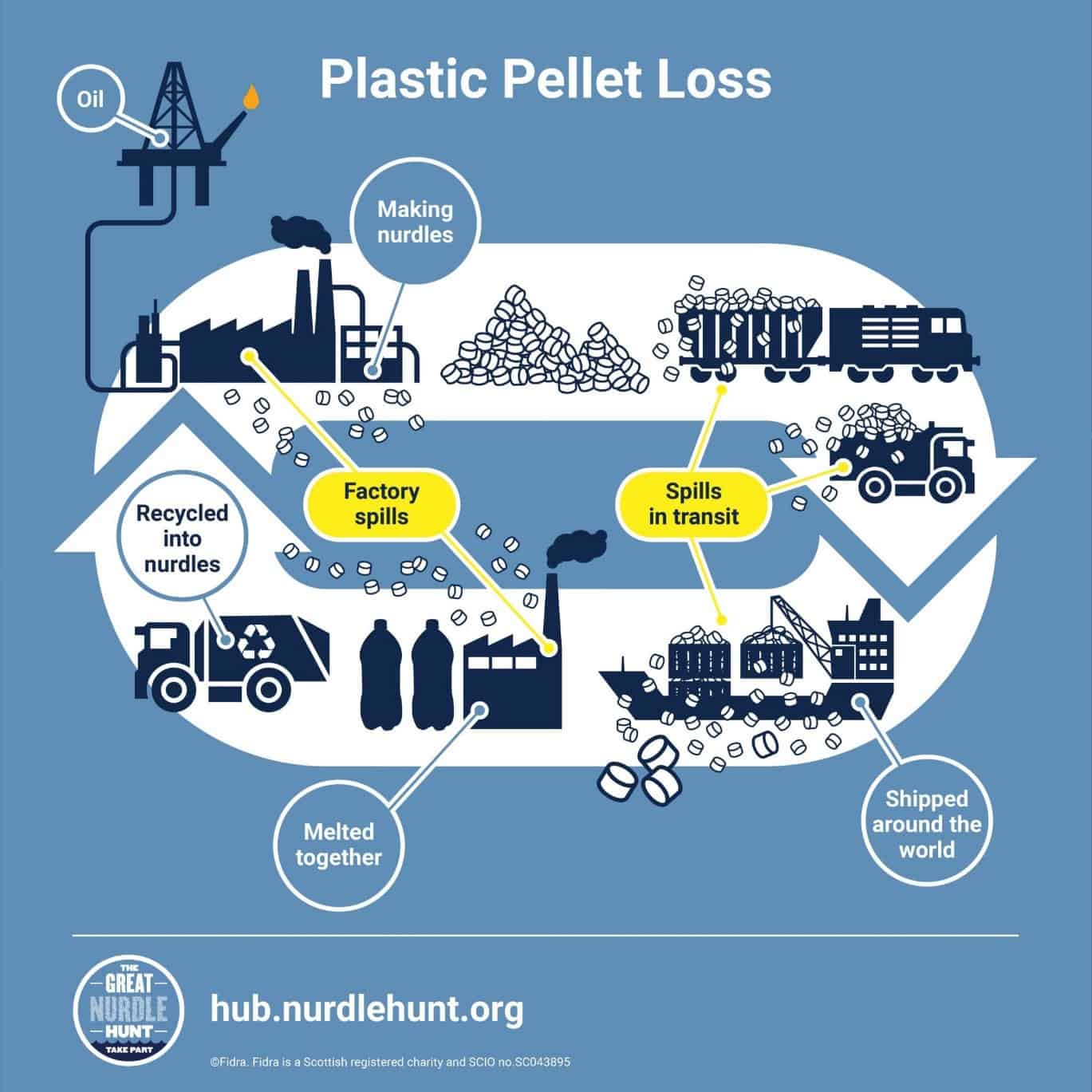
Nurdles are small plastic pellets which are the feedstock of all our plastic items. They are transported by sea, road and rail to factories all over the world where they are melted and moulded into all our everyday plastic goods . They spill into the environment and our oceans through mishandling in factories ,container spills, rail and road transport loss.
When in our marine environment, they soak up chemicals such as pesticides and if mistaken by wildlife e.g as marine eggs or taken in by filter feeders, they are a toxic pill which can block creatures digestive systems leading to harm and eventually death. The chemicals contained can accumulated in the tissues of creatures having mistakenly eaten them.
Local Pollution
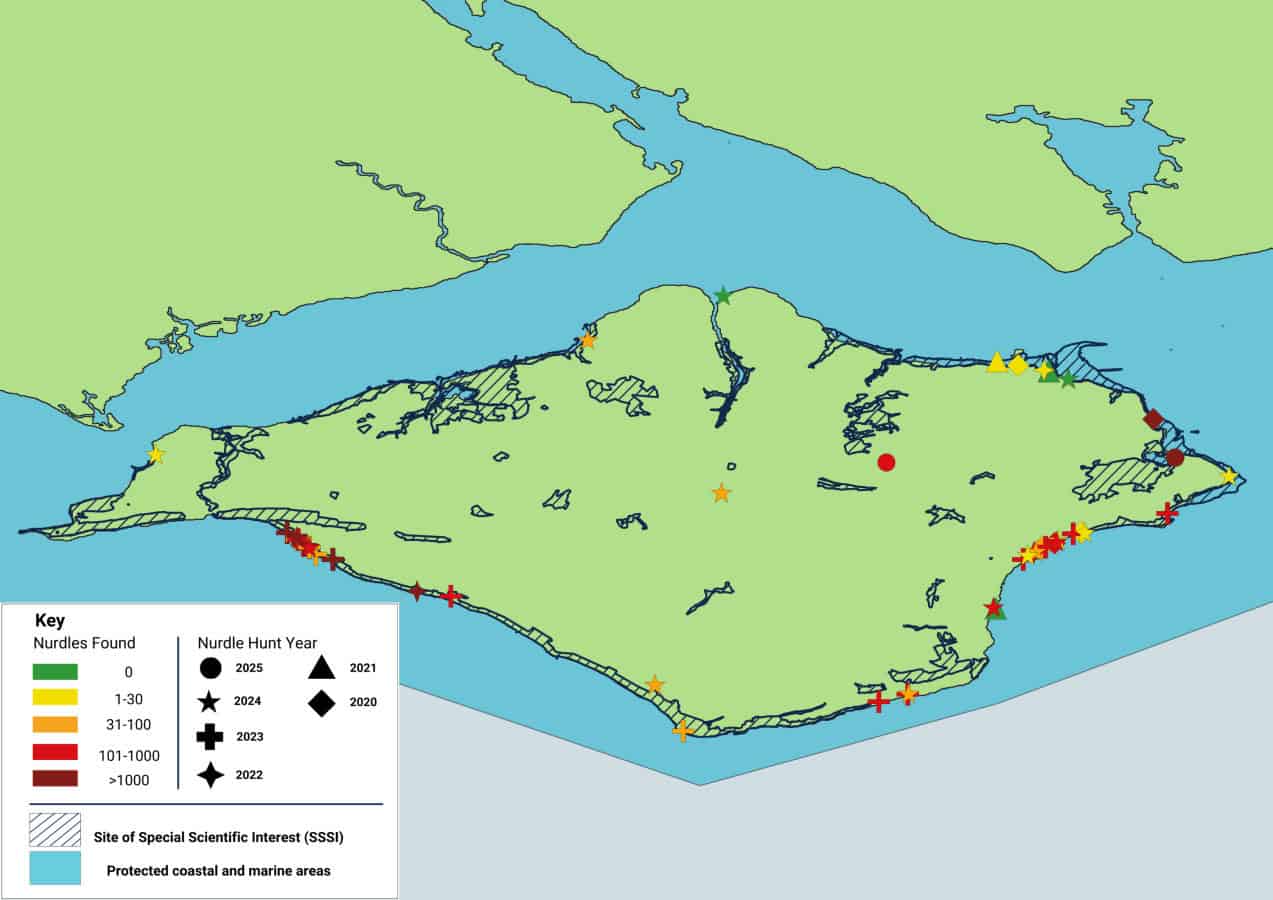
Trillions of nurdles are lost each year and they have been found on many Island beaches with hotspots at Bembridge Harbour and Brook-Compton as well as, many other IOW beaches during Planet Aware surveys.
The EU has implemented legislation to help prevent nurdle loss in it’s jurisdiction but the UK and others have yet to follow. Sadly, Global Plastic Treaty talks have not yet reached any agreement.
Overuse of plastic
Plastic pellet production is closely linked to our overuse of plastic- the more stuff we buy the more pellets are produced and transported so being mindful of how much and what we buy is important. However, ensuring proper legislation related to nurdle production and transportation could reduce their loss to the environment by up to 95% so it is vital these laws are in place as voluntary agreements are not working!
ARTISTS Callout!
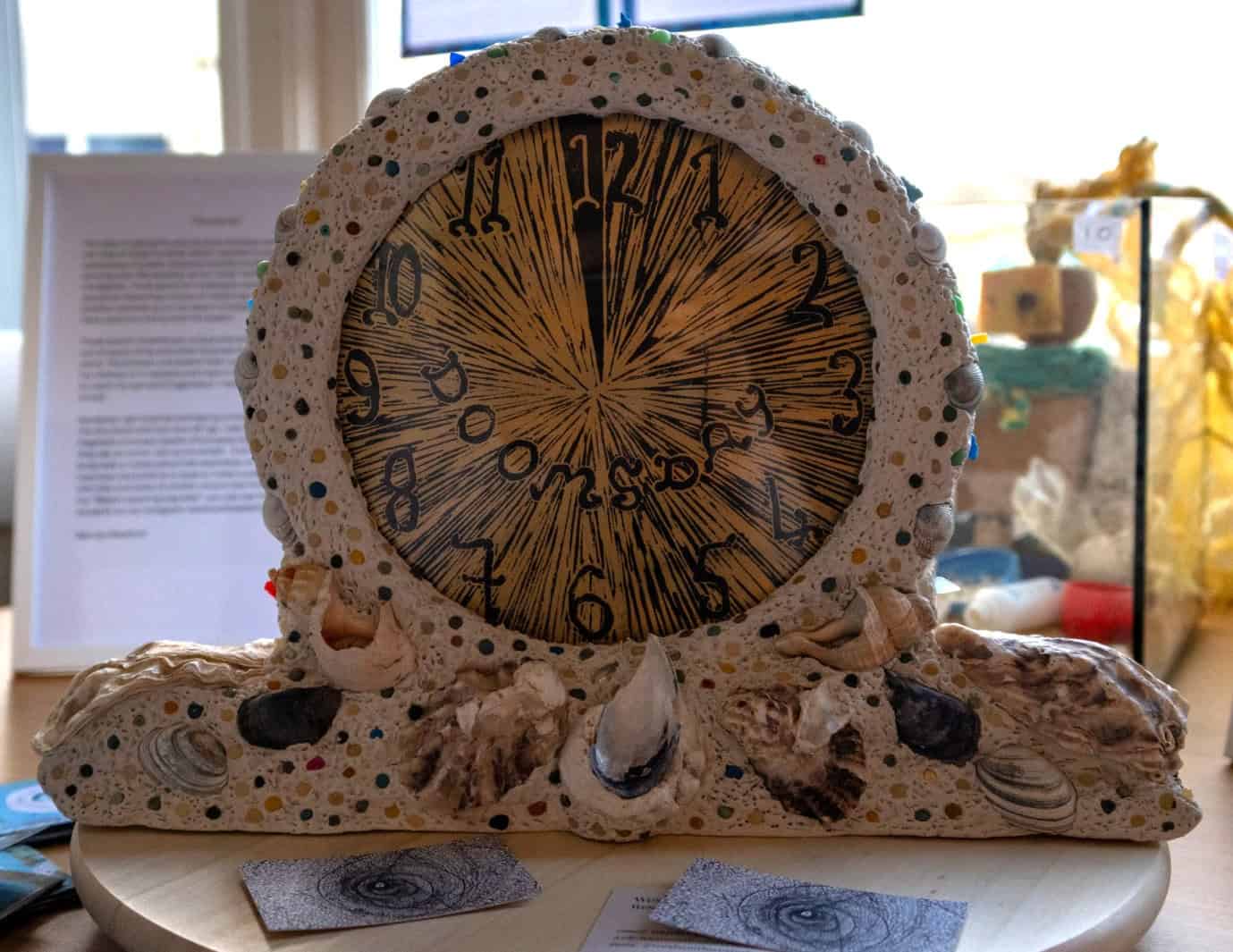
Artists have the unique insight, skills, and creativity to interpret and communicate the issue of nurdle pollution in compelling and accessible ways.
Through engaging and thought-provoking work, they can help raise awareness, deepen public understanding of the environmental impacts of nurdles, and inspire conversations and actions that contribute to positive meaningful change.
Please email [email protected] for the Artist’s Brief.
Other ways you can help
Any member of the public wanting to HELP can sign Planet Aware’s nurdle petition asking the UK to step up and match EU laws on this persistent pollutant causing harm to our oceans.
Find additional information on the Change.org website.
You can also join in Planet Aware’s nurdle hunts. Next date 4th July as part of the Biosphere Festival.
News shared by Sarah on behalf of Planet Aware, Ed