A Greenpeace group on the Isle of Wight has launched an online petition calling on Isle of Wight Council to stop using glyphosate in parks, playgrounds, schools and public streets.
The World Health Organisation’s cancer research arm classifies glyphosate as a probable human carcinogen. Campaigners say this classification makes the case for removing it from places children visit regularly.
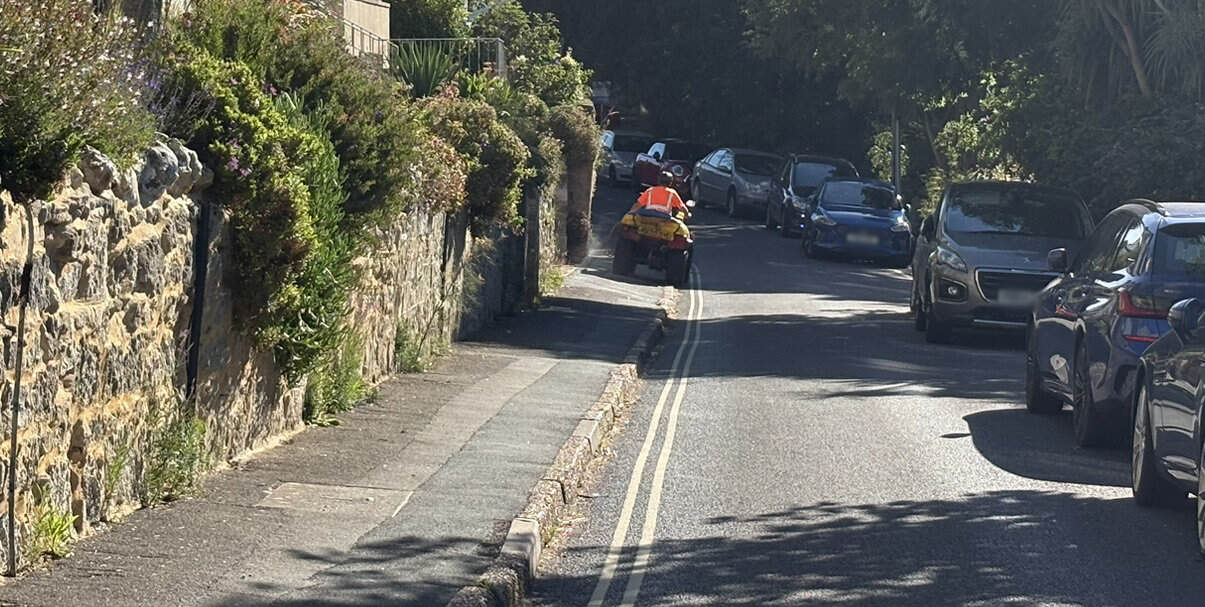
Playgrounds, parks, schools and public streets across the Island still receive applications of the chemical, although Island Roads say the concentration of glyphosate they use is extremely dilute – 2% or less of the applied spray, applied no more than three times a year.
The petition organisers say this creates unnecessary health risks for the people who use these spaces. Island Roads and IWC respond below.
Families and dog walkers unknowingly at risk
They add that families and dog walkers cross Island routes that have been sprayed with glyphosate. Many do so without knowing the chemical has been applied.
The petition highlights a claim from Island Roads’ fact sheet, which states that glyphosate has “little or no impact on animals”. Campaigners describe this claim as ‘misinformation’ and want the council to correct it.
They argue the Island needs a future where pesticides no longer threaten public health and the environment.
Failed to commit to making the necessary changes
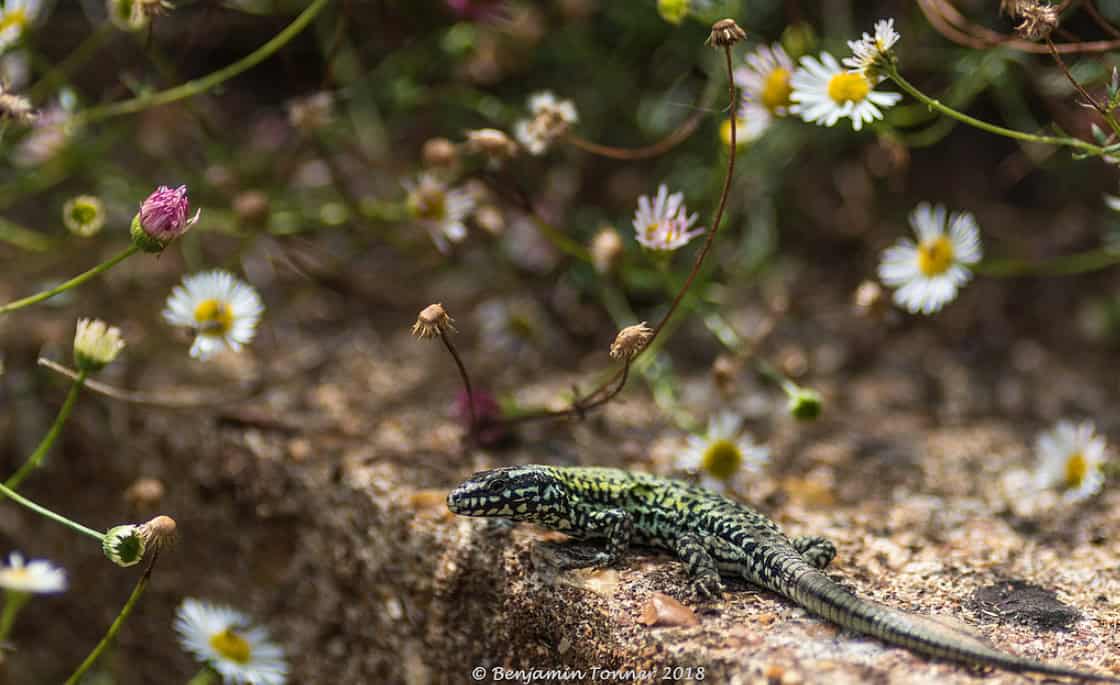
Back in 2023/24, OnTheWight readers took part in citizen science programme, reporting sightings of wall lizard colonies in Ventnor. The project was sparked by the discovery of dead or moribund lizards hours after the area was sprayed with glyphosate.

OnTheWight presented the updated data to Island Roads, but they failed to commit to changing glyphosate-based spraying in Ventnor.
Updated: Response from IWC and Island Roads
OnTheWight has written to Isle of Wight Council and Island Roads to ask whether they would reconsider their use of glyphosate.
Nine days later they responded.
An Isle of Wight Council spokesperson said,
“Glyphosate remains approved for use in the UK and its application on the highway network is undertaken by Island Roads in accordance with relevant regulations and contractual requirements.
“The council is currently reviewing the information available and discussing the matter with Island Roads.
“No decisions have been taken regarding any changes to current arrangements.”
An Island Roads spokesperson said,
“Glyphosate is the most widely used herbicide in the world. It is the active ingredient in domestic weedkillers including Round-up and is the most common herbicide used in the agriculture industry. It is also among the most extensively tested pesticides on the market and is currently approved for use in the EU until December 2033 and until at least 15th December 2026 in the UK.
“Glyphosate is sprayed in heavily diluted form at street level only and it is not used to treat vegetation on or next to the walls or other features that wall lizards are known to populate. Any vegetation above ground level is removed by hand.
“Our contract identifies the areas we must keep free of weeds to help prevent trip hazards and protect the lifespan of roads and pavements. Whilst we continue to use glyphosate in accordance with the label instructions, we remain committed to considering alternatives. However, a 2021 trial of manual weed removal led to a significant rise in complaints and glyphosate-based herbicides remain the most effective option.”
Island Roads have compiled a factsheet on glyphosate use which can be read on their website.
Alternatives already exist elsewhere
Councils and cities elsewhere in the UK have removed pesticides from public land without giving up effective weed control.
- Manual weeding offers one proven method.
- Mulching provides another practical option.
- Hot water and steam treatments also remove weeds without chemicals.
Campaigners say this track record proves the approach works in practice, not just in theory.
Calls for a clear council plan
The petition asks Isle of Wight Council to set out a clear and transparent plan for reducing glyphosate use. It also asks the council to commit to eventually eliminating the chemical from public areas altogether.
Organisers say the safety of Island residents should sit at the centre of council policy on this issue.
They frame signing the petition as a way for people to support a healthier, safer environment.
The group encourages Islanders to sign the petition and add their voice to the call for change.
Article update
2pm 15th Jul 2026 – IR and IWC comment added