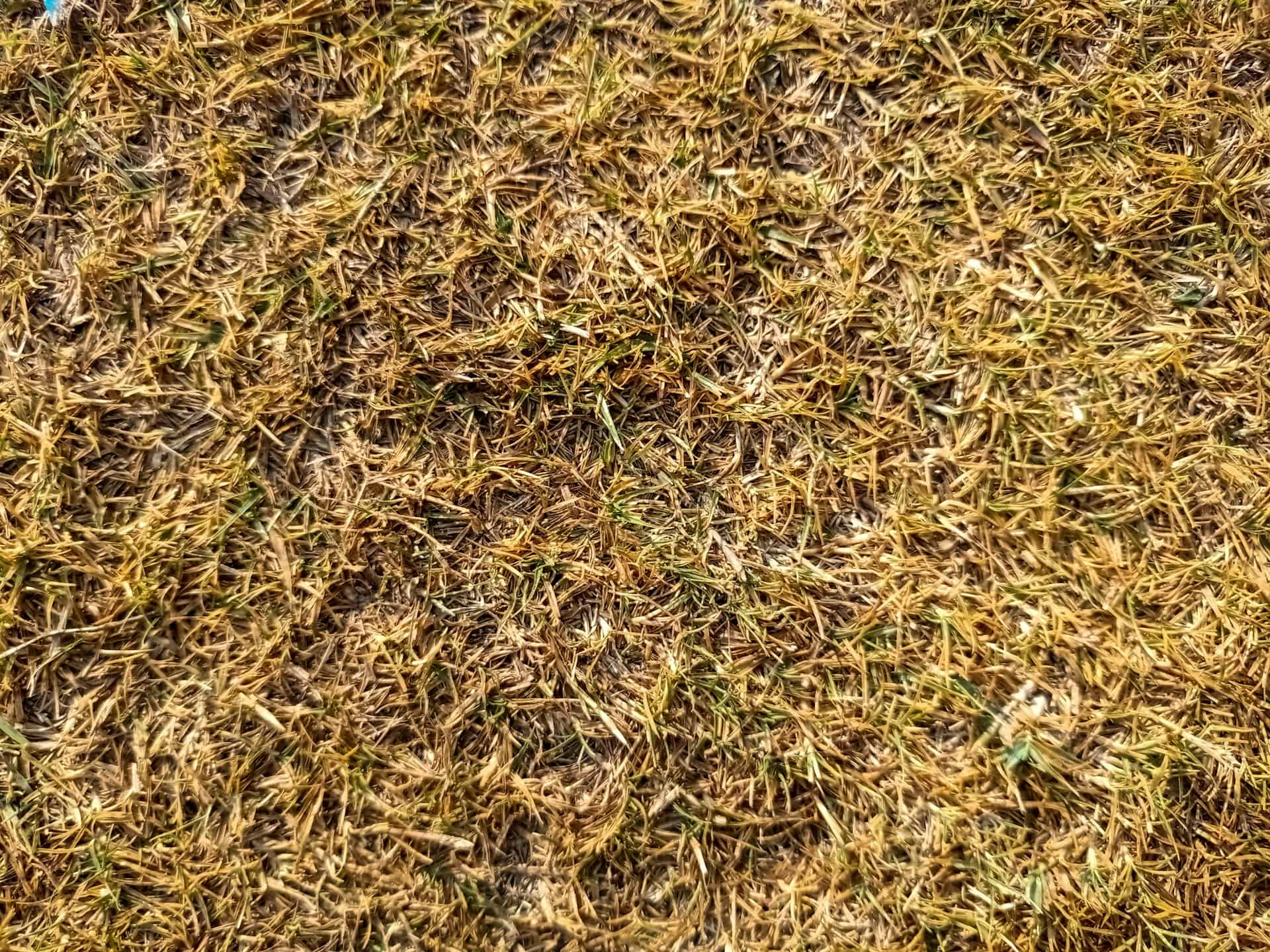
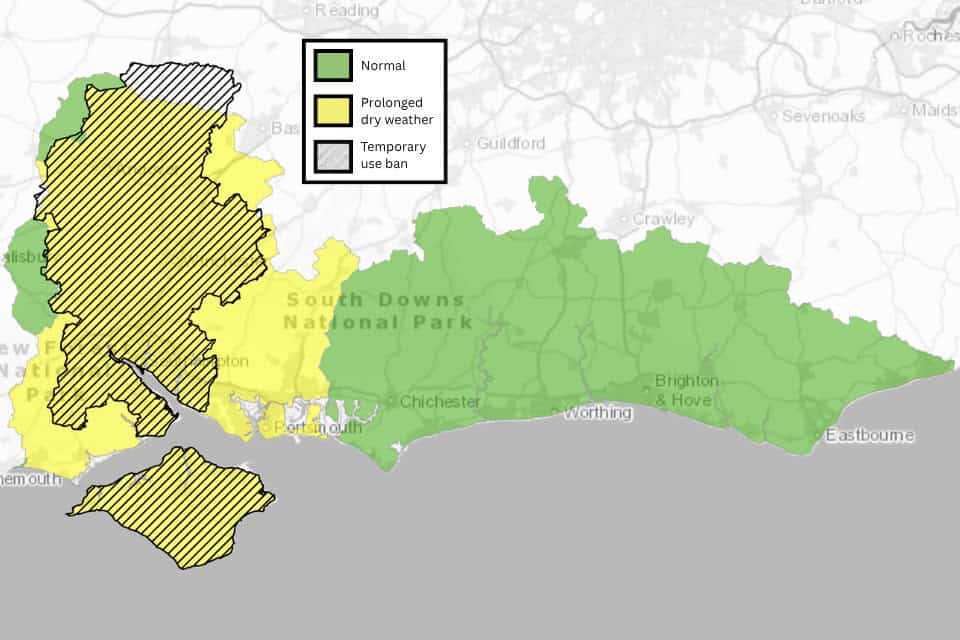
The Environment Agency is moving parts of Hampshire and the Isle of Wight into a state of prolonged dry weather after England’s warmest spring on record.
Why the River Test matters
Hampshire and the Isle of Wight rely on the River Test for its water supply.
A state of prolonged dry weather means the Environment Agency is positioned to consider any requests about water usage while protecting this rare, sensitive, chalk stream and the environment that relies on it.
Getting ahead of the impact
Moving to prolonged dry weather status on Friday 10th July also means the Environment Agency is best placed to react to any incidents in the environment cause by hot temperatures and impact on the water.
What officials are saying
Richard O’Callaghan, Environment Planning and Engagement manager at the Environment Agency said:
“The changing climate has seen a whiplash from an exceptionally wet start of the year to prolonged dry weather.
“The pressures on the environment will become heavier. The Environment Agency is positioning itself to get ahead of that.
“We are ready to tackle any incidents during this time and make sure that the needs of the environment are balanced against demands for more water from our most sensitive waterways.”
A repeat of last year
The dry spring, early summer and high temperatures in 2025 affected water resources and the environment in Hampshire, Isle of Wight and Sussex.
This led to the Environment Agency declaring a situation of prolonged dry weather on 10th July, lasting six months.
Who decides what happens next
The National Drought Group – which includes the Met Office, government, regulators, water companies, the National Farmers’ Union, Canal and River Trust, anglers, and conservation experts – is monitoring the situation and will next meet on 20th July.
As regulator, the Environment Agency will decide any drought permit requests. However, Defra and the Secretary of State will decide on any applications for drought orders with the Environment Agency giving technical advice assessing the needs of people and the environment.
The Environment Agency supports the Water Efficiency Campaign which launched this month: Let’s Save Water | Water Efficiency Campaign for England & Wales. This is a campaign in which our science and evidence helped make it possible.
Simple ways to save water
There are simple ways people can help save water, including low-flow showerheads, running washing machines with the recommended load and not pre-rinsing dishes.
News shared by the Environment Agency media team, in their own words. Ed