Isle of Wight Council and Southern Water share this joint statement following last week’s meeting with Isle of Wight councillors. In their own words. Ed
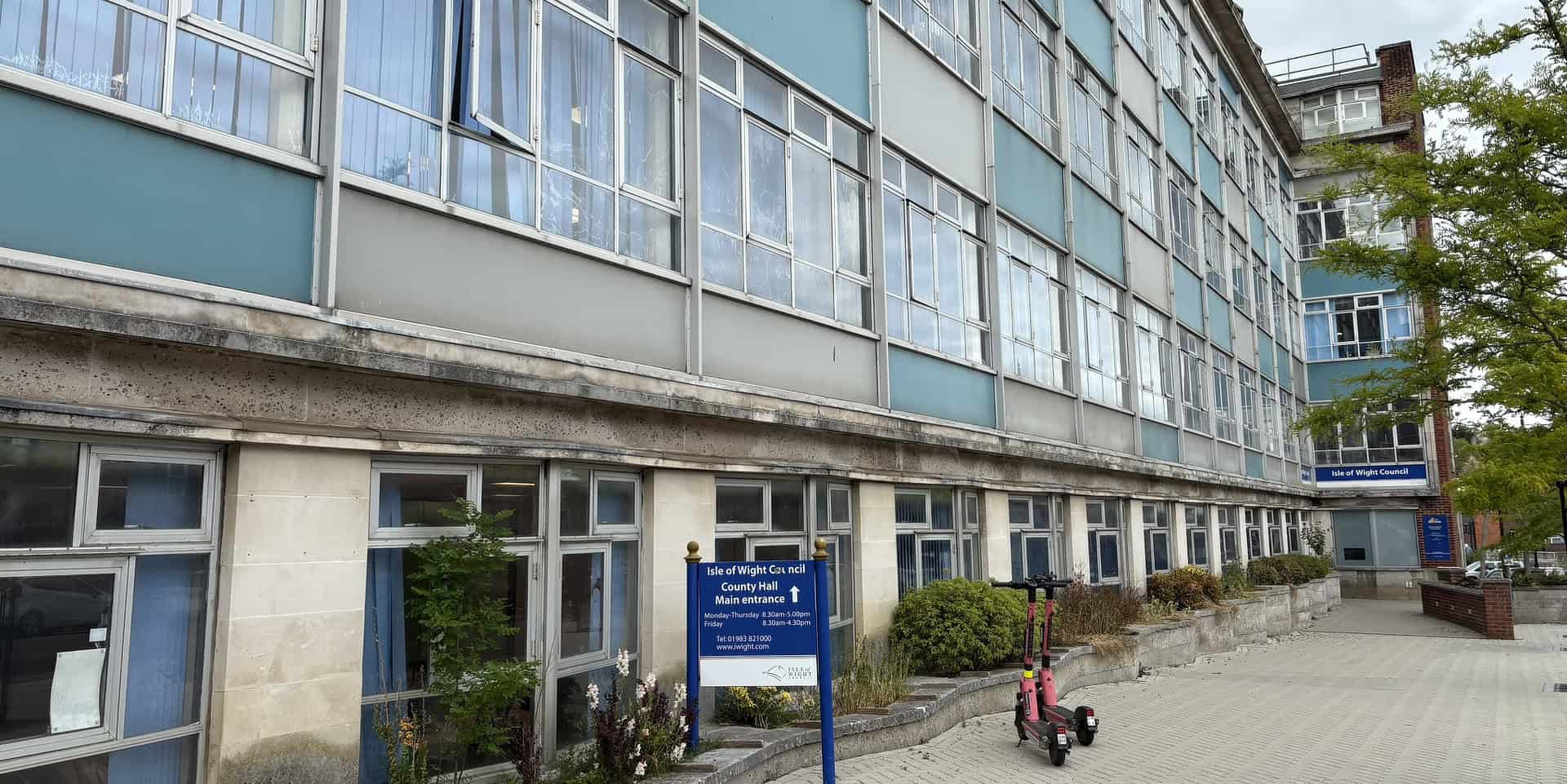
Councillors from the Isle of Wight Council have met with senior representatives from Southern Water, including chief executive Lawrence Gosden, chief operating officer Tim McMahon and members of the company’s leadership team, to address the significant water and wastewater challenges facing the Island.
The meeting, held last week at County Hall, was constructive and candid, reflecting the seriousness of the issues and a shared commitment to improve outcomes for residents, businesses and the environment. Southern Water acknowledged that its services on the Isle of Wight have not consistently met the standards expected by customers and communities. The company apologised for this and set out its plans to deliver long-term improvements.
Long-standing concerns raised
Councillors robustly challenged the company, raising a wide range of concerns on behalf of their residents and businesses.
This included sewage outfalls, water quality, repeated flooding and overflows and specific issues in areas such as Bembridge and at the Brighstone sewage treatment works, where there have been instances of sewage leakage and outfall spillages.
Councillors sought clarity on when improvements would be made at Brighstone, given that it is not currently included in the water company’s listed programme of upgrades.
Recent incidents discussed
Recent incidents were highlighted, including untreated sewage flowing along Millfield Avenue in East Cowes, entering people’s gardens and the sea, triggering temporary “do not enter the water” bathing alerts and causing significant damage to the road surface.
Councillors pressed for confirmation of when repairs would be completed. Concerns were also raised about the use of Albany Green as an emergency wastewater transit point, where large numbers of tankers — at times up to 30 — have been required to operate in a constrained and sensitive location, with calls for a safer and more sustainable approach.
Failures linked to the Springhill pumping station were also discussed, with councillors seeking assurances on resilience and future investment. Southern Water confirmed further details on planned improvements and timescales would be provided.
Roadworks coordination criticised
Members also highlighted the ongoing disruption caused by poorly coordinated utility works across the Island’s already constrained road network. Building on lessons from Horsebridge Hill, councillors stressed the importance of meaningful engagement with ward members before and during works.
Southern Water acknowledged this and committed to improved coordination with the council, Island Roads and other utilities. Meanwhile, concerns were raised about the frequent classification of works as “emergency”, limiting proper planning and communication.
Southern Water accepted the need for greater transparency and more appropriate classification wherever possible.
West Wight bathing waters at risk
Councillors were very clear in representing the strength of feeling within their communities and the expectation that improvements must now be delivered. The Island continues to face well-documented challenges relating to sewage discharges, combined sewer overflows (CSOs) and ageing infrastructure, with ongoing concerns about impacts on rivers, coastal waters and bathing water quality.
Particular concern was raised about conditions in the West Wight, including the Western Yar, Freshwater, Totland and Colwell. These concerns include repeated sewage discharges and overflows, the effect on bathing waters and beach closures, the impact on tourism and local businesses, and the wider loss of public confidence in Southern Water’s ability to protect residents, visitors and the local environment.
Investment and next steps
Southern Water confirmed that the Island’s water and wastewater network is among the oldest in the country, underlining the scale of the challenge. The company reiterated that addressing these issues will require a fundamental overhaul of the sewer system, including reducing the volume of rainwater entering combined sewers, which is a key driver of overflows.
Southern Water has confirmed it is investing on the Island to improve environmental performance and secure future water supplies. This includes accelerated work, approved by Ofwat, to reduce storm overflows at eight locations, including Gurnard, Cowes, Ryde and Freshwater, as well as across the West Wight. Alongside this, the company is upgrading infrastructure, trialling new technologies and working with partners to reduce the amount of rainwater entering sewers in the first place.
Both parties agreed that addressing these challenges will require a long-term, systemic approach. This will include:
- reducing surface water entering the sewer network through sustainable drainage (SuDS) and catchment-based solutions;
- ensuring new development does not add further pressure to sewer networks that are already failing or operating beyond acceptable capacity, including a clear commitment that Southern Water will not support or facilitate new connections unless the necessary capacity upgrades are identified, funded, scheduled and delivered first;
- strengthening joint working with Island Roads to better coordinate utility works and reduce disruption;
- improving communication with residents, businesses and elected members;
- exploring nature-based solutions and upstream interventions, including work with farmers and landowners;
- reviewing and exploring potential new freshwater sources to improve the Island’s water resilience, including consideration of groundwater and natural resources within areas such as the Undercliff, which is known for its complex hydrogeology and the presence of water within its landslip;
- providing clearer local data and public reporting on sewage spills, storm overflow activity, tankering, maintenance failures, pump failures, emergency releases, asset capacity constraints and the timescales for planned upgrades.
Both the council and Southern Water agreed to strengthen partnership working and to establish clearer mechanisms for ongoing engagement, coordination and accountability.
Gosden: Positive and constructive discussion
Gosden, chief executive of Southern Water, said,
“We understand Isle of Wight residents have concerns about our work on the Island and we take these very seriously. I want to apologise that our services have not always been good enough. The discussion was positive and constructive, and it is clear we need to work even more closely with the council and local communities.
“We’re investing more than £67 million to improve environmental performance and secure future water supplies, including accelerating work to reduce storm overflows at key locations. Alongside this, we are upgrading infrastructure, trialling new technology and working with partners to reduce the amount of rainwater entering sewers — all of which will help protect bathing waters and the Island’s environment in the long term.
“We will continue to engage with the local community to listen to feedback and share updates on our progress.”
Moon: We will continue to challenge where necessary
Simon Moon, strategic director for community services at the Isle of Wight Council and who chaired the meeting, added,
“This was a frank but constructive discussion about issues that matter deeply to Island residents — from sewage discharges and the situation at Bembridge and in the West Wight, to the disruption caused by roadworks and emergency responses such as tanker operations in East Cowes.
“We have been clear that communities expect both immediate improvements and sustained long-term investment, including greater resilience in how water is sourced and managed on the Island. This must be the first of a series of discussions, and we welcome the opportunity to continue this dialogue.
“The council is committed to working with Southern Water, but partnership must be matched by transparency, measurable commitments and clear delivery timescales. We will continue to challenge where necessary to ensure residents, businesses, visitors, bathing waters and the Island’s environment are protected.”