Jonathan Dodd shares his review of the latest Isle of Wight Symphony Orchestra (IWSO) concert. Images with kind permission of Allan Marsh. Ed
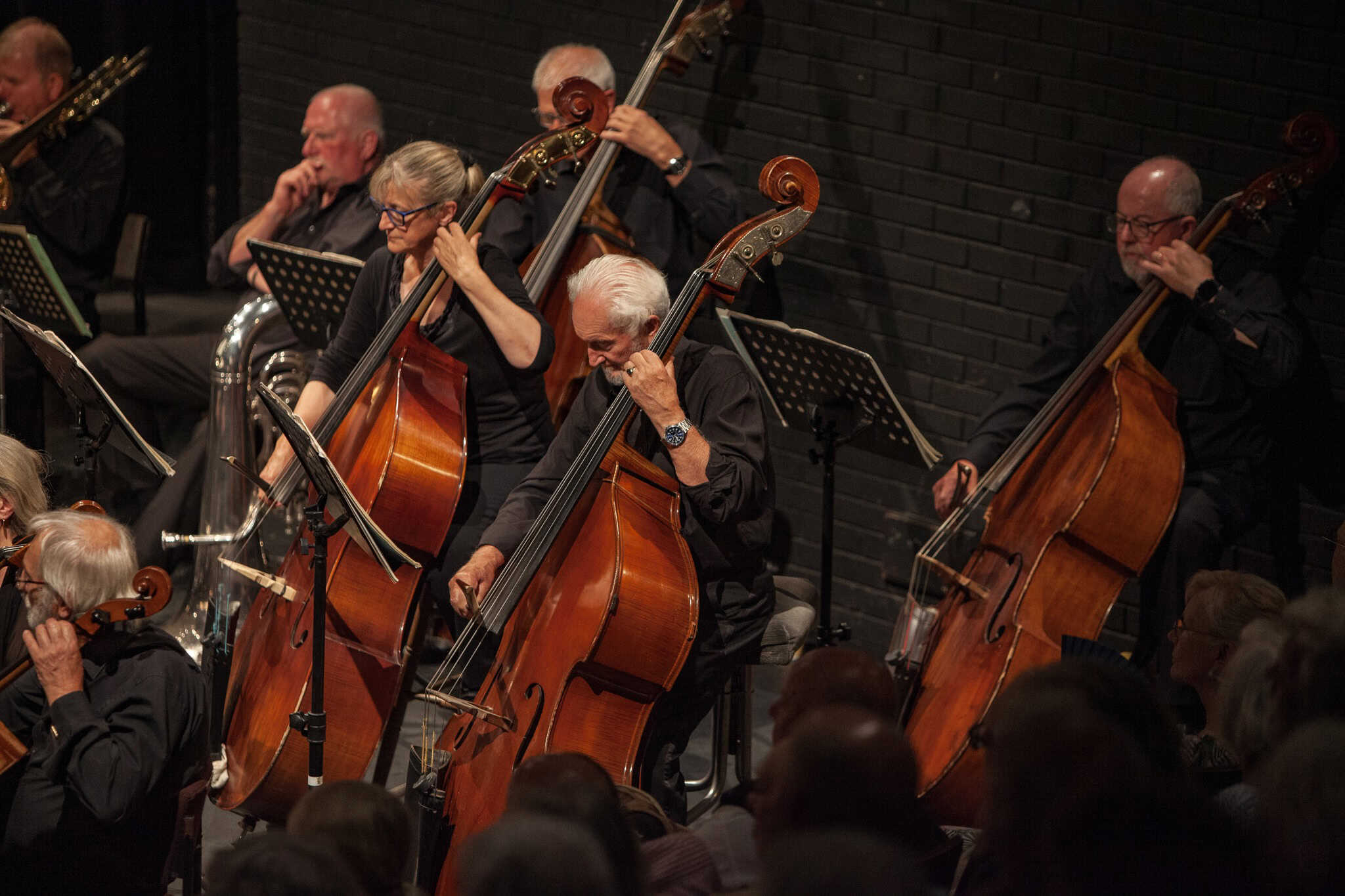
How is it possible that we’ve gone through another whole season of concerts by the Isle of Wight Symphony Orchestra again? It seems like only yesterday that I listened to their first concert, back in 2024, featuring Bruckner’s 4th Symphony. It seems like so long ago, and as if it were only yesterday. And now this year’s concerts have concluded, last Saturday, 5th July, at the Medina Theatre.
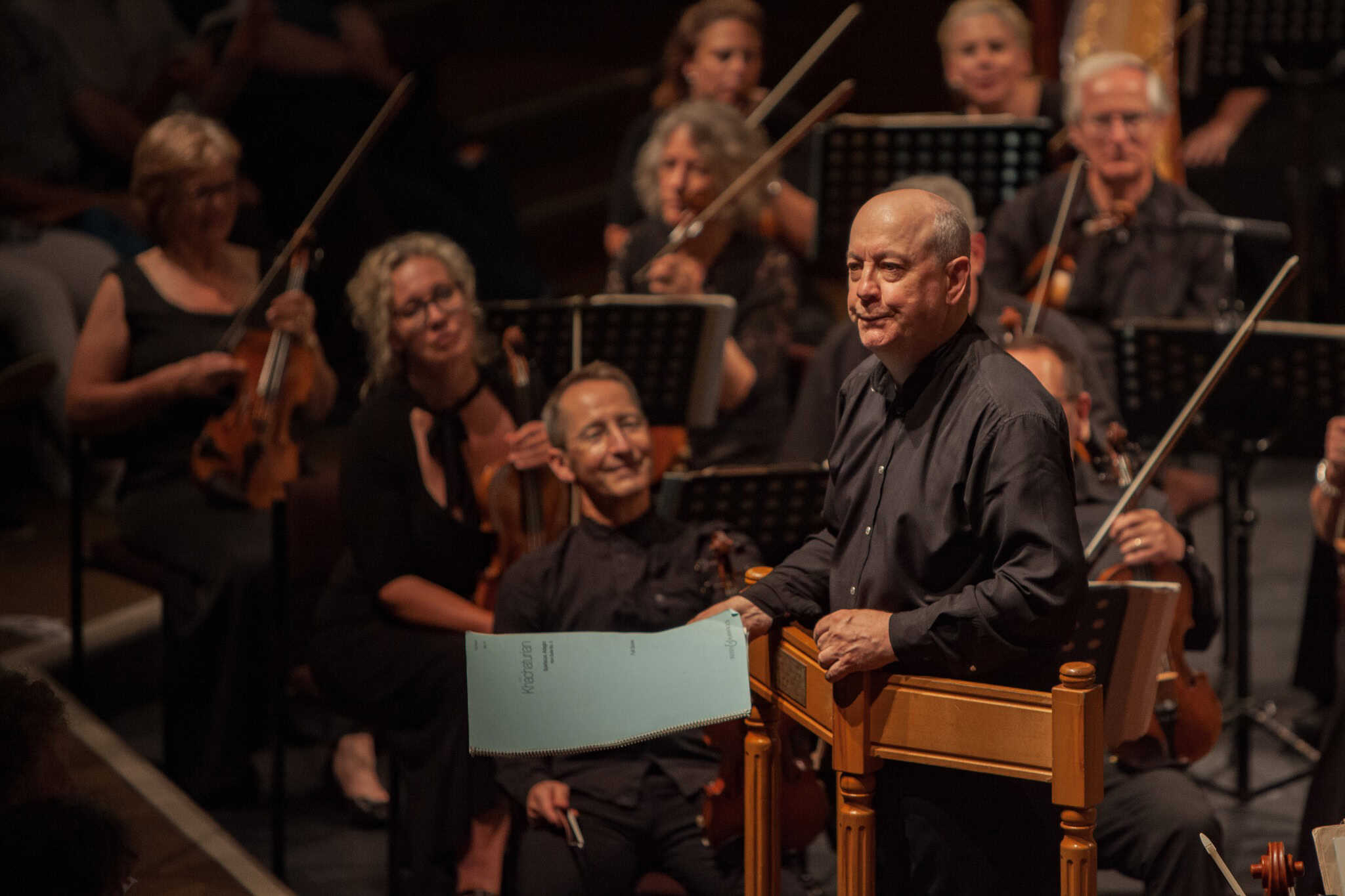
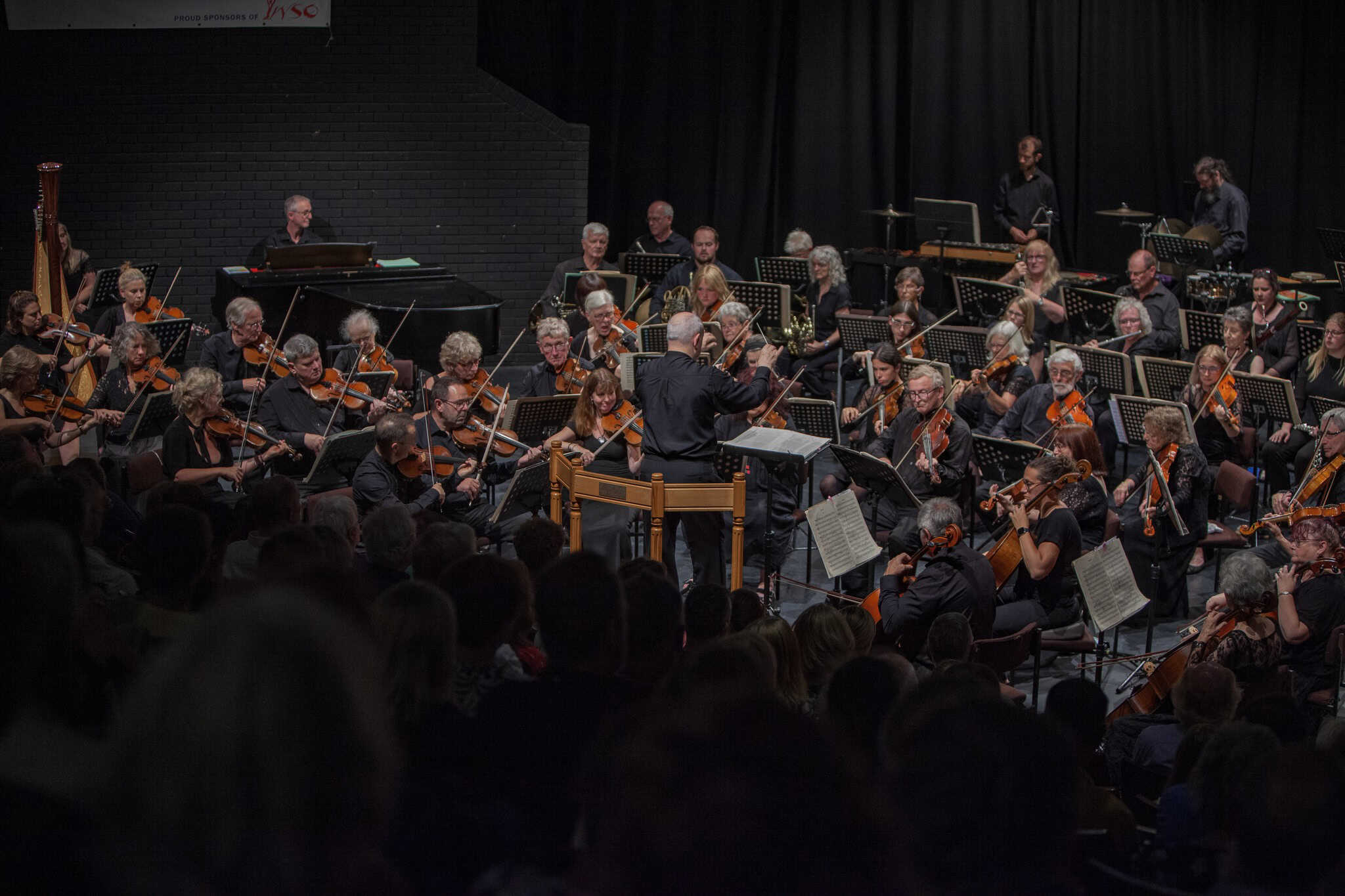
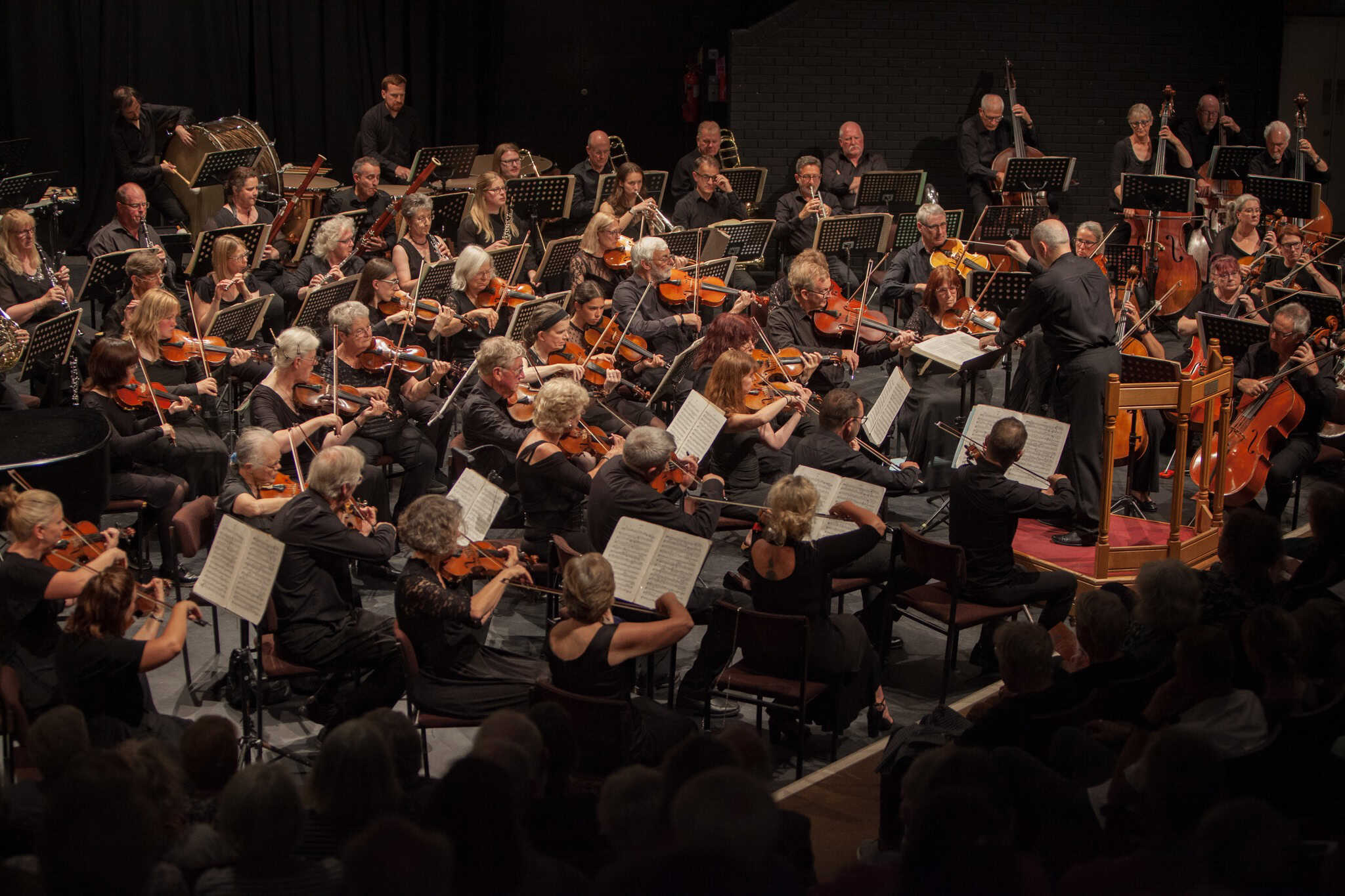
The house was, as always, packed, and the audience, perspiring slightly with the heat, assembled and ready. The orchestra had settled, and our esteemed conductor, Mr Jonathan Butcher, strode out to the podium. We were to be treated to several lovely pieces of dance music.
Weber’s Invitation to the Dance, orchestrated by Berlioz
Carl Maria von Weber wrote this originally in 1819 for piano solo, and dedicated it to his wife. Hector Berlioz admired it very much, and his orchestration was very popular, eventually being used in the ballet Le Spectre de la Rose.
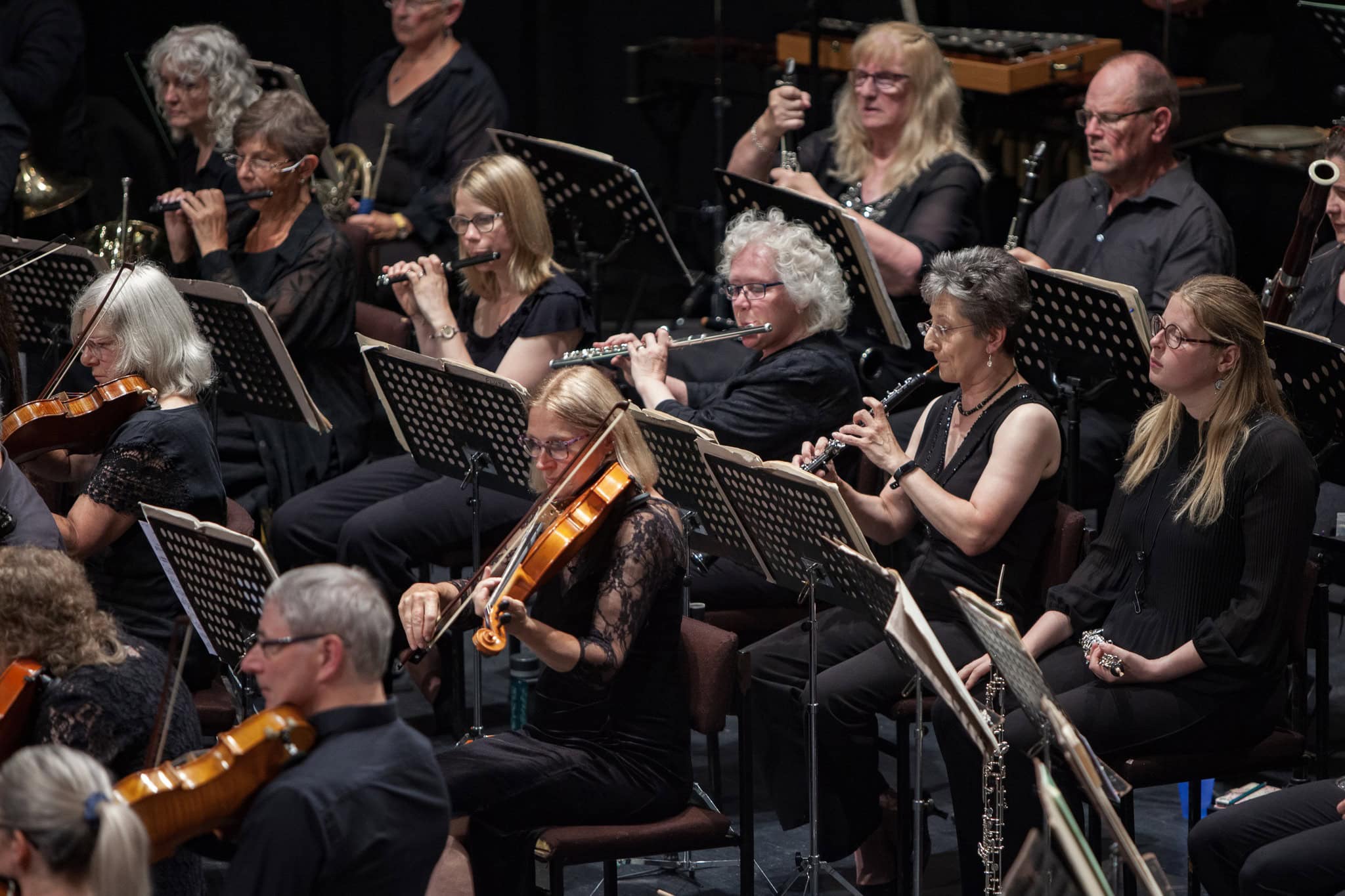
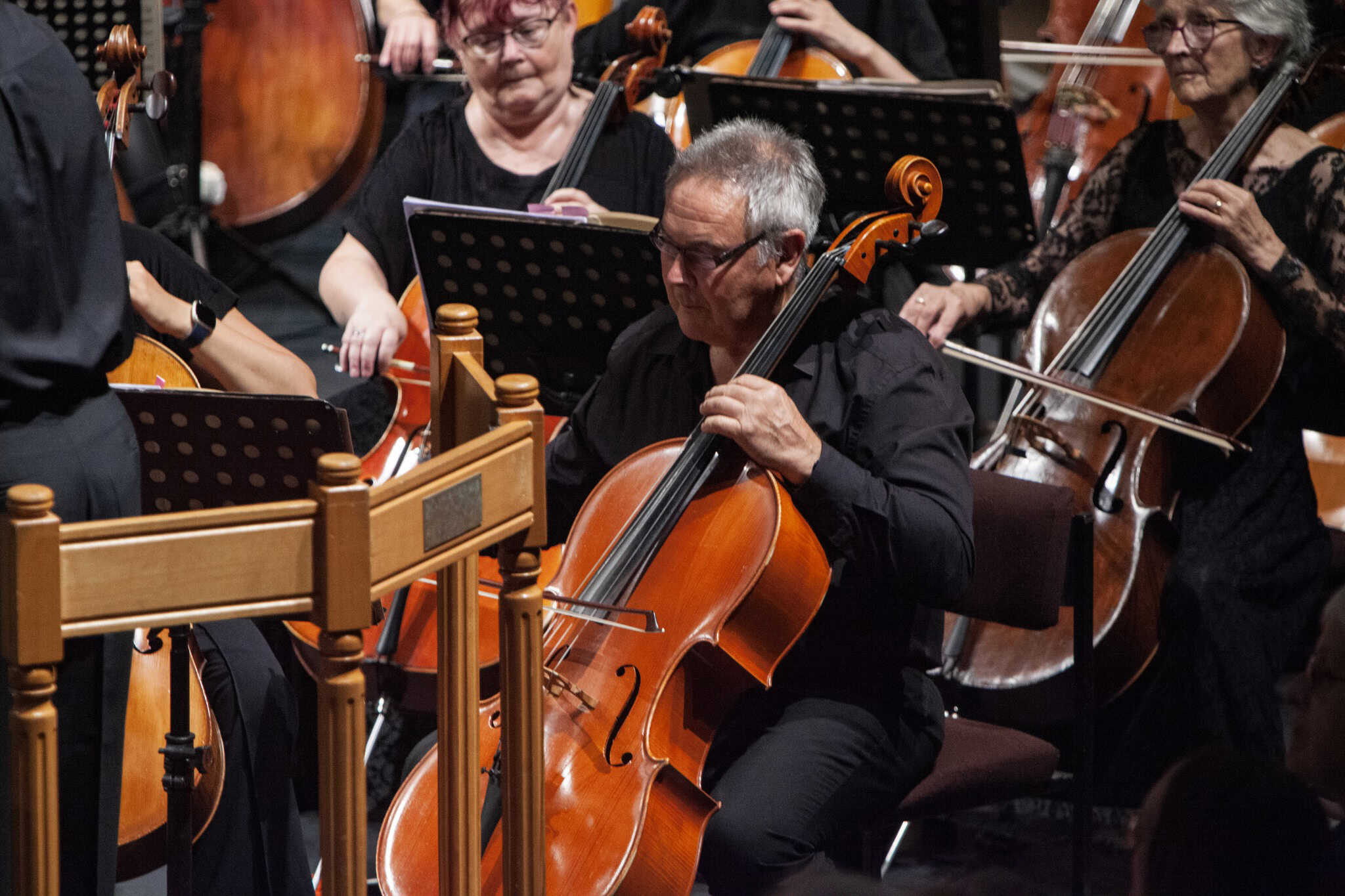
It begins and ends with a lovely solo on the cello, and bounds along with a vigorous waltz rhythm that is hard to resist, even for the most jaded of dancers. It was played with great gusto by the orchestra, and made for a splendid start to the programme.
Copland’s Appalachian Spring
In 1944 Aaron Copland was commissioned to write a ballet for the famous Martha Graham company, backed by the Singer Sewing Machine heiress Elizabeth Sprague Coolidge, for thirteen instruments. A year later he expanded the music into a suite for a symphony orchestra. It is a celebration of the life and values of the early pioneer farmers in the Appalachian Mountains, set in a wedding and housewarming party for a young couple on their new farm.
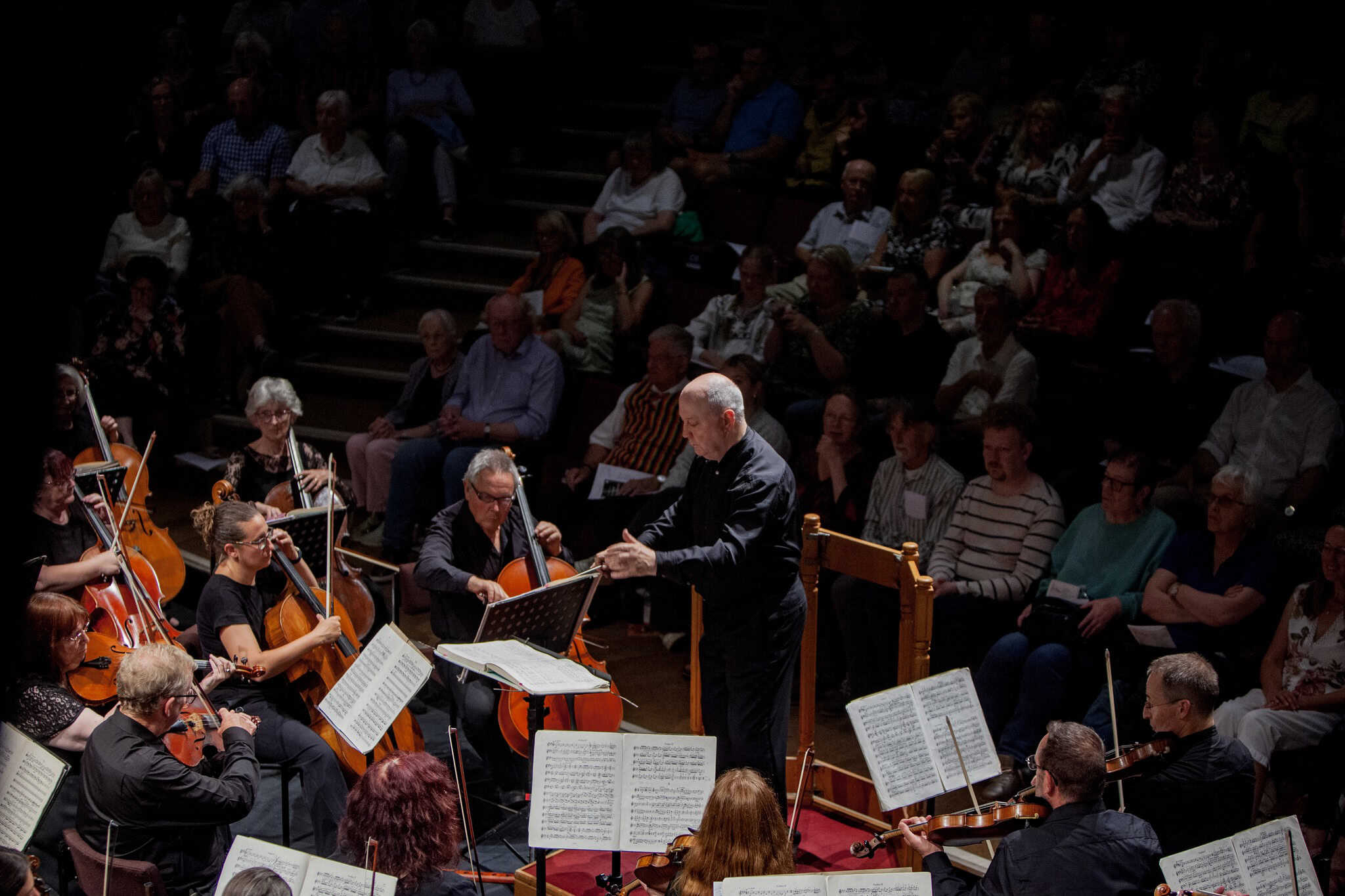
It conveys beautifully the landscape, and the hopes and fears of the new population, creating a life for themselves out of the wilderness.
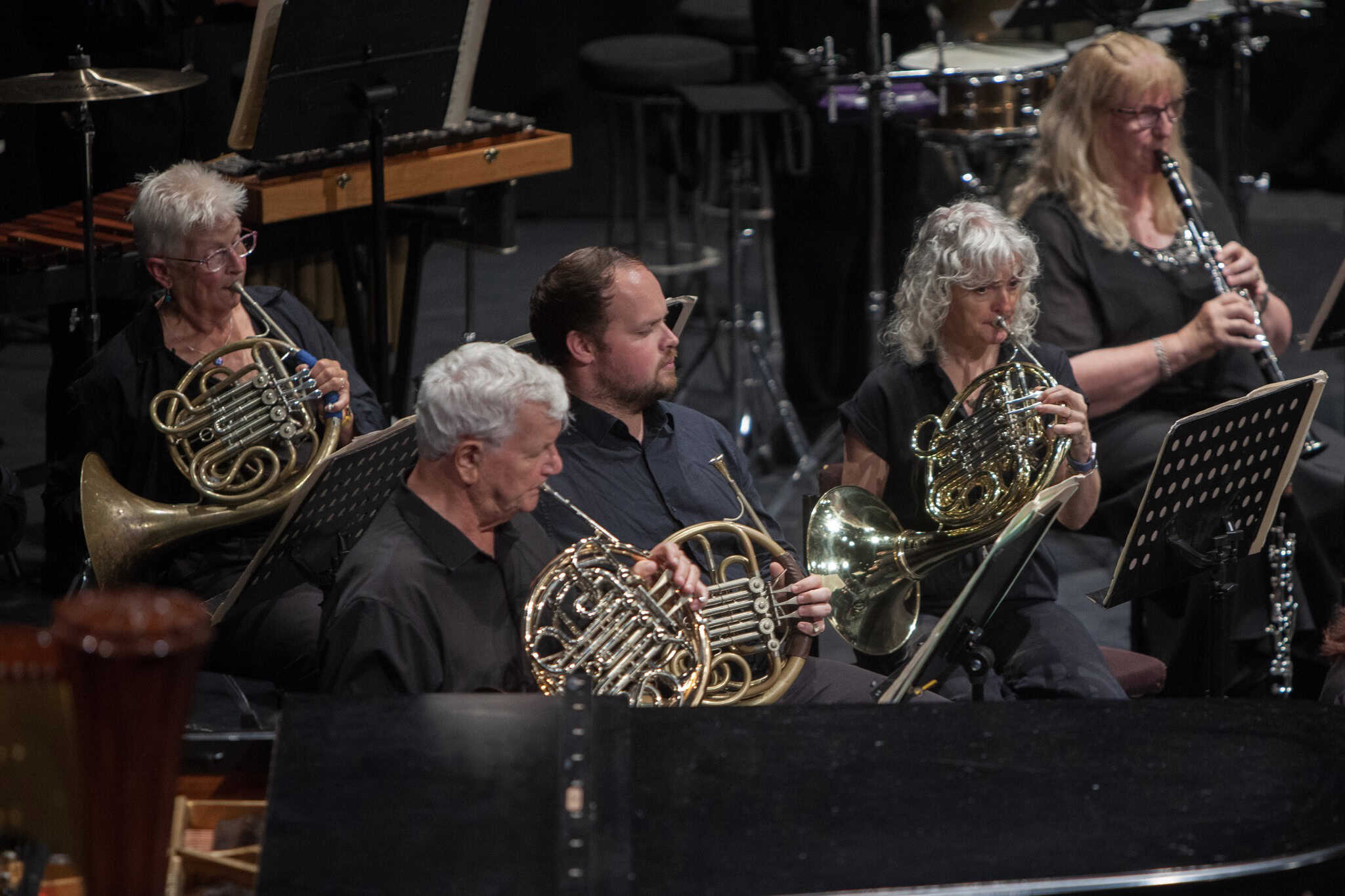
It starts very quietly, with the woodwinds leading and the strings providing a serene backdrop. The musical tone shifts from the solemnity of the wedding to the celebration, featuring gorgeous tunes and square dance music, and then shifts into a version of the Lord of the Dance, an old Shaker melody, before settling down to leave the couple alone, ready to make their lives.
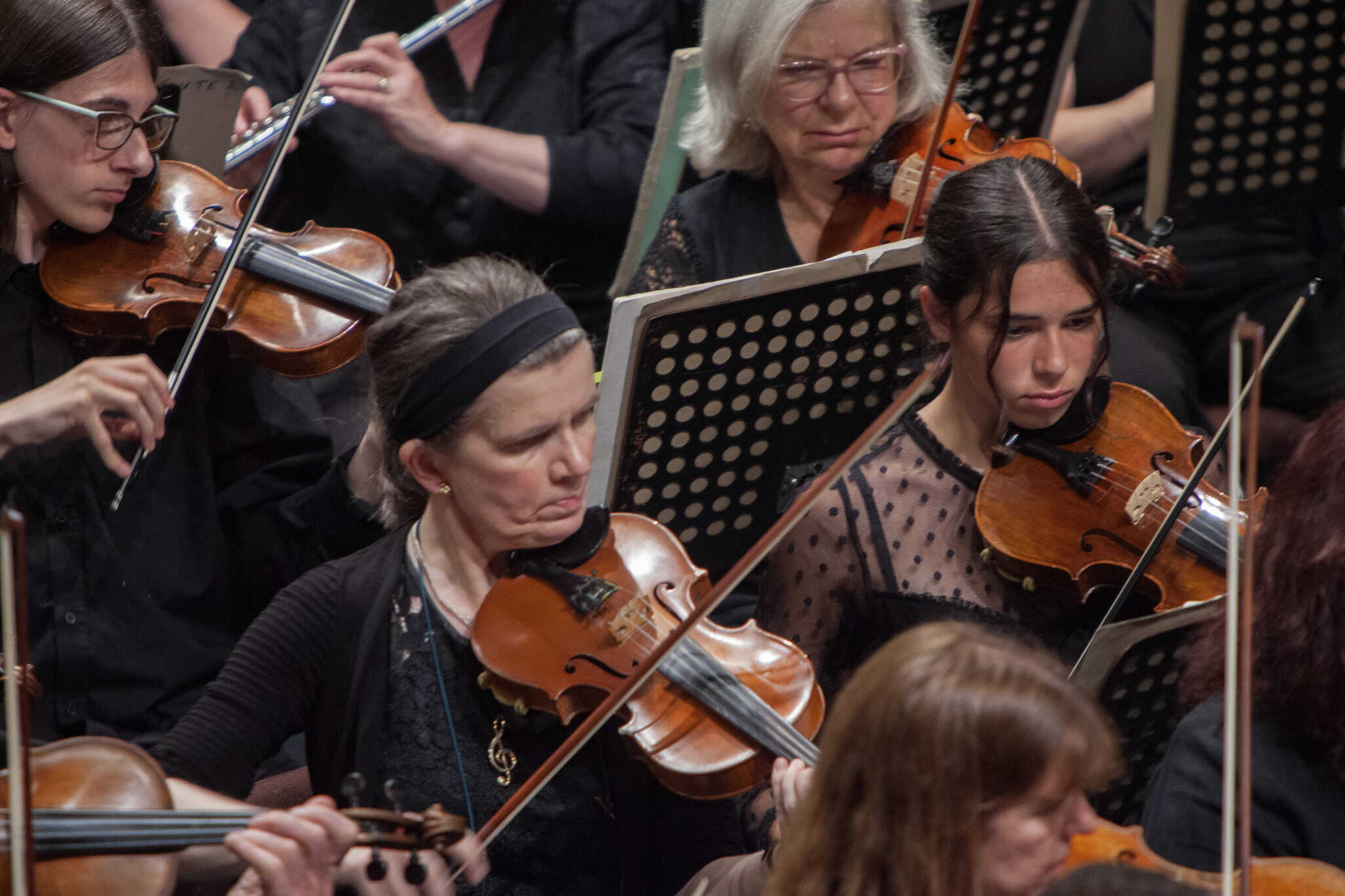
The music is simple, yet spiky, vigorous and memorable, conveying the mixed emotions of the event and their lives, and was beautifully played. I was struck by how influential this music has been, because I kept noticing echoes of it in most of the American films I’ve seen, and I was filled with wonder as I listened, transported back two centuries to a land newly populated and filled with hope for new beginnings and open skies and new challenges. It was lovely, and very moving. Thank you all.
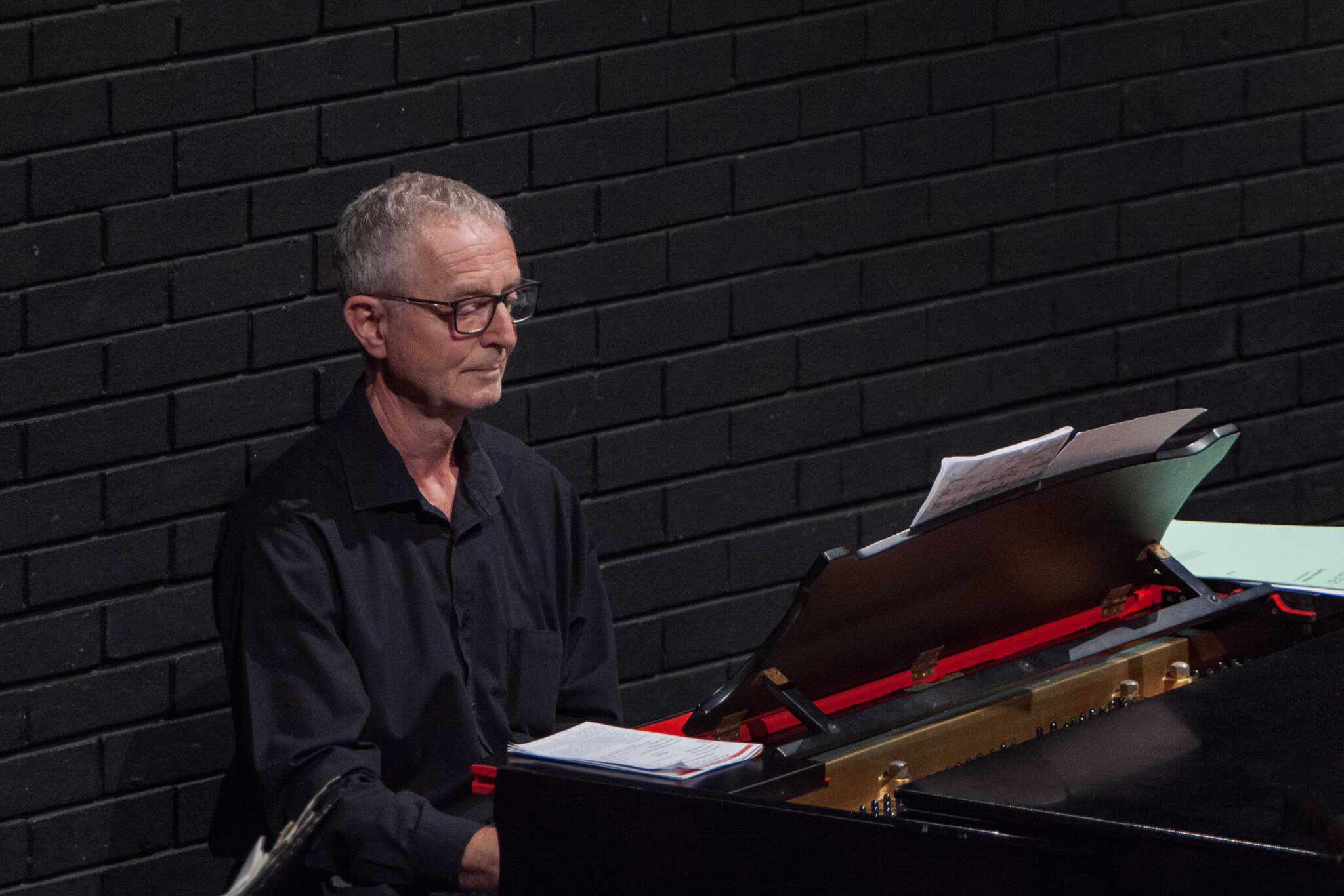
La Fille Mal Gardée, by Ferdinand Hérold
Hérold wrote numerous operas and ballets in the early 19th century, and is known as a pioneer and influencer of the forms, establishing forms and standards, later taken up by numerous composers. We were treated to a version of the famous ‘Clog Dance’, in the version of the score revised in 1959 for Frederick Ashton, by John Lanchbery in 1959.
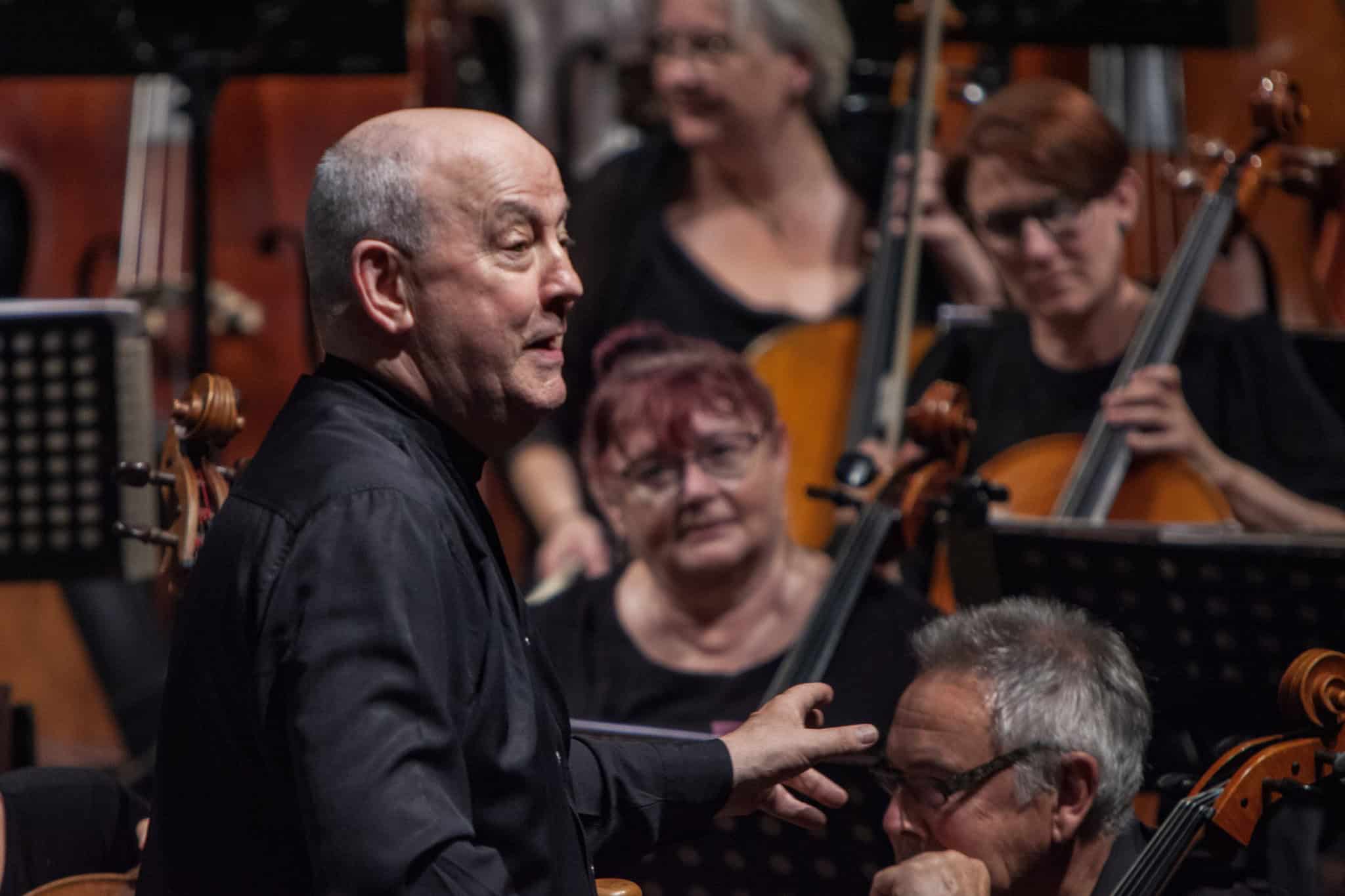
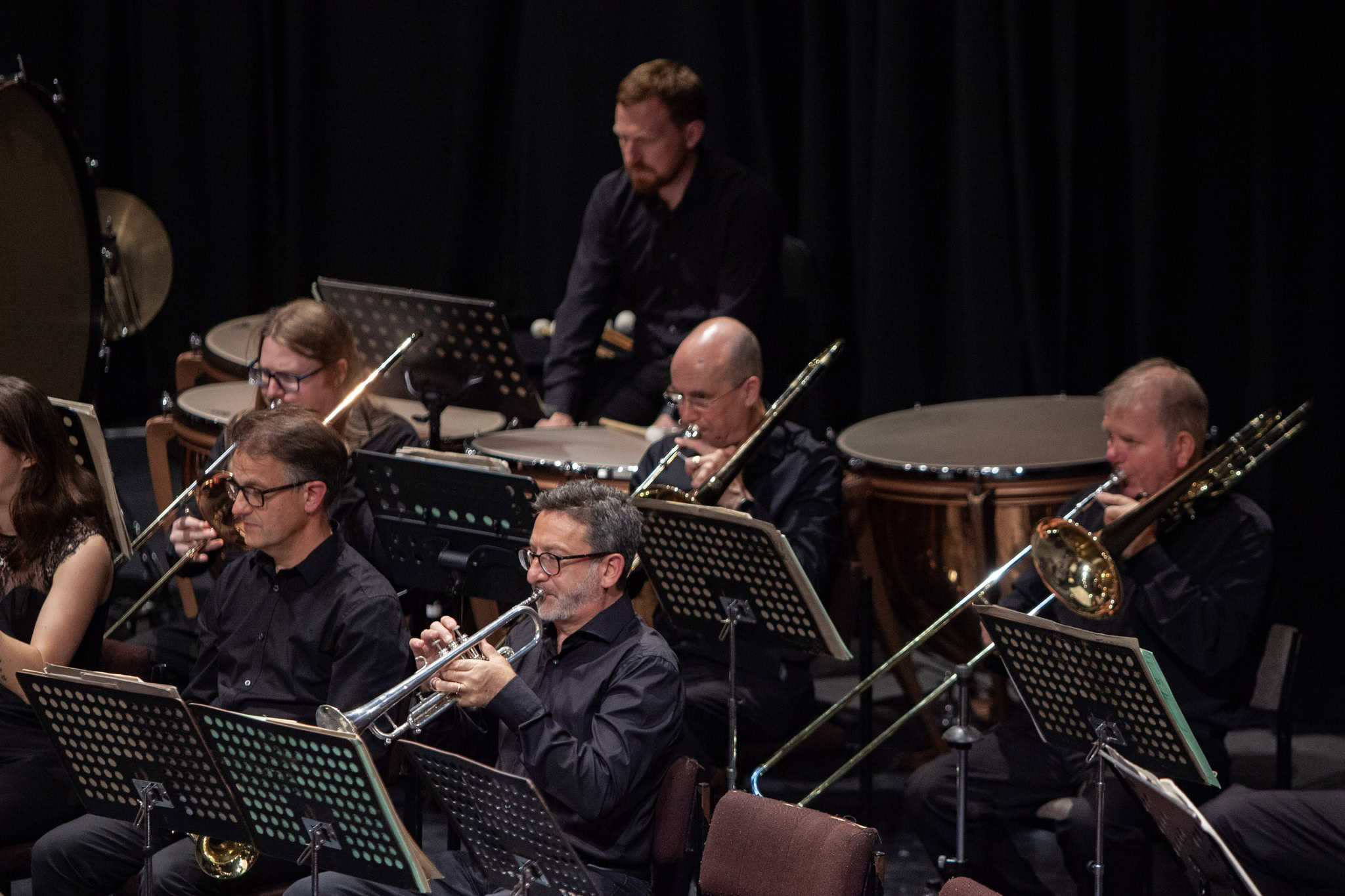
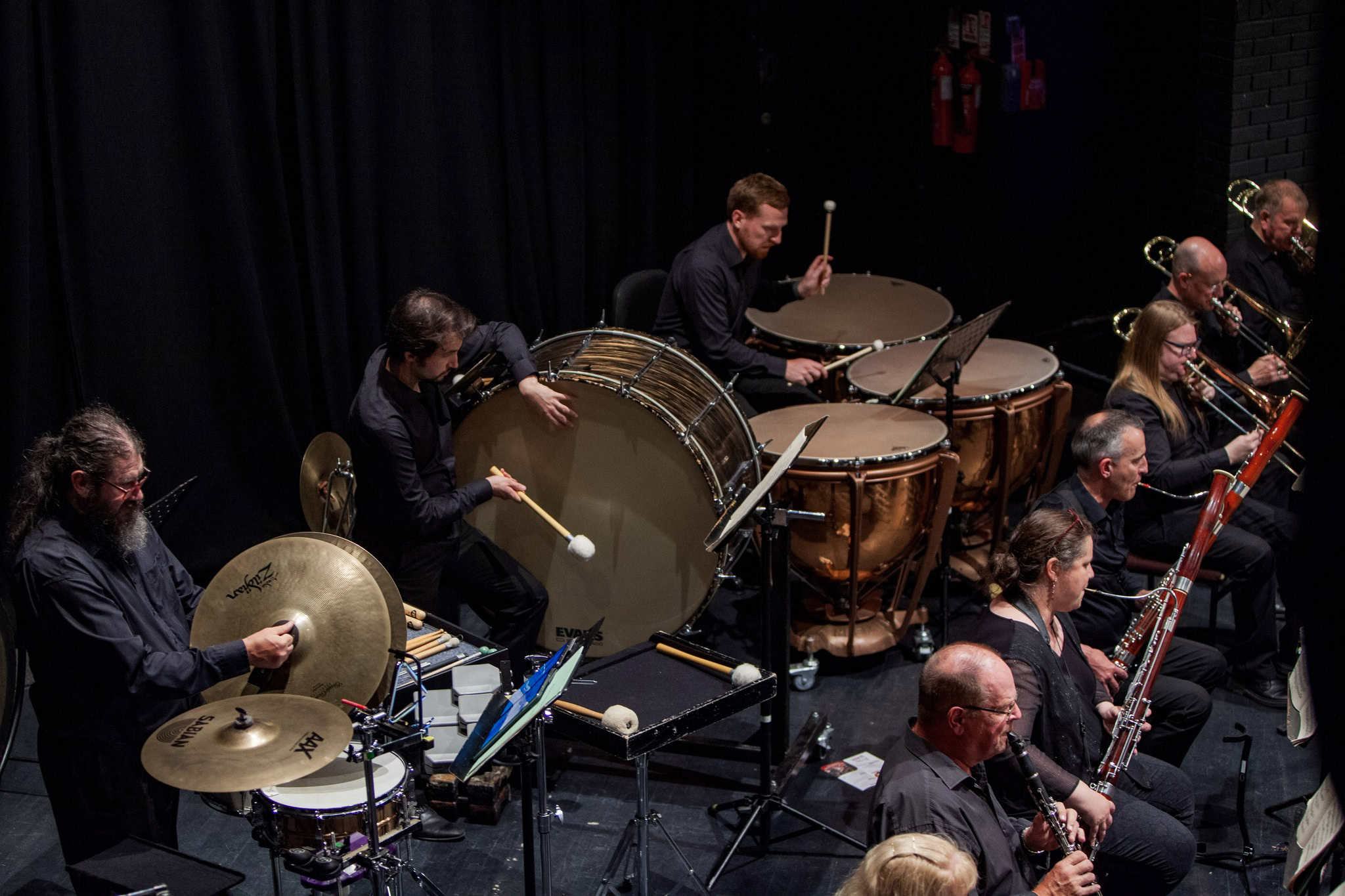
It is a delight, with a lyrical tune upfront, continually circling around itself, and some lively percussion illustrating the clog sounds themselves, by a member of the Percussion section whose name I do not know, but I wish to commend him for not only the precision of his playing, but also for his obvious delight in it. Excellent.
Slavonic Dances 3 and 8 by Dvorak
After the interval, needed so the doors could be opened and lots of liquids and ice creams consumed because of the extraordinary heat, everyone settled down to the second part of the concert. The orchestra played two of Antonin Dvorak’s Slavonic Dances numbers 3 and 8.
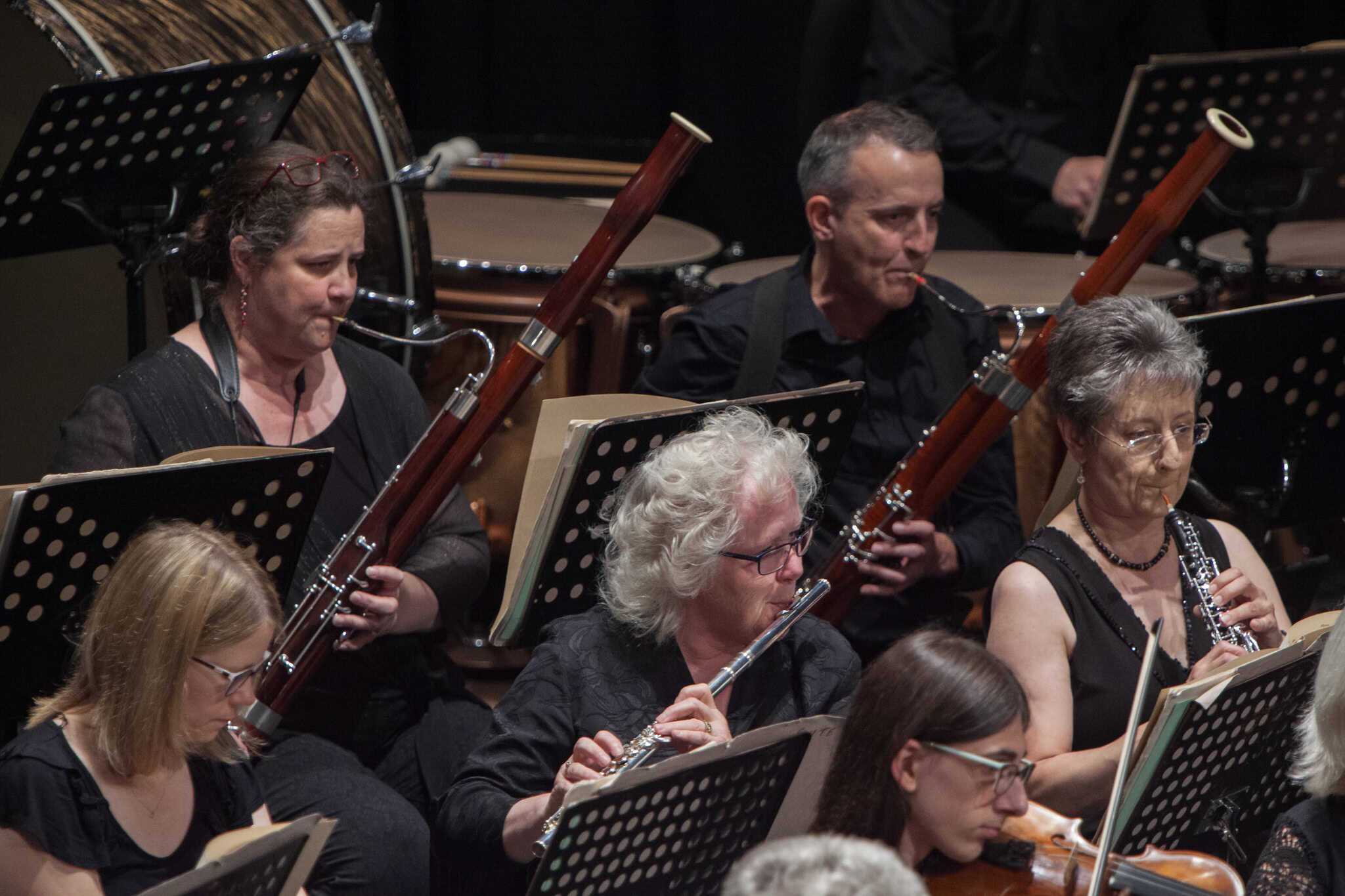
Dvorak originally wrote these in 1878 for piano duo, reflecting the increasing popularity of pieces for people to buy and play themselves in their homes. The whole suite became very popular, and helped establish his career. Only one of the dances, the second, was actually Serbian, the rest originating in Bohemia. Dvorak wrote them as vigorous dance melodies, with lots of energy and character.
No. 3 is described as a Polka, and runs along smoothly and enjoyably, and I was listening trying to imagine numerous dancers exhausting themselves to it. Perfect. No. 8 is described as ‘Furiant’, and cracks on at a terrific pace. I’m sure I’d have retired early, thoroughly exhausted. The orchestra played it magnificently, at great speed, and furiously. I loved it.
Adagio from Spartacus, by Aram Khachaturian
Mr Butcher pronounced this composer’s name precisely for us, but I have to confess I have lost it. Armenian was never one of my best subjects. It sounded like a very elegant somewhat muffled sneeze. The music, though, is instantly recognisable, as sometimes great music is brought to the public’s attention for the theme music of TV series. This was instantly recognisable through its connection to the Onedin Line, and its popularity has outlasted the production by a mile.
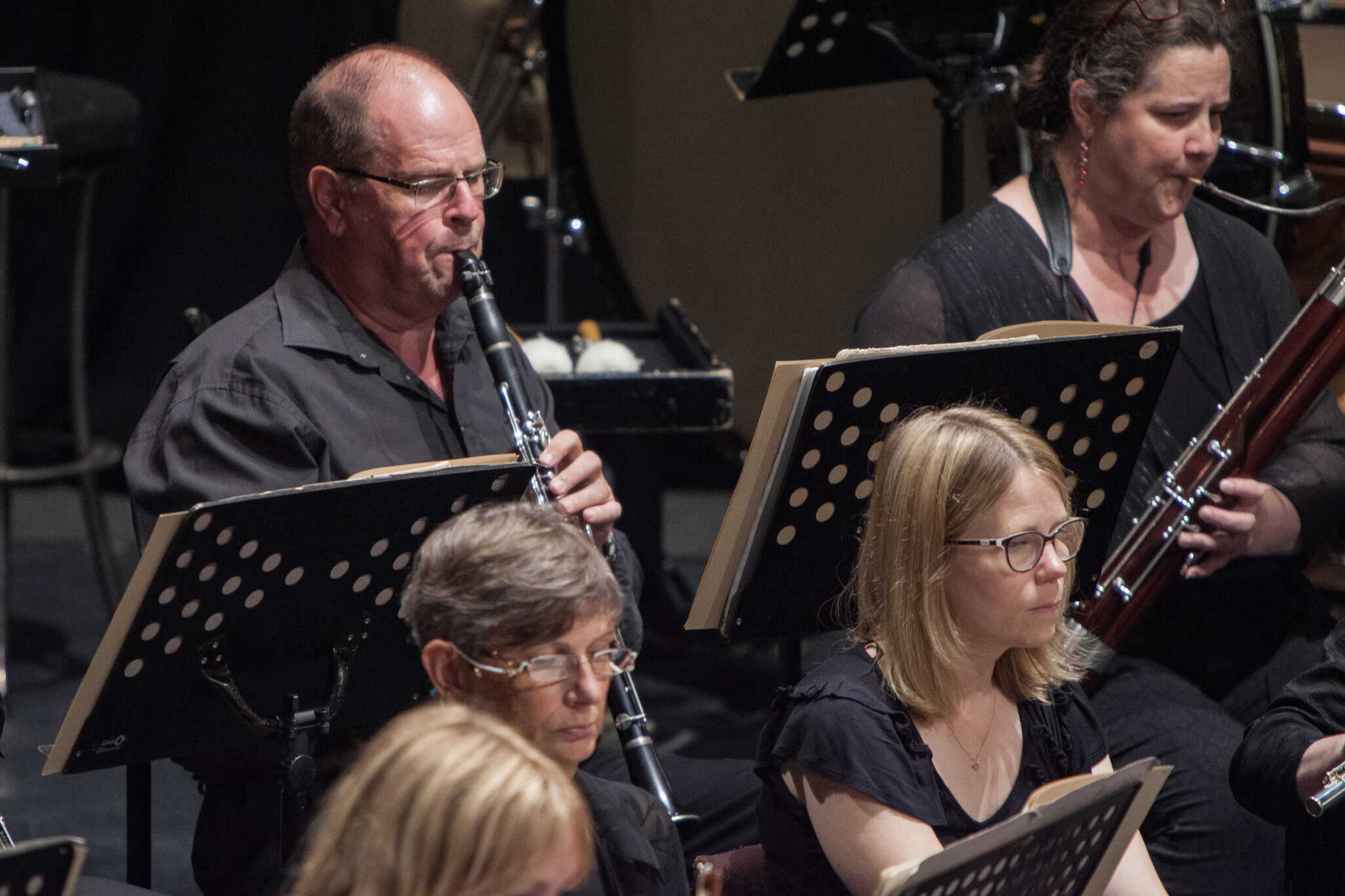
Khachaturian lived in Armenia, which for much of his life subsumed into the USSR, and he worked for many years under the shadow of Josef Stalin. He won the Stalin Prize twice, but was condemned, along with Prokofiev, for anti-popular trends and bourgeois formalism.
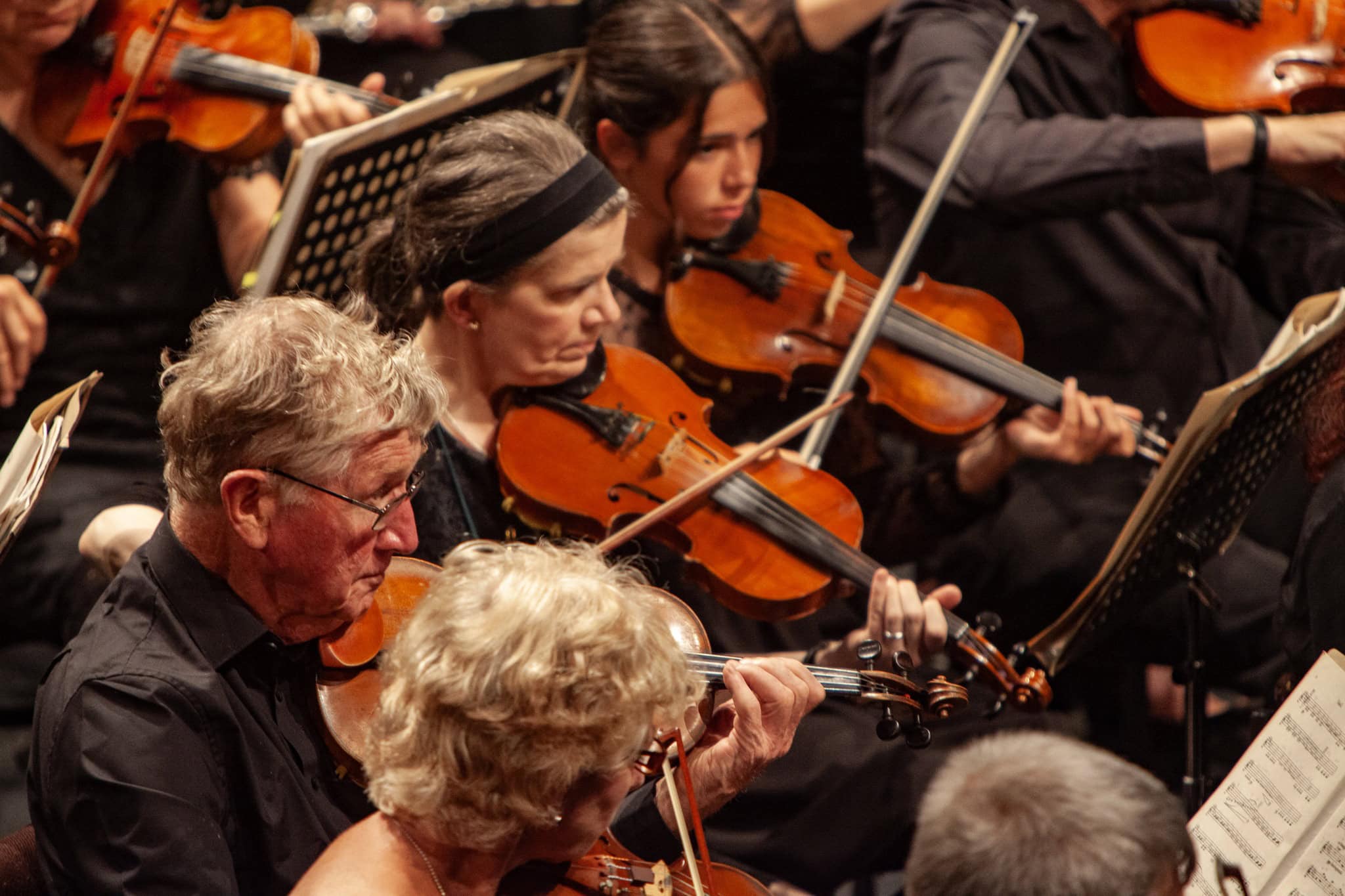
After Stalin’s death, he was reinstated. He wrote two ballets, firstly Gayane, which contained the famous ‘Sabre Dance’, and Spartacus, the adagio of which became the theme tune for the Onedin Line, despite being about a slave revolt in ancient Rome. His life was full of dangers and contradictions.
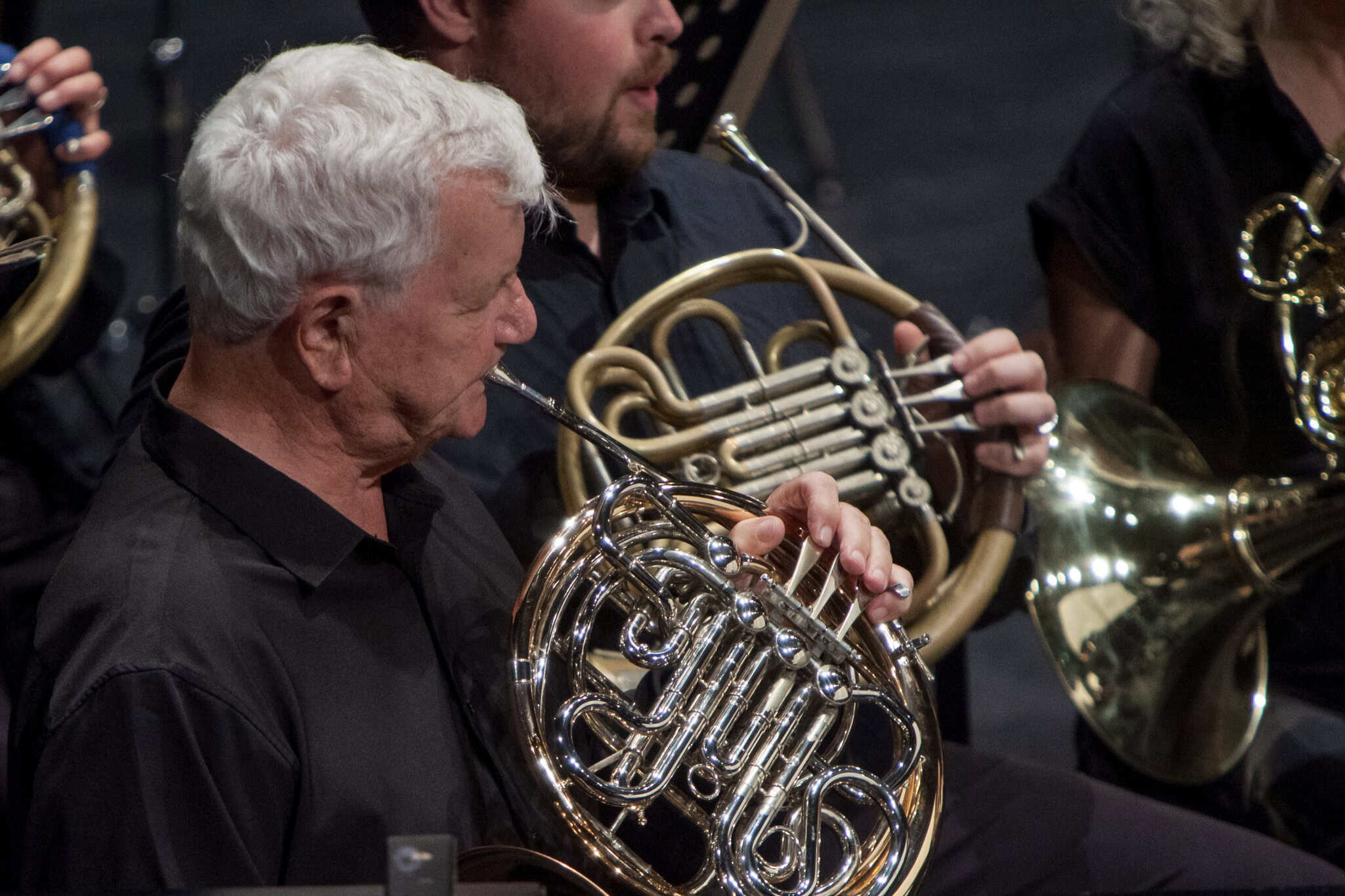
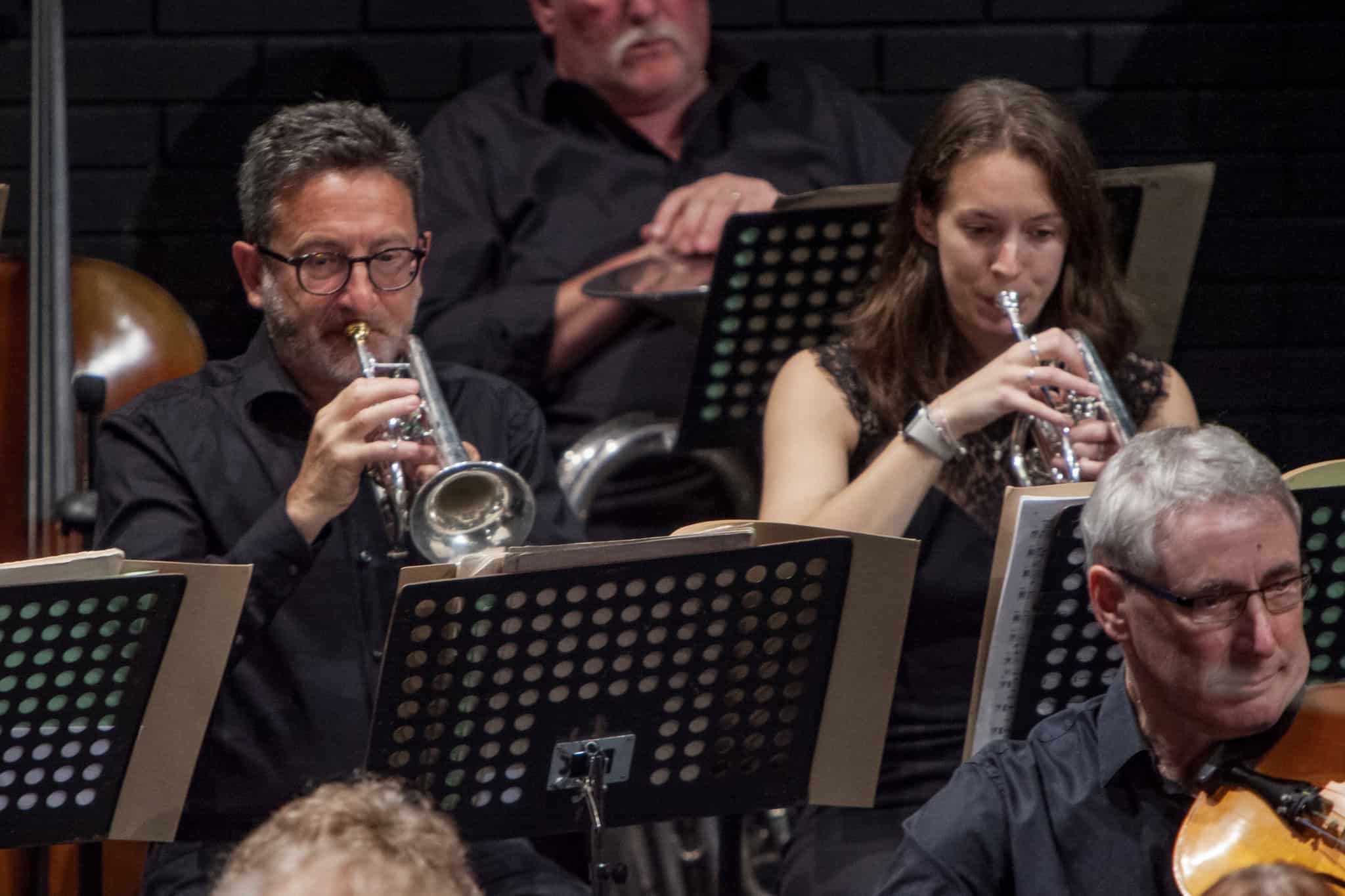
The adagio begins quietly and moodily, featuring woodwind instruments and strings, filled with Khachaturian’s swirling themes, and swells to a thrilling passage that contains its major theme, played with a soaring trumpet over what could be interpreted as a stormy sea, and its lovely haunting ending is memorable and filled with wonder and hope. Beautifully played.
Pineapple Poll
There are two kinds of people in the world. Gilbert and Sullivan fans and everyone else. I confess that I do remember some of the tunes, and I loved the wonderful film ‘Topsy Turvy’, but I have never been sufficiently lured into their world. I can only apologise for this. Please don’t hate me. I had never heard of Pineapple Poll either, but was sufficiently intrigued to be looking forward to listening to it at the concert.
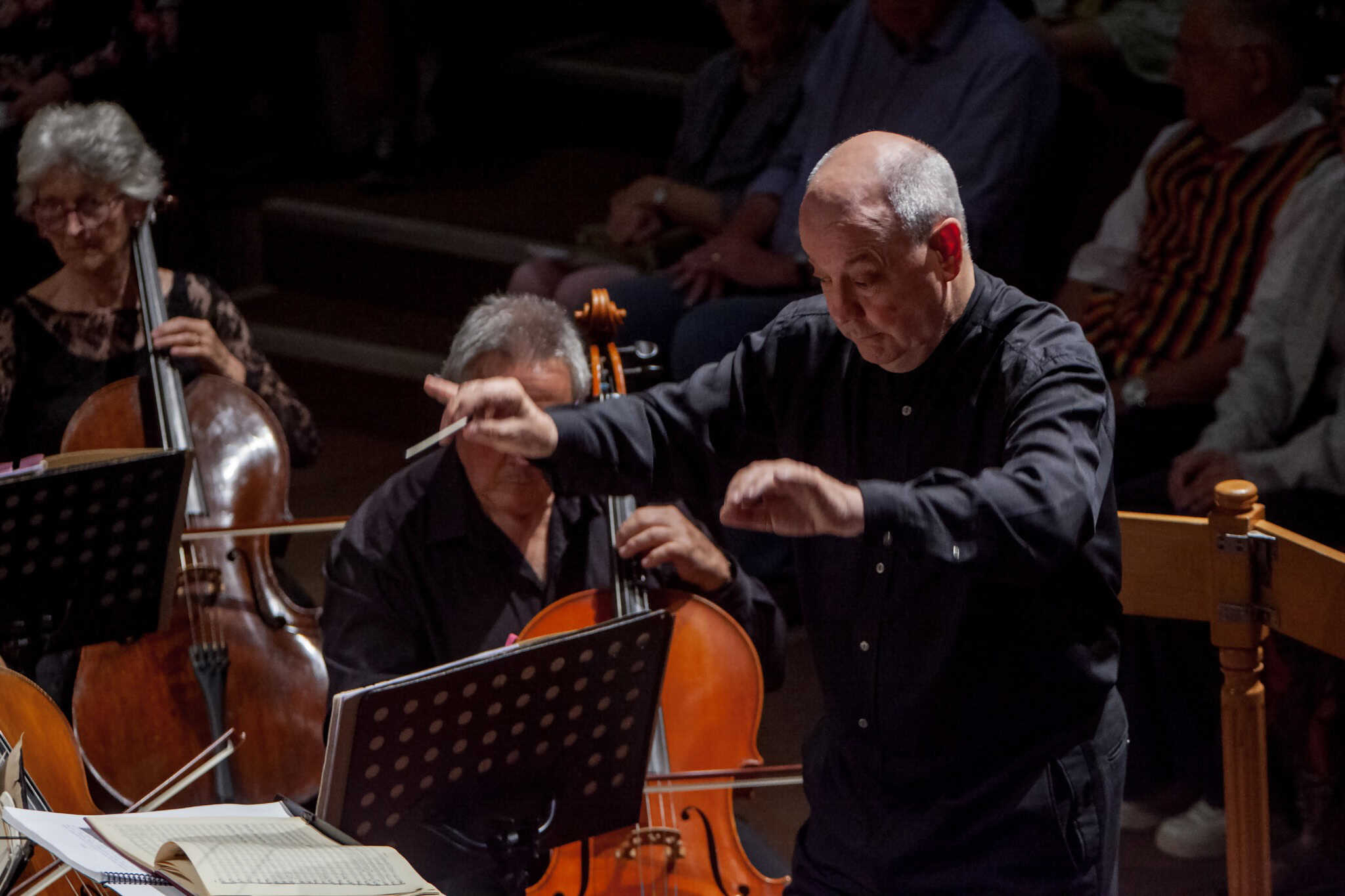
Mr Butcher explained that it’s what would now be called a ‘mash-up’ of a large number of the most famous and popular tunes from the complete output of Sullivan, without the words of Gilbert.
This extraordinary piece of music came a confluence of factors. The expiry of the copyright in 1950, the Festival of Britain, and the enthusiasm of Charles Mackerras, who stitched it all together in a supreme work of fandom. When it was performed in 1951 at Sadler’s Wells, it was a huge success, and remains popular to this day.
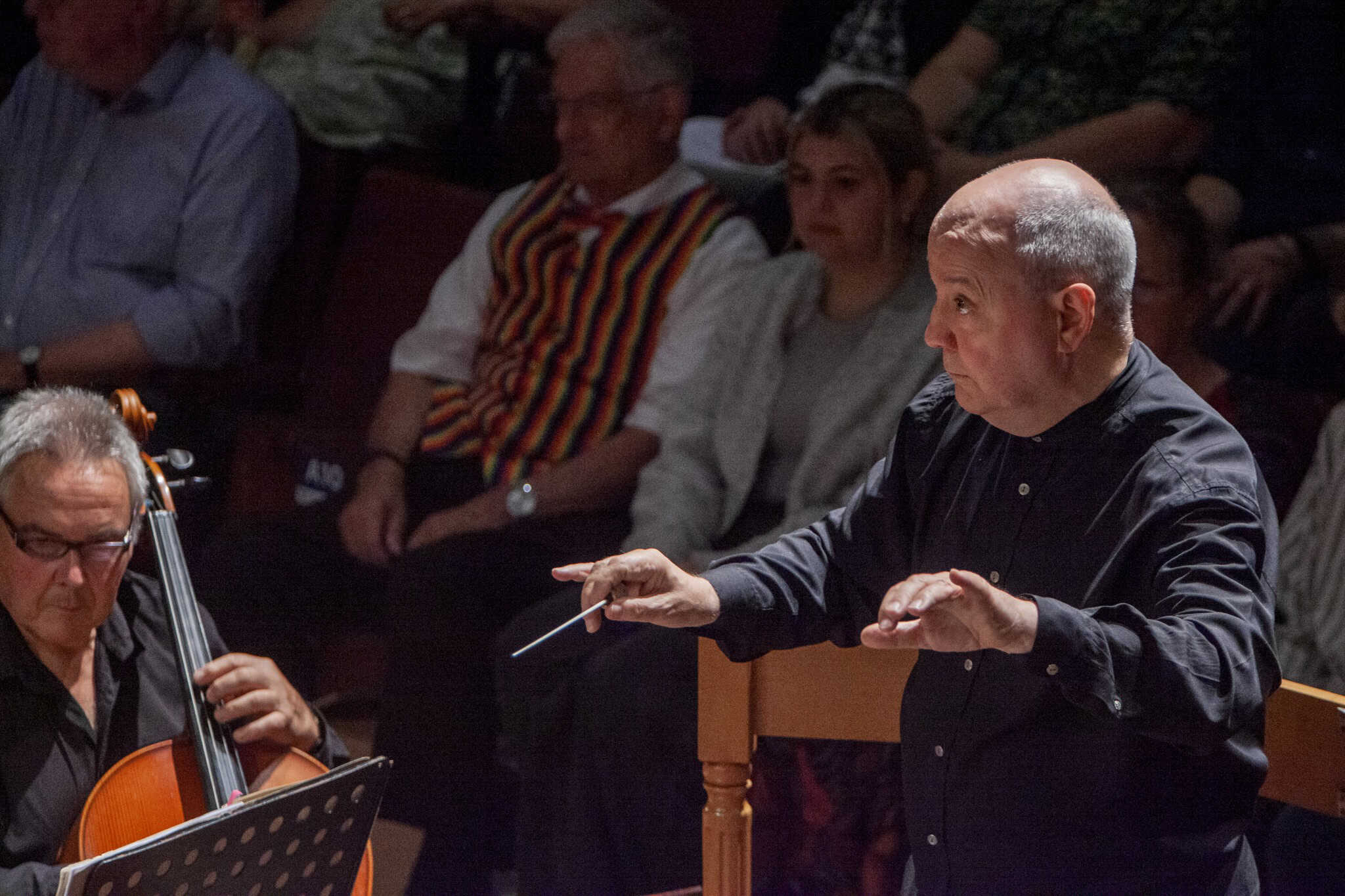
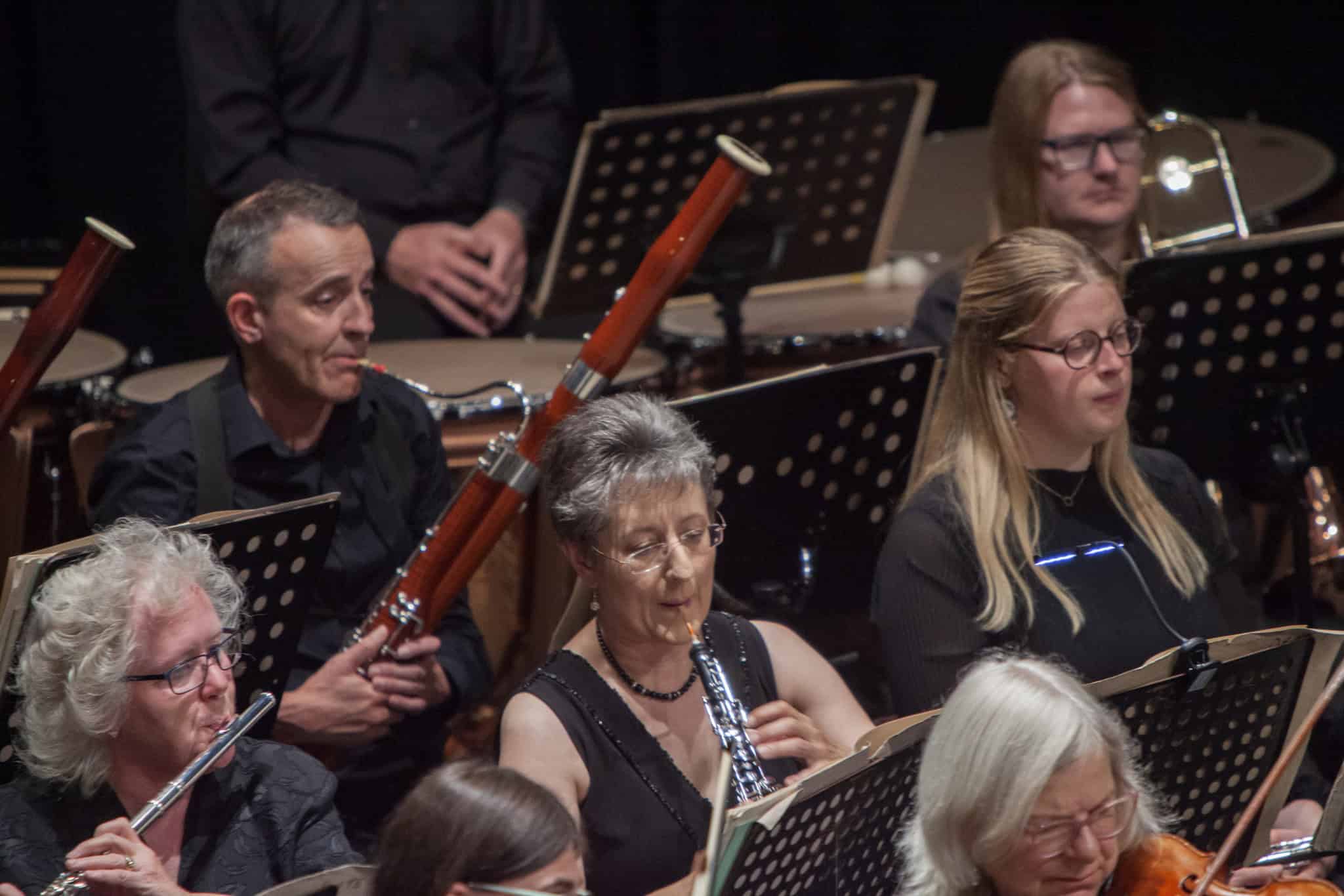
I didn’t try to recognise tunes from the original works as they whizzed past me in miraculous order as if written in that way, but I was transported by the sheer volume of melodies and the speed and clarity of the playing. I couldn’t spot the joins, and it was so thumpingly enthusiastic that I was carried away by its bounce and sheer joy.
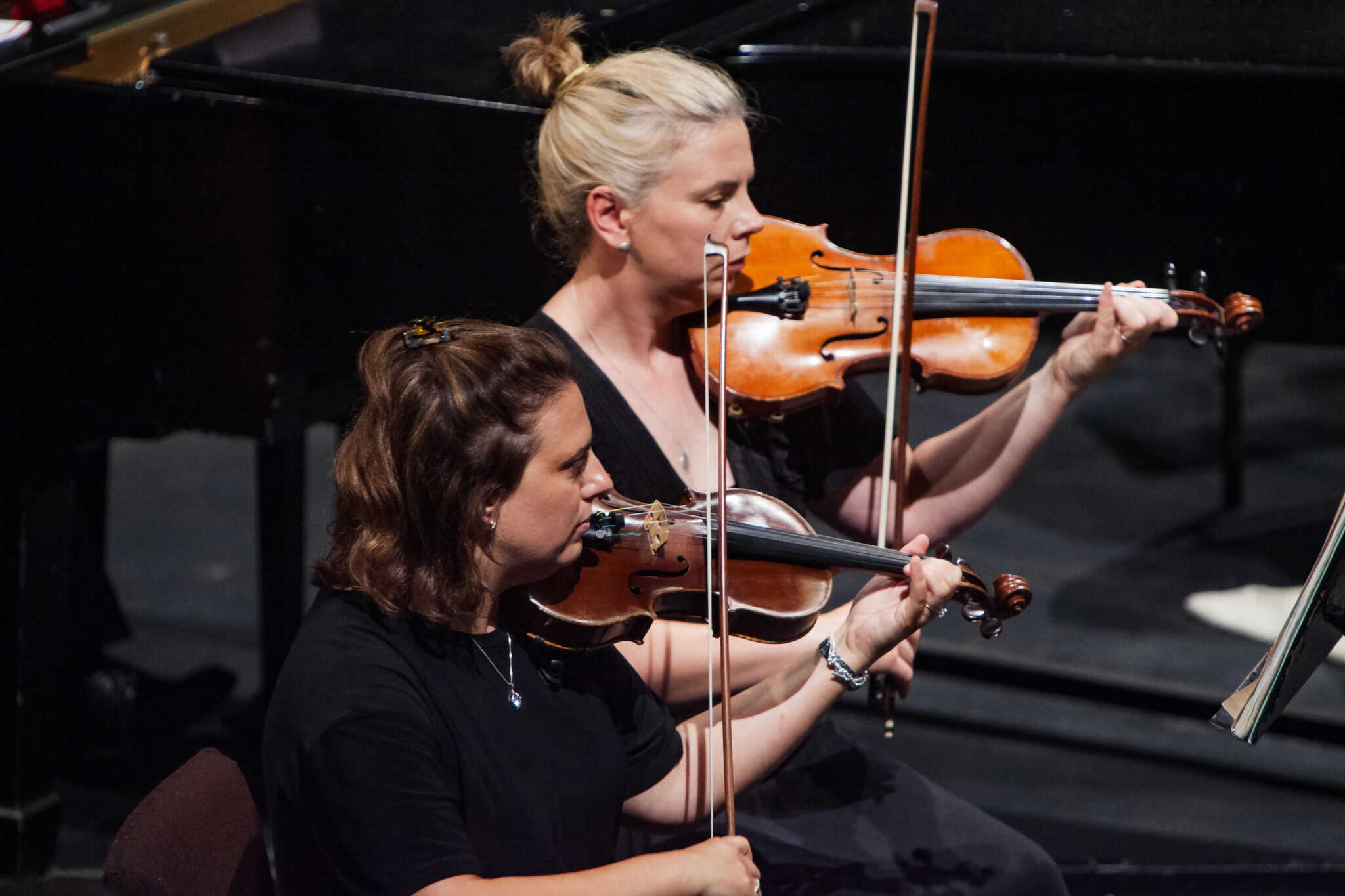
The orchestra played like maniacs, and I have no idea how they managed to keep up with each other. The whole thing was conducted with panache by Mr Butcher, and I had the sense that everyone, orchestra and audience, were all hurling themselves along, like the customers on a roller coaster.
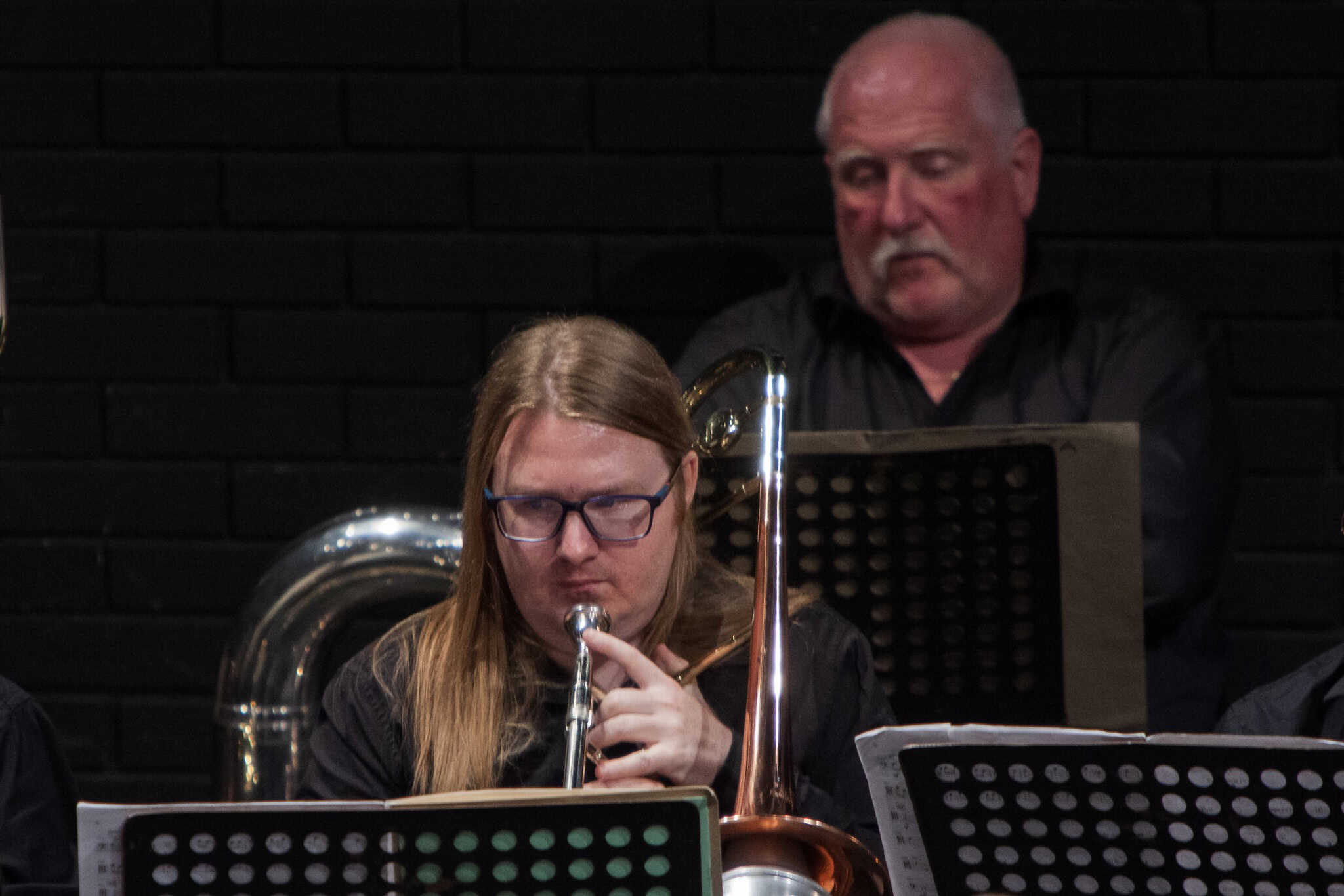
It was exciting, dizzying, and vigorous. I couldn’t not like it, and I shall always remember it. I will also remember the faces of the musicians, when Mr Butcher suggested replaying the thunderous ending again. And what a thunderous ending it was! You had to be there. Well done everyone. Have a good rest. You earned it.
Next Season
The new IWSO concert season starts on Saturday 1st November 2025 at 7:15pm, at the Medina Theatre as always.
There will be a wonderful mix of music, far too much to list here. I’m looking forward to Elgar’s Symphony No. 1, and Clara Schumann’s Piano Concerto. There’s also a trumpet concerto by Hummel, more Dvorak and Berlioz. And Bruch’s Violin Concerto, a real favourite of mine, together with Sibelius’s Symphony No. 1. We’ll have more Copland, the Fanfare for the Common Man, and some John Williams. And some singing.
There should be something for everyone, and it promises to be a humdinger of a season, so get your tickets as soon as possible. You won’t regret it. I’ll be there.
See you then!