Jonathan Dodd shares his review of the latest Isle of Wight Symphony Orchestra (IWSO) concert. Images with kind permission of Allan Marsh. Ed
I was very sorry to miss the first Isle of Wight Symphony Orchestra concert in November, so I was doubly determined not to miss the first concert of 2026, on Saturday 17th January, at the Medina Theatre.
The evening was uncharacteristically mild and dry for this most unseasonable of months, and the crowds of eager audience members were already queueing at the doors. The concert was going to be extraordinary and memorable, for several reasons, not least because all the music about to be performed was composed by women.
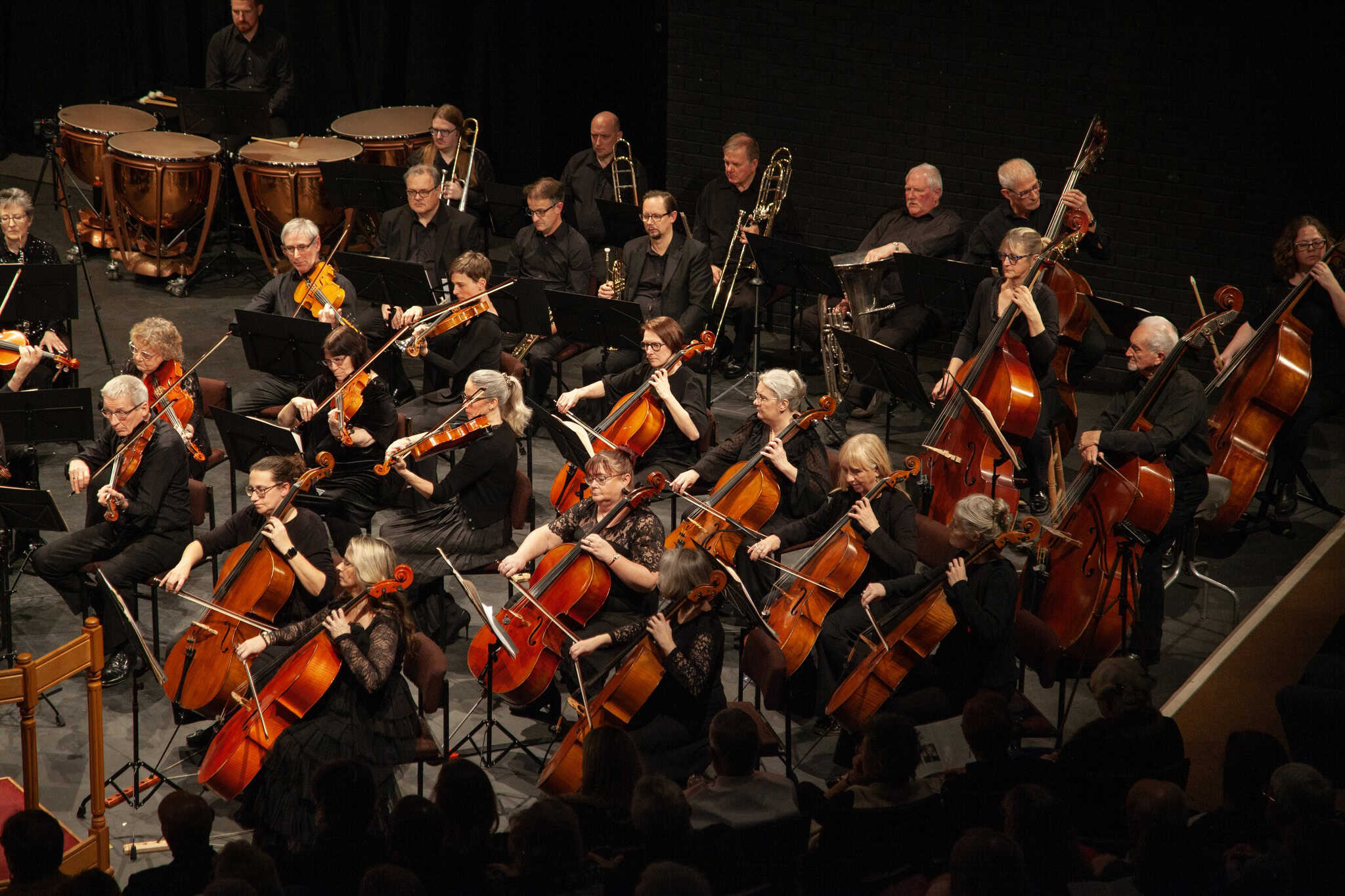
It is a harsh truth that women outnumber men in our population, and also in our venerable Island orchestra, and yet the overwhelming majority of classical music was written, and mostly performed, by men.
I know that women were not given the opportunities to develop their musical skills in the past, and that there has been much improvement in recent years to begin to redress that terrible imbalance, but this was my first opportunity to go to a concert where the works of women composers filled the programme. Well done to the IWSO! And what a concert they provided for us!
Proud Thames
The first item was the Overture ‘Proud Thames’, by Elizabeth Maconchy. It was written in 1952 for the London County Council competition to mark the coronation of Queen Elizabeth II, and first performed at the Royal Festival Hall as part of the Festival of Britain in 1953.
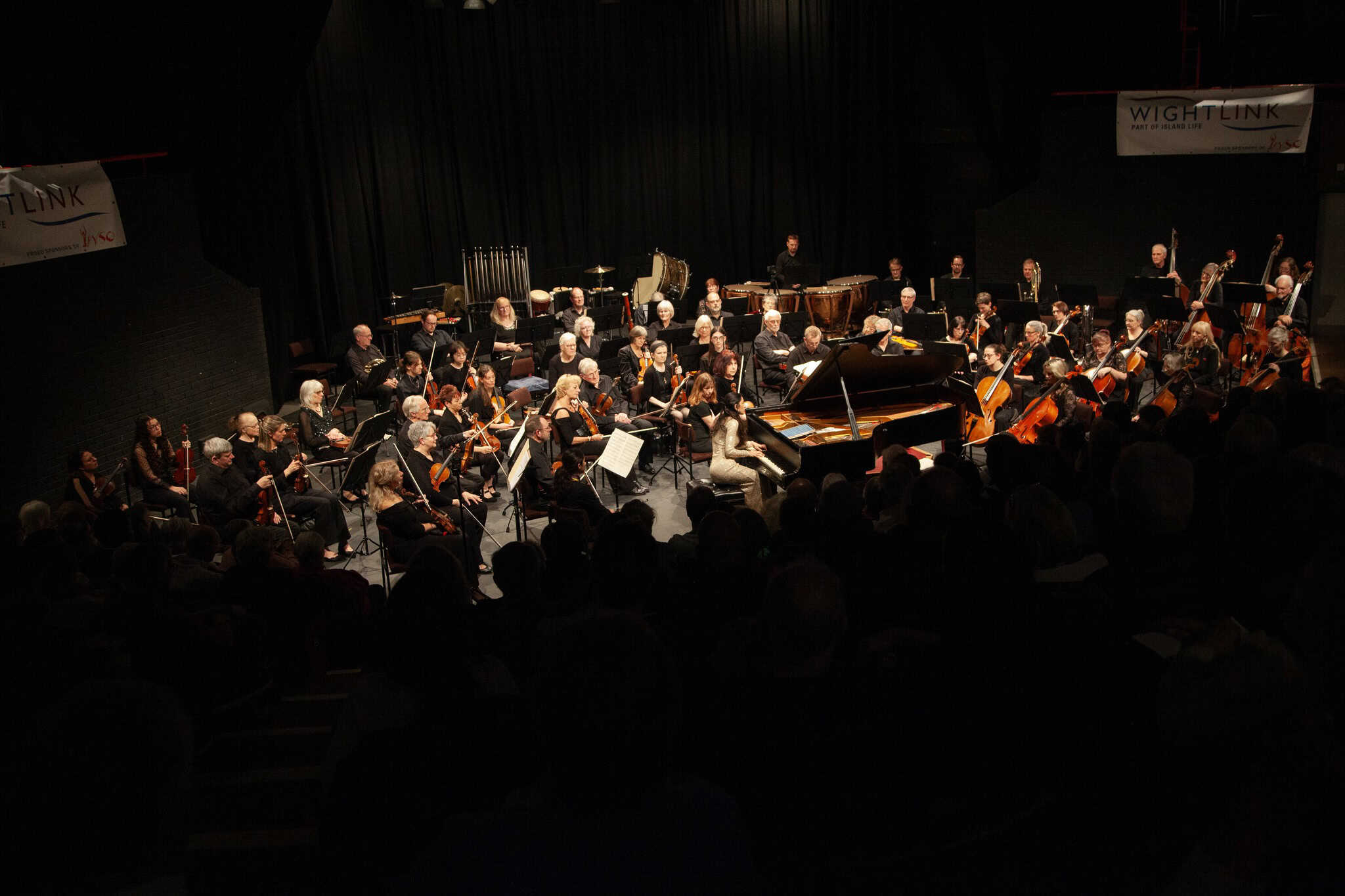
It starts with a short trumpet fanfare, and continues with a distinctly water-themed feel, providing a vivid and colourful portrait of the Thames in all its moods and glories, at times solemn and significant, and also with quiet and peaceful passages.
A great tribute to a great river, and a pleasing and interesting piece to open the concert.
Two French Folk Melodies
I confess I had never heard of Dame Ethel Smyth before, but I was pleased to be able to discover her. She was born in 1858 into a military family, and despite being recognised as a child prodigy, she had to fight to be able to develop her talents.
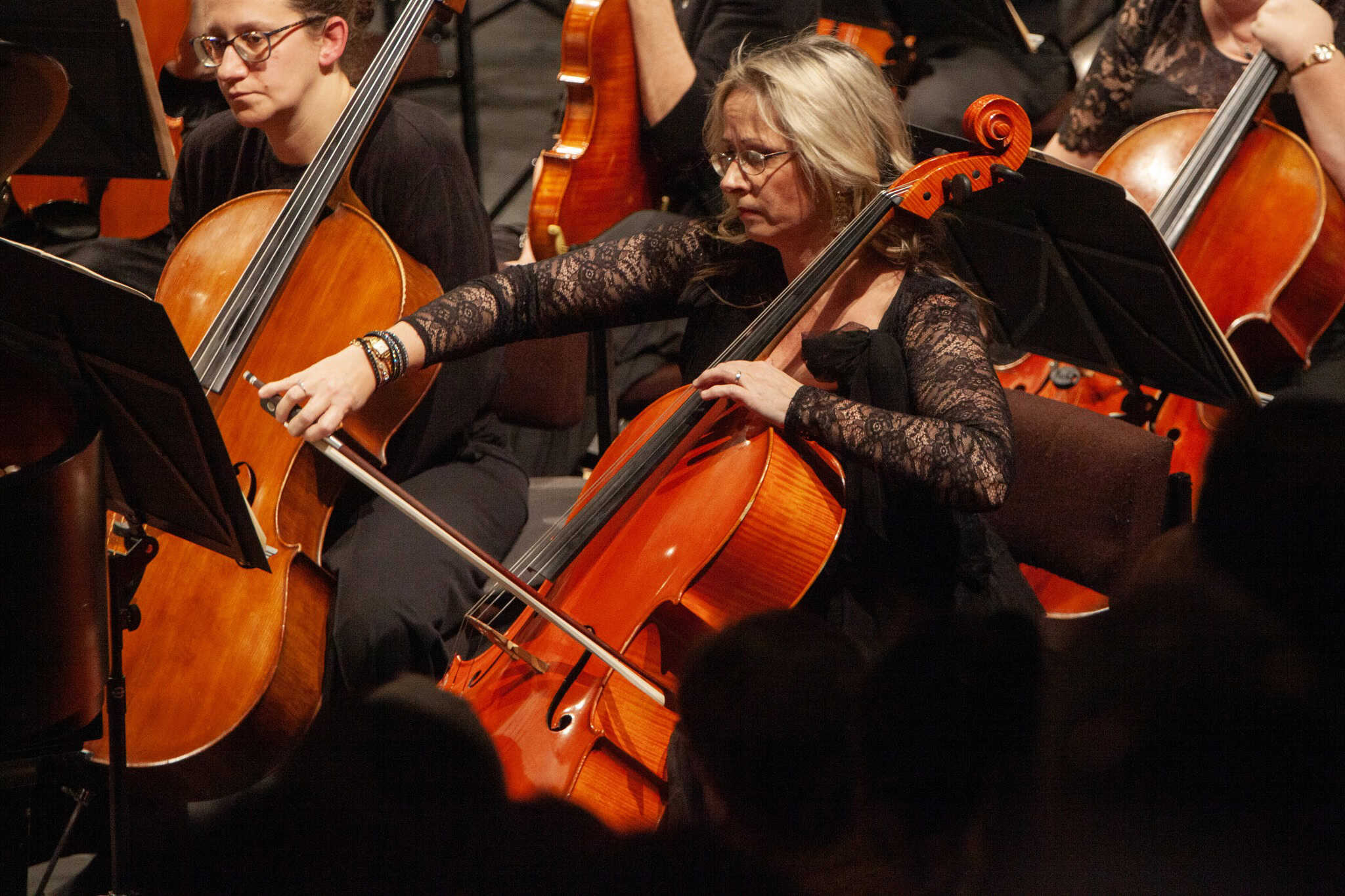
She also became embedded in the Women’s Suffragette movement, spending time in prison, and had an interesting personal life. She became a Dame for her services to music, and like Beethoven, she became deaf in her later years. She lived a fascinating life.
This piece also begins with a trumpet fanfare, which shifts into a folk dance, which becomes sombre, and then turns into a formal dance, and continues to vary in mood and rhythm and emotional tone.
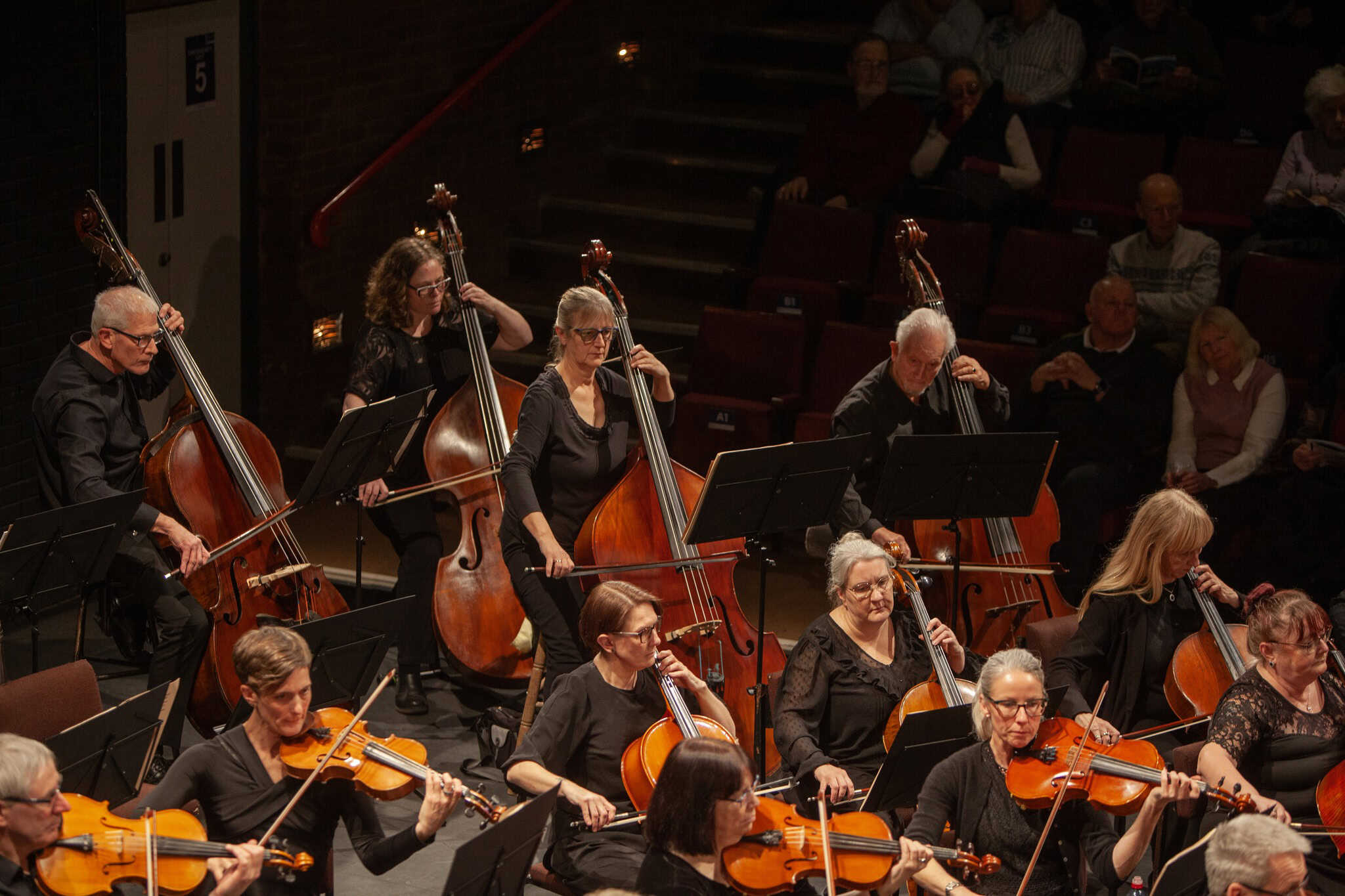
It was played in a light and clear way, and was a delight to listen to. The orchestra obviously enjoyed playing it, and the audience appreciated hearing it, probably for the first time too. I shall seek out more from this fascinating and accomplished composer.
Clara Schumann’s Piano Concerto in A Minor
Clara Schumann also had an exciting and adventurous life. Born in 1819 to pianist parents, Clara Wieck was a prodigy, writing her piano concerto at the age of 14, and then marrying Robert Schumann at 21, after suing her father, who opposed the marriage.
Clara had eight children with Robert, and she accompanied her husband until he became ill and died in 1856, then continued to work and care for her family until 1896. She was a giant of music and the piano, and also helped the career of Johannes Brahms.
This concerto is a wonderful example of the mid-nineteenth concertos, requiring great skill and engagement, with its lush orchestration and rolling themes, and its contrasting moods and speeds. It is very much a concerto designed to feature the soloist, supported by the orchestra, and requires fierce concentration and dexterity.
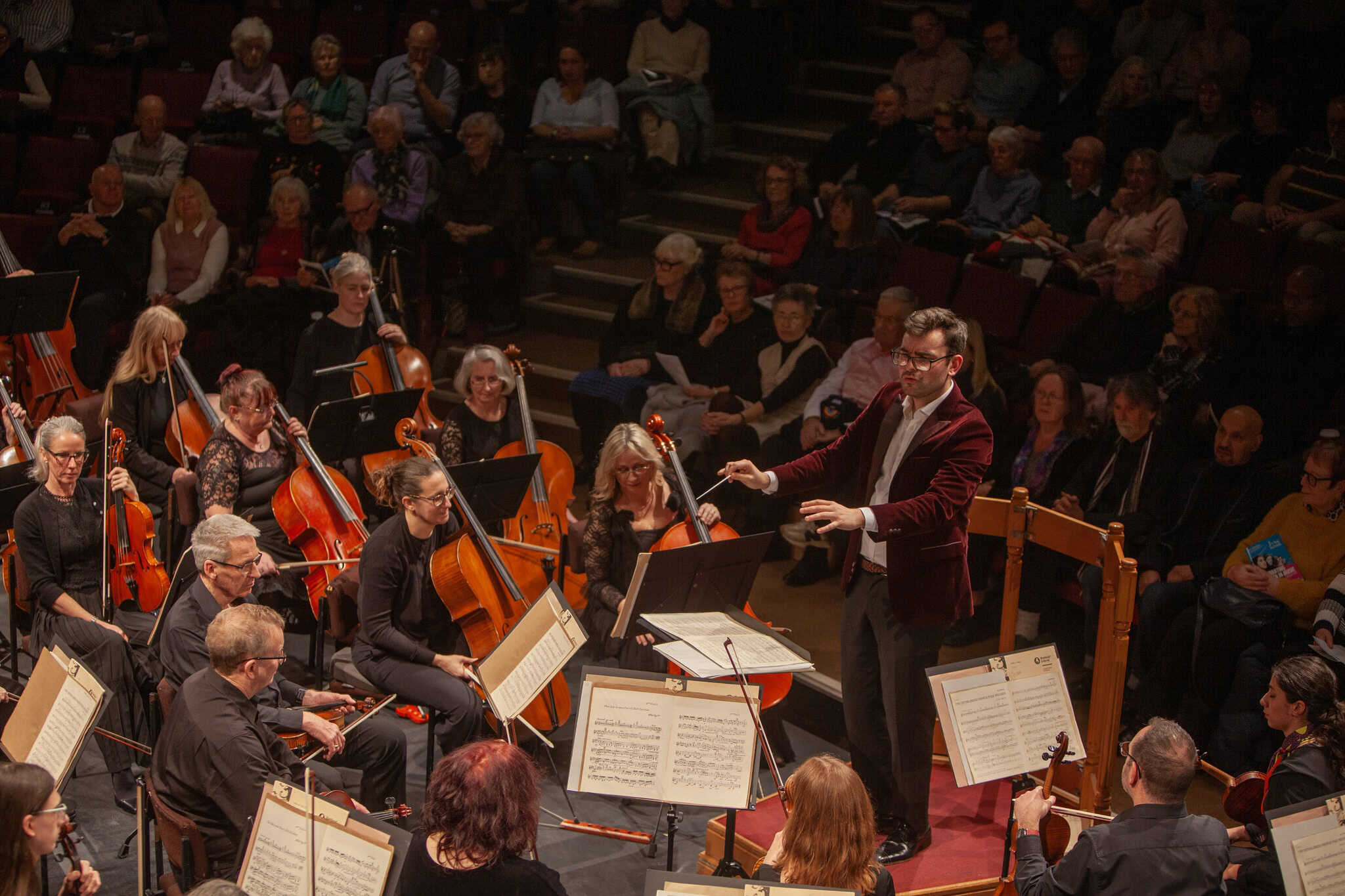
All of this was provided from the first moment by the soloist Miska Rushdie Momen, who entranced the entire room from the moment she appeared. She played with a commanding mastery, her fingers moving with mesmeric speed and accuracy at all times, and she was completely in control of the performance throughout.
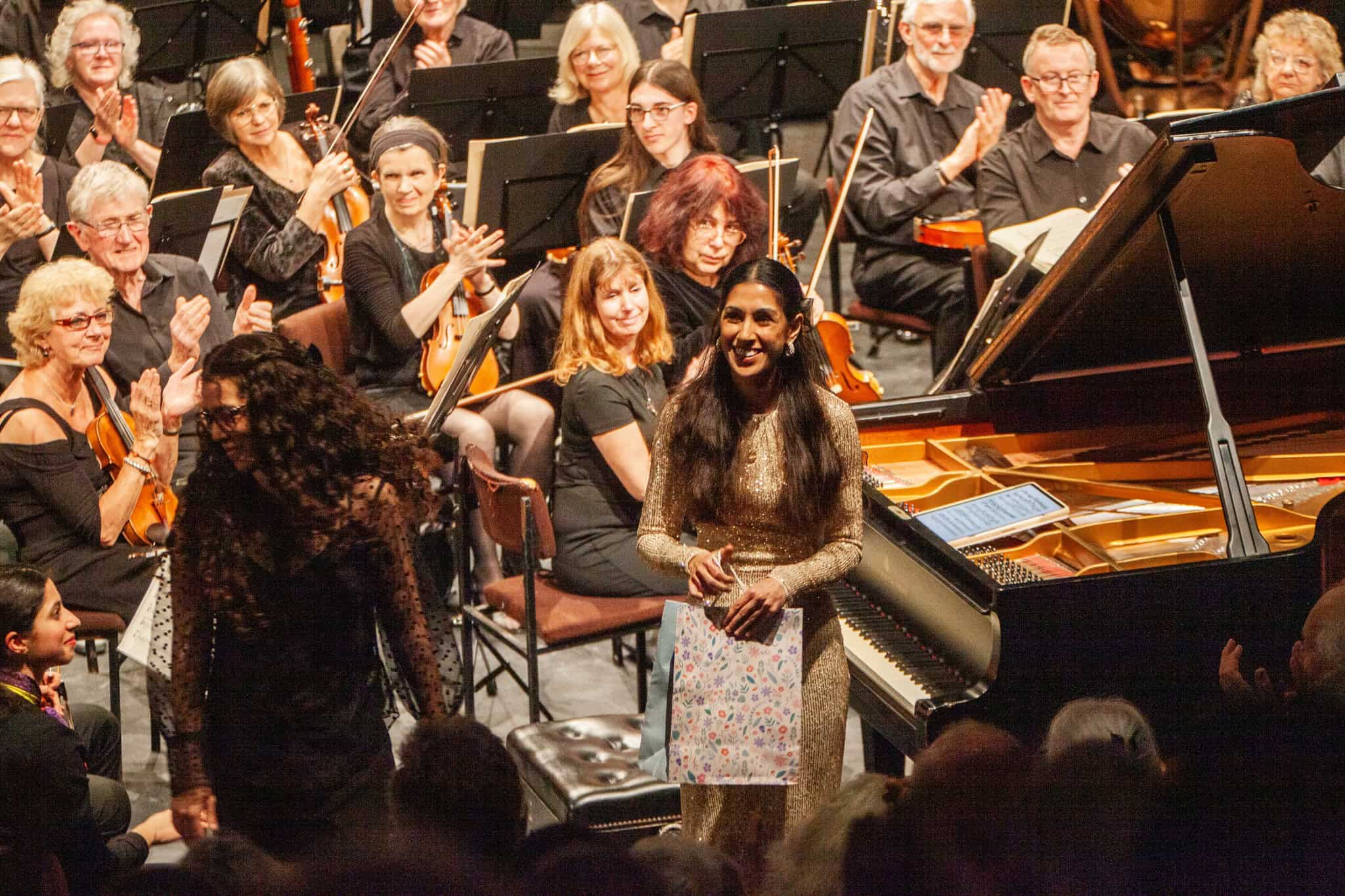
Everyone in the room was entranced and hanging on her every note. The audience exploded into applause afterwards. I loved it, and I could have listened to it all again, except that she must have been exhausted. Well done, and thank you!
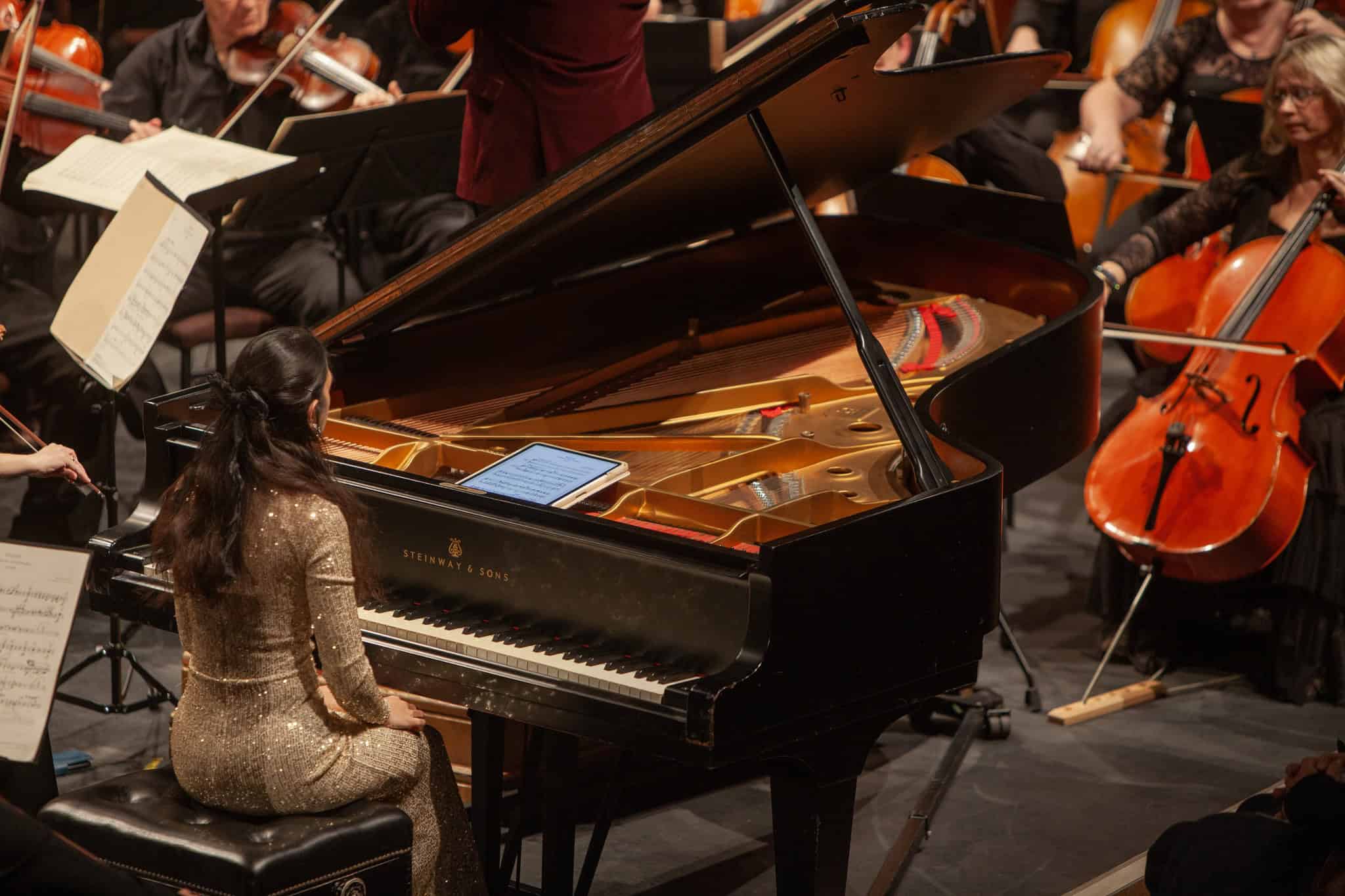
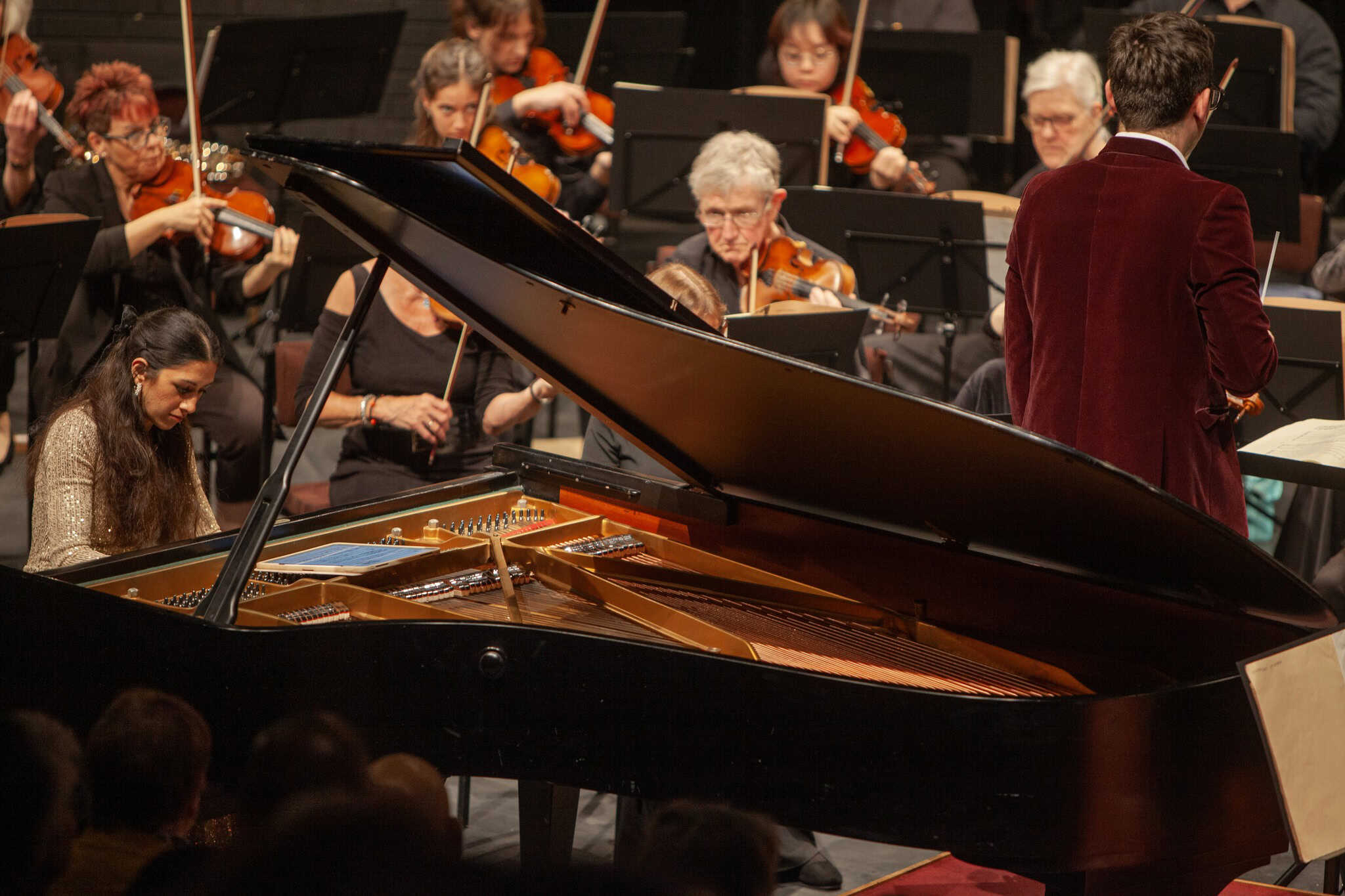
After the applause died down, Ms Momen returned to the piano stool and played us an unexpected piece solo. It was the Alborada del Gracioso, from Ravel’s Miroirs, Piano Suite.
If anyone was convinced of the difficulty of the Schumann, they were to be treated to another level of difficulty and extraordinary skill and dexterity in this piece, played very loud and very fast, in an almost explosive way.
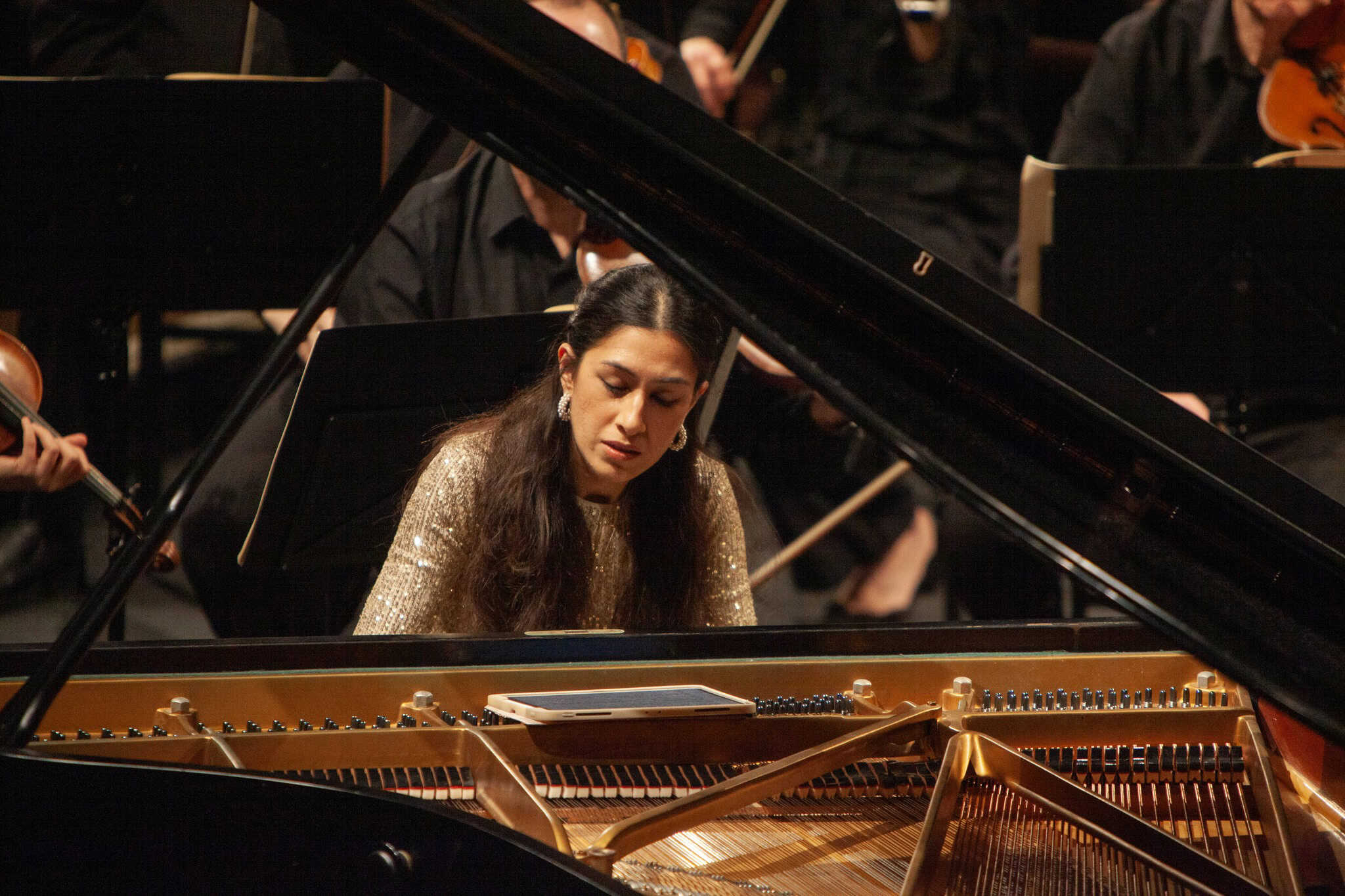
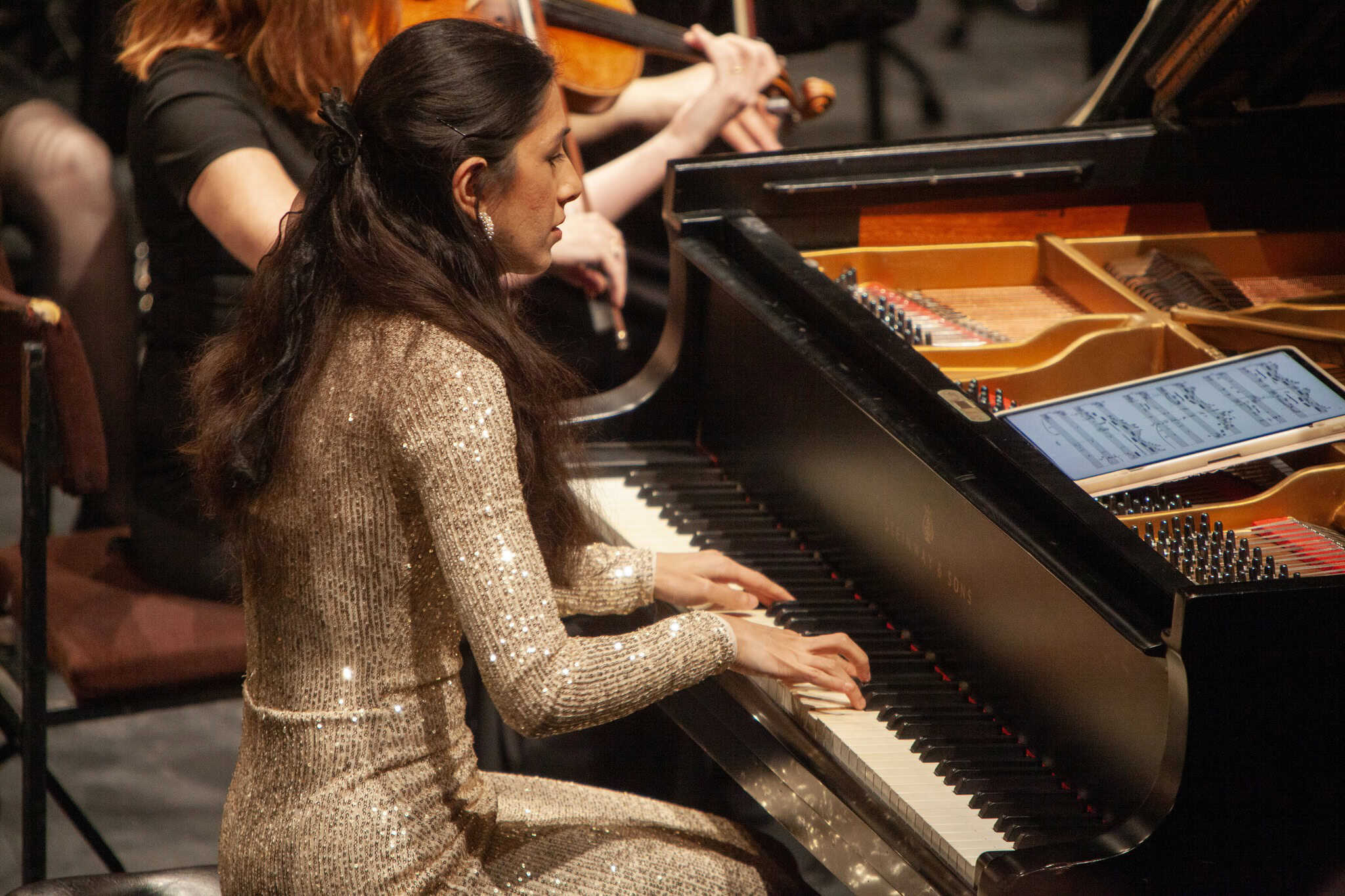
I can only shake my head at the magnificence of this piece and Ms Momen’s playing, after which she was applauded equally enthusiastically. I can only hope that she is able to visit us again and entrance us with her magnificent presence and performance. It was magnificent.
Symphony No. 1 in E Minor by Florence Price
After the interval, the IWSO returned to play Florence Price’s Symphony No. 1. She was born in 1887 in Little Rock, the mixed-race daughter of an African-American dentist and a white music teacher.
In 1902 she enrolled in the New England Conservatory of Music in Boston, pretending to be Mexican to avoid discrimination. After graduation she was head of the music department at Clark Atlanta University.
After marrying she returned to Little Rock but was not able to work. She moved with her family to Chicago in 1927, and began to be recognised for her compositions. Divorced in 1931 she became a single mother, but she continued to write, and her first symphony won a competition and was played by the Chicago Symphony Orchestra, the first time for an African-American woman. She composed for the rest of her life, and died in 1953, but much of her music was lost, until rediscovered in 2009.
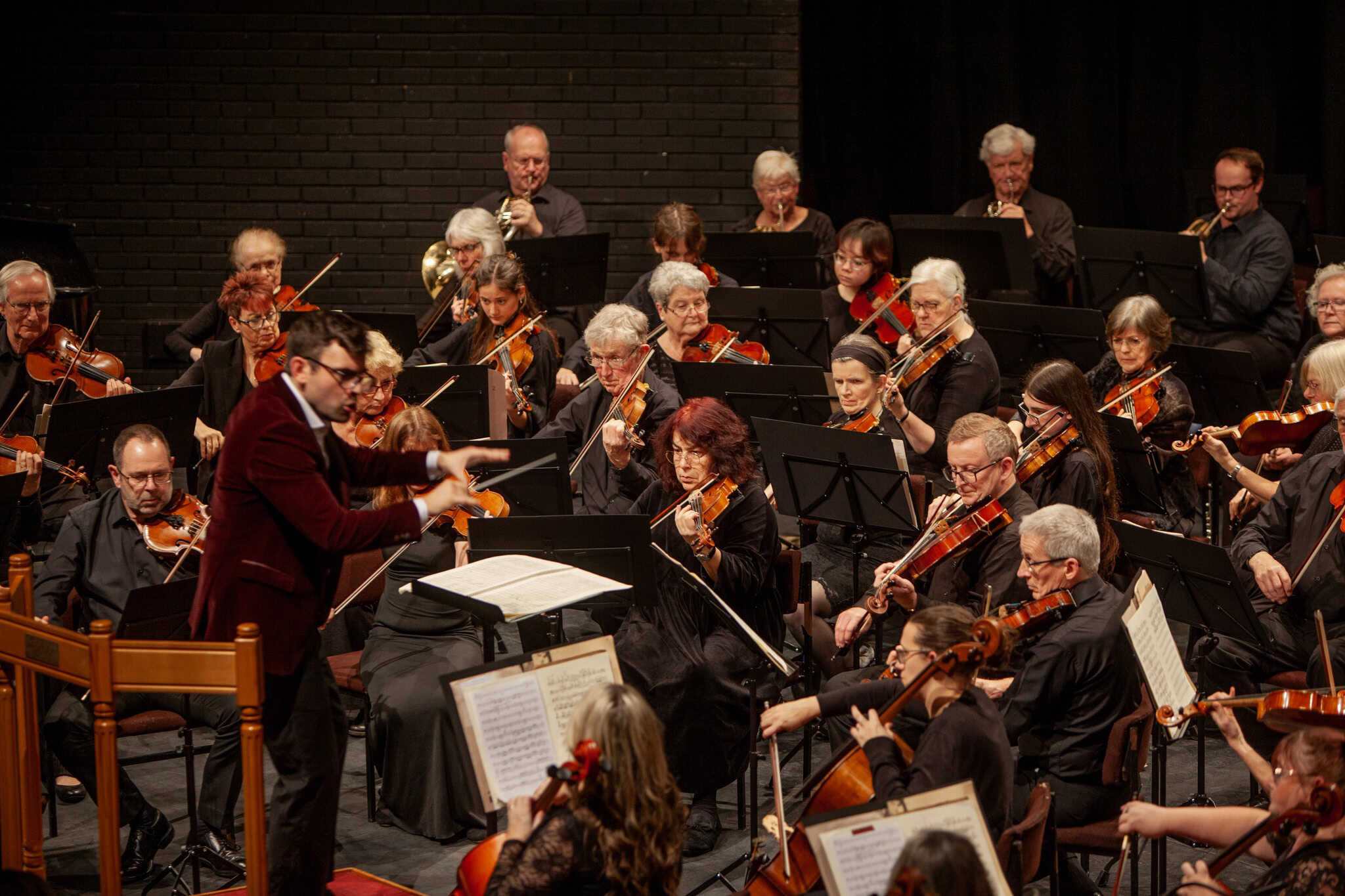
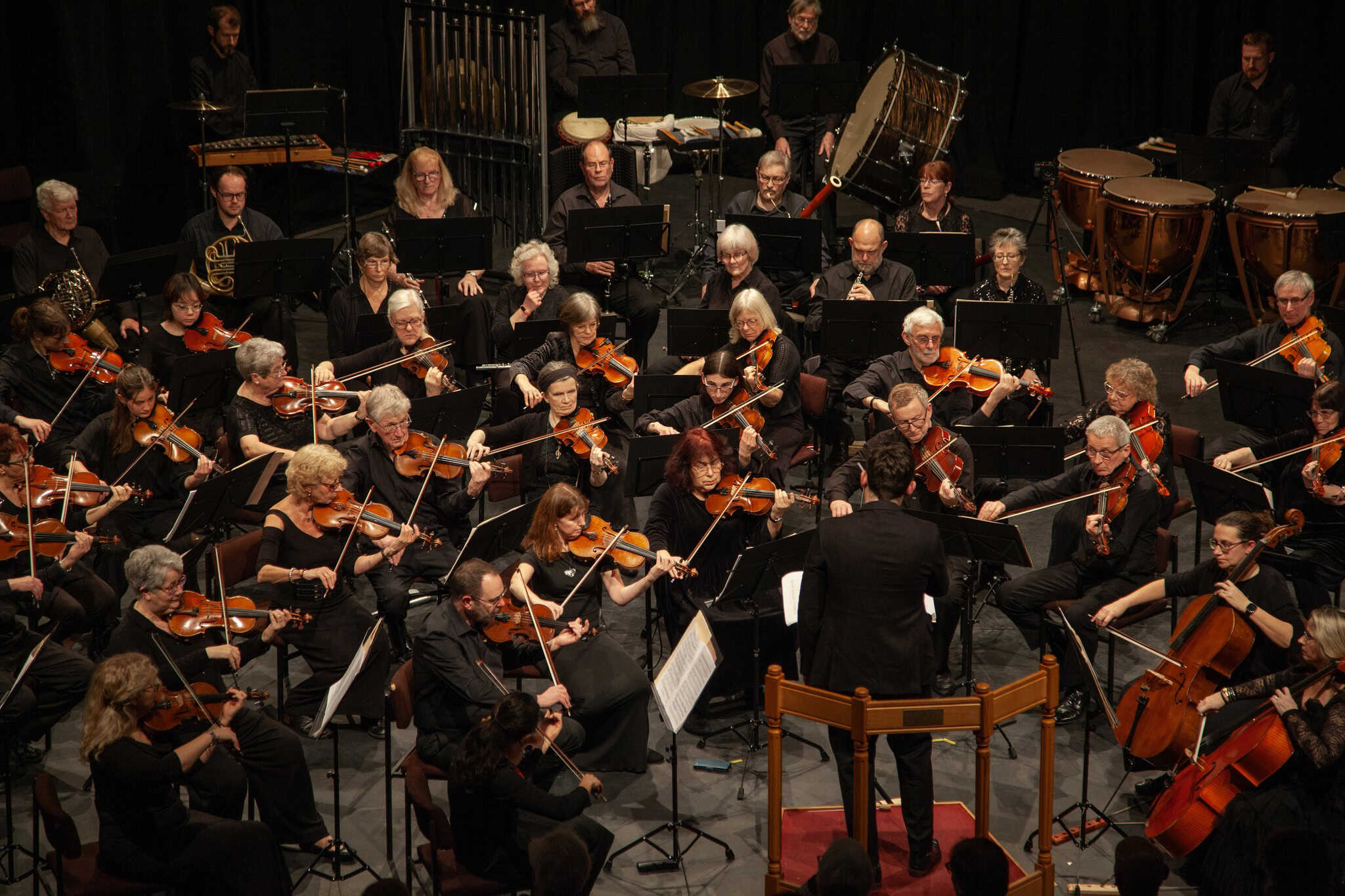
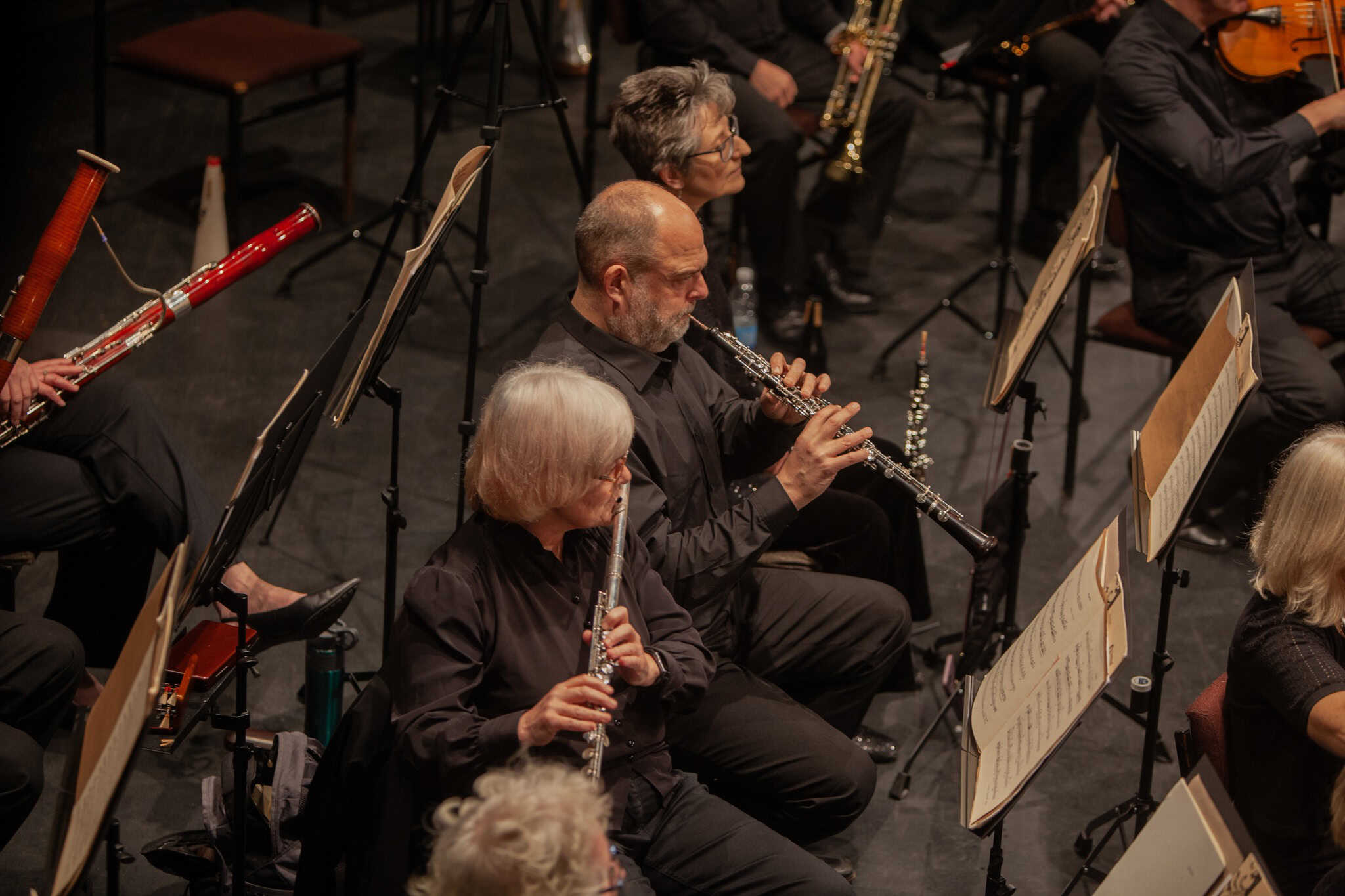
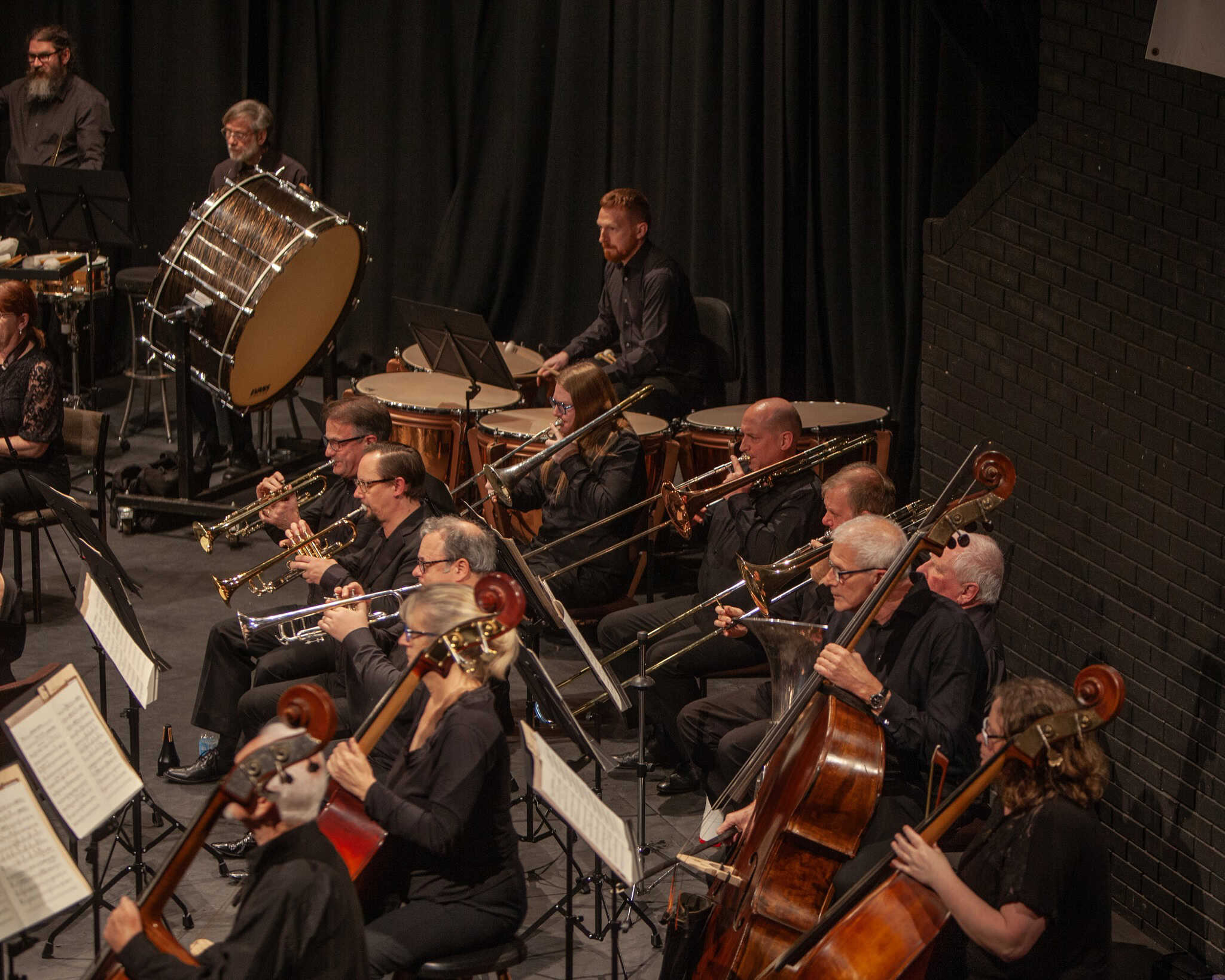
I had never heard of Florence Price or her music, and I was surprised from the first note, a short solo by the bassoon, by the maturity and simplicity of its music and style. It reminded me somewhat of Dvorak’s Ninth Symphony, ‘From the New World’. It evoked the grandness and majesty of America in the same way, as the orchestra explored delicate themes with much use of the flutes and clarinets and oboes and bassoons, and horns, ably assisted by all the rest of the orchestra, and a large contingent of percussion players, including the Tubular Bells. I enjoyed the inclusion of much folk music, spirituals and dance rhythms played on African drums.
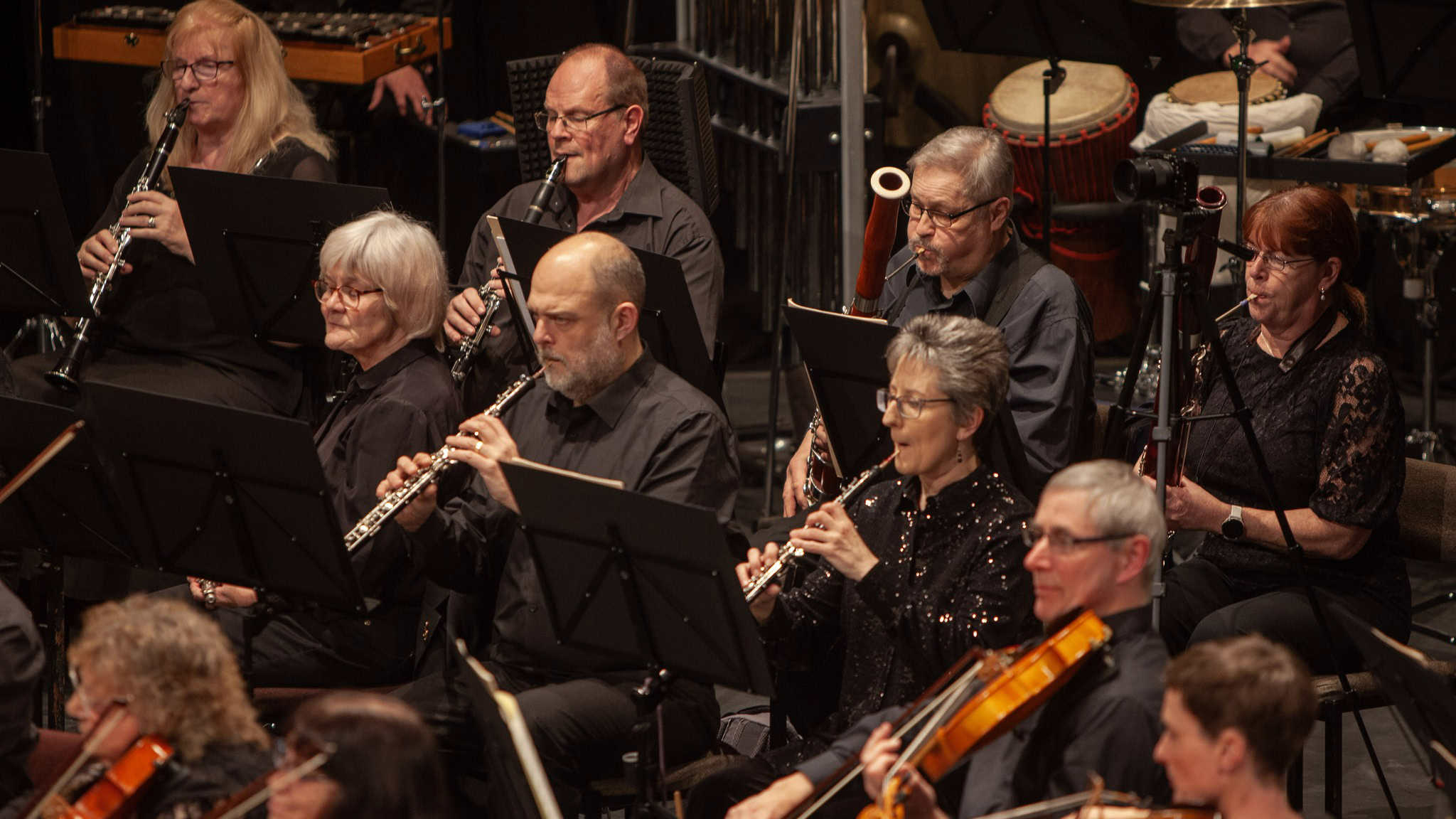
Florence Price seems to have packed in so many influences and styles, all illustrating the feel of America as its identity was being forged throughout the tempestuous Twentieth Century. I felt that she contributed a very distinctive voice, as a composer and a woman of colour, and as with all the women composers featured in this glorious concert, I was delighted to have been invited to listen to and appreciate their contribution at long last in a concert that should go some way to restore the rightful place of women in the grand pantheon of music. Well done IWSO!
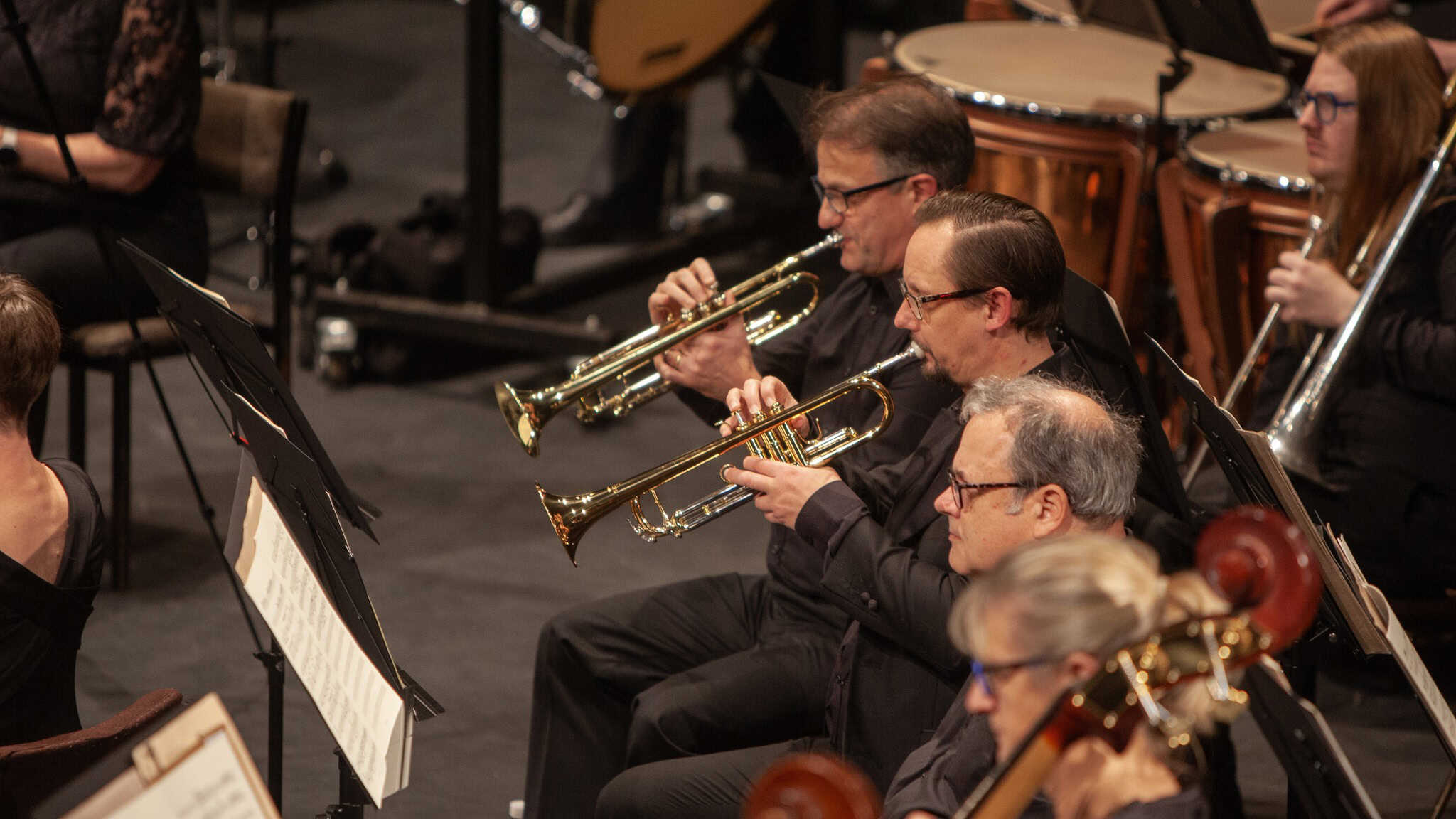
As always, the entire orchestra played their hearts out, I am in awe of their skill and dedication, as well as their talents as musicians. I thank whoever wrote the programme notes, without which this review would be even worse, and a special thank you to Hilary, for saving my face with a bit of detective work.
Next concert
The next concert in the IWSO 2025-2026 season starts on Saturday 14th March 2026 at 7.15pm, at the Medina Theatre, titled ‘Snow and Fire’.
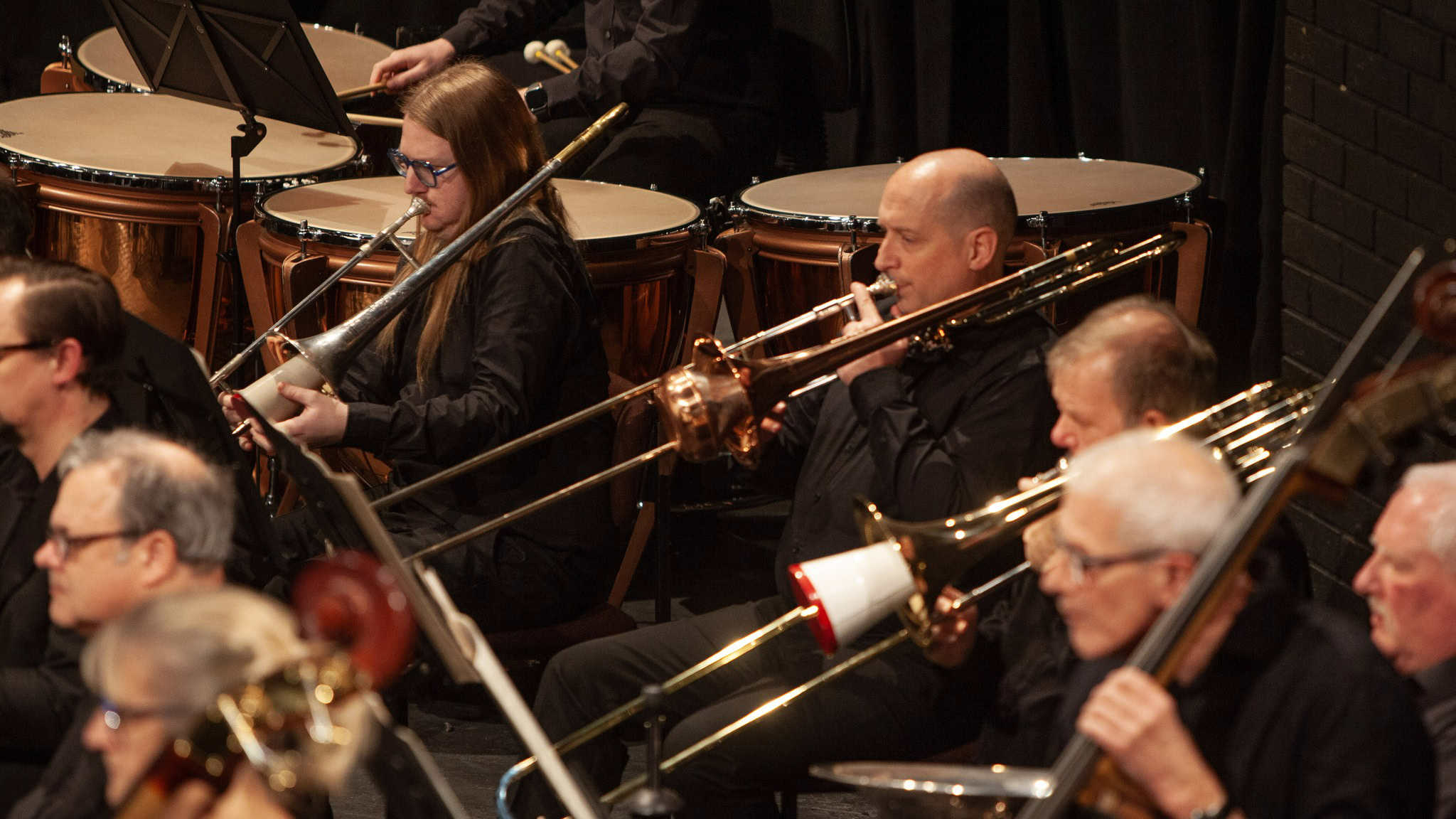
There will be the Snow Maiden by Rimsky-Corsakov, the Trumpet Concerto by Hummel, featuring Aaron Azunda Akugbo on trumpet, and the Symphony No 7 by Antonin Dvorak. It promises to be a splendid occasion as usual, evoking cold weather, vast landscapes, a lot of heat, and hopefully wild emotions and glorious sounds.
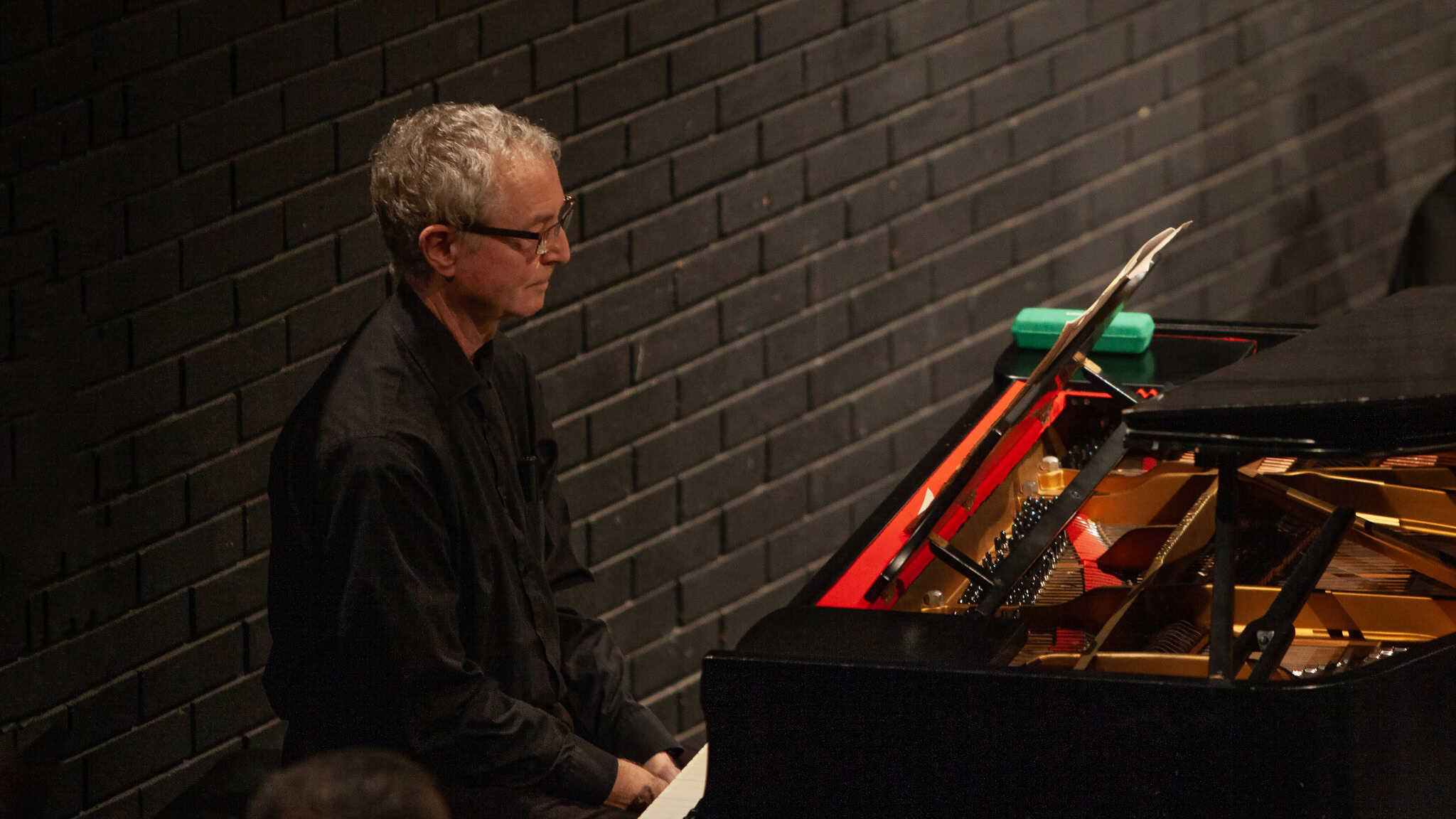
There should be something for everyone, and it promises to be a continuation of a fantastic season, so get your tickets as soon as possible. You won’t regret it. I’ll be there.
See you then!