A Ryde cultural venue has earned national recognition after the Architectural Journal published a substantial feature on the building and the organisation behind it.
The piece focuses on Department, the new home of Shademakers, one of the Isle of Wight’s carnival arts organisations, which occupies a former department store on the high street that had stood vacant for many years.
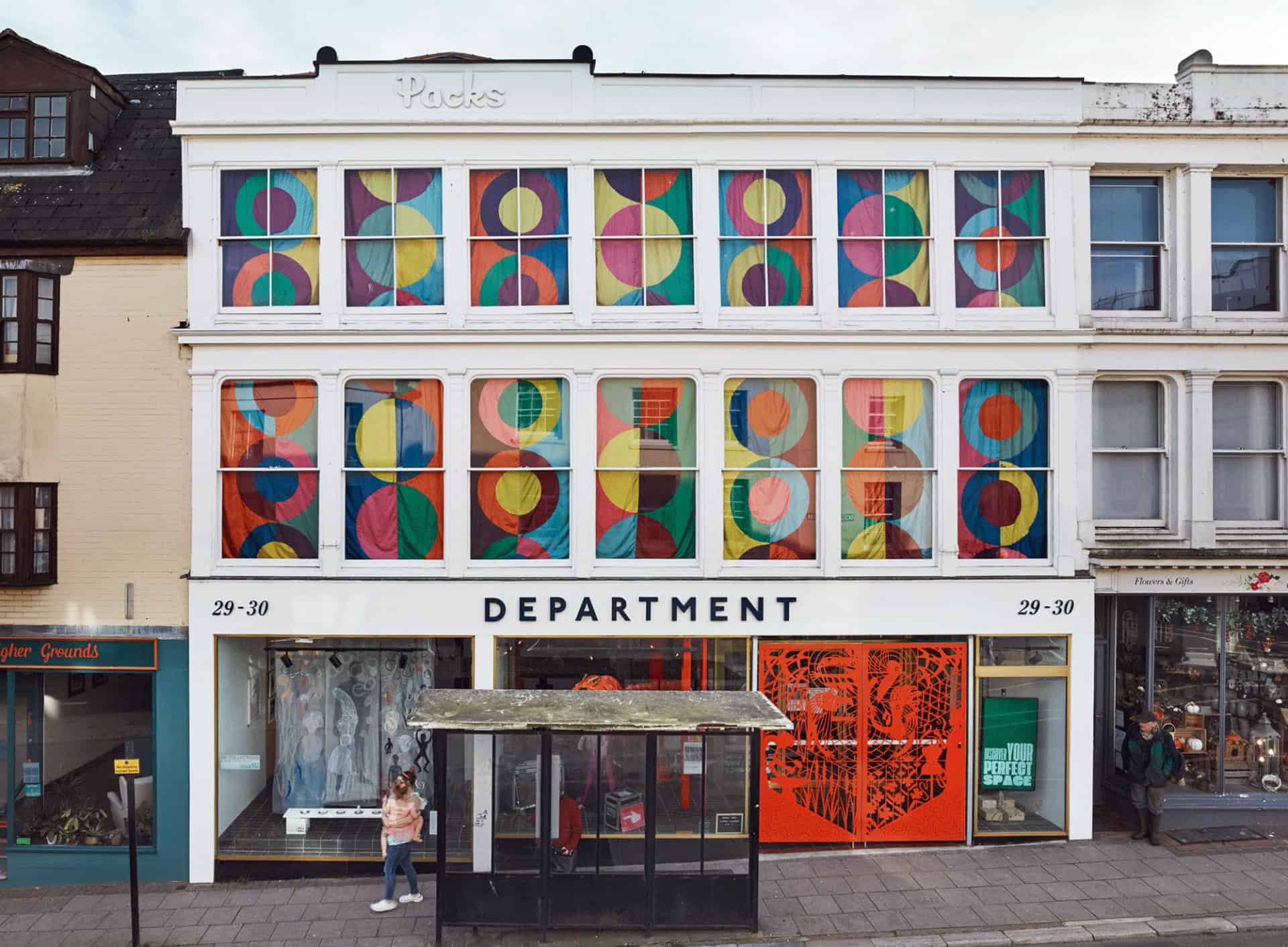
From borrowed corners to a permanent base
Shademakers spent decades working out of warehouses and borrowed spaces, creating work that appeared in public for a single day each year before vanishing again.
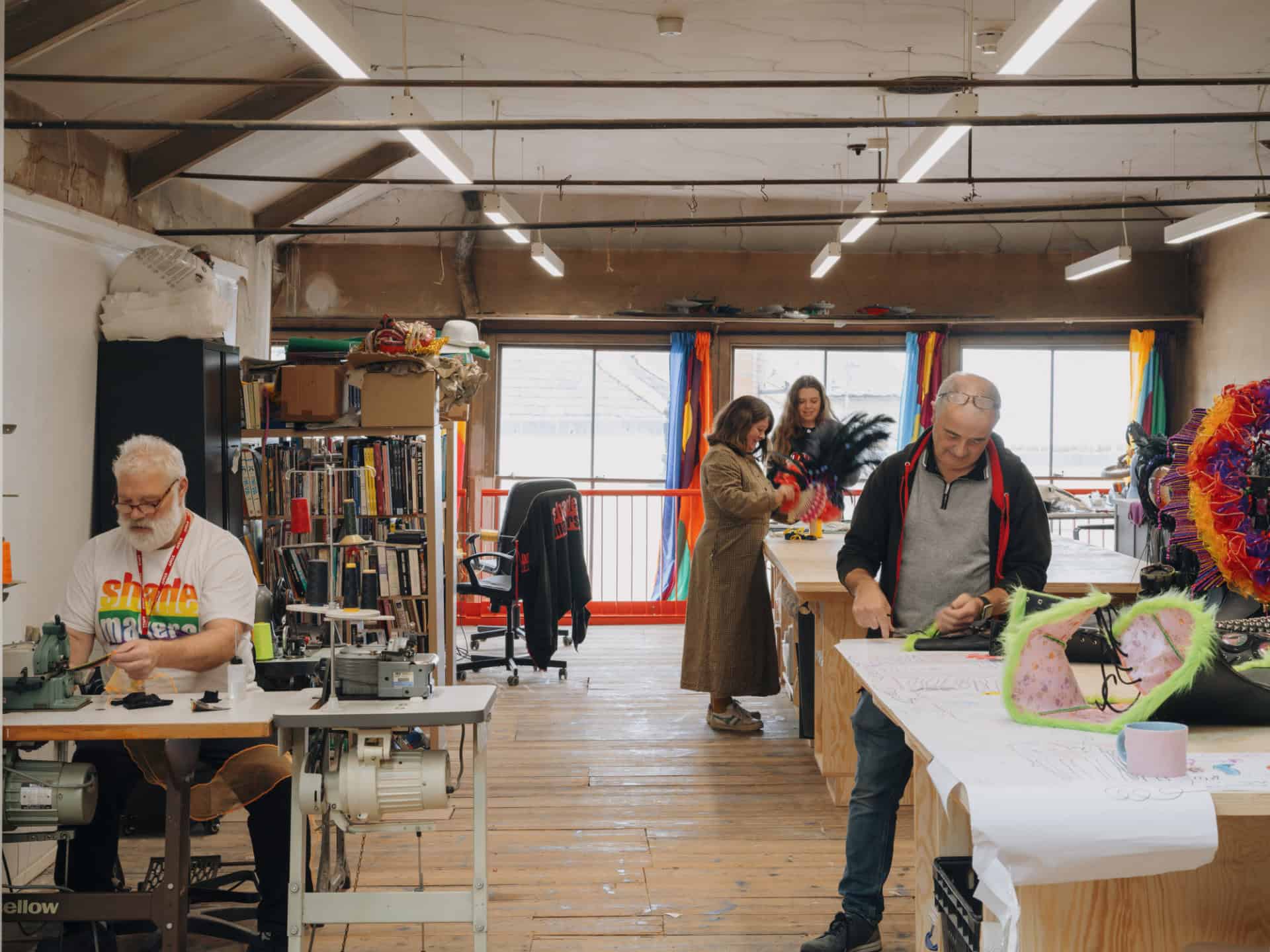
Department changes that entirely, giving the organisation a permanent, visible address in the town centre – and a civic role it has never previously held.
The Architectural Journal notes that the project, designed by London practice Turner Works (and overseen locally by Modh Design), transforms Shademakers from a group that arrives in town during carnival week into what it describes as a recognised cultural anchor in Ryde.
“A huge history of carnival in Ryde”
Shademakers creative director Sharon George told the journal,
“It’s very, very important to be out there on the streets. There is a huge history of carnival in Ryde, and on the Island more widely, but in lots of places it has been lost.”
The AJ article traces the origins of that tradition to 1887, when a procession was organised in Ryde to mark Queen Victoria’s Golden Jubilee – an event widely regarded as the birth of the British carnival tradition.
A building designed to draw people in
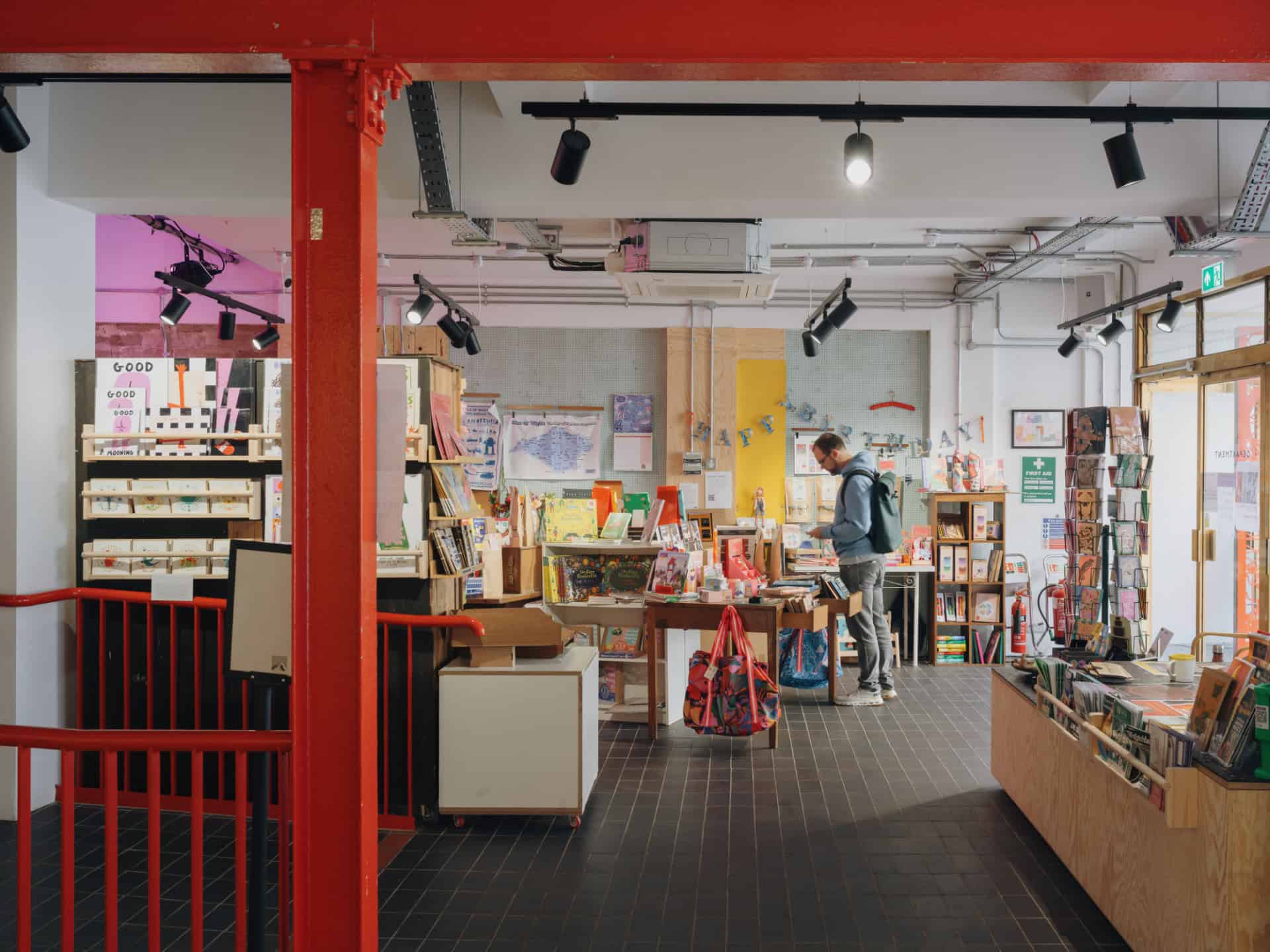
One of the key design decisions Turner Works made was to route the public through the building as they walk from the Co-op car park into town – a journey that previously passed through a dark, narrow alleyway.
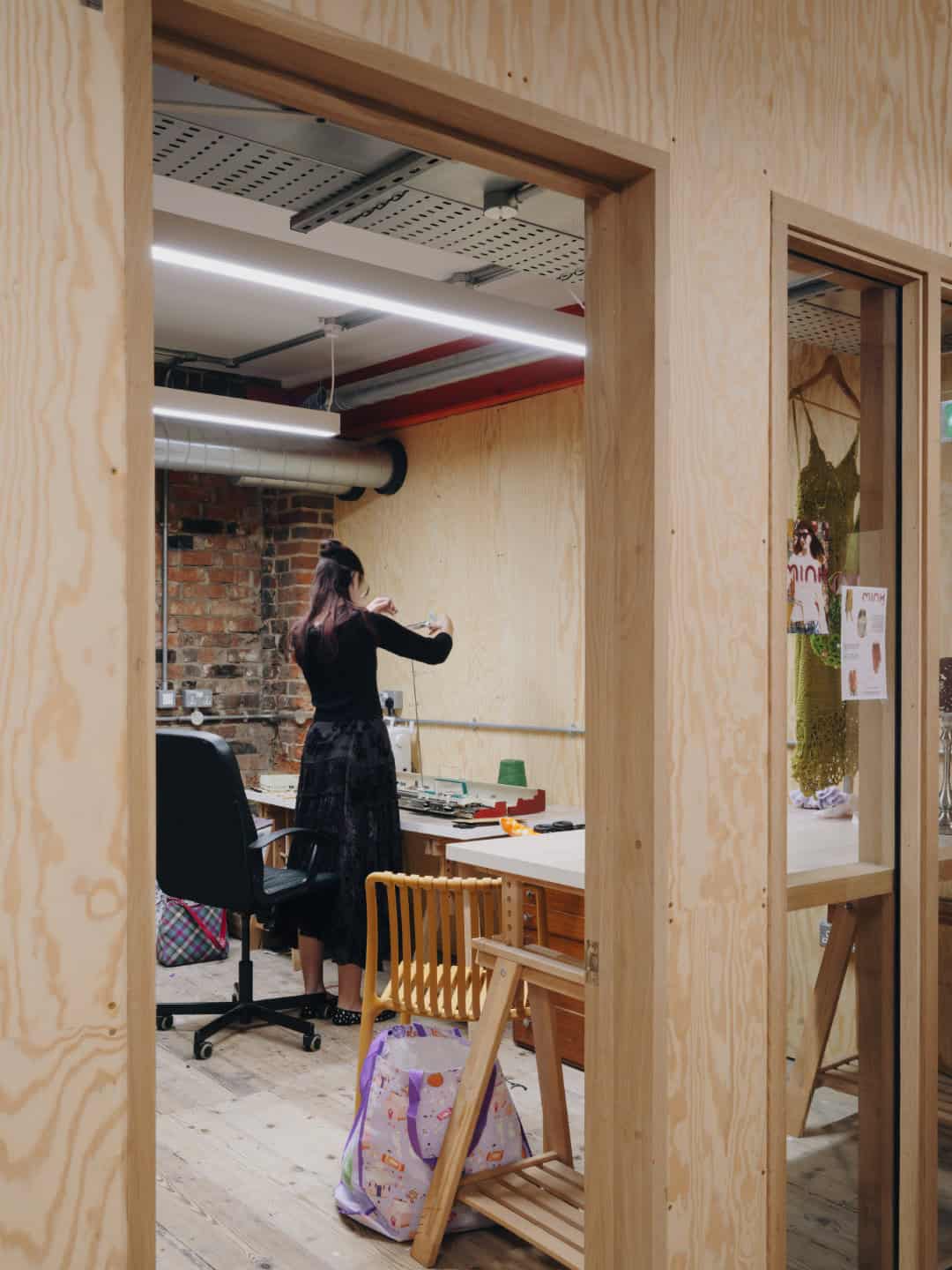
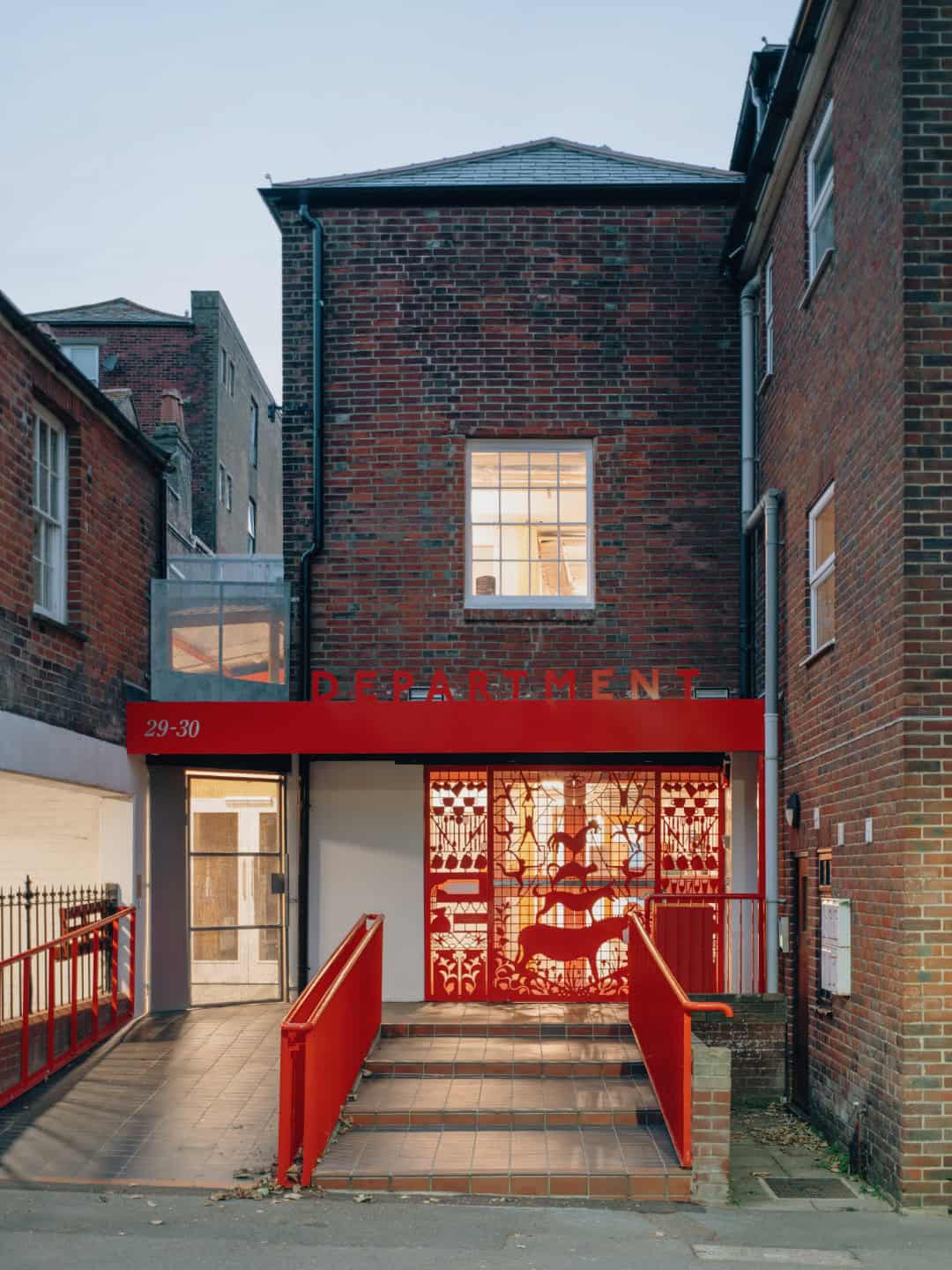
Project architect Simon Cadle explained the thinking,
“The idea was to bring the street through the building. We wanted to draw people through so they experience culture by osmosis – seeing things being made, buying from artists, noticing a show or a workshop and making the experience part of their daily route through town.”
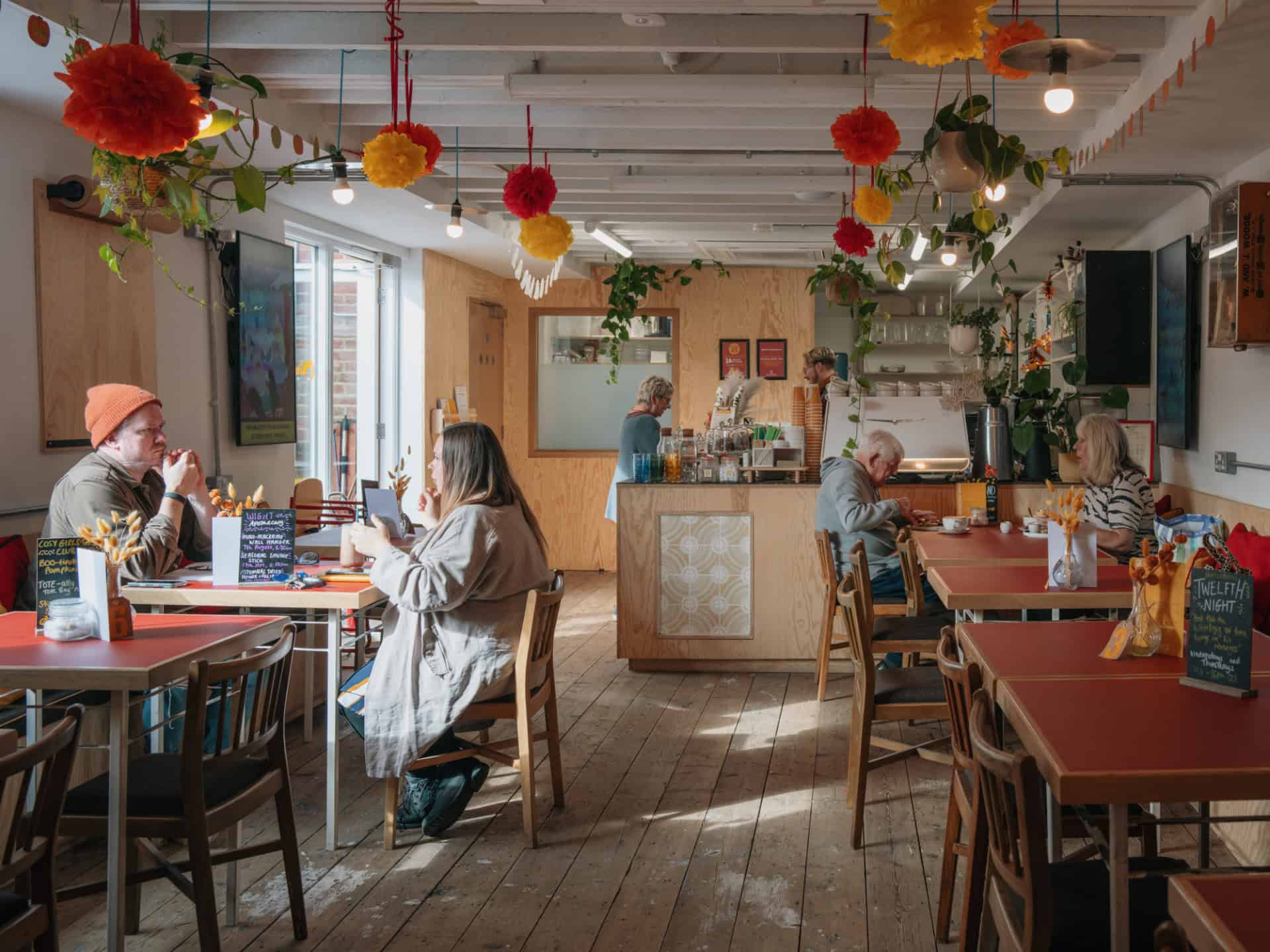
Layered history kept deliberately visible
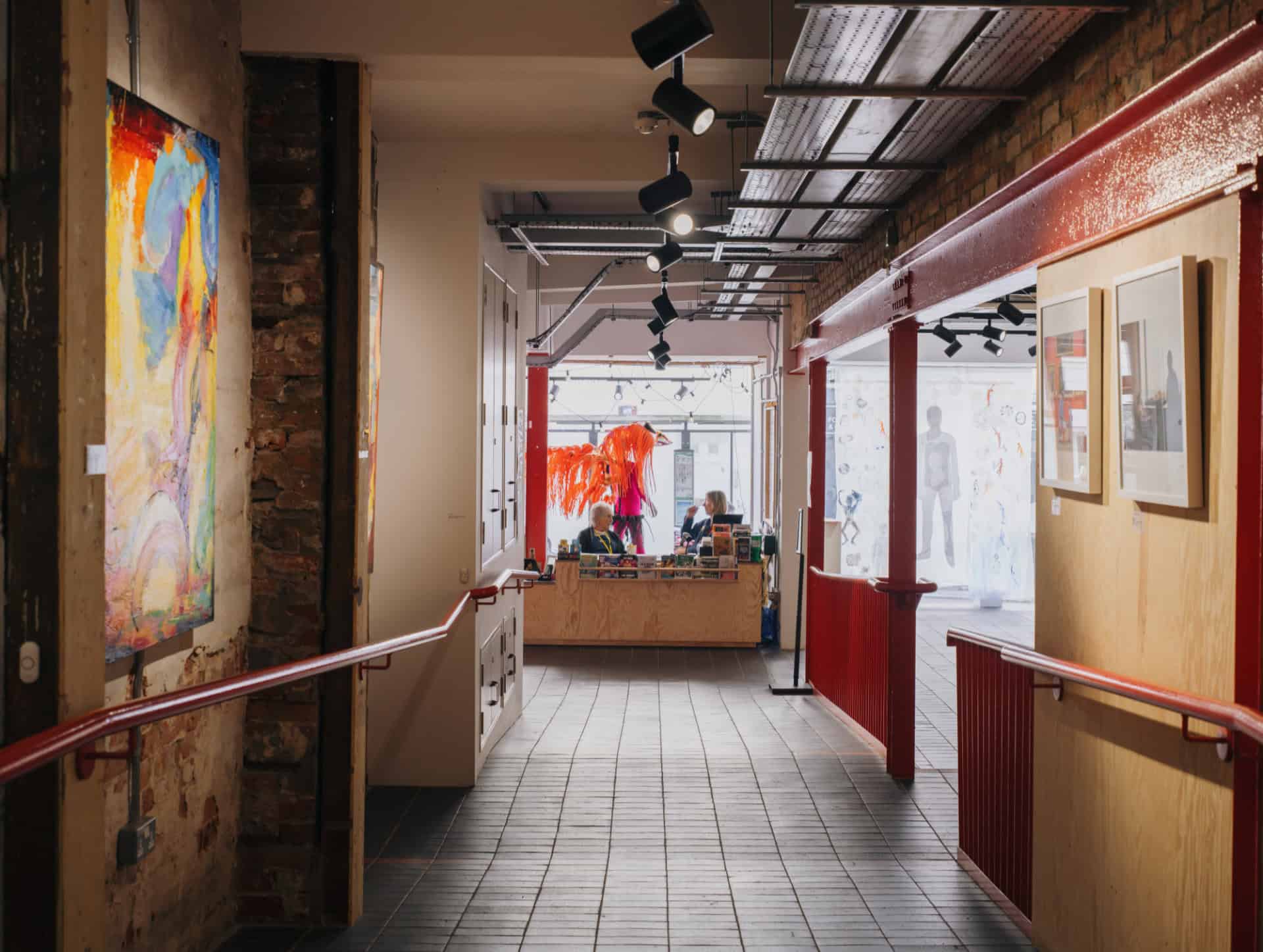
The journal praises the decision to retain the building’s accumulated history rather than strip it back.
Patches of lath-and-plaster, old wallpaper, builders’ pencil marks and bricked-up openings all remain visible, with new steelwork, handrails and a staircase finished in a bold vermilion to distinguish old from new.
New gates by artist Alice Malia carry cut figures referencing blacksmiths, dressmakers, carnival characters and the wider story of the building’s connections.
“We don’t know how to do this, we just want to do it”
Funding for the project came from Historic England’s High Streets Heritage Action Zone, the Department for Digital, Culture, Media and Sport’s Cultural Development Fund, the Architectural Heritage Fund, and the National Lottery Heritage Fund.
Sharon told the journal of their approach to assembling that support,
“We were never scared to say ‘We don’t know how to do this, we just want to do it.'”
Artistic director Paul Mclaren added,
“There isn’t really any money, apart from government grants. We believe in a gifting society: you give more than you receive, and you still survive because something comes back.”
The Architectural Journal concludes its piece by describing Department as a project that goes against everything we have come to expect of arts provision in the UK – and one that proves, as it puts it, that anything is possible.