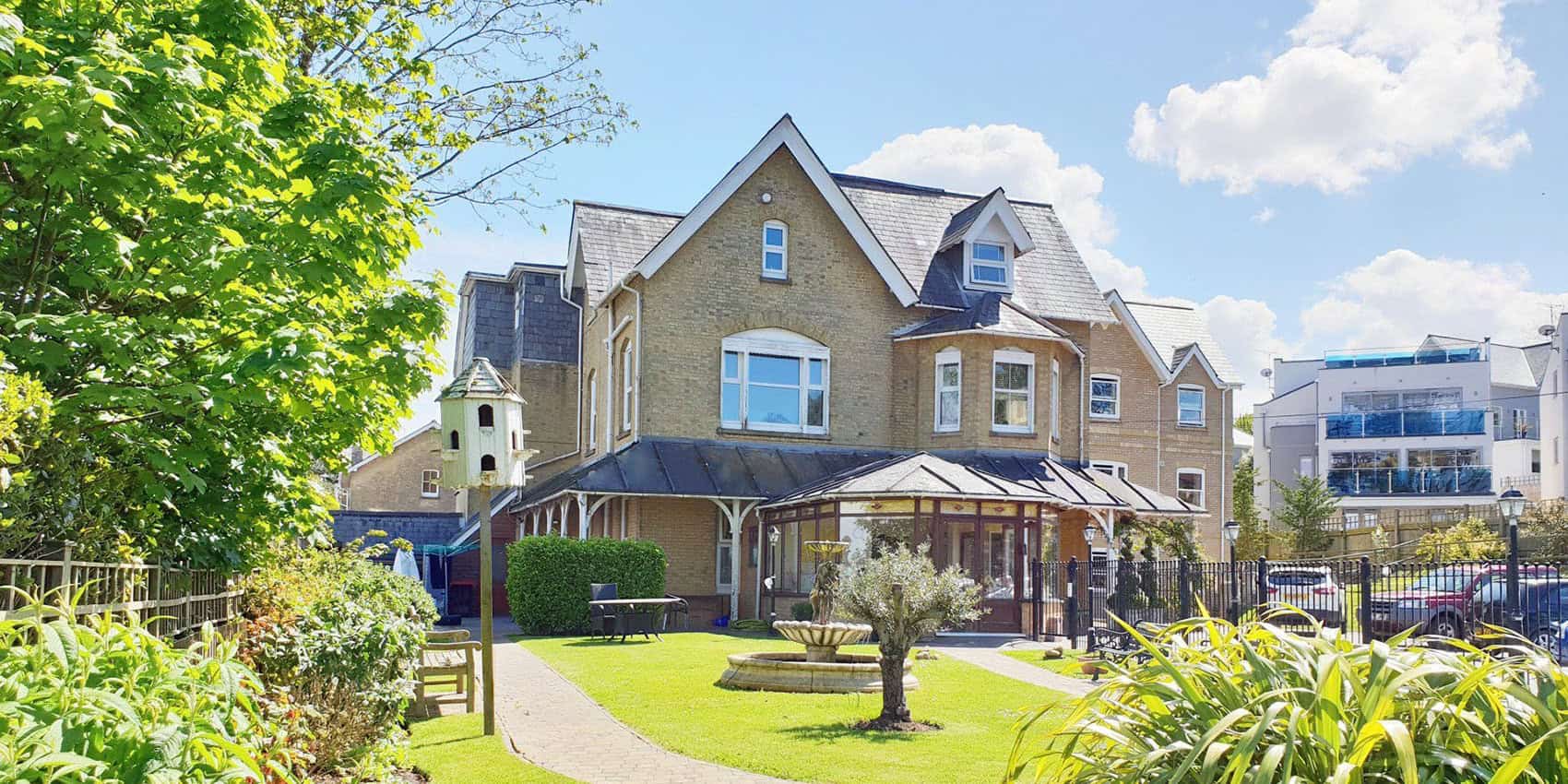
The Care Quality Commission (CQC), has rated The Moorings Care Home in Cowes as inadequate and placed it into special measures to protect people following an inspection in June.
The Moorings is a residential care home for older people, and this is their first inspection while being run by Pebblestones Limited.
11 breaches of regulations found
During this inspection, CQC found 11 breaches of regulations relating to person-centred care, dignity and respect, consent to care and treatment, safe care and treatment, safeguarding, nutrition and hydration, premises and equipment, safe and effective staffing, fit and proper persons employed, failure to notify and good management of the service.
CQC has served two warning notices to the service to focus the attention of leaders on improving safe care and treatment and safeguarding to the service.
CQC has rated The Moorings Care Home as inadequate for being safe, effective, caring, responsive and well-led.
CQC has also placed the service into special measures which involves close monitoring to ensure people are safe while they make improvements. Special measures provides a structured timeframe so services understand when they need to make improvements by, and what action CQC will take if this doesn’t happen.
Deputy director: Deeply concerning
Neil Cox, CQC’s deputy director for adult social care in |Hampshire and the Isle of Wight, said,
“What we found at The Moorings was deeply concerning. The issues we identified were widespread and serious, and they mirrored historic failings leaders were already aware of. Despite a change of ownership, numerous engagement meetings with CQC, and reports detailing the issues for improvement under the previous owner, leaders hadn’t used these resources to provide people living there with the standard of care they deserve.
“The most concerning findings involved people’s basic day-to-day care. During our inspection, we saw nine people being given food that didn’t match the diets they’d been prescribed to help them swallow safely, putting them at risk of choking.
“We also found that some people weren’t getting enough to drink. In one case, a person hadn’t received enough fluids on 41 of the 42 days we reviewed. We also found significant weight loss wasn’t being properly monitored. These are basic care needs that should never be overlooked.
“We also saw examples of people not being treated with the dignity and respect they deserve. One person remained in wet clothing for around ten minutes after staff had been told about it. Another person was found asleep at a dining table with their clothing exposing them, and staff hadn’t noticed. One relative told us they didn’t feel confident their loved one was safe and said they wouldn’t recommend the home.
“These failings point to serious problems with leadership. Risks that were obvious and could have been prevented weren’t identified or acted on. The people living at The Moorings deserved much better care, especially in a place they called home. We’ve placed the service into special measures and will continue to monitor it closely to make sure people are safe whilst urgent and lasting improvements are made.”
Inspectors also found:
- The service didn’t provide people with enough meaningful activities or social interaction. Inspectors reviewed six weeks of activity records and found three people had no recorded social activity at all. One person had just five minutes of social activity logged during the entire period. Instead, people spent most of their time watching television, staying in their rooms or receiving personal care, with very little meaningful engagement or time outdoors.
- Leaders didn’t keep the home safe or properly maintained. The only bath in the building had been out of use for months, yet records showed staff had logged 24 baths for one person during that time. Leaders also didn’t ensure people had reliable access to equipment, with only one hoist working consistently and staff reporting difficulties moving equipment between floors.
- Leaders didn’t involve families in planning or reviewing their relatives’ care. Most relatives told inspectors they’d never been asked to contribute to care plans or discuss them with staff. The home also didn’t keep care records up to date when people’s needs changed and didn’t communicate regularly with families.
- Leaders and staff didn’t have a good enough understanding of people’s serious health conditions or how to respond in an emergency. Inspectors found people living with epilepsy, diabetes and heart conditions whose care records contained little or no guidance for staff. Staff were unaware of the full number of people living with epilepsy, and only one staff member had received epilepsy training.
- Staff didn’t keep the home clean and hygienic. Inspectors found one person’s bedroom smelled strongly of urine and had to ask for the person to be moved to a clean room. Staff weren’t cleaning moving and handling equipment between uses. left out-of-date food in storage and didn’t ensure bedding was cleaned promptly.
- Leaders didn’t ensure people’s end-of-life wishes were accurately recorded. Inspectors found conflicting information about whether people wanted to be resuscitated, creating a risk that staff might not follow the person’s wishes. Most relatives said the home hadn’t involved them in these important discussions.
- Leaders didn’t create a culture where staff felt able to raise concerns. Inspectors found evidence of a blame culture that could discourage staff from reporting problems which would improve people’s care.
The report will be published on CQC’s website in the coming days.
News shared by John on behalf of the CQC. Ed