John Dekhane, a British citizen based in France, often writes tribute articles dedicated to fallen World War II heroes. He does this work voluntarily, with the sole goal of keeping these often-forgotten stories alive.
Our thanks to John for sharing the story of Flight Lieutenant Barry Wadham, a serviceman from the Isle of Wight. Ed
On 5th April 1945, the Second World War was drawing to its final days, yet the skies over Europe remained a place of constant danger and sudden death. British airmen continued to fly deep into enemy territory, with missions designed to bring a swift end to a war that had already claimed millions of lives.
Throughout the conflict, every sortie carried an extraordinary risk, and many aircrews never lived to complete their operational tour, reflecting the brutal reality of a war where survival was never guaranteed. Even in its closing weeks, the danger had not diminished.
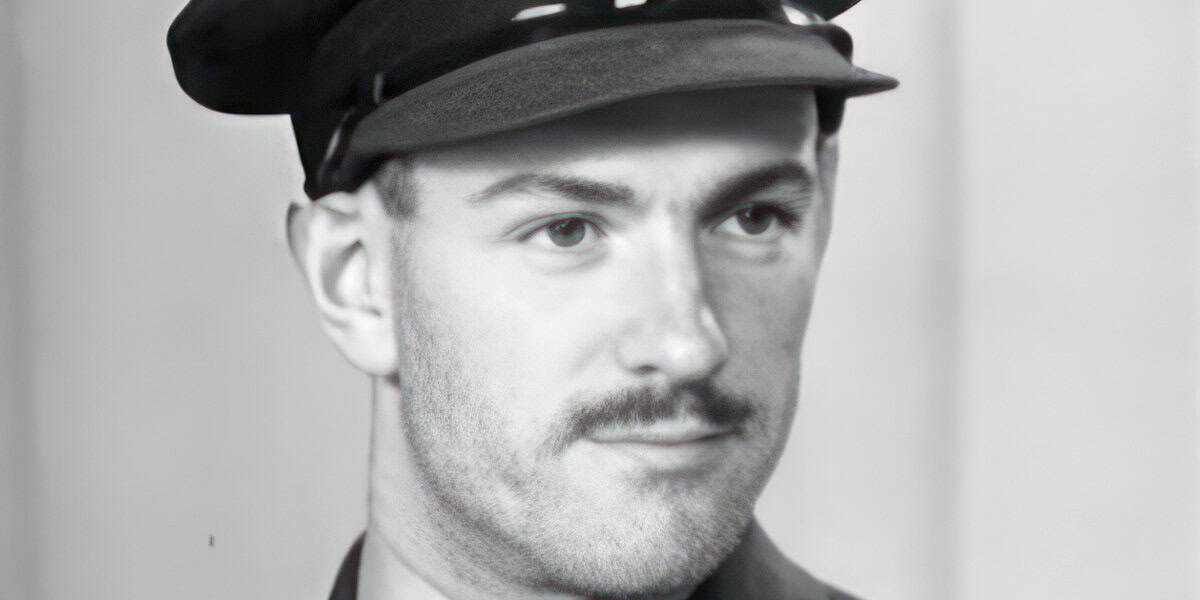
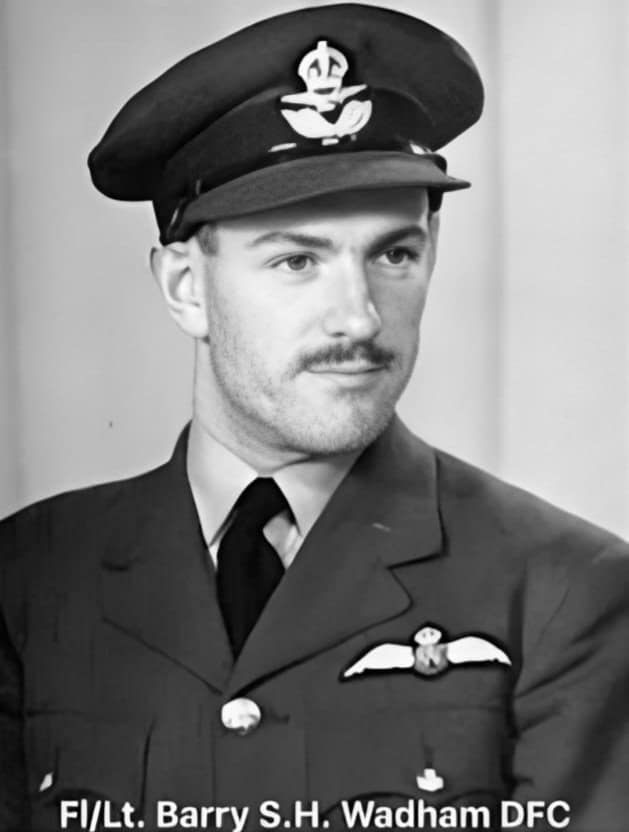
On that day, over Hamburg, Germany, a young airman born on the Isle of Wight was serving on what would become his final mission. His name was Barry Simpson Herridge Wadham.
A childhood on the Isle of Wight
Born on 3rd May 1923 in Cowes, Barry Wadham was the son of Simpson Charles and Georgina Ellen Wadham.
He grew up in a loving household, raised with strong values of integrity, responsibility, and hard work. He was later educated at Crewkerne School in Somerset, where he continued to develop into a young man of promise and discipline.
Answering the call
As war swept across the globe, Barry made a life-altering decision. Determined to play his part in the struggle for freedom, he joined the Royal Air Force in October 1941 and trained in Canada as a Lancaster bomber pilot.
He later became a proud member of No. 7 Squadron RAF, and his path would ultimately lead him to the skies over Europe, where every mission demanded unwavering courage.
More than 50 missions over enemy territory
Barry went on to serve with distinction in the bombing campaign over occupied Europe, completing more than 50 operational sorties.
Time and again, he flew into the heart of enemy territory, facing flak, searchlights, and night fighters, demonstrating remarkable resilience and perseverance in the face of unrelenting peril.
The raid on Hamburg
On 5th April 1945, Barry and his crew took off at 7.55pm from RAF Oakington in Cambridgeshire as part of a major raid against an oil plant on the outskirts of Hamburg.
His Lancaster III was one of a formation of 327 aircraft assigned to strike the Rhenania-Ossag refinery at Harburg, a critical installation in the German war machine capable of producing vast quantities of fuel and industrial materials.
Shot down over the Elbe
As the formation reached the target, Barry’s aircraft came under intense enemy fire. Struck by German flak, the Lancaster exploded in mid-air.
The wreckage was torn apart and scattered across a wide area of around 500 square yards near the north bank of the River Elbe, close to the Hamburg–Harburg railway bridge. Eyewitness accounts later described the devastating scene, with debris spread across the landscape and the remains of the crew recovered in and around the fuselage.
A family’s grief, a nation’s debt
Barry was just 21 years old when he lost his life in the service of his beloved country, with so much of his life still ahead of him. His parents were left in deep sorrow, carrying their grief for the rest of their lives, a wound that time could never truly heal.
His father, Simpson, passed away on 28th November 1966, followed by his mother, Georgina, on 1st April 1976. Both were laid to rest at Northwood Cemetery in Cowes.
Remembered in Germany and at home in Cowes
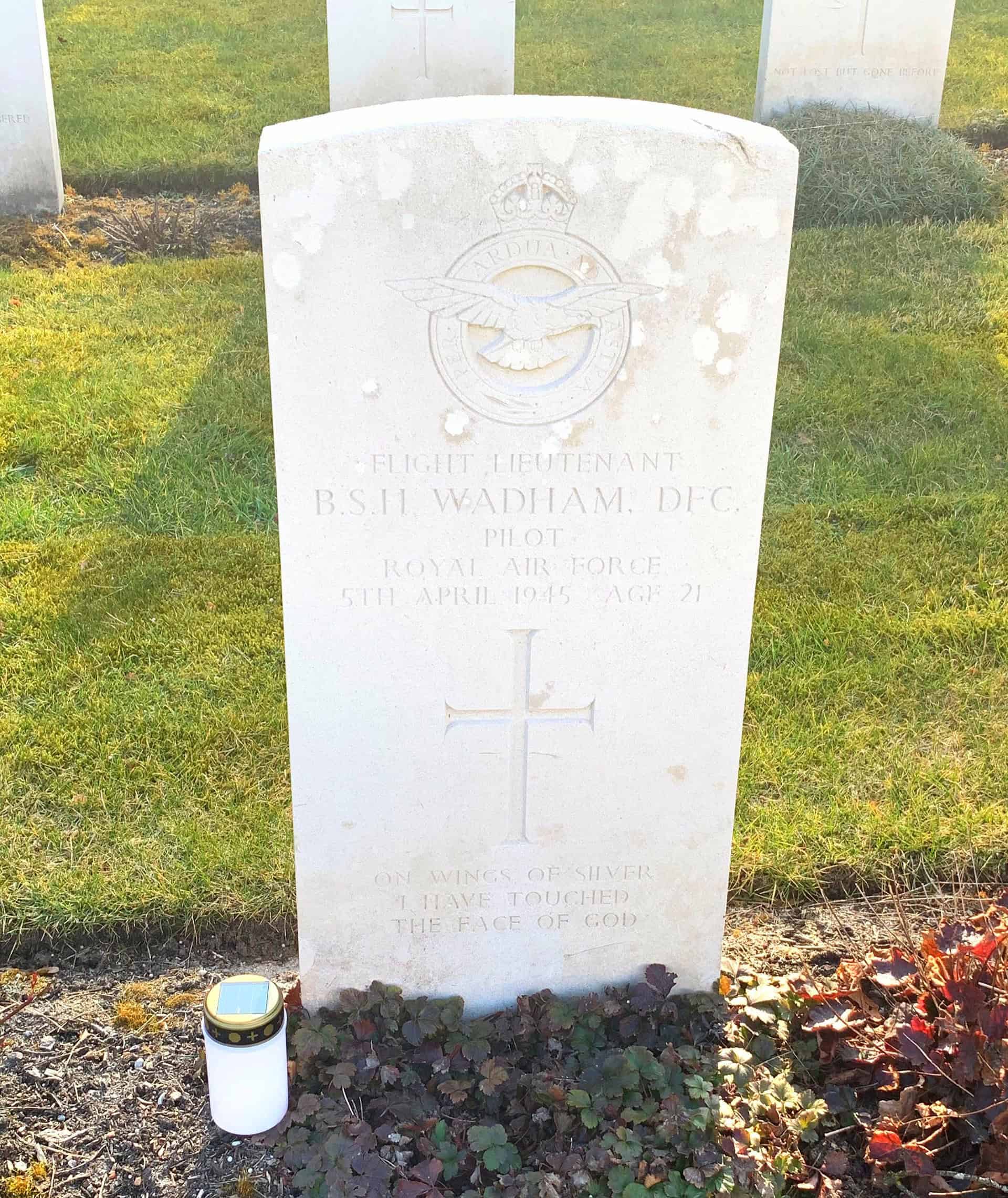
Today, Barry rests in peace at Becklingen War Cemetery in northern Germany, among 2,374 Commonwealth servicemen who also gave their lives for freedom.
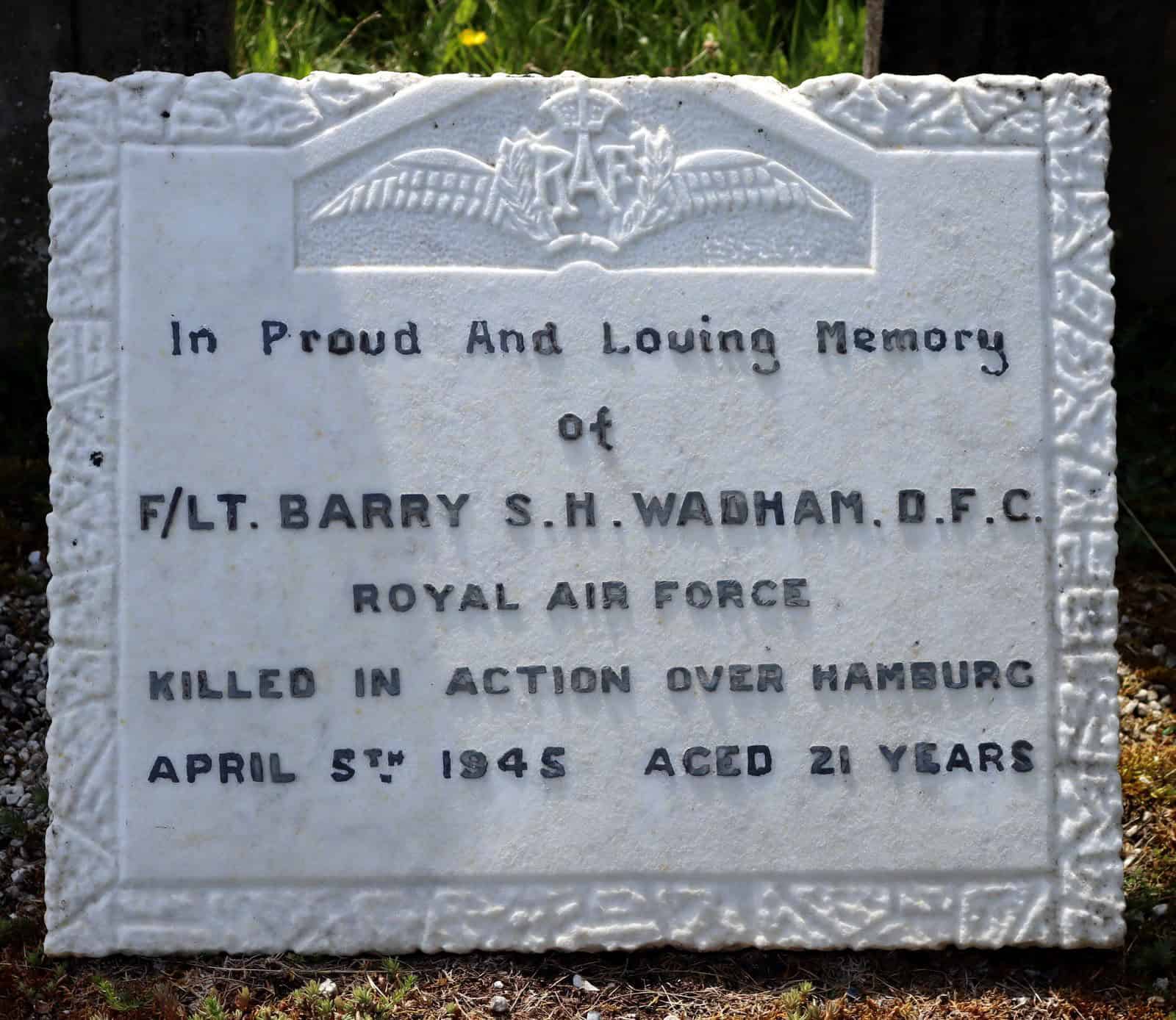
His memory is also preserved at home, in Cowes on the Isle of Wight, where a memorial headstone at Northwood Cemetery stands as a lasting tribute to his sacrifice.
A legacy worth carrying forward
During the Second World War, countless men and women from the Isle of Wight answered the call when it mattered most.
Their legacy endures in the world they helped shape – in the quiet beauty of ordinary moments, families gathered together, the glory of a sunrise marking a new day, and the freedom to speak, love, and live without fear.
It is found in children laughing, couples walking hand in hand, neighbours helping one another, and people striving for justice. Their sacrifice calls us to live fully and with purpose, knowing that every step we take toward a better world is one they dreamed of but never lived to see.