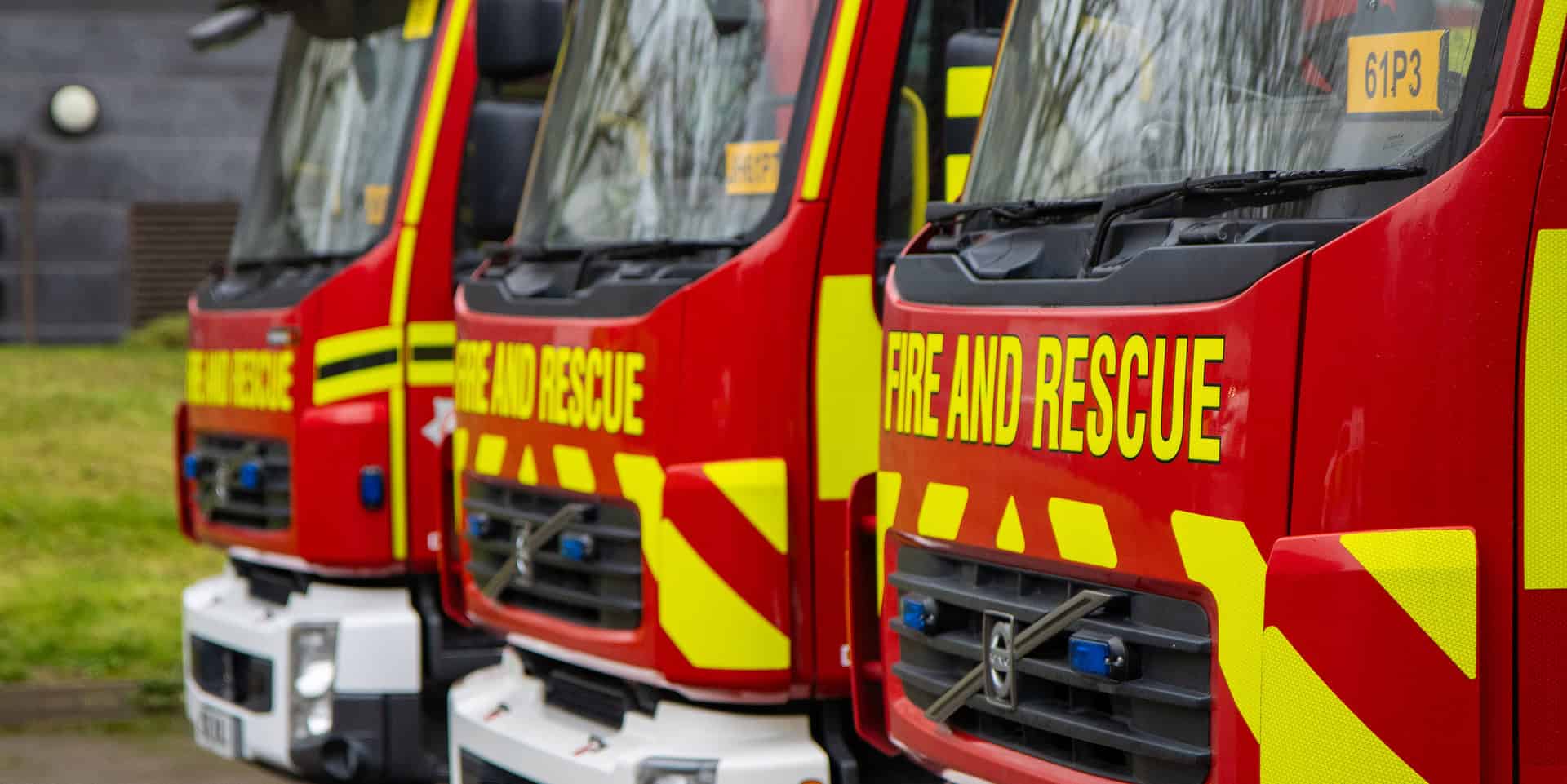
Hampshire and Isle of Wight Fire and Rescue Authority has agreed further investment in frontline services as part of its plans to ensure the Service is equipped to meet current and future demands.
At its meeting on 8th October 2026, the Authority agreed changes to the capital programme and the reprioritisation of some planned expenditure to enable investment in areas where pressures have been identified.
What the investment covers
The areas of investment agreed were:
- Creating twelve additional permanent firefighter posts, increasing operational capacity and flexibility.
- Additional frontline officer posts, strengthening command resilience during major incidents.
- Additional investment in specialist capabilities, including Urban Search and Rescue (USAR) to ensure the Service is prepared for the most challenging and complex incidents.
How it will be paid for
To enable this investment and meet future financial challenges the following was agreed,
- Deferring expenditure on vehicles and the estate releasing funds in the short-term to meet pressures while maintaining a longer-term programme of investment.
- Reducing the planned annual contribution to reserves
- Bringing reactive maintenance of the estate in-house
- Fighting for fairer funding, continuing to make the case for sufficient national funding for fire and rescue services alongside potential additional council tax flexibility.
Funding squeeze and an exceptional summer
The Authority has been faced with a combination of a reduction in funding and higher costs due to inflation and delivery pressures.
In addition it has been an exceptionally busy summer for firefighters. During July and August, crews responded to around 1,400 fires in the open, including 75 wildfires, with major incidents declared at Headon Warren and the A31 in the New Forest. The A31 wildfire required around 5,500 hours of operational resource and was the largest incident in the Service’s history.
‘A choice to put people first’
Prad Bains, Chair of Hampshire and Isle of Wight Fire and Rescue Authority, said,
“We need to make sure the Service can meet the pressures it faces today, while also planning for the future.
“We know the financial picture is challenging, but we’re continuing to invest where it matters most, strengthening our frontline and ensuring the Service has the people and resources it needs to respond when our communities need it most.”
Assistant Chief Fire Officer, Ben Allen said:
“These decisions reflect a choice to put people first. Buildings and vehicles remain important, but our immediate priority is to invest in the people and capabilities that directly deliver operational response, firefighter safety and community safety.
“The exceptional demands we experienced this summer demonstrated just how important it is that we continue to invest in our frontline and ensure the Service is ready to respond to the changing risks we face.”
What happens next
The Authority will continue to develop its plans over the coming months, with an updated Medium Term Financial Plan and budget proposals for 2027/28 due to be considered in February 2027.
News shared by Hampshire and Isle of Wight Fire and Rescue Authority. Ed