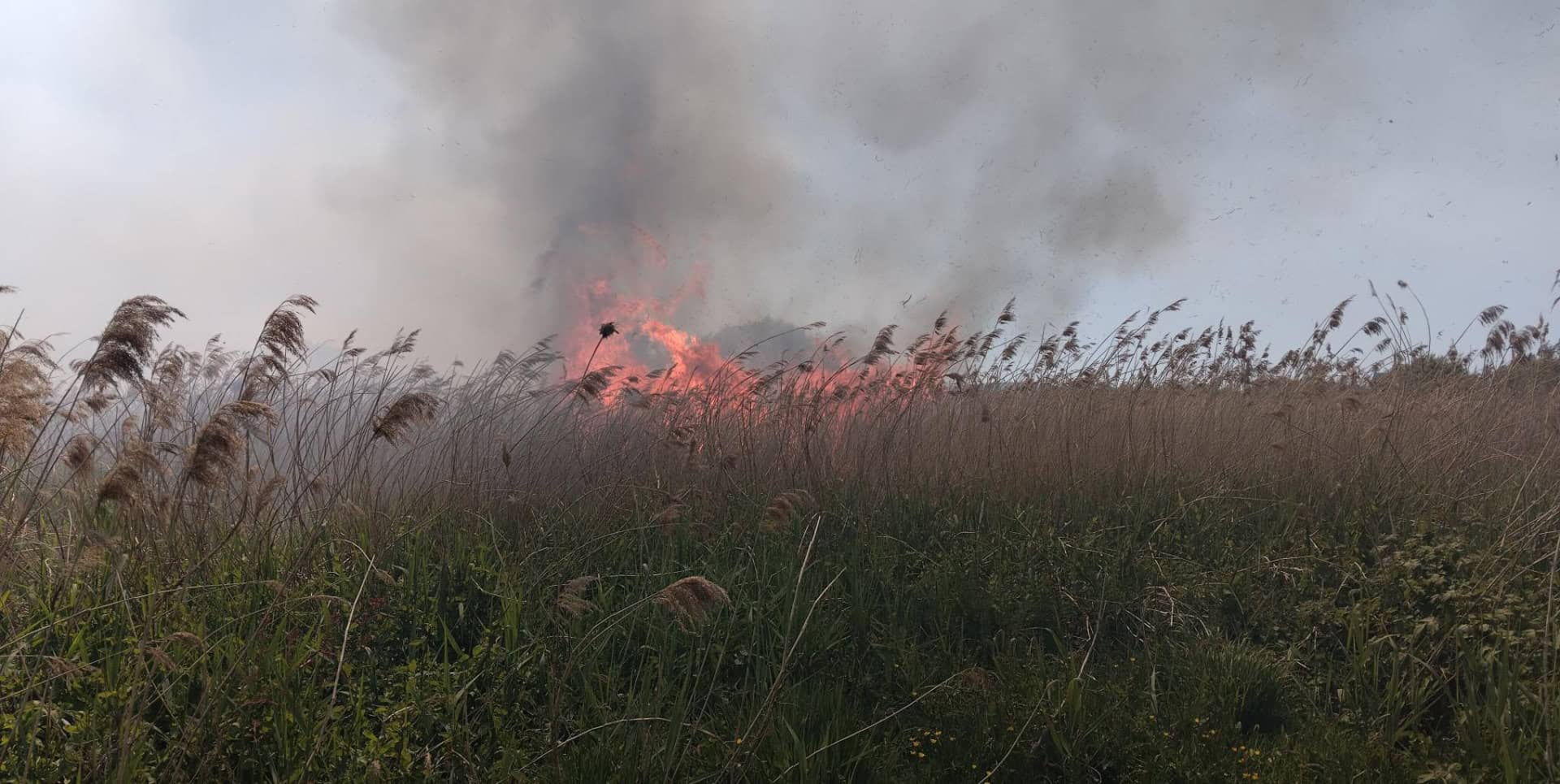
Fire and rescue staffing levels have not kept pace with the risks, the Fire Brigades Union (FBU) has warned amid a 54 increase in outdoor fires across Hampshire and the Isle of Wight.
Austerity legacy compounding climate pressures
FBU general secretary Steve Wright told the Local Democracy Reporting Service (LDRS) climate change is making wildfires and extreme weather incidents more likely, just as services are still dealing with the legacy of austerity.
The surge in outdoor fires in 2025/26, compared with the previous year, is driven mainly by grassland, woodland and crops blazes from ‘prolonged periods’ of hot weather during the 2025 summer, according to a report from Hampshire and Isle of Wight Fire and Rescue Service (HIWFRS).
Twelve thousand firefighter posts lost since 2010
Mr Wright said,
“The increase in outdoor fires in Hampshire and the Isle of Wight reflects a challenge being faced across the UK. Climate change is increasing the risk of wildfires and extreme weather incidents at the very time that fire and rescue services are still dealing with the legacy of years of cuts.
“Since 2010, the UK has lost around 12,000 firefighter posts and response times have slowed significantly. Firefighters are being asked to do more with less, while the risks facing the public continue to grow.
“The lesson is clear: if we want safer communities, we need more firefighters, better resources and sustained investment in the fire and rescue service.”
‘Growing pressures’ on local crews
Dave Hunt, brigade secretary of Hampshire and Isle of Wight FBU, said members continue to do an ‘outstanding job’ protecting communities across the region but the increase in outdoor fires highlights ‘growing pressures’ facing the service.
He told the LDRS,
“Firefighters are responding to more complex incidents and increasingly challenging weather conditions, yet staffing levels have not kept pace with the risks.”
Wider duties adding to the strain
Firefighters have a broader range of duties than ever before including prevention and protection work, responding to extreme weather events, flooding and other emergencies, the FBU said.
Sickness levels reflect a workforce under pressure
HIWFRS’s report also noted the service has seen a slight increase in sickness, primarily the result of musculoskeletal related absence.
The FBU said sickness and absence levels reflect a workforce operating under sustained pressure and that when staffing levels are already stretched, resilience is reduced further making it harder to maintain effective emergency response when multiple incidents occur simultaneously.
HIWFRS has been approached for comment.
This article is from the BBC’s LDRS (Local Democracy Reporter Service) scheme, which News OnTheWight is taking part in. Some alterations and additions may have been made by OnTheWight. Ed