The Isle of Wight Biosphere Festival returns later this month with a packed programme of events across the Island between 27th June and 5th July 2026.
Some of the headline activities will already be familiar to regular festival-goers, but tucked among the schedule sits a handful of genuine hidden gems, events that deserve a second look and a place on your itinerary.
Whether you come for the craft or the conservation, the science or the stillness, the festival is as much about the conversations it sparks as the events themselves.
Brew your own adventure
Fancy growing your own beer?
The Wild Fermentation workshop at Nunwell, run with Wight Knuckle Brewery, offers exactly that chance.
It’s a hands-on introduction to a process most of us only ever encounter at the drinking end.
Three ways in for young people
Younger Islanders get three distinct routes into the festival this year.
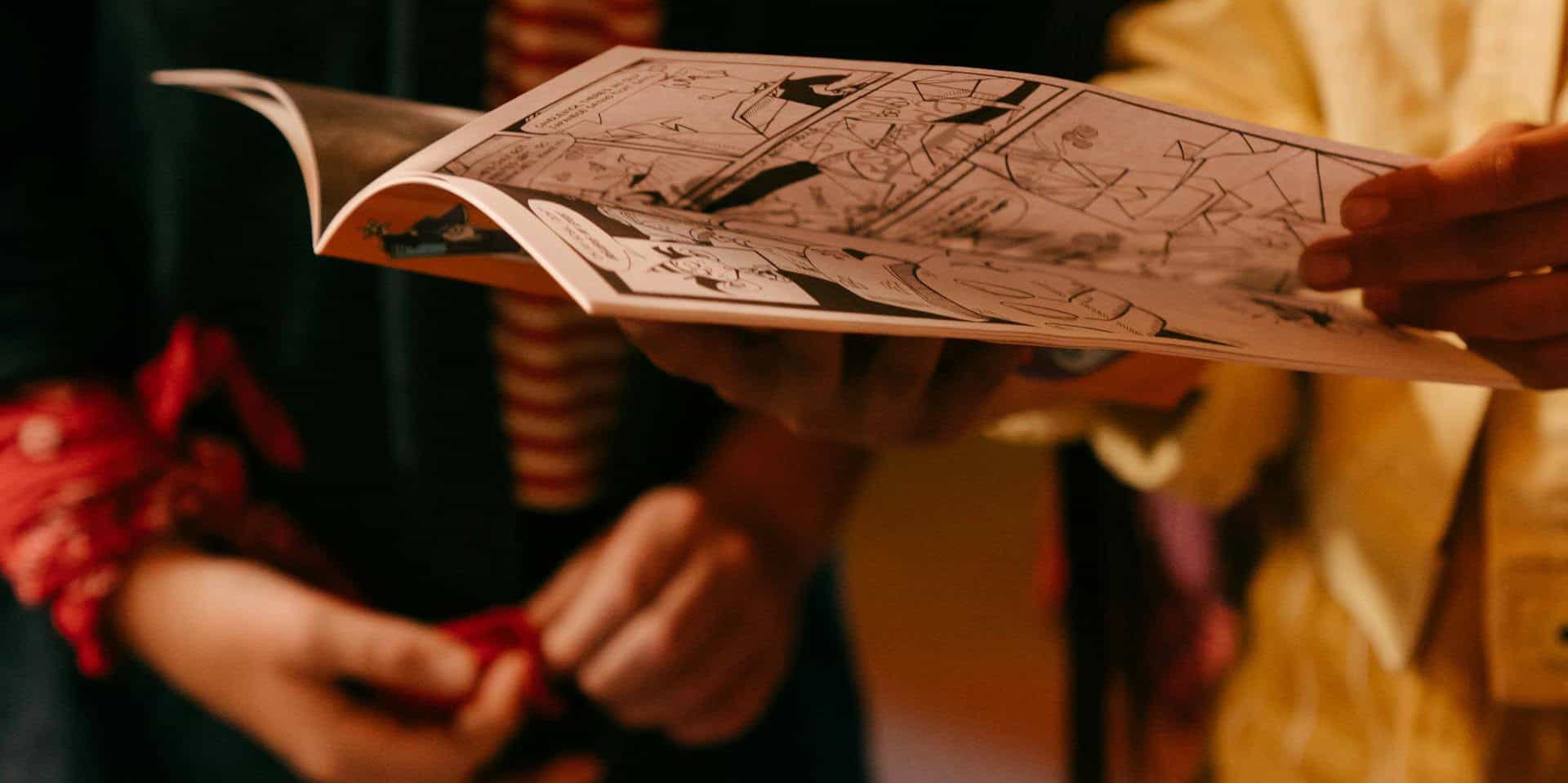
The Zine Making Workshop lets budding writers and artists put together their own publication.
Nature Safari turns exploration into an adventure for curious minds.
And the Newport Game brings a fresh, playful way to engage with the town and its surroundings.
Between them, these three events give children and teenagers genuinely different ways to connect with nature and creativity.
Moments of quiet reflection
Not every festival event needs to be loud or active, and several this year lean into stillness instead.
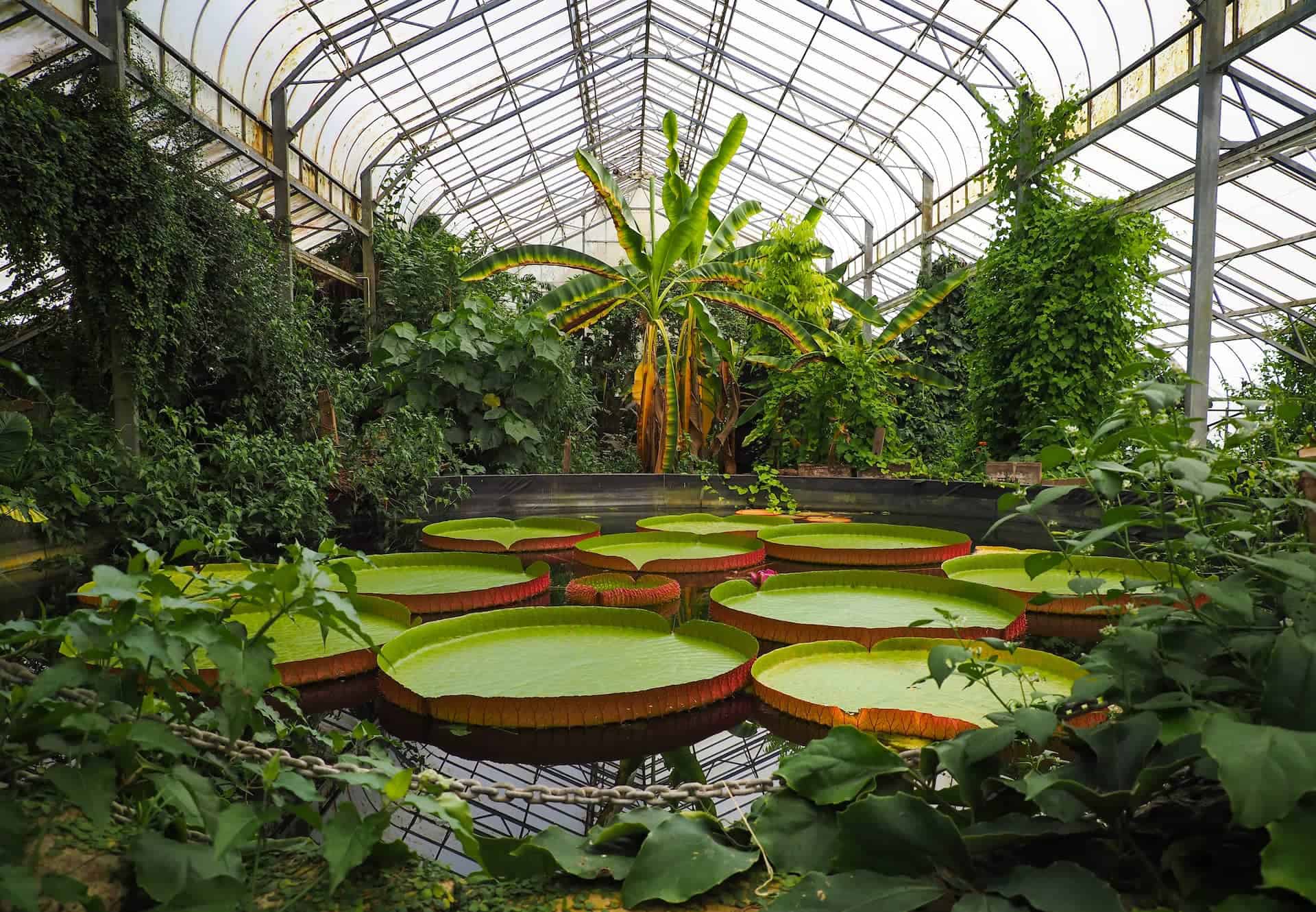
Step into the Glasshouse offers an immersive experience inside a living landscape, a chance to simply be present in a space shaped by plants.
You could pair that with Write Back to Nature, a session built around putting pen to paper in response to the natural world.
The Nature Connection & Mindfulness Workshop at Brading Roman Villa offers another route to slowing down, this time against a backdrop of Roman history.
Deep Time Walks at Brighstone and at Newtown invite you to think on a geological timescale, walking through landscapes shaped over millions of years.
Ocean Flow Yoga at Compton rounds out this contemplative strand, combining movement with the rhythm of the sea.
Talking climate, watching change
Climate change sits at the heart of three People’s Emergency Briefings, held in Gurnard, Newport and Freshwater.
Each gives Islanders a chance to discuss local action and think through what meaningful change looks like on our own doorstep.
You could combine one of these briefings with a screening of the documentary 2040, showing at Ventnor Arts Club on both the Wednesday and the Thursday.
The film offers a genuinely positive vision of the future, a useful counterweight to some of the heavier conversations climate change can provoke.
Why some trees come down
Few topics stir local feeling quite like the felling of trees, and the festival tackles that head-on.
Why Cut Down Trees brings tree expert Matt to explain the conservation reasoning that often sits behind decisions that can look, on the surface, like simple destruction.
Medina Bookshop hosts a related event mixing talk of trees and woodland management with tree-inspired songs from Paul Armfield.
Younger audiences might prefer Stories Under the Tree in Shanklin, a gentler way into the same themes.
And for those following the ongoing concerns about landslips in St Lawrence, a dedicated tree walk examines the issue through a historical lens.
Where farming meets conservation
The Farming and Conservation Walk and Talk takes participants out onto Headon Warren to see how the two disciplines can work hand in hand rather than at odds.
It’s a practical demonstration of land management that balances productivity with protecting wildlife.
Nature takes the stage
Two performances this year put nature directly in the spotlight.
The Music of Plants poses an intriguing question: what might it sound like if plants performed in concert?
Ebb and Flow brings a dance performance inspired by the natural world to a setting by the Medina.
Learning through play and craft
The Nature Fresk Workshops, held at Ventnor Botanic Garden and at Boojum and Snark, give participants a structured way to learn about and discuss the challenges facing local biodiversity.
Elsewhere, craft sessions cover jewellery making, weaving, abstract painting and poetry, each offering a different creative lens on the festival’s themes.
Digging into Island history
History runs through several festival events too.
Biosphere archaeology sessions offer a fresh way of reading the landscapes we walk through every day.
The new Museum and Maritime Archaeology Centre opens with Historic Shores and Shipwrecks, shining a light on the Island’s maritime past.
A more recent slice of history comes via the Freshwater Circle walk, which follows in the footsteps of pioneering photographer Julia Margaret Cameron.
Getting your hands dirty
Community growing and gardening feature heavily across the festival.
Allotment open days at Northwood and at Moorgreen welcome visitors to see what local growers have been cultivating.

Community growing sessions take place in Ryde and in Gurnard, alongside a second Ryde event later in the programme.
Open gardens in Bonchurch round out this strand, giving a glimpse into private green spaces not normally open to the public.
Cleaning up our coastline
Beach cleans at Watershoot Bay and at Bembridge offer a direct, practical way to get involved.
Protecting the marine environment starts with exactly this kind of hands-on effort.
More than just an event
Beyond the individual sessions, the festival offers something harder to put on a programme listing.
It’s a genuine chance to meet other people who share your interests, swap stories and compare notes.
Many events put you face to face with real experts, people happy to answer the questions you’ve always wanted to ask.
And every walk, talk or workshop adds another thread to your understanding of what’s happening across our Island.