Islanders are being encouraged to help protect the Isle of Wight’s rivers, wetlands and coastline during Invasive Species Week 2026.
Island Rivers, hosted by Natural Enterprise, is asking residents, walkers, water users, gardeners, landowners and volunteers to help build a clearer picture of where invasive non-native species are present across the Island.
Current hands-on project work is focused mainly on the River Medina and Eastern Yar catchments, but Island Rivers is especially keen to hear from people who live near, walk past, work beside or regularly visit other streams, ditches, ponds, wetlands and wet corners of the Isle of Wight.

Why invasive species matter on the Isle of Wight
Invasive non-native species, often shortened to INNS, are plants, animals or other organisms that have been moved outside their natural range and can spread in ways that harm wildlife, habitats, people or the economy.
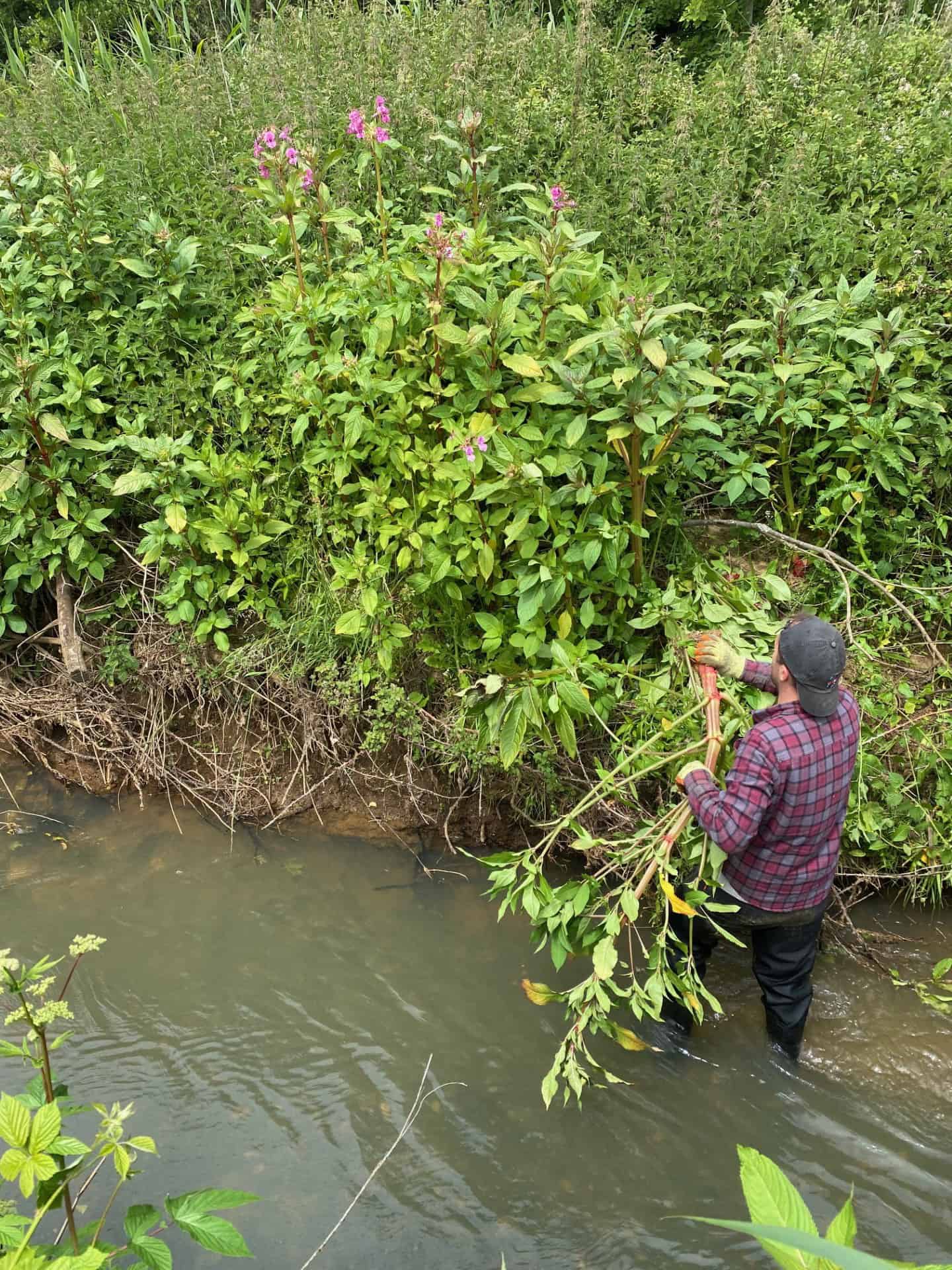
On the Isle of Wight, species such as Himalayan balsam and Japanese knotweed can dominate riverbanks, reduce native plant diversity, increase erosion risk and make long-term river restoration harder.
Seb Taylor, Rivers and Invasive Species Project Manager at Natural Enterprise, said,
“This is the time of year when many invasive plant species become much easier to spot. Bright pink Himalayan balsam flowers, towering stands of Japanese knotweed or giant rhubarb, or other unusual plants along rivers, streams, ditches and wetlands can all be really useful records.
“Our current hands-on project work is focused mainly on the River Medina and Eastern Yar, but invasive species do not stop neatly at project boundaries. We are really keen to hear from people who know other wet areas on the Island well and any INNS they know of.
“Even a single clear photo and location can help us build a much broader picture of where invasive species are present, including places where we may not yet have active project work.”
How to record what you see
Island Rivers is encouraging people to record sightings of invasive non-native species using INNS Mapper, a national recording tool that helps show where invasive species are present and where action may be needed.
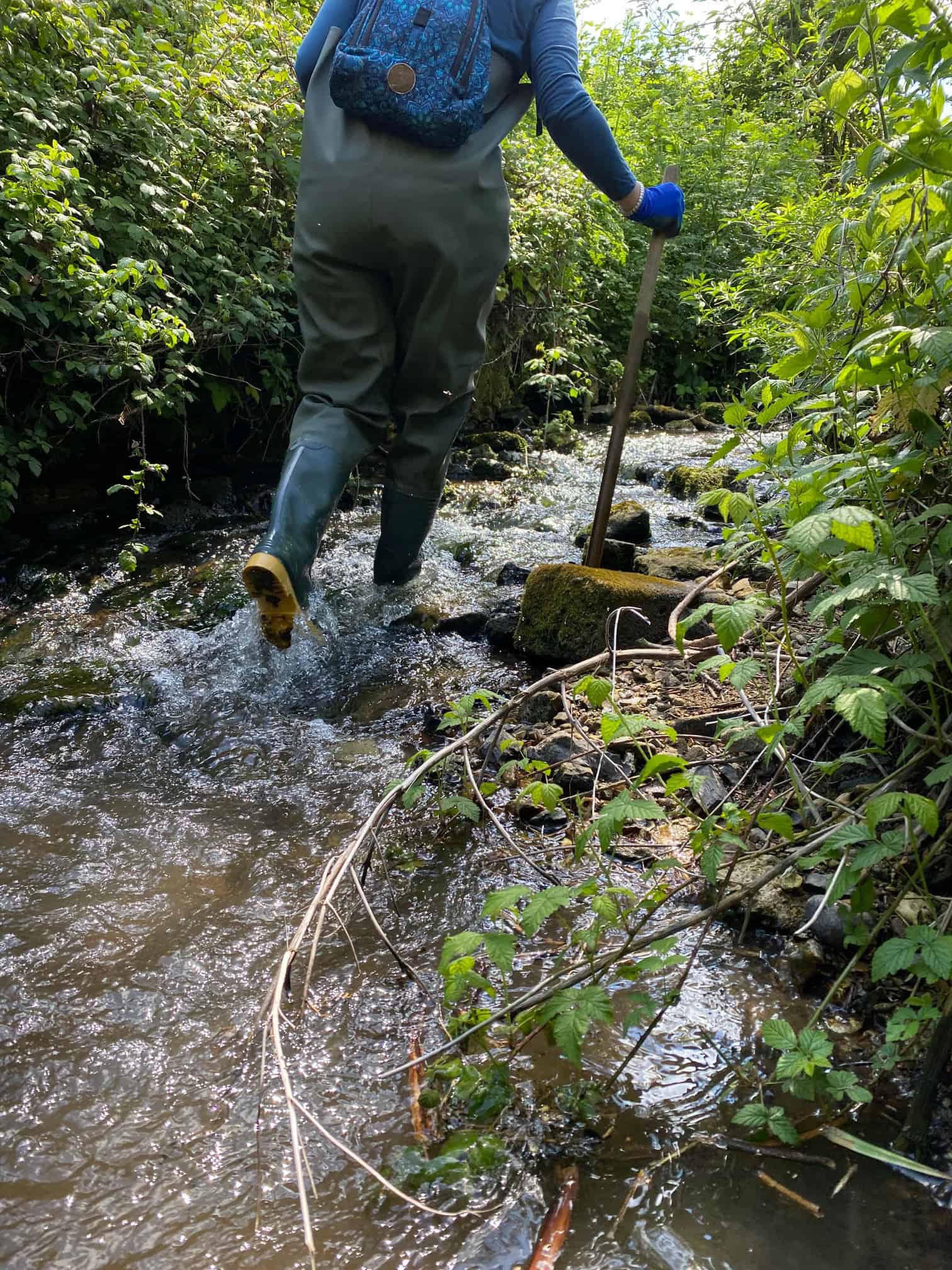
People can also contact Seb directly if they would like simple ID sheets for the main problem plants to look out for, including Himalayan balsam, Japanese knotweed and giant hogweed.
This week’s national themes also highlight simple steps people can take to prevent the spread of invasive species.
Advice for water users and gardeners
Water users are being asked to follow the Check Clean Dry message after boating, kayaking, paddleboarding, angling or spending time in and around water. Boats, boards, wetsuits, waders, boots, trailers and other equipment can accidentally carry plant fragments, seeds, larvae or small animals from one place to another.
Gardeners and pond owners are also being asked to Be Plant Wise by avoiding dumping garden waste, pond plants or soil near streams, ditches, ponds, wetlands or woodland edges.
Get involved as a volunteer
Seb added,
“Some invasive plant problems start with very ordinary actions, such as tipping garden waste near a stream or dumping pond plants in a ditch. Prevention is far easier, cheaper and better for wildlife than trying to control a problem once it has escaped into the wider environment.
“We’re also always keen to hear from people who want to help practically. Our wonderful Island Rivers volunteers help with Himalayan balsam pulling, site checks and protecting the progress made over several years. No specialist knowledge is needed, just a willingness to get stuck in and help look after the Island’s rivers.”

Anyone wanting ID sheets, volunteering information, or advice on reporting sightings can contact Seb Taylor at [email protected] or 01983 296244.
Anyone wanting to volunteer with Island Rivers can sign up via the website.
Useful links
News shared by Seb on behalf of Natural Enterprise. Ed