An Isle of Wight skincare services provider has seen a 22 per cent hike in referrals for skin cancer over the past year.
The scale of the increase
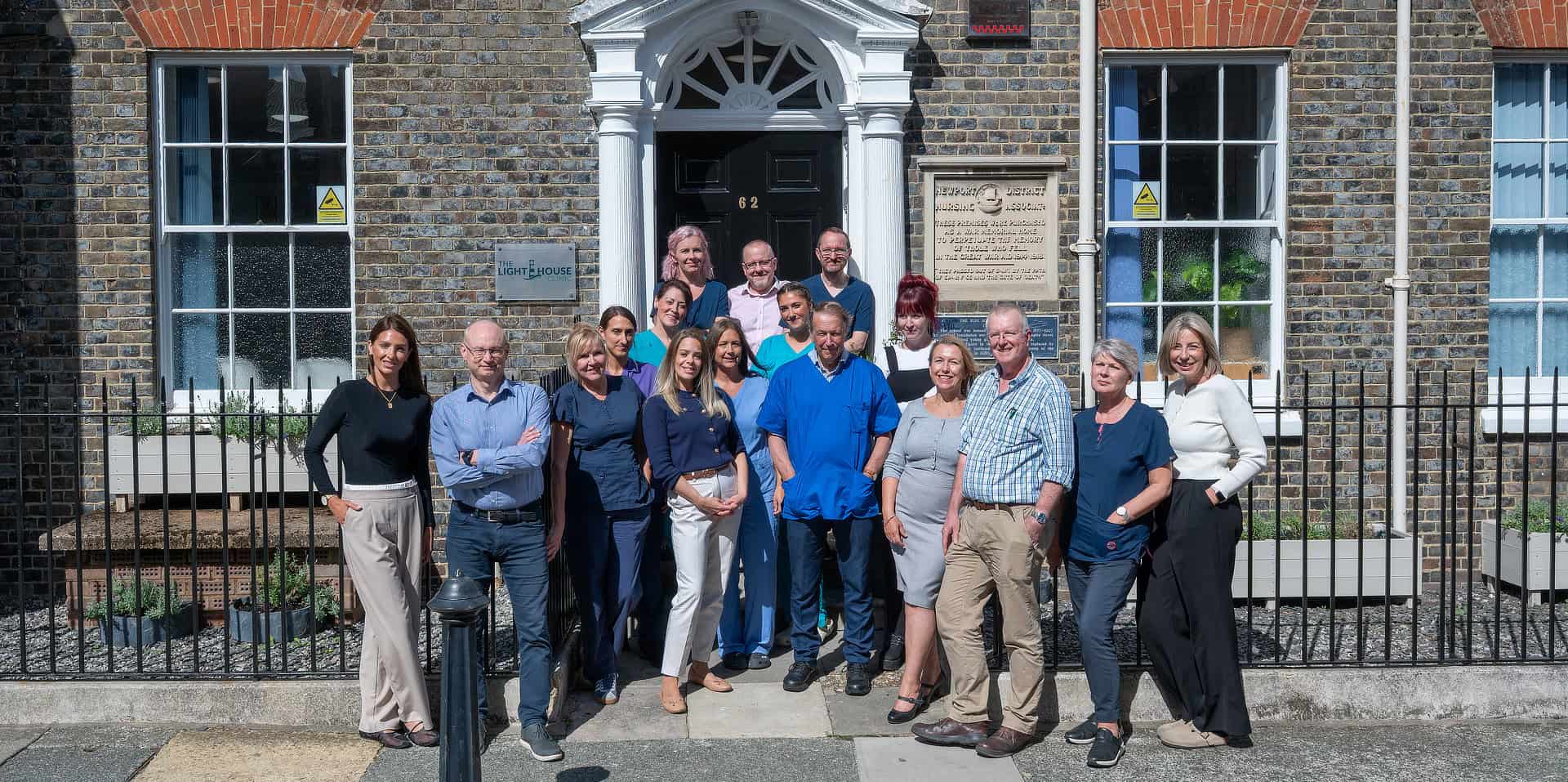
Malcolm White, general manager at The Lighthouse Clinic in Newport, said the surge is “way beyond” the normal increase and that the hub on Crocker Street now sees around six times more people than it did 13 years ago.
Operated by a community benefit society, the non-profit says it exists to improve health and wellbeing across the Island while reinvesting resources into healthcare, education, and initiatives making a lasting difference.
The Lighthouse took over the Isle of Wight NHS Trust’s dermatology service 13 years ago and has run it ever since, first from St Mary’s Hospital and now in the heart of the Island’s county town.
Why the Island is a skin cancer hotspot
Speaking to the Local Democracy Reporting Service (LDRS), Mr White said the Isle of Wight is a “hotspot” for skin cancer due to its older demographic and higher sun index.
He said the condition’s causes are primarily sun damage, with burns in adolescence significantly affecting the chances of getting it later in life.
Understanding the referrals surge
On what’s behind the referrals rise, he said,
“The skin cancers are always there, potentially. The increase we are seeing…although they’re referrals in, a high percentage of them are not skin cancer.
“They are things where people have noticed something that they’re not sure of or a mole has changed – moles change, the body changes over time.
“The rates of melanoma are going up…the bigger percentage is to do with the public awareness.
“If you reach out in enough places as we’re doing, that message is travelling outwards, so every time we see somebody, they will tell their friends.”
Melanoma skin cancer is a variant which can spread to other parts of the body and is mainly caused by ultraviolet light that comes from the sun and is used in sunbeds, according to the NHS.
Mr White added that The Lighthouse Clinic want the public awareness to continue instead of falling away, the latter meaning less referrals and missing cases.
He emphasised that within The Lighthouse’s dermatology service, the aim is to catch high risk cancers in the early stages, ideally one or two rather than three or four where life expectancy is affected.
Public awareness making a difference
The clinic has long tried to raise skin cancer awareness but in the last two years, ramped up its approaches.
Events it has covered include The Garlic Festival and The Chale Show, bringing along trained staff to check people’s skin in addition to handing out leaflets, and the Royal Isle of Wight County Show is a possibility for 2027.
Community outreach across the Island
Other outreach, squeezed in between day jobs, has involved visiting numerous hospital departments, councils, businesses, charities, emergency services and schools across the Island.
Mr White said over the years he has sadly seen a lot of people at the “wrong end” of skin cancer.
A vindication of early detection efforts
But in 2026, in a vindication of The Lighthouse’s efforts, the clinic can now point to an eight per cent increase in the early stages of melanoma it sees.
He added,
“That’s massive.
“Those people who may have ended up in a significant problem where the cancer metastasises and goes elsewhere…we are bringing them back to a stage where their chances of survival are really, really good.”
This article is from the BBC’s LDRS (Local Democracy Reporter Service) scheme, which News OnTheWight is taking part in. Some alterations and additions may have been made by OnTheWight. Ed