Taking place between 5th to 11th October 2026, Red Squirrel Awareness Week, is dedicated to increasing awareness of and action for UK red squirrels and their conservation.
It takes place during Squirrel Awareness Month (October). The daily themes for 2026, as set out by the UK Squirrel Accord, can be found below.
Main theme: How can red squirrels recover?
The Isle of Wight has the Solent to deter grey squirrels from reaching our shores, so lucky for us, and our red squirrels, we do not need recovery in the same way as most of the UK does.
Admittedly the hurricanes in the late 1980s did drop the numbers by around 50%, but they recovered over the years and red squirrels now occupy the majority of woodland on the Isle of Wight.
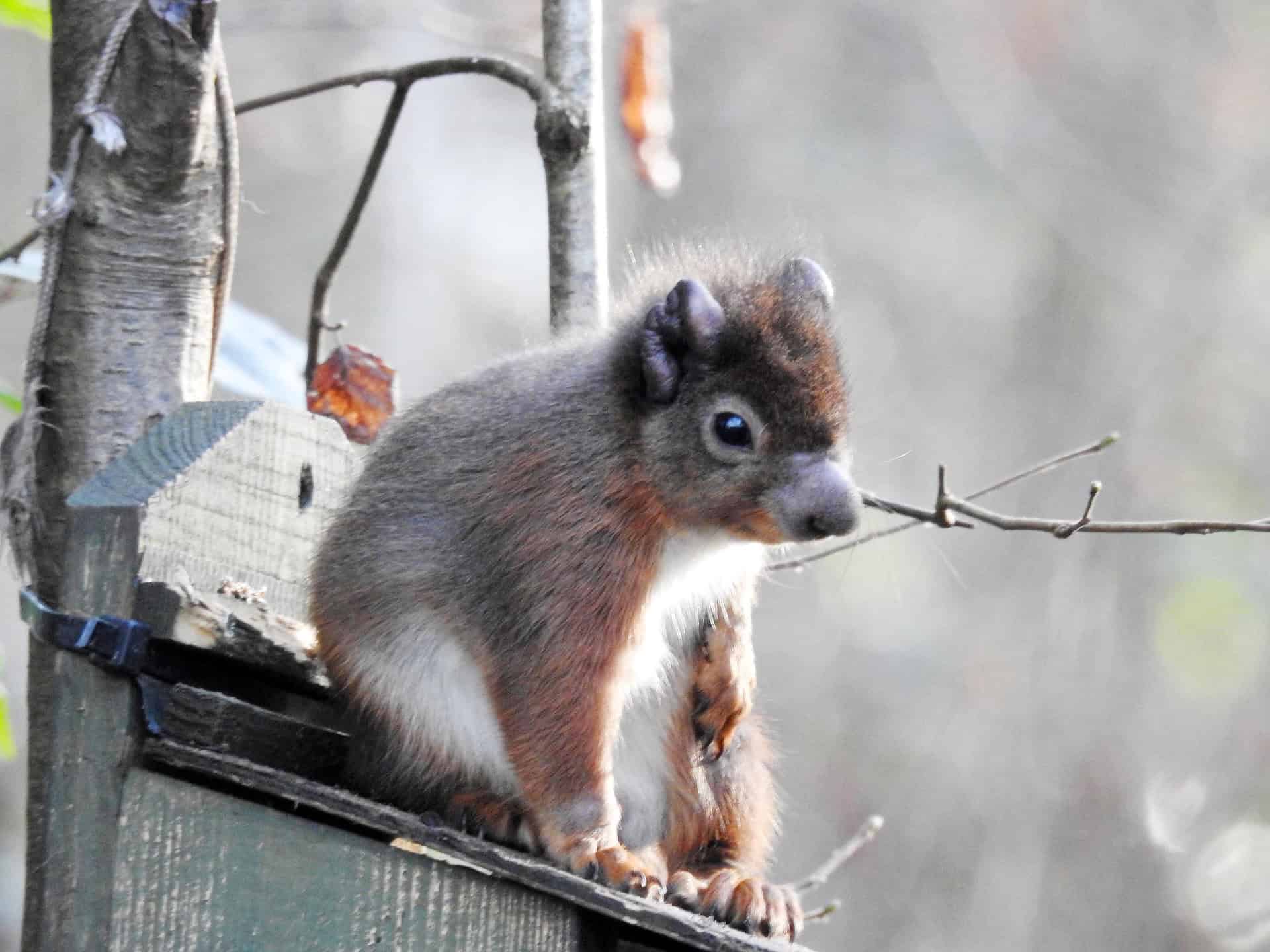
Island survey results
During last winter the all Island red survey, funded and managed by Wight Squirrel Project, was undertaken and red squirrel evidence was found in 93% of woods surveyed. Thanks go to Becky for taking on the task this time.
Results over the years:
- 1997 – 71%
- 2003 – 86%
- 2010 – 90%
- 2016 – 95%
- 2025 – 93%
About Wight Squirrel Project
Wight Squirrel Project, founded in 1993 by Helen Butler, tackles the most important task of monitoring the Island’s red squirrel population.
This includes following up suspected grey squirrel sightings. Science based projects and red squirrel rehabilitation are also Wight Squirrel Project tasks.
Daily themes
Tuesday: Threats facing Island reds
Grey squirrels, habitat loss/fragmentation, road mortality, illness and development are threats our Isle of Wight red squirrels face. With ever more development, there are more cars and more cats (who pass on toxoplasmosis to the squirrels). There is also loss of habitat of course. On the plus side tree planting schemes are popular.
A grey squirrel strategy and protocols are in progress and will be officially launched later this year. Wight Squirrel Project monitors squirrels on the Island and follows up suspected grey squirrel sightings. Reds with grey coats are often misidentified but it is good that people are aware. Please keep it up!
Wednesday: Disease awareness and the role of citizen scientists
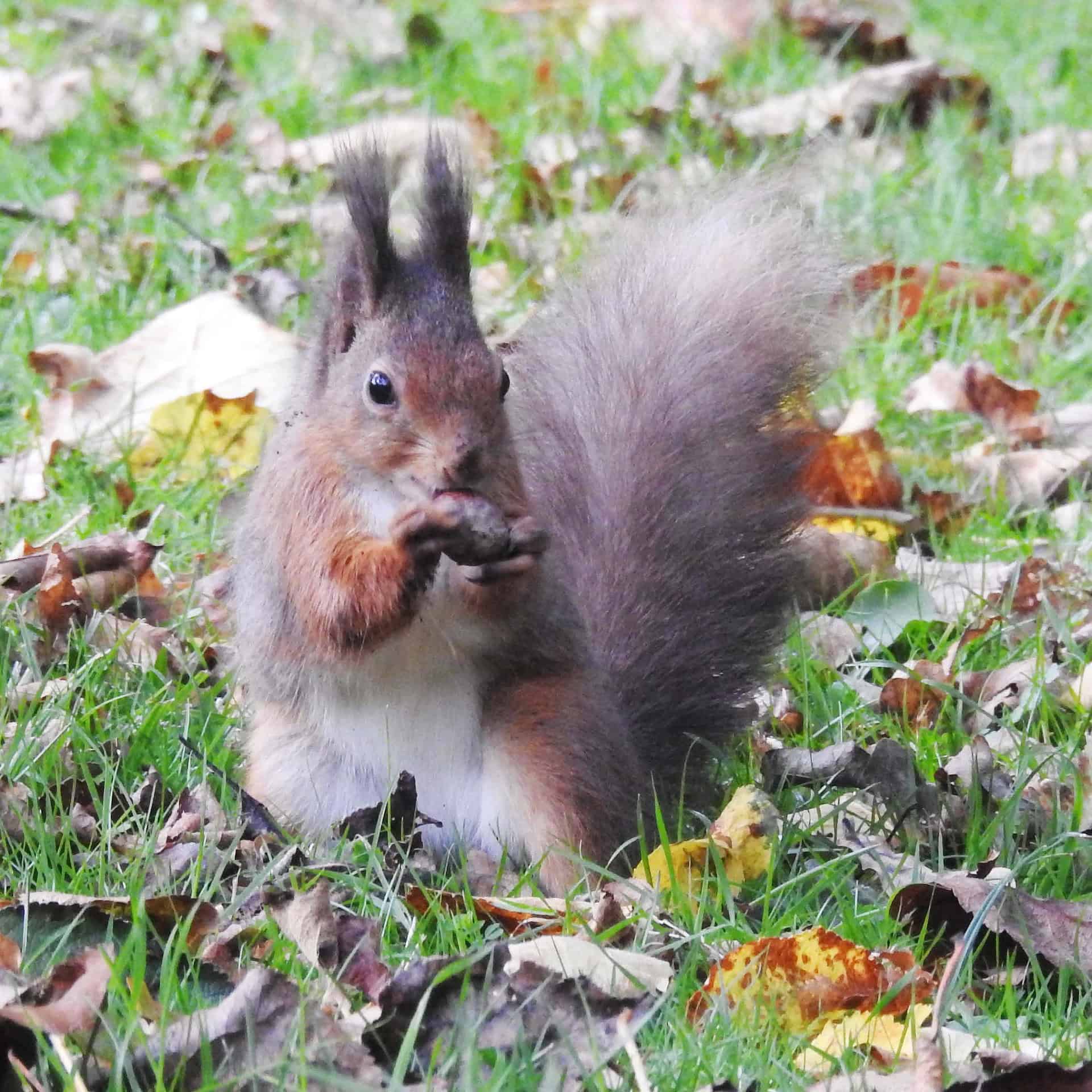
Thankfully, to date, we have not had any squirrelpox on the Isle of Wight. This would only happen if we had grey squirrels, so all the more reason to keep them out. Squirrelpox wipes our red squirrel populations fast.
Wight Squirrel Project is grateful to the general public who tell us about any red squirrel sightings, including sick or injured. In the past, to mention a few, we have dealt with leprosy, Staphylococcus aureus, fenn traps and the ongoing toxoplasmosis problem. Red squirrels seem susceptible to lung infections too. Studies and papers have been published covering these problems – and others.
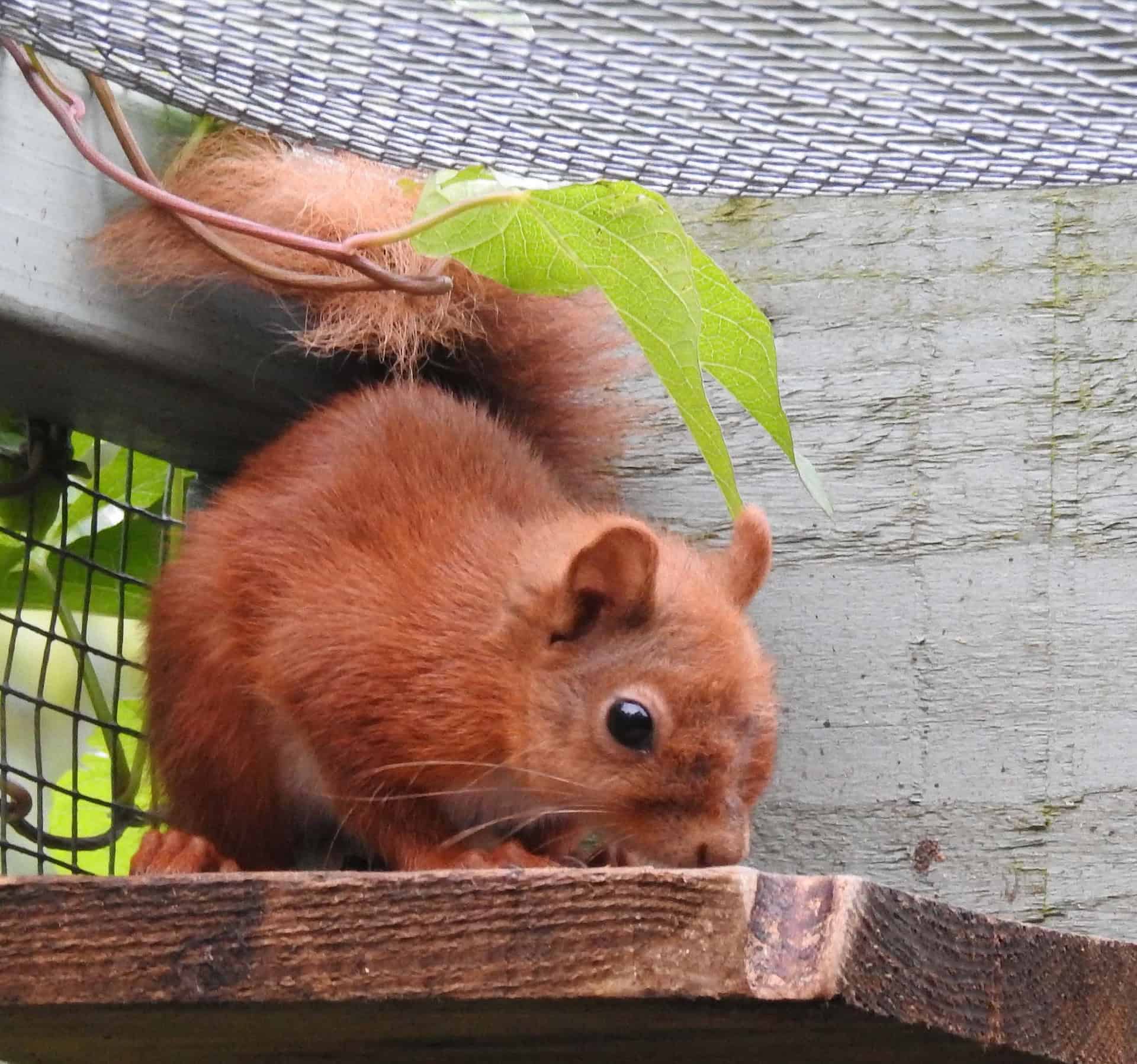
Ears are collected from dead squirrels for use in genetic studies and for identifying illnesses. Using dead squirrels is much better than capturing live ones to take tissue from and we have learnt an awful lot from it.
A big thank you is due to the ‘citizen scientists’ who report dead squirrels and especially those who collect the ears – this is not for everyone!
Thursday: Keeping greys out and protecting habitat
- On the Isle of Wight we must ensure grey squirrels do not establish here. Our reds would quickly disappear thanks to squirrelpox virus and competition for habitat. Greys also damage trees by bark stripping, which causes the tree to die.
- We must look after the habitat and corridor links between habitat. Less habitat – less squirrels!
- The Isle of Wight is also lucky in not having a deer population to nibble away at the hazel understorey. Hazel stools with plenty of light are a good food source.
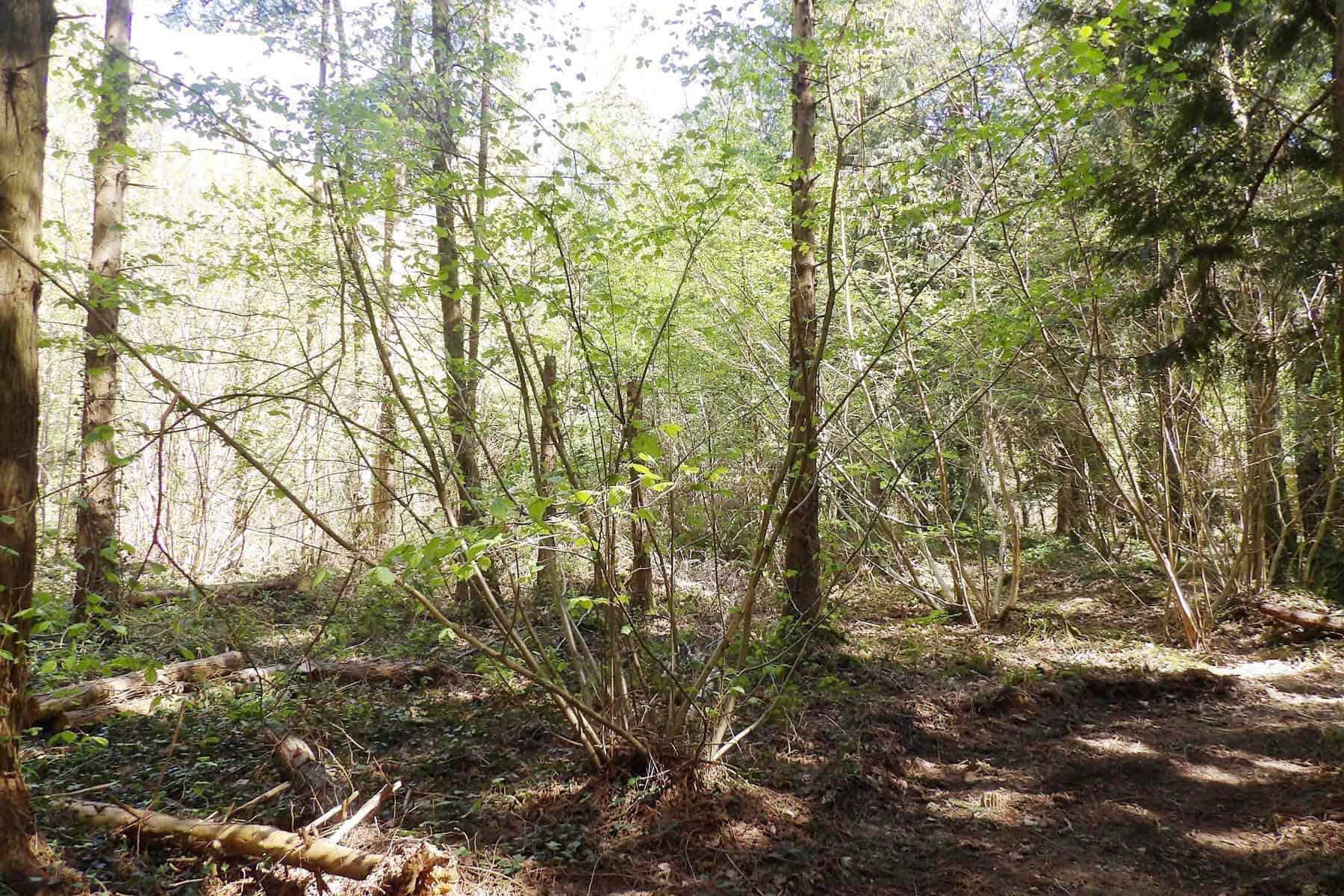
- Encourage woodland owners to restore neglected woods and improving habitat is important to keep them healthy and improve food supply for wildlife. Howes Wood in Ryde is a good example.
- DNA testing has shown our red squirrels are genetically slightly different from other UK red squirrels and the West Wight population is different to the east. As corridor links are better now, testing will be undertaken every 10 years to see if the squirrels are moving across the Island. Also, orphaned squirrels may be released in a different area to where they are found to mix up the genetics.
- Keeping up awareness and reminding ‘citizen scientists’ to report squirrel sightings is an important and ongoing task for Wight Squirrel Project.
Friday: How the population has recovered
Raising awareness over 35 years has seen support for our red squirrels rise year on year.
Helen Butler says,
“Since I started working with red squirrels in 1991 the population has doubled thanks to improved hedgerow links and woodland extended, largely under a scheme called JIGSAW.”
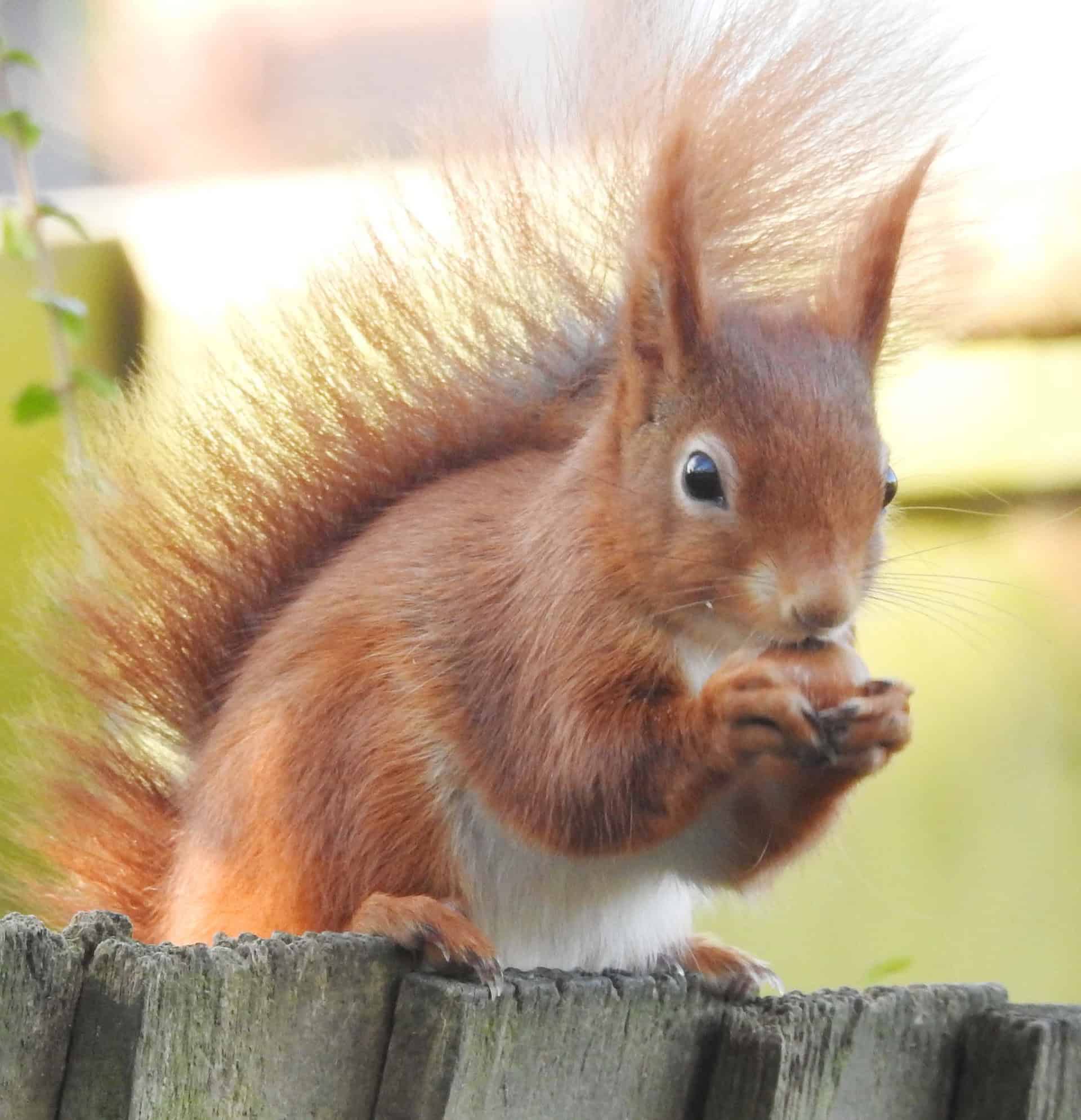
Conservation groups work in partnership with each other, local businesses and the public. Red squirrels are often on a tourists bucket list and they head for the Isle of Wight to see one.
Businesses will include ‘red squirrels’ in their name or use pictures of them to promote their business. This keeps red squirrels in the public eye and helps the economy too.
The Isle of Wight Red Squirrel Forum was formed in the mid 1990’s and is a collaboration of interested organisations, such as the Forestry Commission, National Landscapes, Hampshire and Isle of Wight Wildlife Trust and many others.
The Forestry Commission ran the forum until 2020 when Wight Squirrel Project took it over. Annual meetings include speakers and cover a range of situations that may need addressing, setting up or improving. For instance, thanks to the forum, the tree warden scheme has been revived.
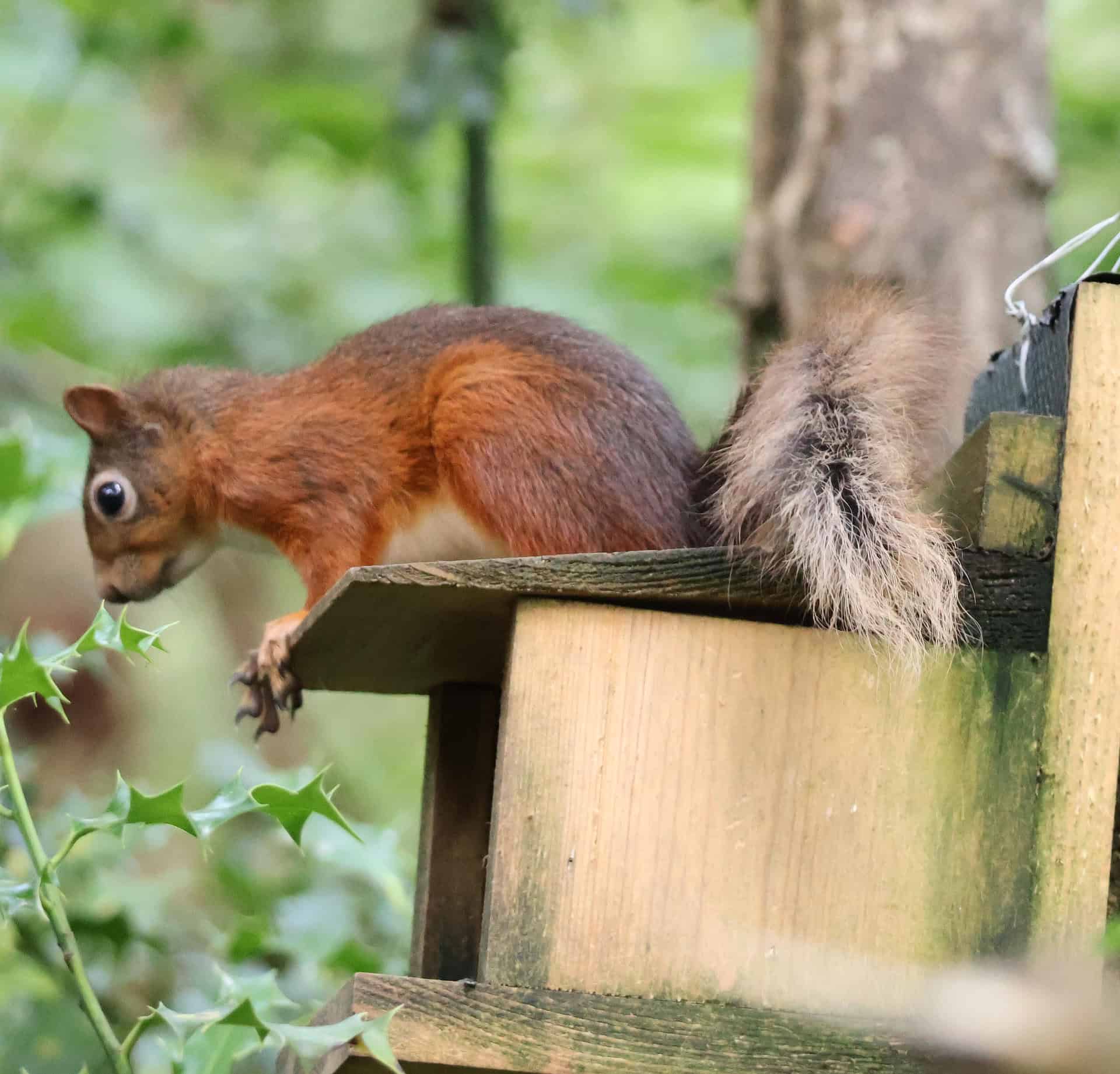
Saturday: Volunteers keep the work going
Red squirrel work would not be here if there were no volunteers as they do everything! Citizen Science is at the root of Wight Squirrel Project work providing baseline data and informing what we need to do to ‘keep the Isle of Wight red.’
This may include looking at disease, investigating possible grey squirrel sightings, habitat loss etc. Some volunteers help look after sick/injured/orphaned squirrels, others help with data, attend shows, fundraise or help with woodland work.
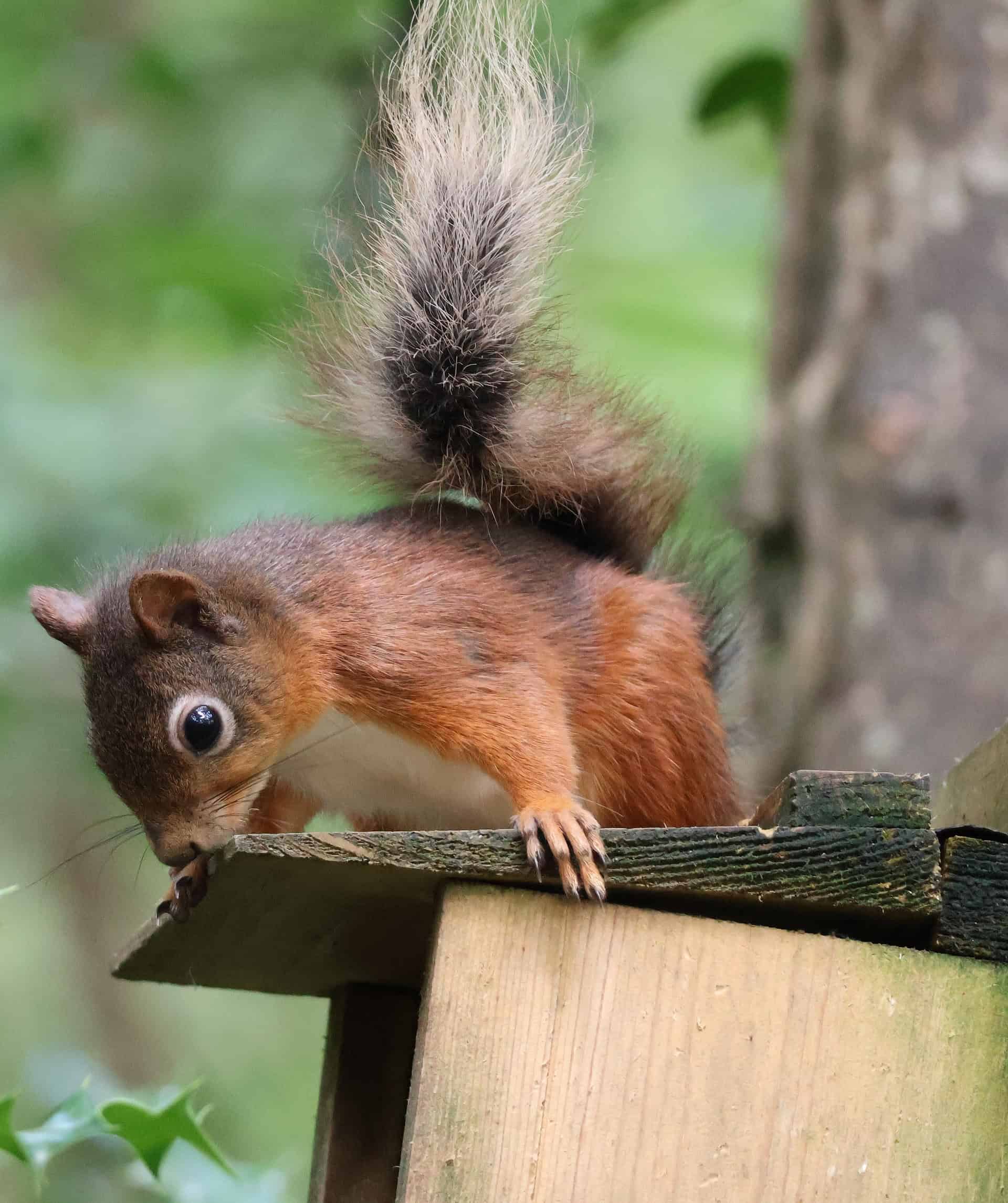
These are only a few examples of volunteer jobs and there are plenty of others! Volunteers are vital to keep red squirrel work going and can’t be thanked enough. Each year a different volunteer holds the Wight Squirrel Project volunteer trophy in recognition of their sterling work.
Helen Butler MBE says,
“I’ve worked with red squirrels as a volunteer for 35 years now and, although I don’t see them very often, I feel I must do my best for them and secure their future. Let’s face it – they are the best!”
Sunday: Why red squirrels inspire
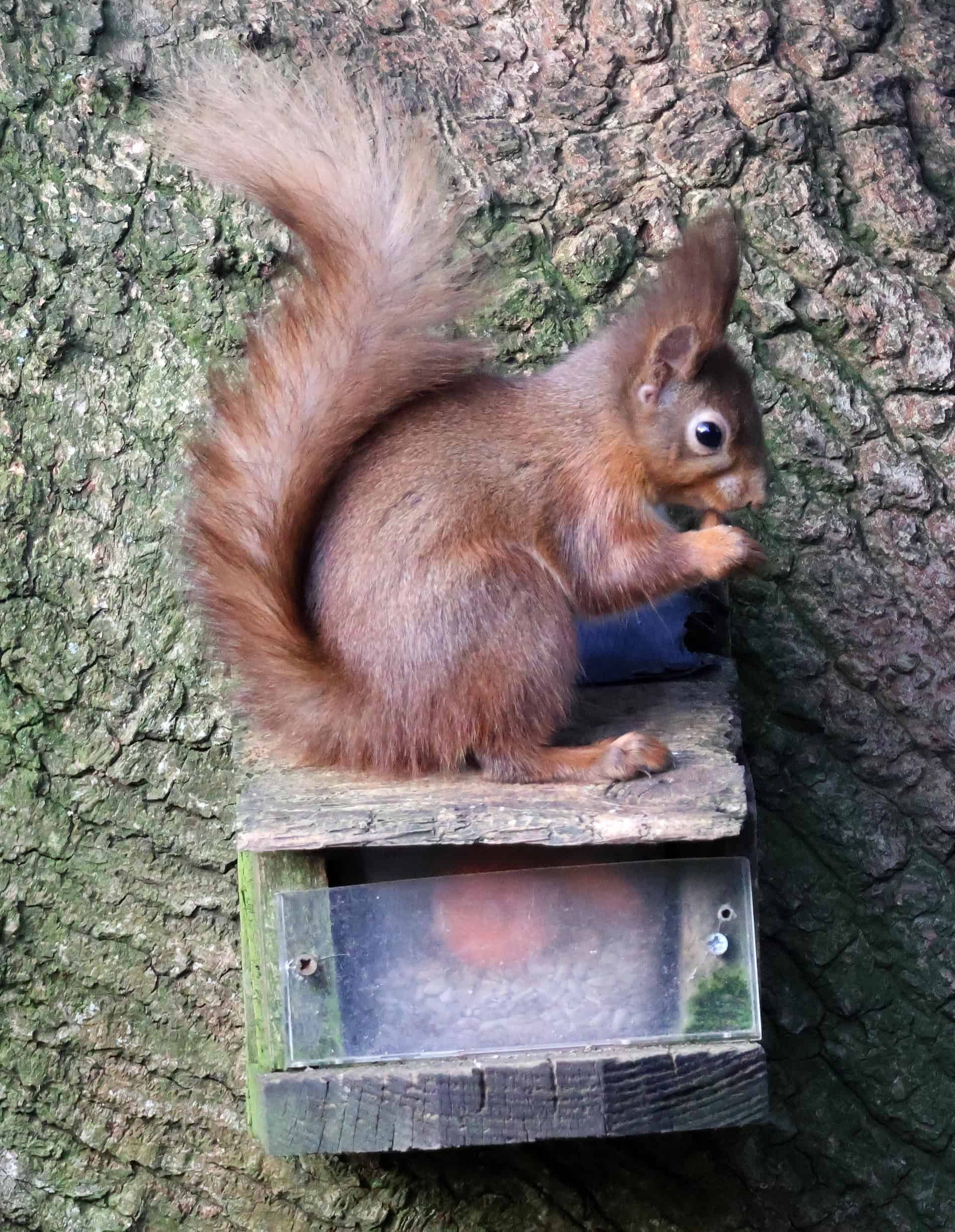
These charismatic animals can’t help but inspire! Who can resist falling in love with red squirrels! They are naughty, cute, the underdogs and endangered, so have everything to inspire us to help them survive.
Helen said,
“I’ve seen grown men get very upset if a red squirrel is killed on the road or is suffering illness. The squirrels are often seen as part of the family and called ‘timewasters’ as watching them is quite compulsive.
“One highlight of red squirrel watching is if you are lucky enough to see a mum carrying a kitten. In 35 years I’ve only seen this once. Seeing a red squirrel swim is another treat, and again, in 35 years I’ve only seen this once. I just wish I’d had the camera with me.”
Raising kittens and looking after sick animals is rewarding and you learn so much about their different personalities by living with them, as their characters are as individual as ours. This job takes a very dedicated person!
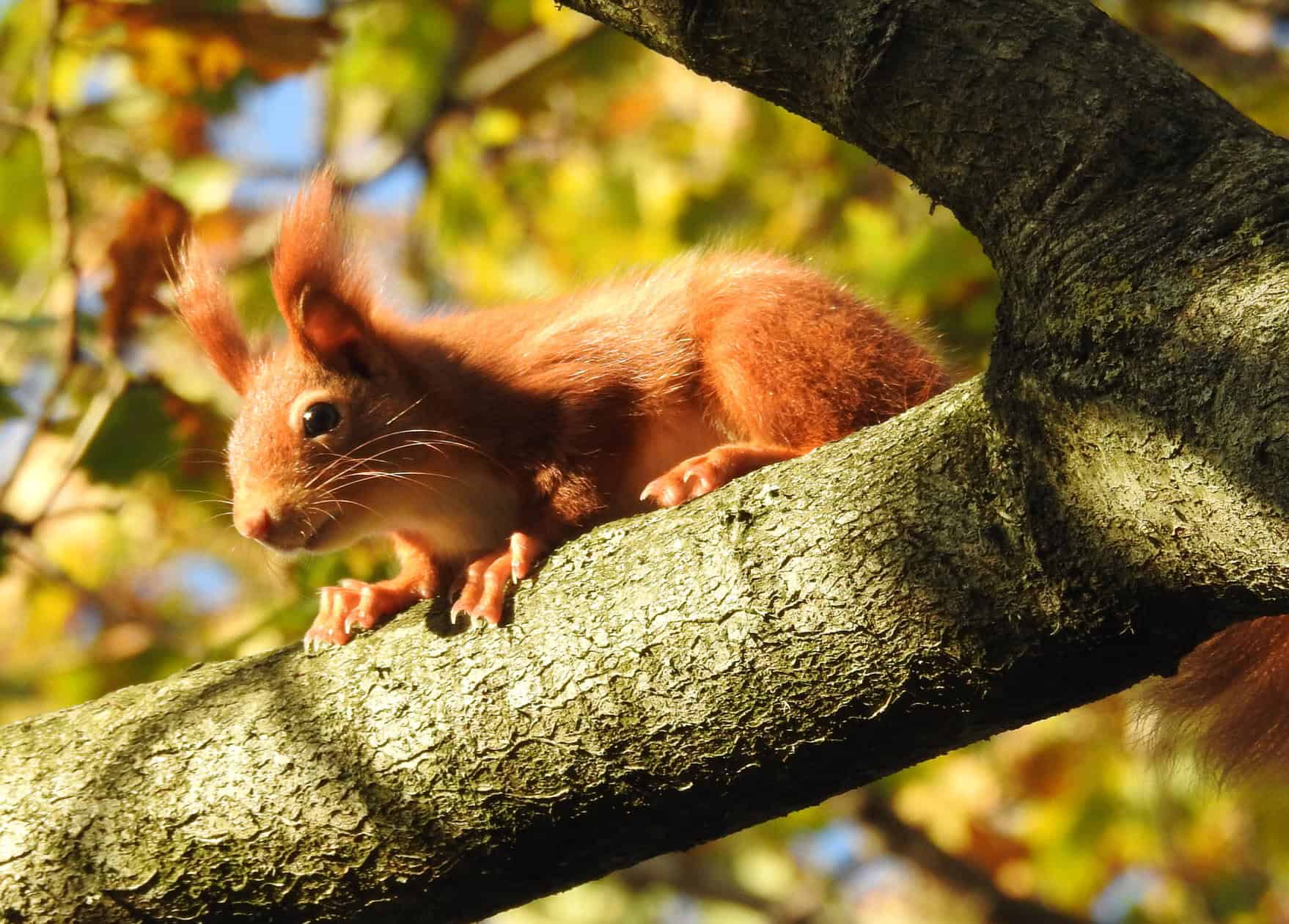
With so much support, the future for Isle of Wight red squirrels should look bright and it’s down to us to make sure it is!
News shared by Helen, founder/manager of the Wight Squirrel Project. Ed