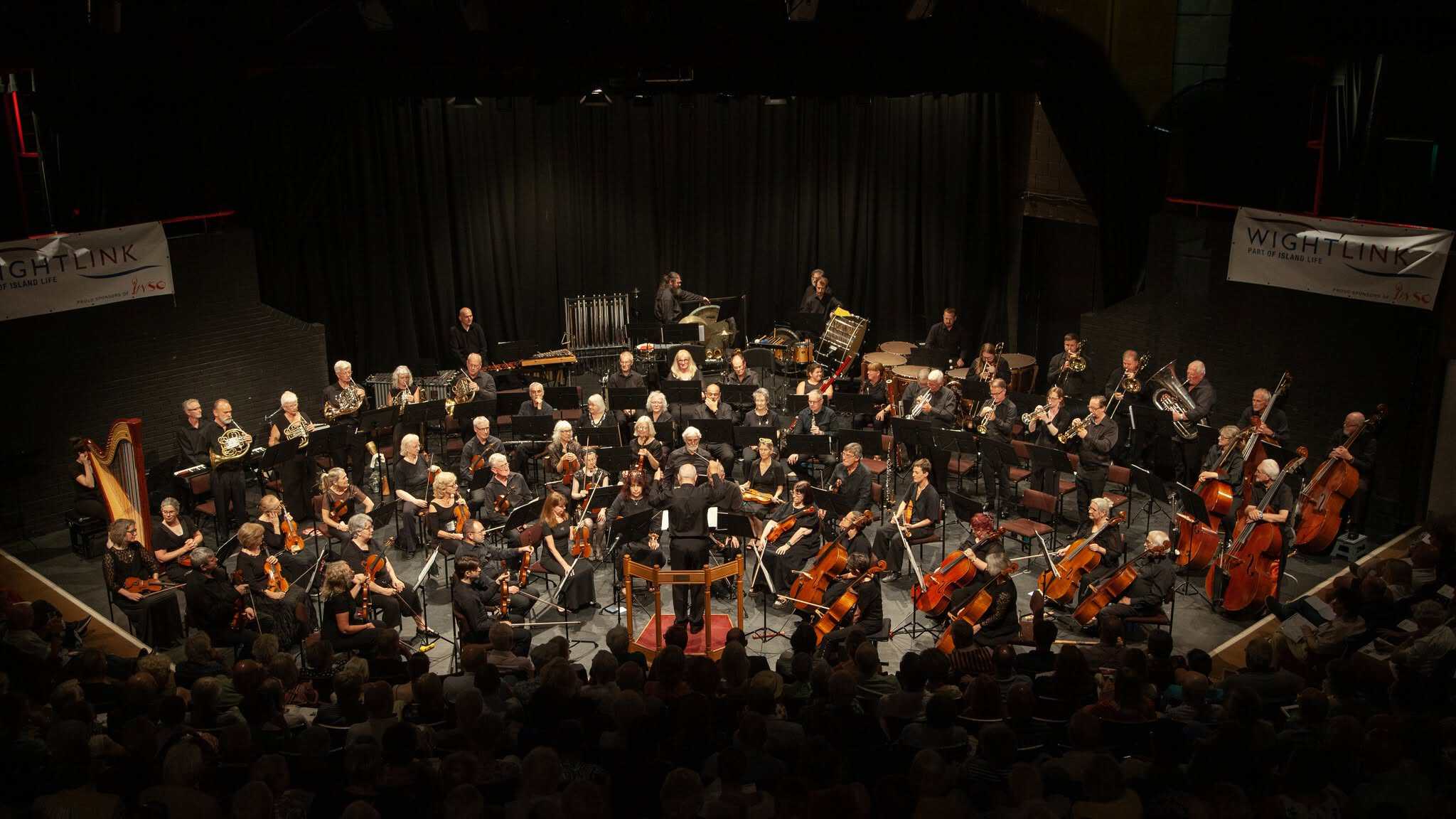
Jonathan Dodd shares his review of the latest Isle of Wight Symphony Orchestra (IWSO) concert. Images with kind permission of Allan Marsh. Ed
In the United States everyone knows what 4th July means. Independence Day. Whether we love them or are just puzzled by some of the things they do, we are bound to them as they are to us.
Occasionally the Isle of Wight Symphony Orchestra celebrates their last concert of the season with our cousins across the water, and we can pay tribute to them and their contribution to so much of our culture, past and present and no doubt into the future. And what a contribution it is!
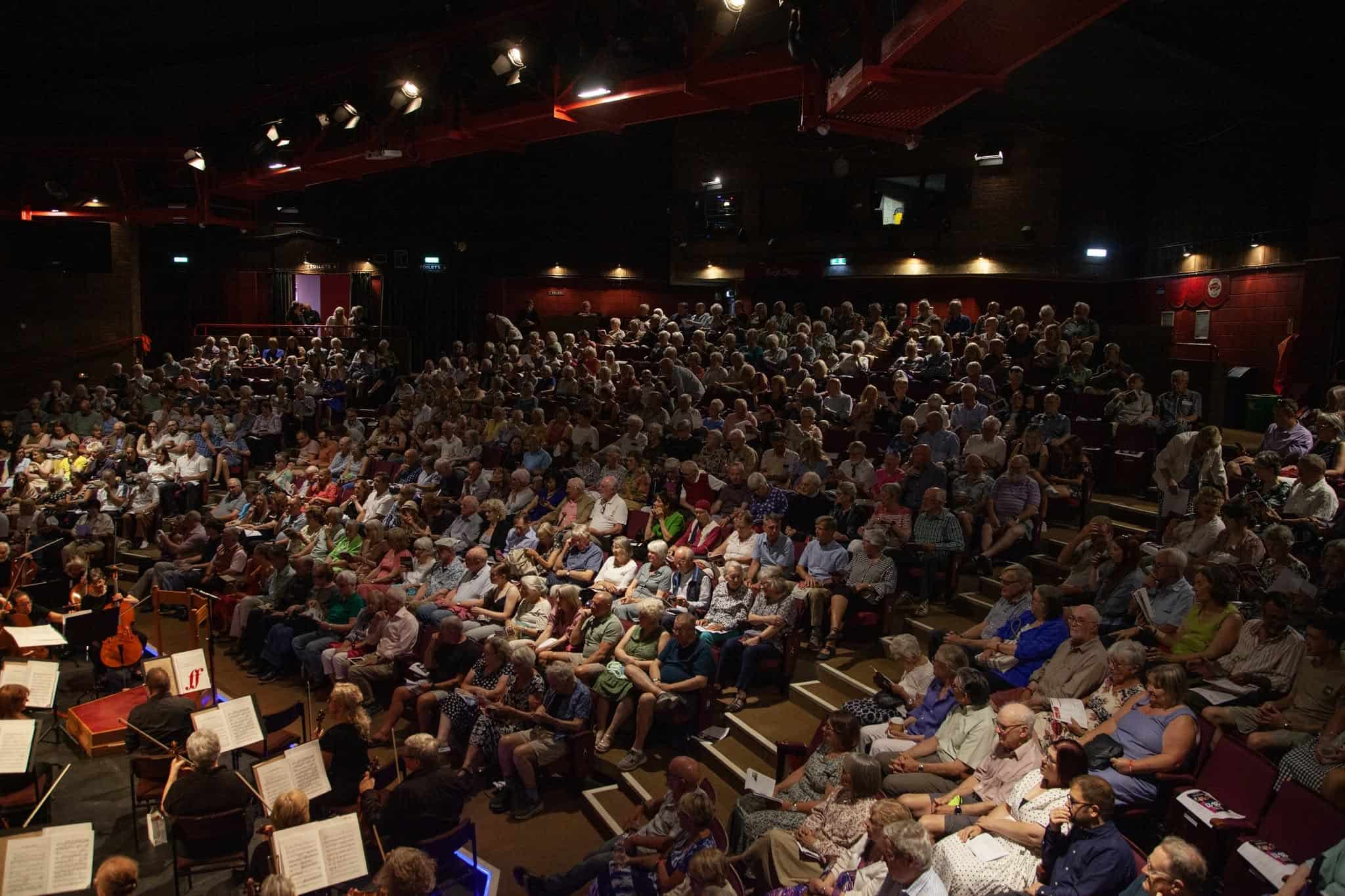
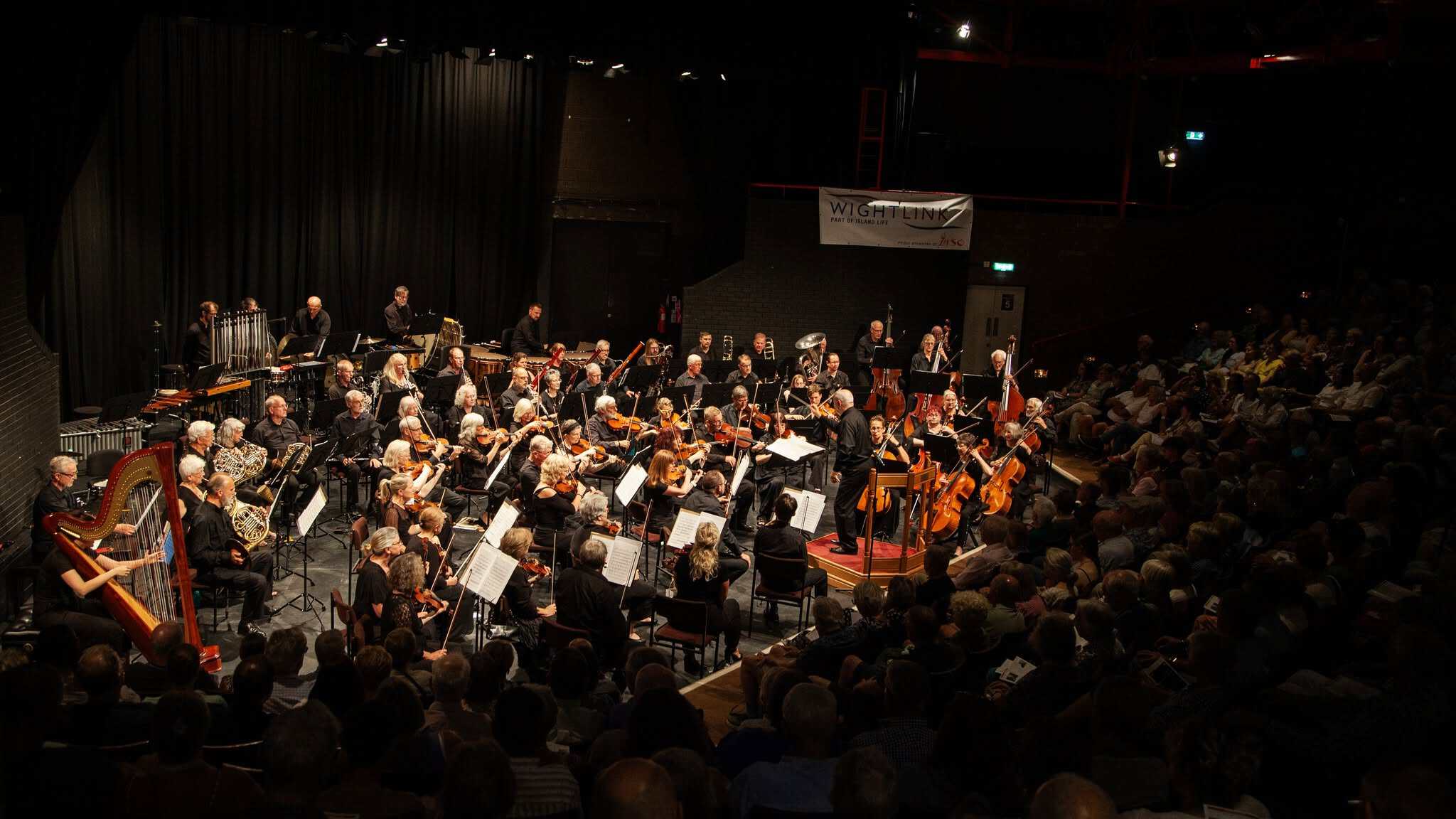
On Saturday 4th July 2026, despite the unprecedented heat, we all put on light and comfortable glad rags and turned up at the Medina Theatre for the climactic concert of the Isle of Wight Symphony Orchestra 2025-26 season.
Once again, there was a full house, and there was something for everyone to look forward to hearing in the varied programme.
Fanfare for the Common Man
Once everyone was settled and we had been granted the right to use our programmes to fan ourselves, the atmosphere became silent and still, because of the knowledge that Aaron Copland’s extraordinary Fanfare for the Common Man was about to be unleashed on us.
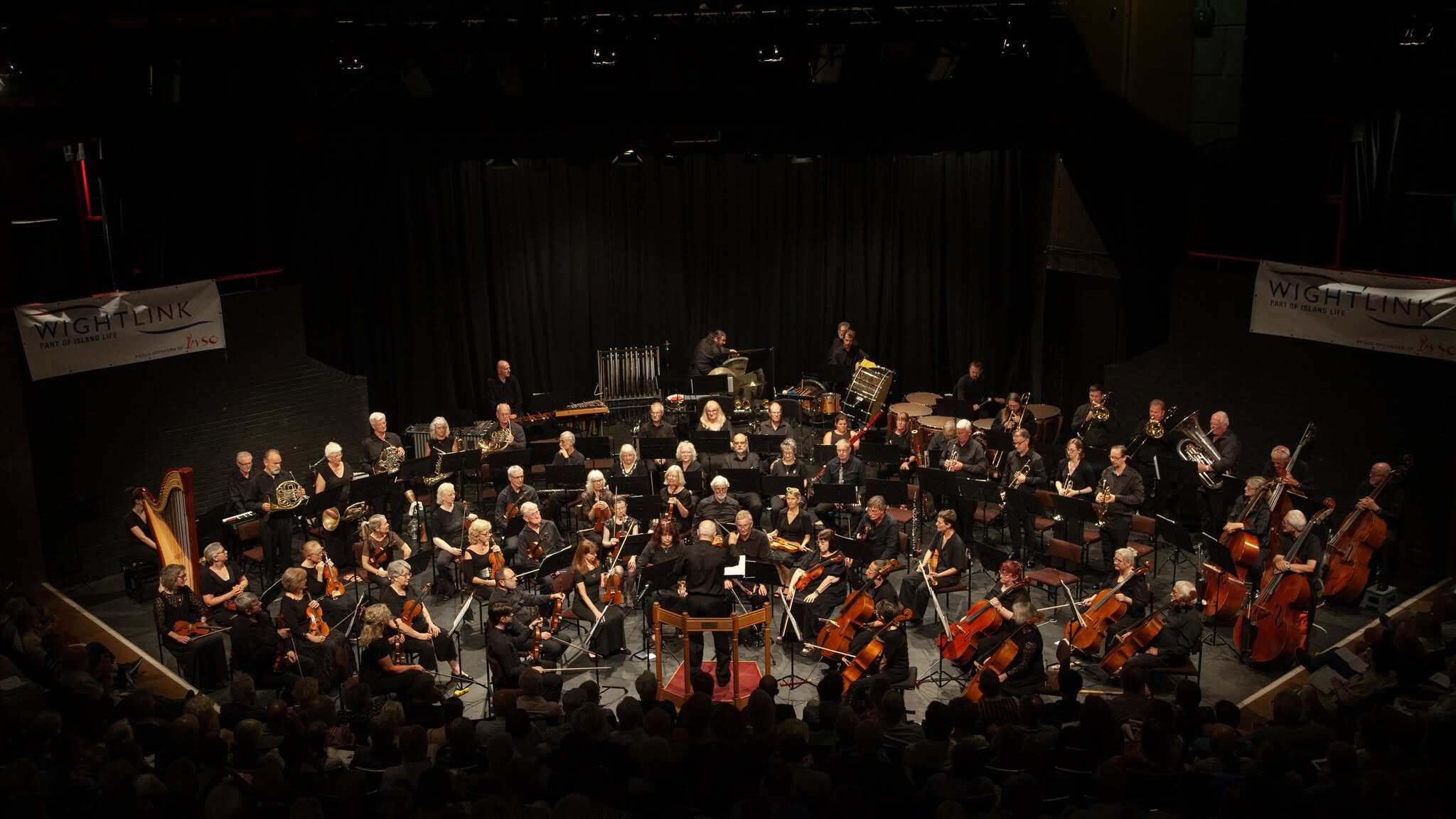
The first drumbeats and cymbal clashes were incredibly loud and reverberant, and when the brass came in with the lovely theme from the trumpets and the answering horns spoke to each other across the stage, it felt like a genuinely heartfelt paean to all those people who make up the bulk of any society, without whose work and commitment and determination no country can call itself a nation. I had such a good time listening to it. Thank you for a wonderful start to the evening.
An American Overture
Benjamin Britten always feels to me like an English composer, but in fact he spent a lot of his life in America. His American Overture was written in 1941 for Artur Rodzinski, who never received it. Britten became disillusioned with his time in America, and left it behind when he returned to England in 1942.
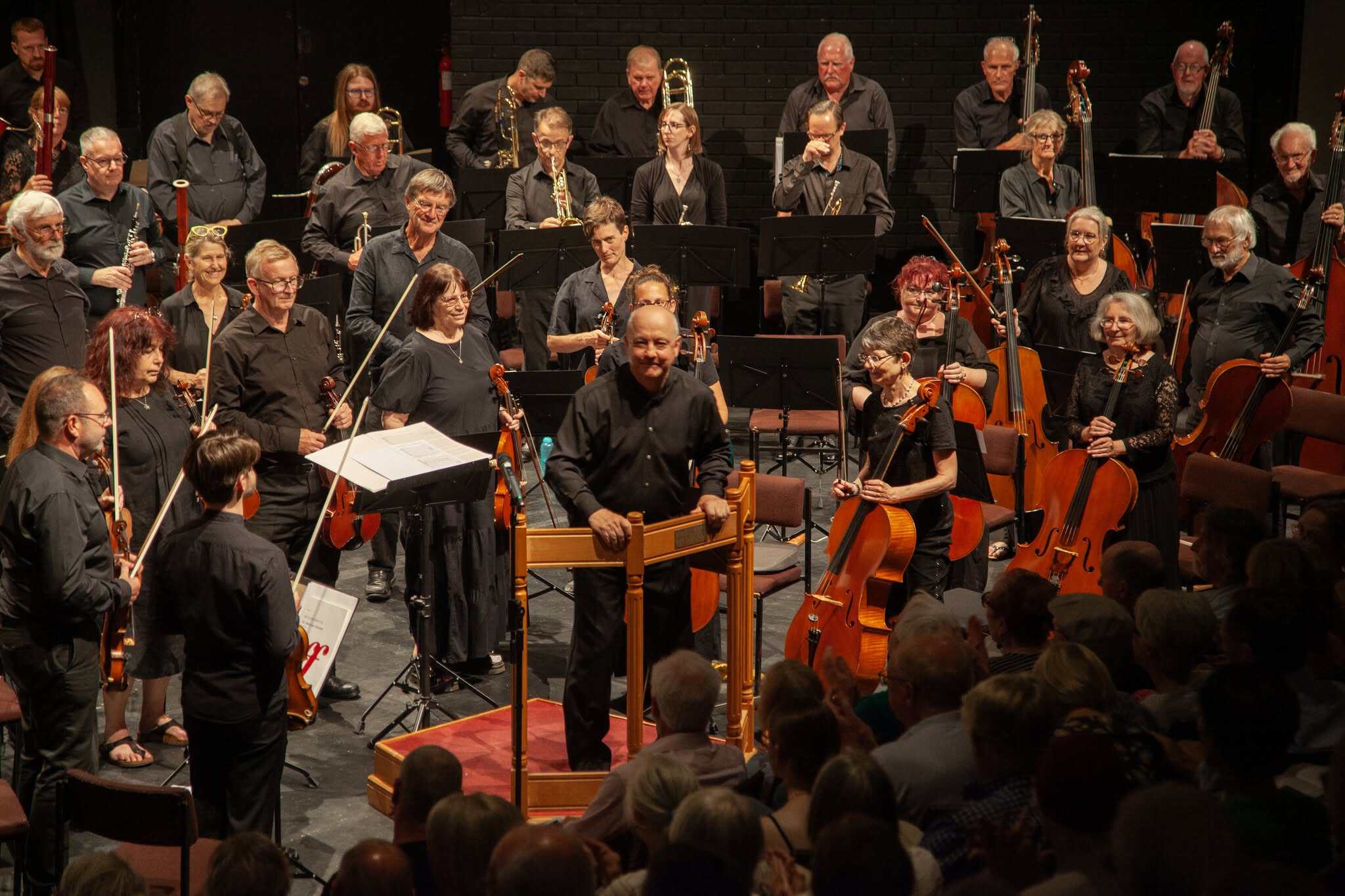
The poor overture became orphaned, moving from a music rental agency to the New York Public Library. It was noticed in 1972, and Britten apparently couldn’t remember writing it. Its premiere took place over forty years after it was written, conducted by the IWSO’s very own Vice-President, Sir Simon Rattle.
Britten was an admirer of Copland, and there’s definitely an influence there. It rolls along with a sombre feel and achieves a memorable feeling of determination and progression without becoming dark or sombre in the process. I felt it was very much of its historical time, and reflected much of the inner turmoil Britten was experiencing. I enjoyed the IWSO’s rendition, and I’ll definitely listen to it again.
Knoxville: Summer of 1915
James Agee was a noted American author and screenwriter, who grew up in Knoxville Tennessee, and wrote in 1938 a short prose poem about a moment in his childhood, elegising a peaceful evening when he was five, shortly before his life changed forever. Samuel Barber was very taken with this poem, and set several excerpts of it to music in 1947.
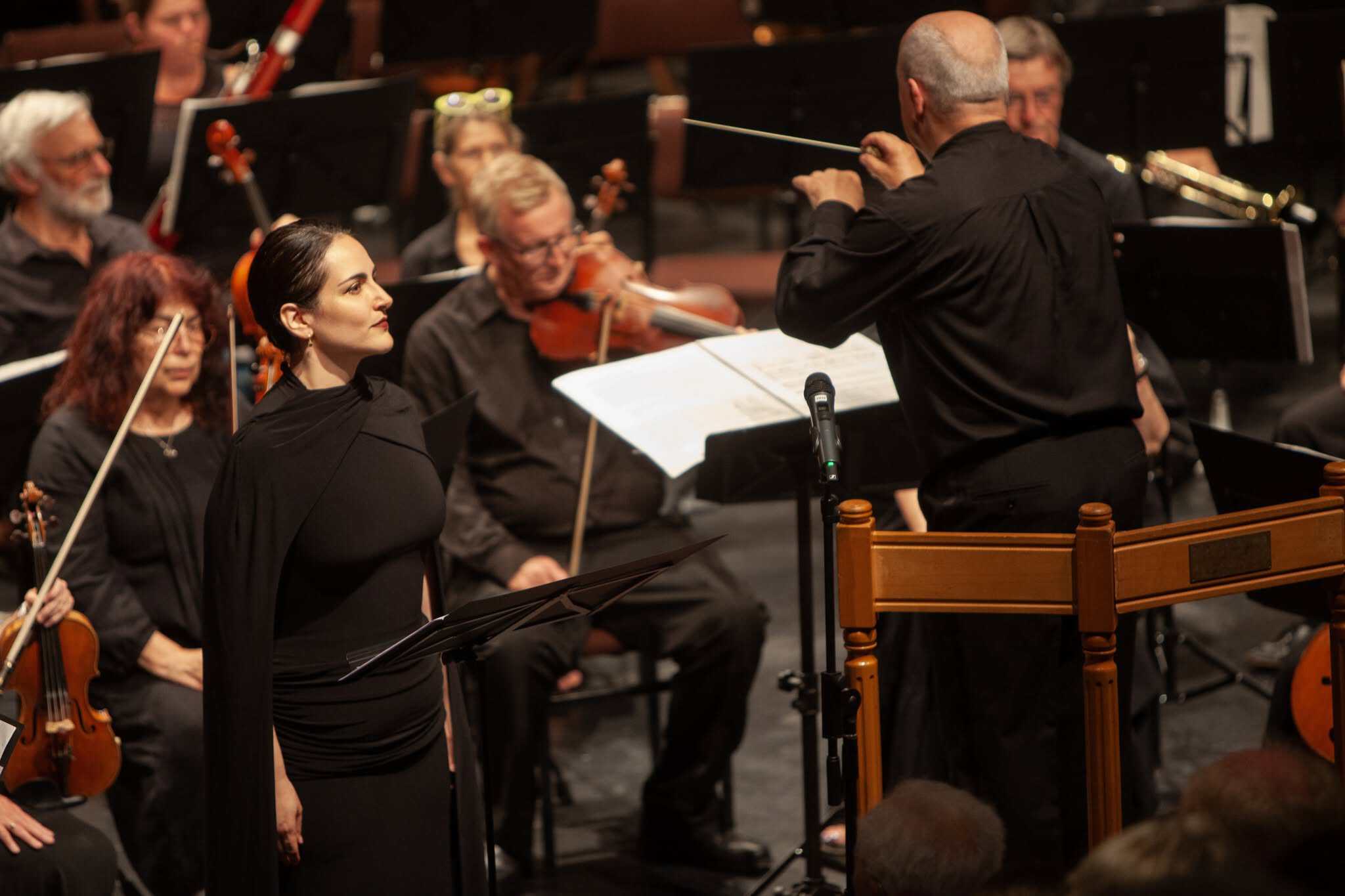
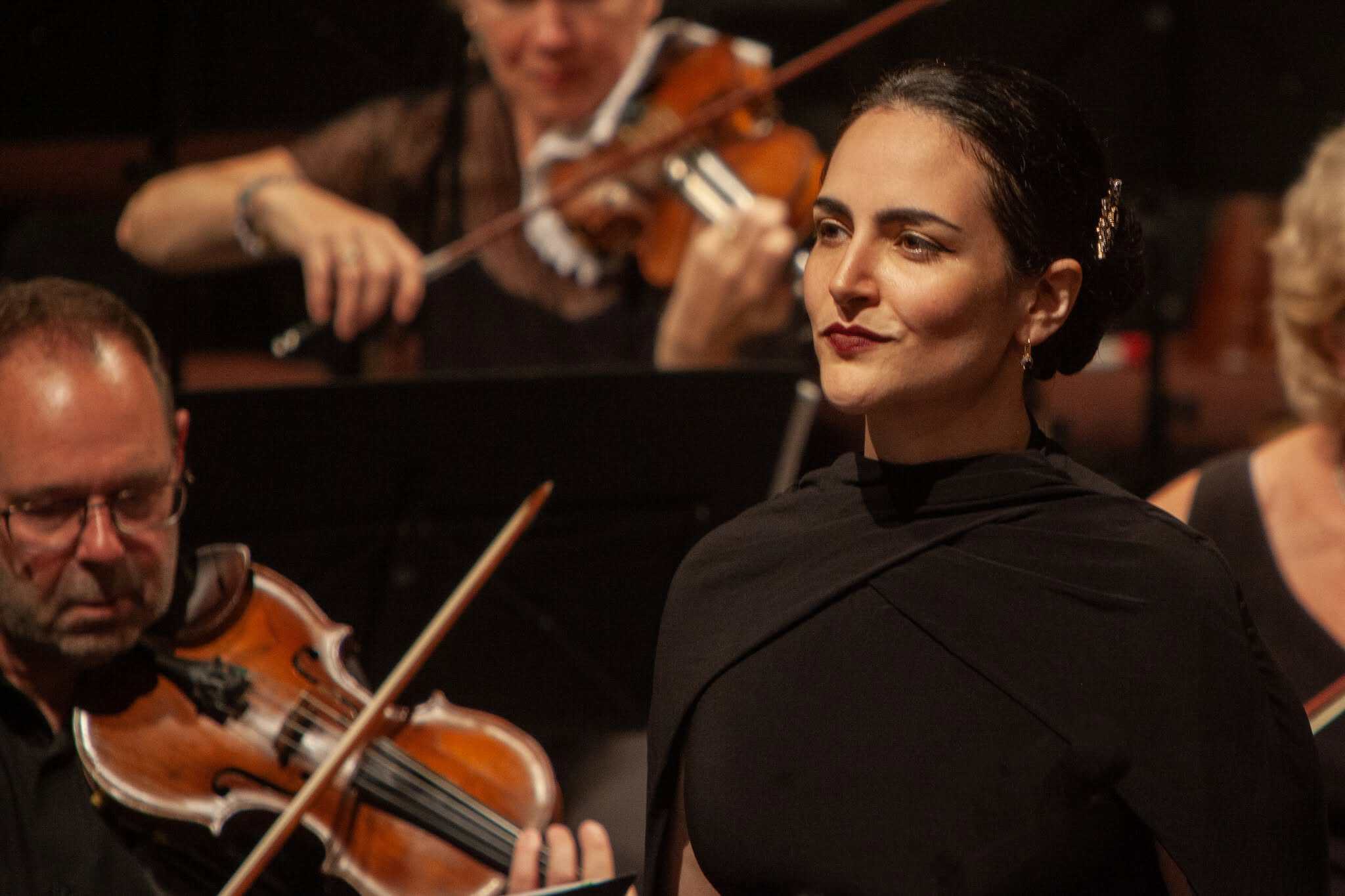
From their first notes, the IWSO caught the ethereal, nostalgic tone beautifully, as did the voice of Kelly Glyptis.
The piece is impressionistic, flowing through memories and reflections from later life, trying to catch the spirit and beauty of that time, and the sadness and mystery of the loss of that life. The orchestra flows around the sung words, illustrating them and the feelings of the young boy and his adult self. I found myself drawn into the piece, and profoundly moved.
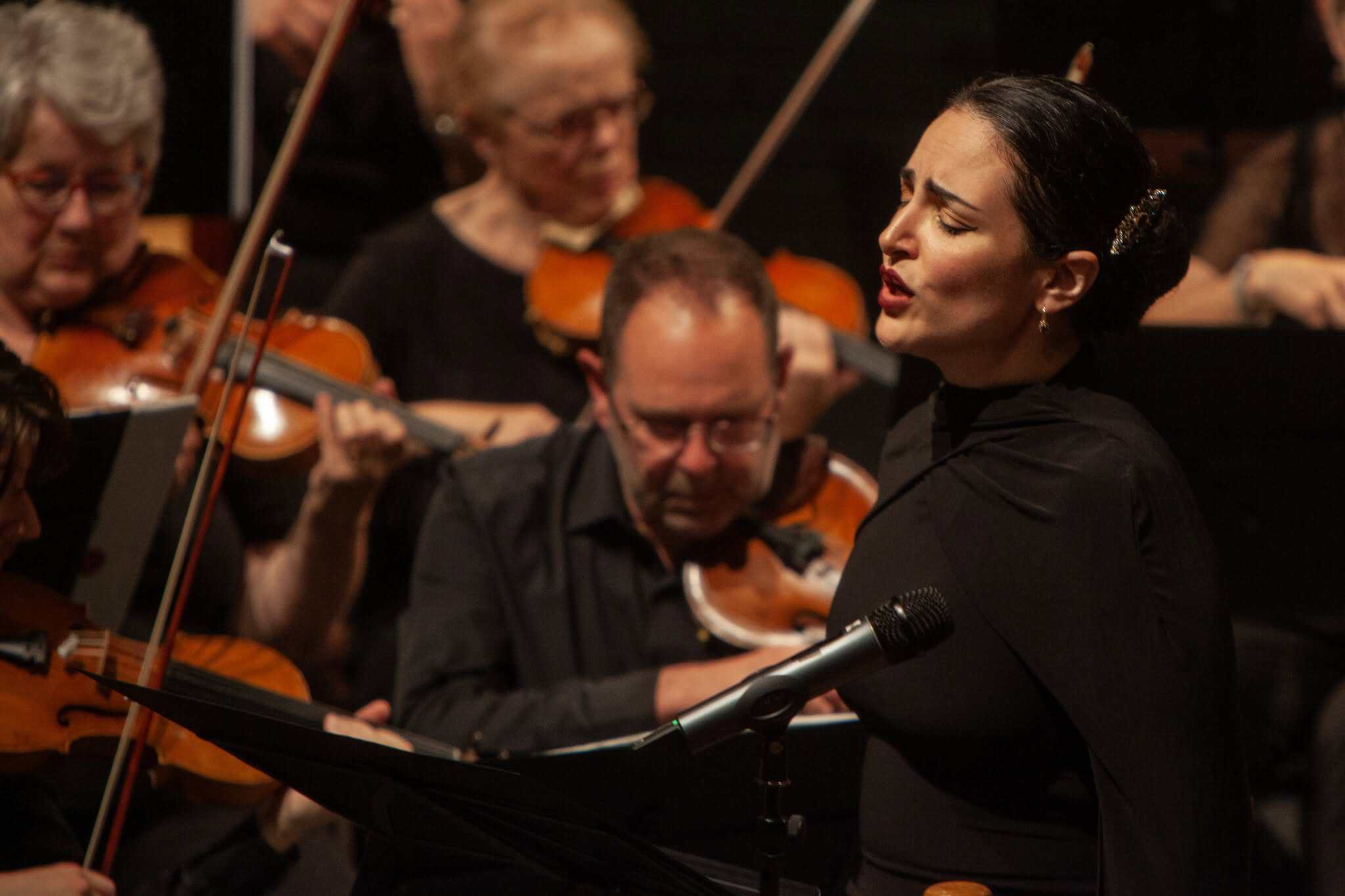
The whole piece recreated a world lost in time but alive in memory, captured in sound. It was lovely, and I shall be able to listen to it many times, remembering for myself the first time I heard it and the lovely rendition by both soloist and orchestra. Marvellous.
Gone with the Wind
Max Steiner was born in Vienna in 1888, and spent the first part of his life between Austria and England. Threatened with internment at the start of the First World War, he moved to America in 1914. He worked in opera, musical theatre, and graduated into cinema as it was finding its relationship with music once sound was available.
He was hugely successful as a film composer. He was commissioned in 1939 to write the score for Gone with the Wind, which became hugely popular and successful, at least in part to the music. On Saturday we were treated to Steiner’s Suite from Gone with the Wind, which stands as a great piece of music even without reference to the film itself.
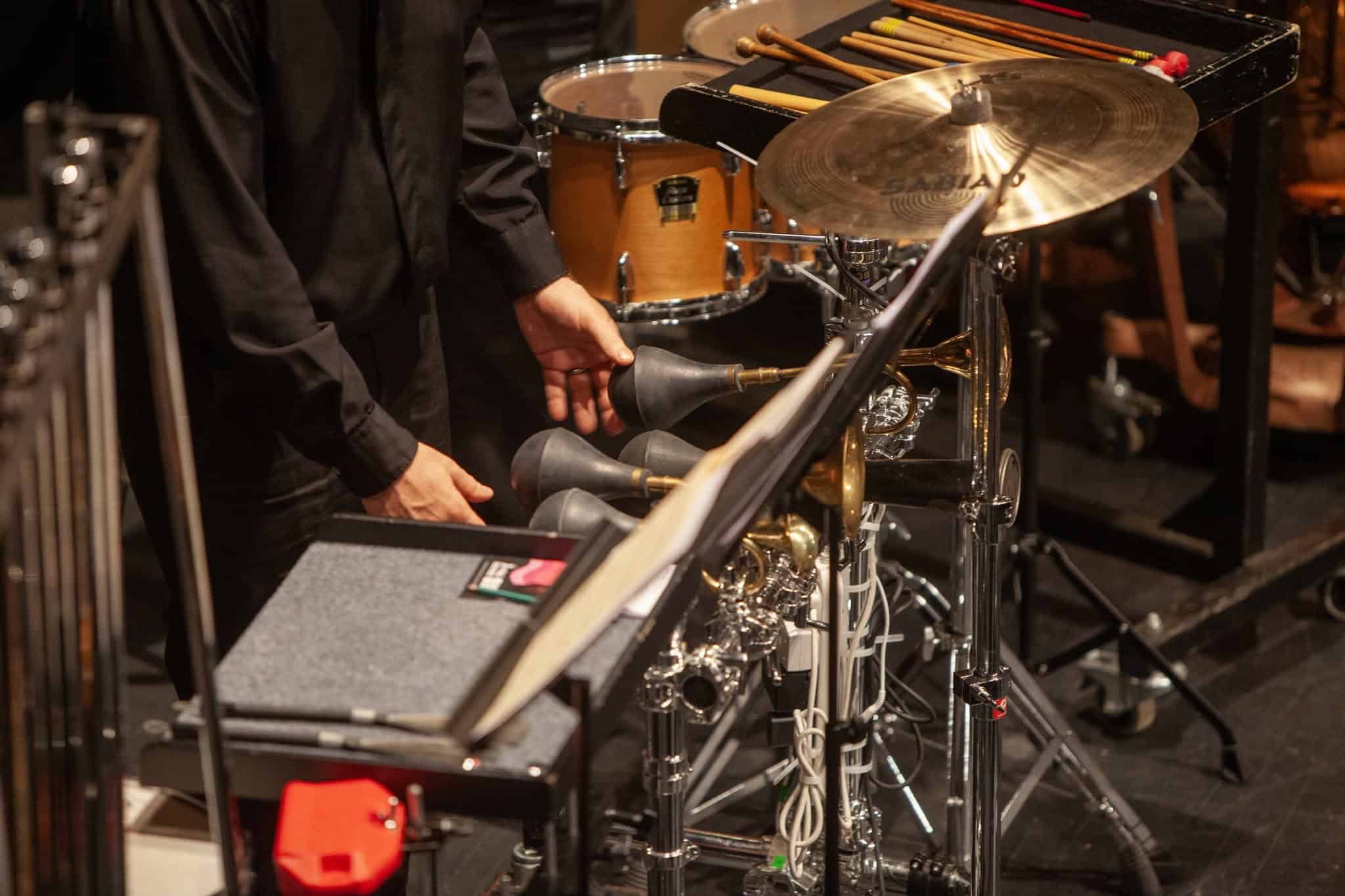
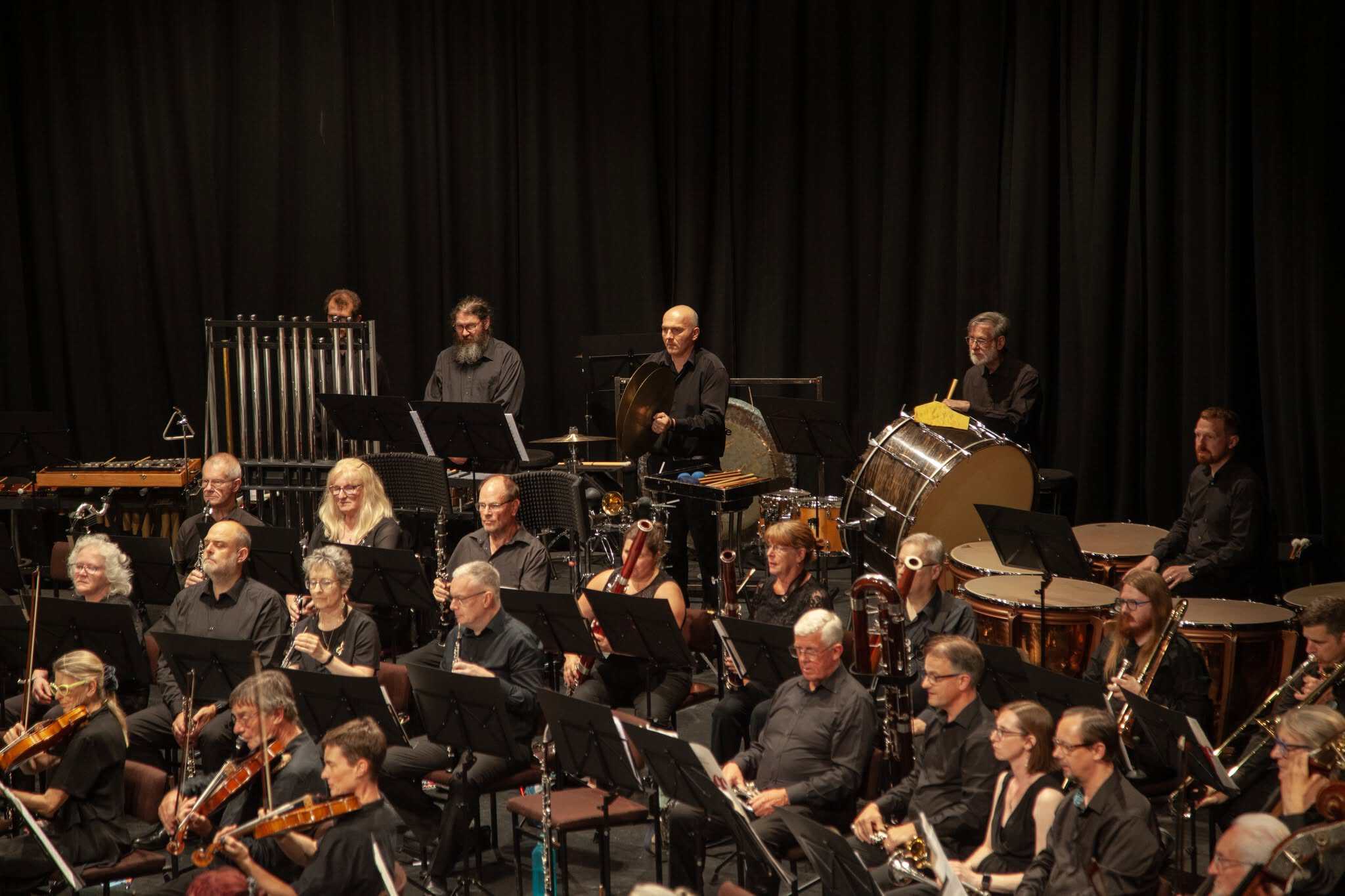
The orchestra launched into the Suite with a grandeur befitting the lush melodies and gorgeous harmonies of the grand theme, moving seamlessly from one scene to another, sometimes bringing back specific images, at others sparking other memories, all in a wonderful panoramic sweep of sound and mood, highlighting the main theme. It deserves to be one of the greatest film scores, and the IWSO did it proud. I loved it.
Washington Post
John Philip Sousa played the violin as a boy, but became associated with military brass bands for the whole of his life after joining the United States Marine Band. He wrote a large number of marches, some of which have become stalwarts, including the commission to write a march for the Washington Post in 1889.
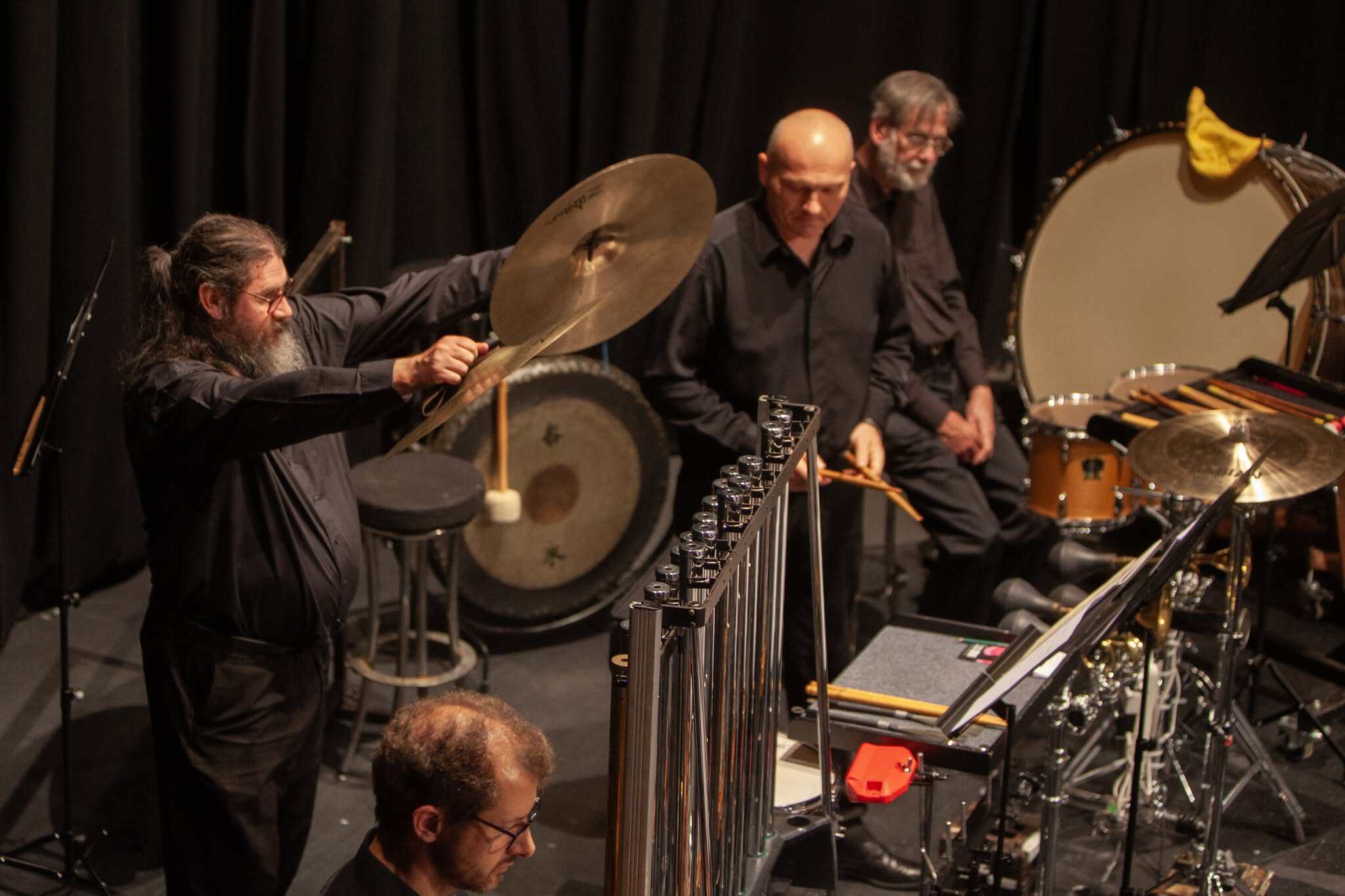
Anyone who has ever been involved with the Military will be familiar with this, a wonderful example of Sousa’s bravura tune-making, and it can never fail to make the heart beat a little faster and the toes to tap. It is marvellously invigorating in its simple straightforward presentation of its tune, with an accompanying urge to break free and celebrate.
I have never heard it played live, and it was brilliant, giving all the brass players an opportunity to let it rip, eagerly assisted by the percussion and all the other sections of the orchestra. Everyone had a good time.
E.T.
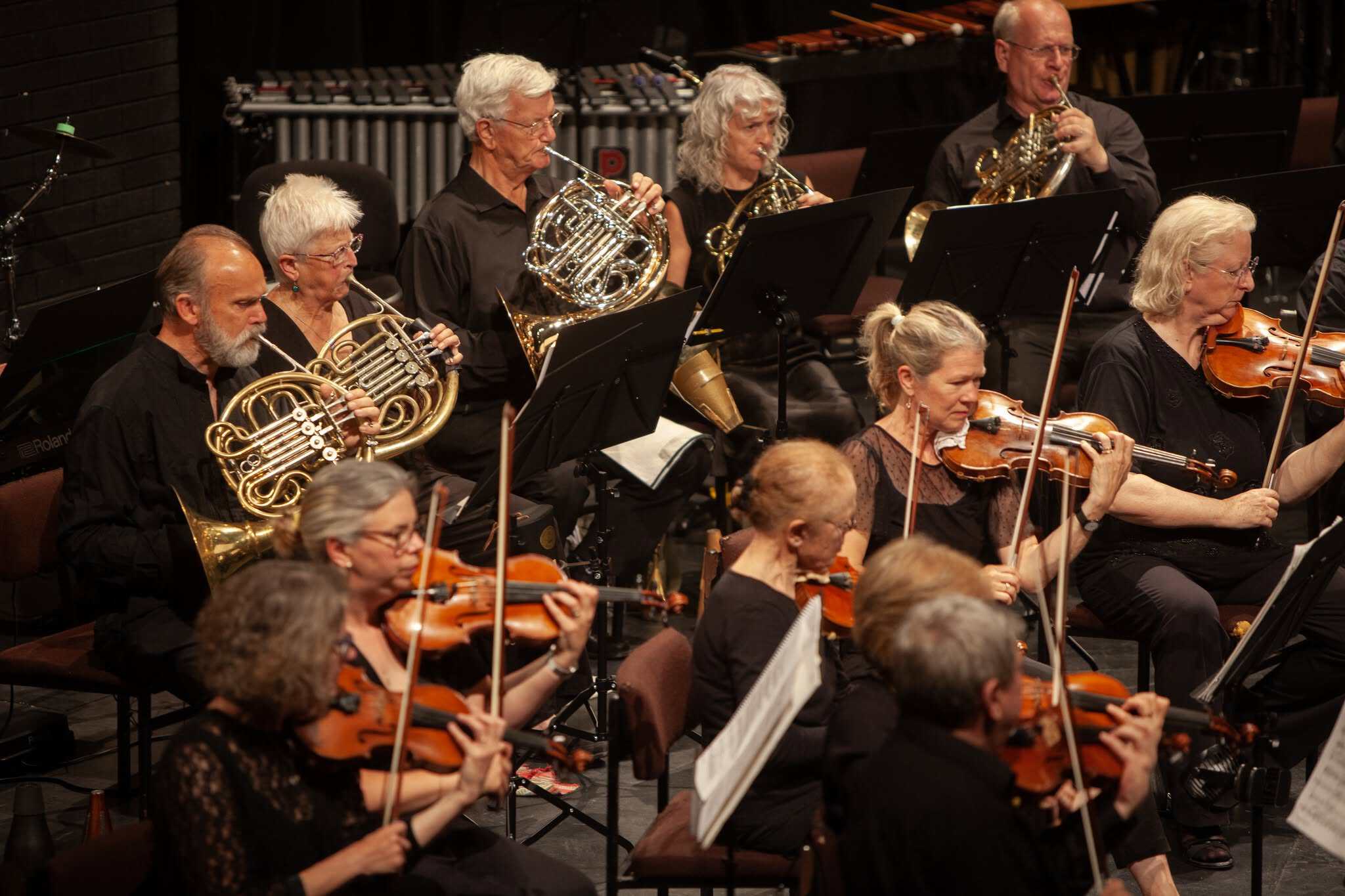
We were treated to the IWSO’s rendition of the Flying Theme from E.T., one of John Williams’s most-loved themes. It illustrates one of the most iconic scenes in cinema, when the bicycle carrying E.T. and Elliot escapes pursuit by literally rising into the night sky.
The music and the filming combine perfectly to produce a sense of excitement and wonder as the bike flies in front of the moon, and never fails to make the viewer or listener catch his or her breath. It is magical, and the orchestra caught the moment beautifully.
American Songs
Kelly Glyptis returned to the stage to sing three songs by three of the most prolific and gifted of American songwriters. Manhattan, written by Rodgers and Hart in 1925 celebrates the City of New York. Summertime, written by George Gershwin in 1935 for the opera Porgy and Bess, may be the most famous and loved of all, with its beautiful musical evocation of a hot summer day in the American South.
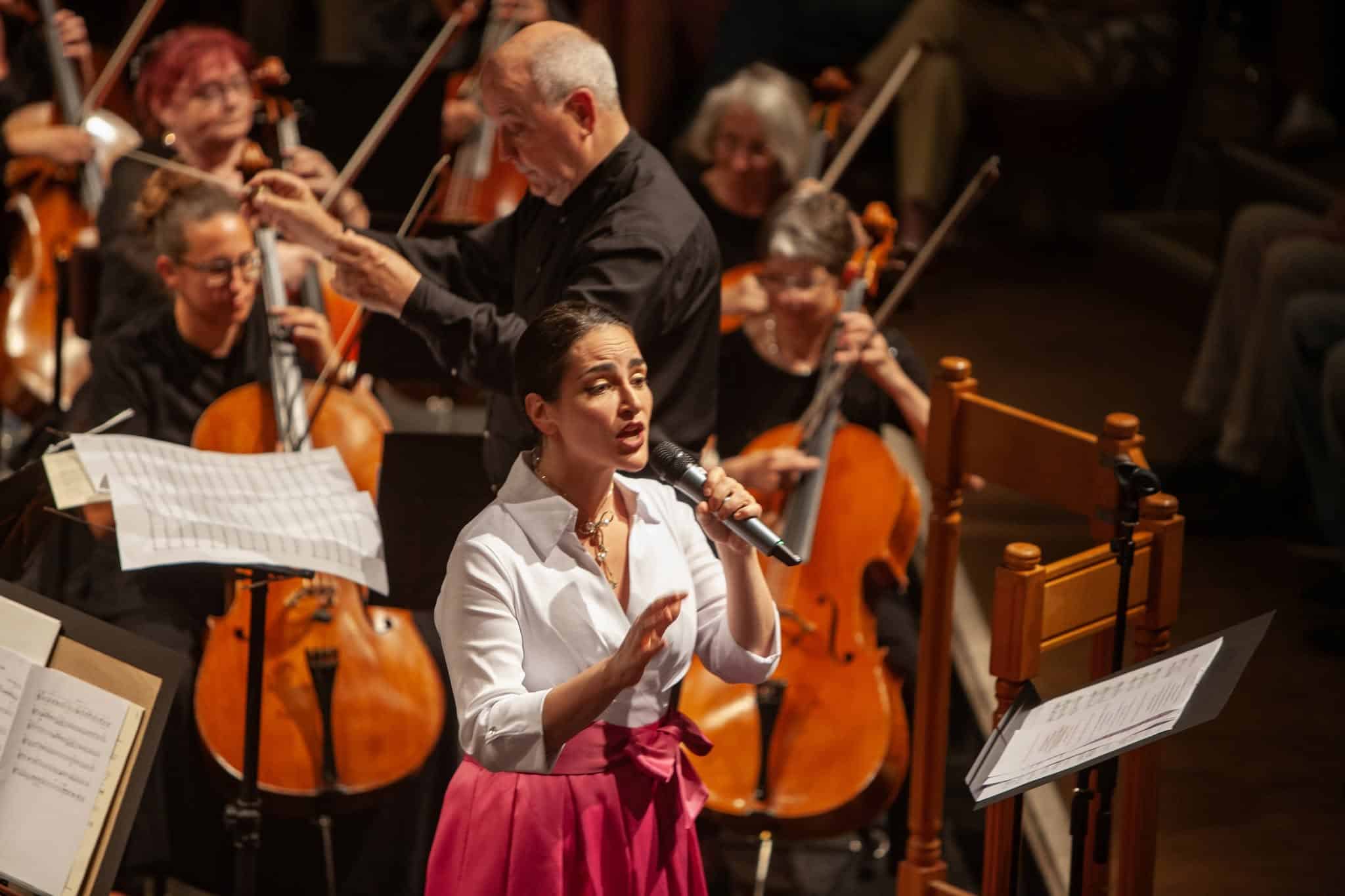
The Physician, written by Cole Porter in 1933, wittily describes a doctor’s sincere admiration for the physical attributes of her body, without revealing his suppressed ardour. Kelly Glyptis applied her rich vocal tones to each of them, in a spellbinding performance, ably supported by the orchestra.
An American in Paris
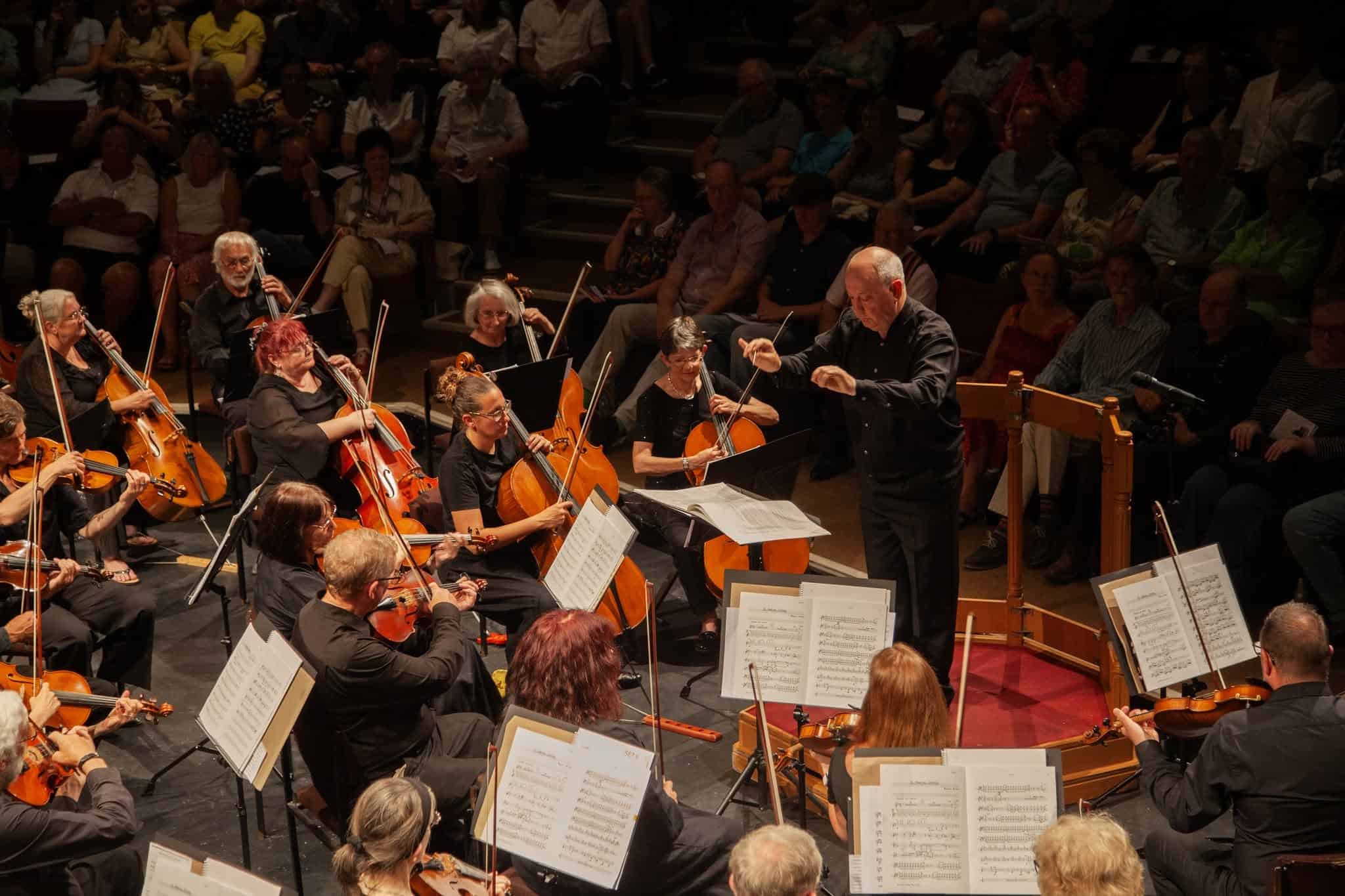
George Gershwin went to Paris in 1928, originally to study musical composition. Ravel reportedly turned him down because he was afraid of ruining his jazz style. The New York Philharmonic commissioned a piece from him, and An American in Paris was the result. The film wasn’t made until 1951. Gershwin took great pains to incorporate all his impressions of Paris, its sounds and moods and rhythms of life, and he was remarkably successful.
The tone poem itself is consistently performed to this day. There are so many instruments involved it would be impossible to give all of them their due praise, but I was so delighted with the way the IWSO played that I just sit with a happy smile on my face throughout.
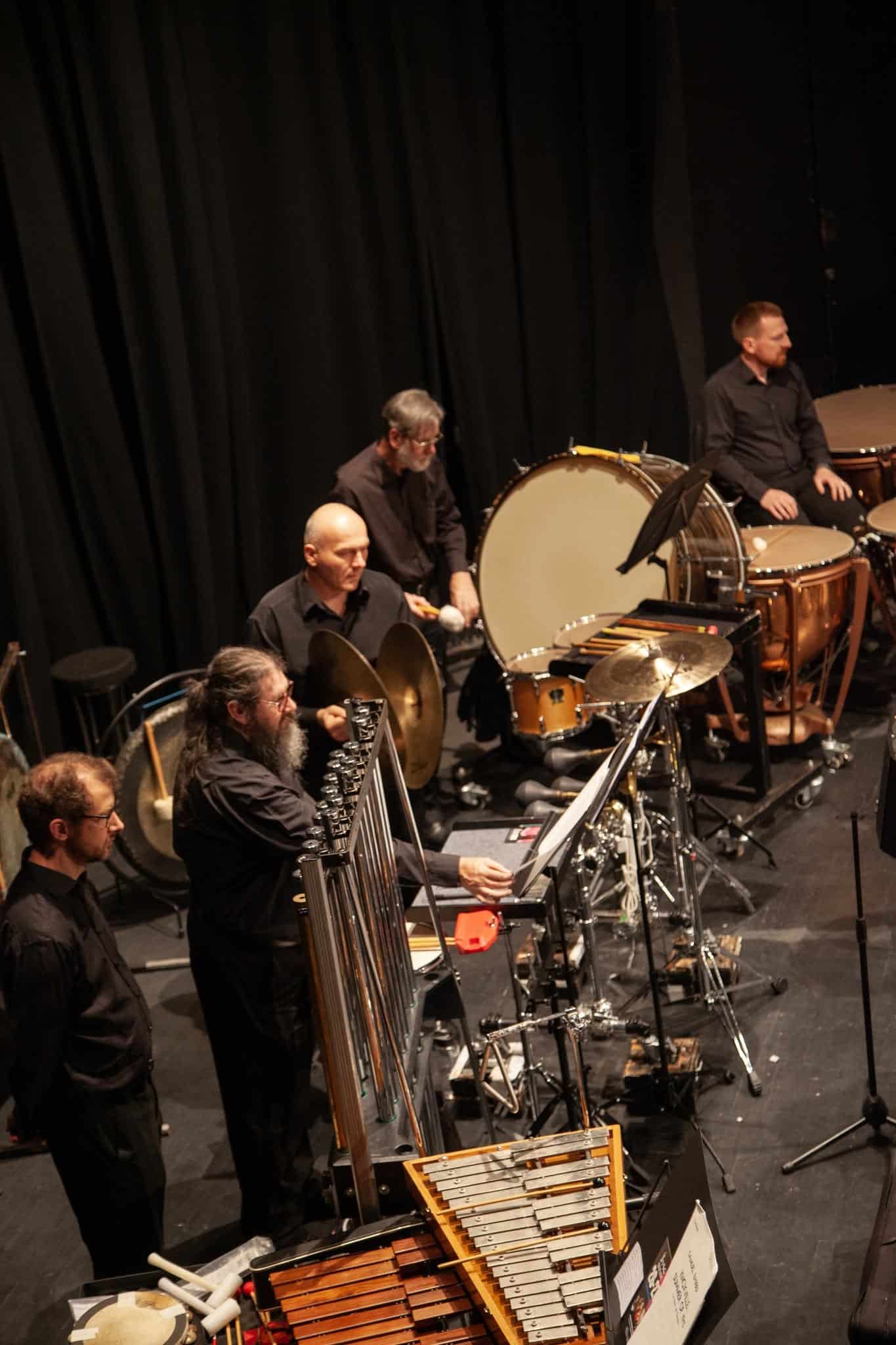
What a bunch of delightful, hard-working and talented musicians! I’m delighted to be able to keep coming and listening, and then trying to encapsulate my impressions of each concert. I hope I can convey my admiration for all of you, dear musicians, and your conductor, Mr Jonathan Butcher, and your fantastic guest soloists, and all the hard-working helpers and supporters who work tirelessly to bring each concert to us, the grateful audience, each time. Thank you!
The season ended with a lovely extra piece. The Liberty Bell March by John Philip Sousa, loved by all fans of Sixties TV humour, who remember it as the theme tune for Monty Python’s Flying Circus. It was marvellous to hear this jolly tune rendered with love by the IWSO. Thank you.
Next season
The Isle of Wight Symphony Orchestra 2026-2027 season starts on Saturday 7th November 2026 at 7:15pm, at the Medina Theatre.
It’ll include Symphonies, by Brahms and Rachmaninov and Ives, Concertos for Piano and Cello by Britten and Stanford, Overtures and Concertinos and Suites and various pieces of wonderful music, in five concerts, culminating in July 2027.
It’ll include something for everybody, and things you’ll be familiar with alongside music you’ve never heard.
You can find the full season on the Isle of Wight Symphony Orchestra website.
I’ll be there, hoping to see you too.