Work that began 35 years ago to return a woodland to its natural native state has restarted in Yarmouth, with the aim of benefitting plants and wildlife.
In partnership with local firm ArbAdvice, work will start to improve the environment of the western half of Mill Copse at Yarmouth, leased by Wight Nature Fund (WNF).
Replanted with native species
The eastern half of Mill Copse was clear-felled of conifer trees around 35 years ago and replanted with native species. As visitors to the copse in Spring will have noticed, that work has resulted in a carpet of bluebells and other flora.
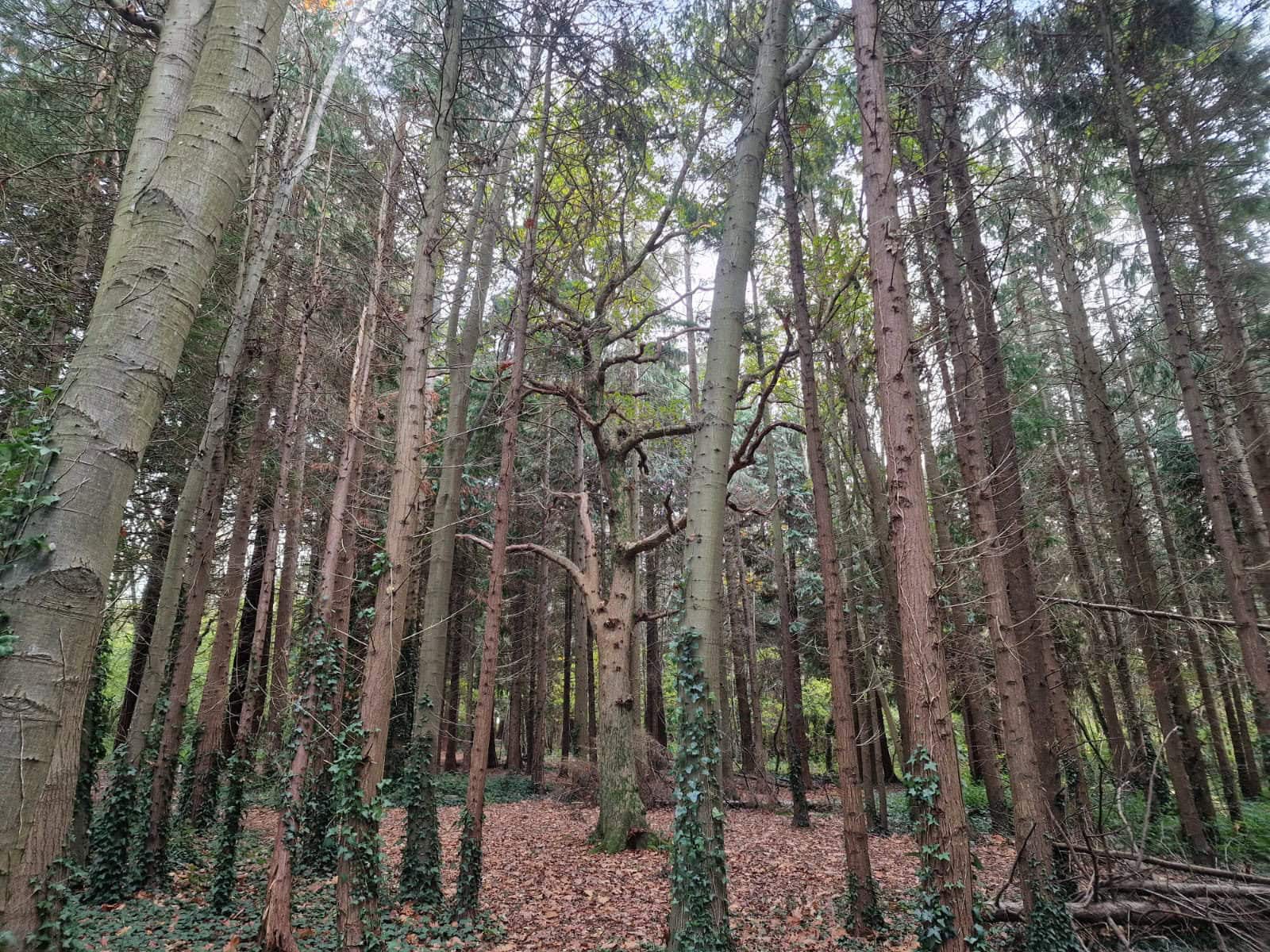
Further regeneration work stalled in the 1990s, leaving the western half of the much-loved copse in need of the conifer trees which had been planted after the Second World War, to be felled for many years.
Benefiting wildlife
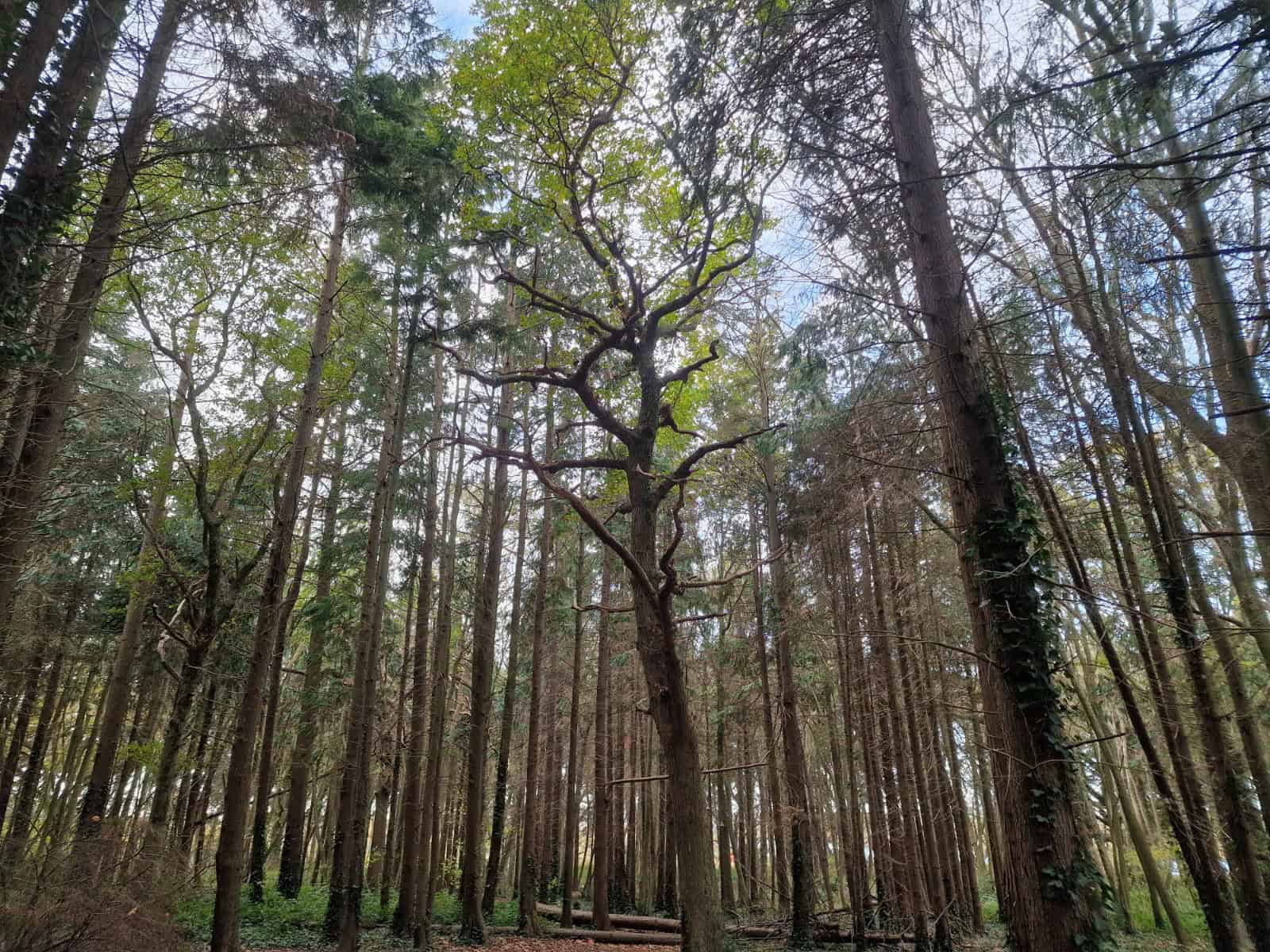
The work will benefit native wildlife greatly. The regeneration will help Mill Copse to move towards a woodland that provides more beneficial foraging in the way of seeds, nuts and other food for the native Red Squirrel and dormouse population, with studies showing an increase in population density in mixed woodlands.
The adverse effects of conifer trees also include making the soil acidic. The acidic soil keeps the bluebells and other native species dormant. Once the conifers are removed, it will increase the light to forest floor and over time, the soil will become less acidic, allowing the bluebells and other native flora to thrive again.
Opening canopy around veteran Oak trees
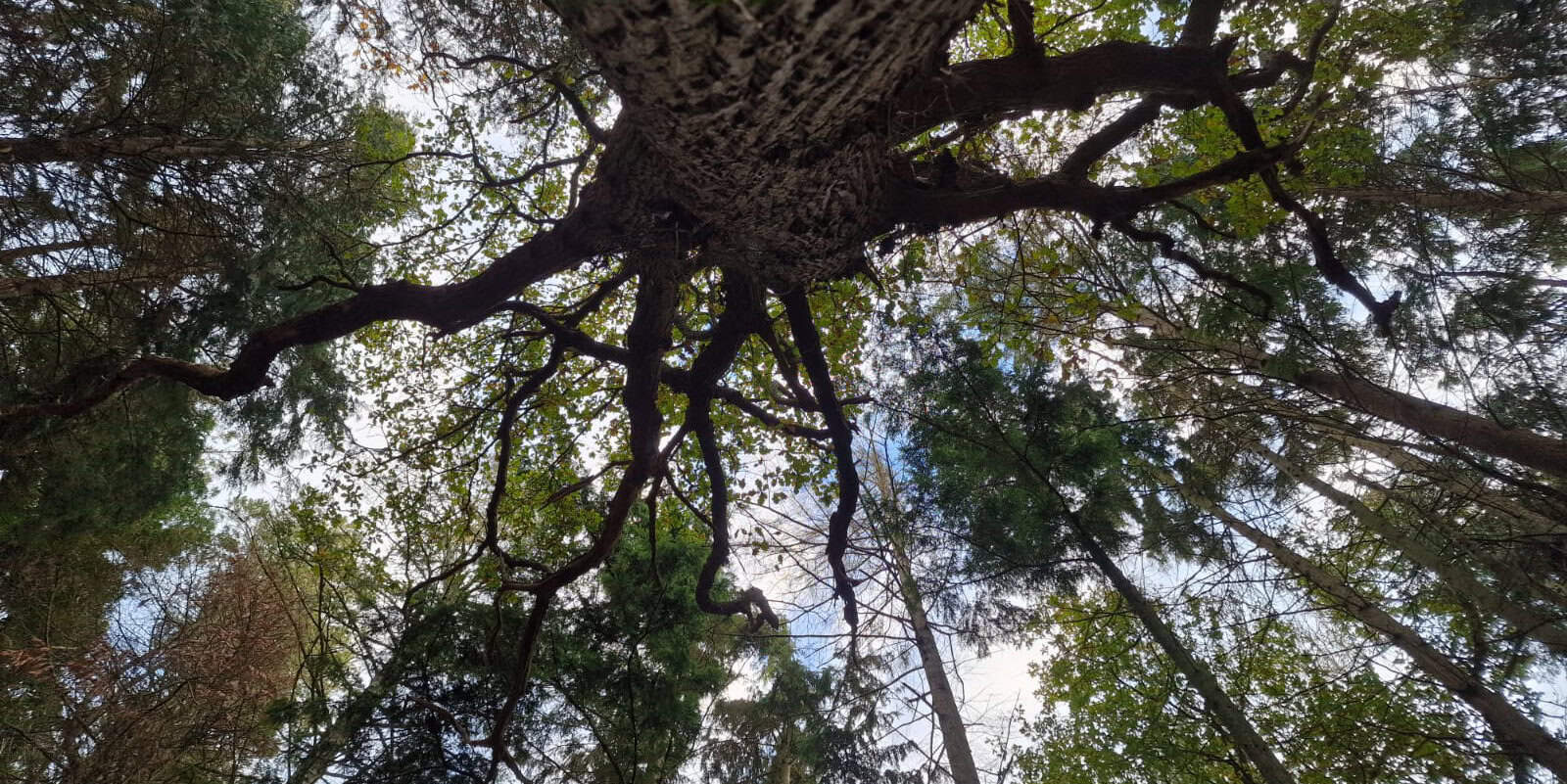
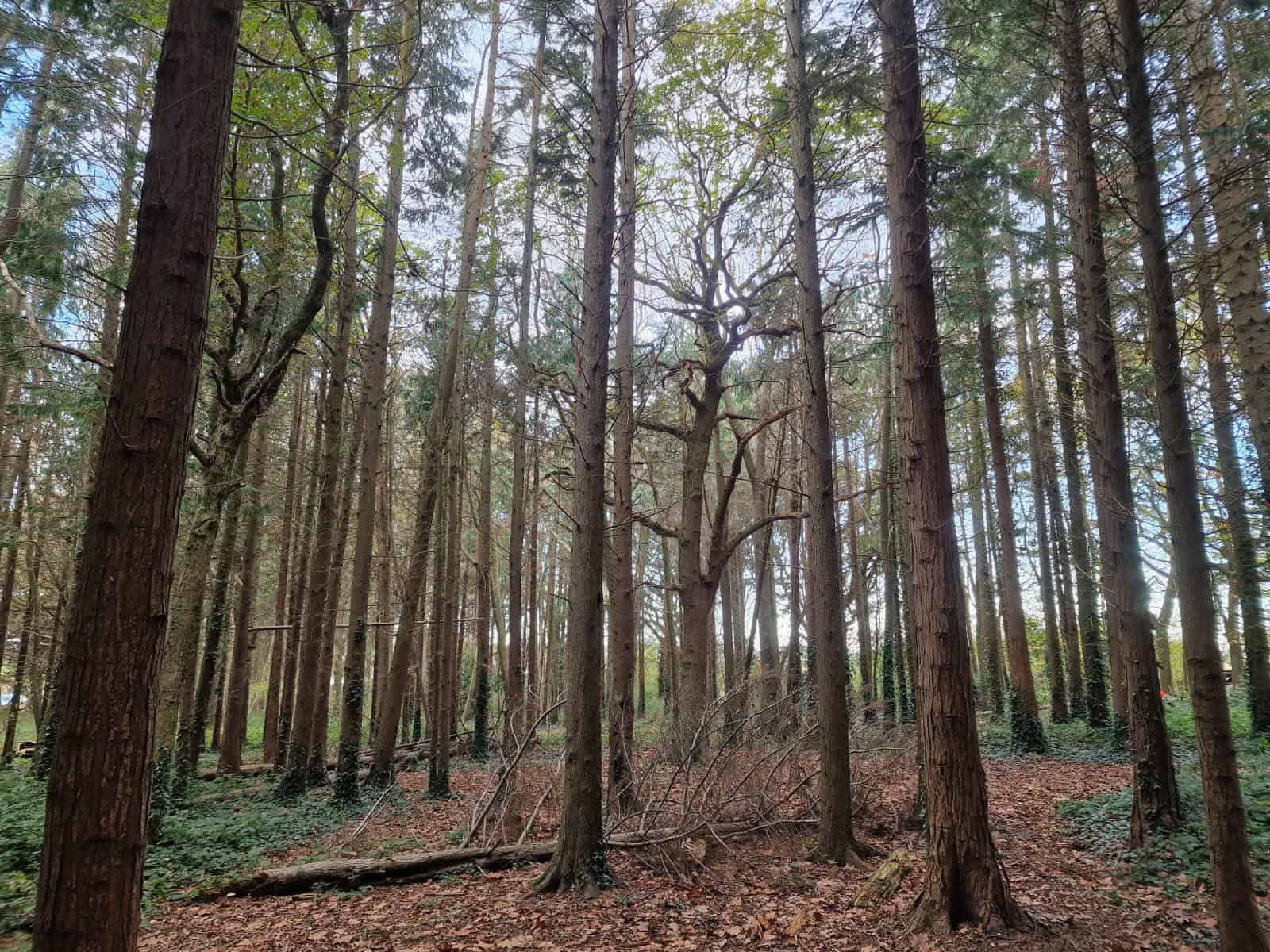
The conifer trees selected to be felled are chosen to open the canopy around existing veteran Oak trees, which pre-date the conifers in the woodland.
This is a technique known as ‘halo thinning’. It is the start of the regeneration of this Ancient Semi-Natural Woodland (ASNW), which is currently what is known as an inferior Plantation on Ancient Woodland Site (PAWS).
Educating the next generation of arborists
The Trustees of WNF have entrusted the start of this work to ArbAdvice, who are felling a limited number of conifer trees. This is integral to delivering a City & Guilds training course to educate the next generation of arborists on the Island. ArbAdvice is the only organisation on the Isle of Wight delivering these courses and the Trustees are delighted to support this local business in their work.
Wight Nature Fund appreciate that tree felling can cause concern to those who regularly use the woodland, but is keen to emphasise that the work in this amenity woodland will deliver a positive impact.
Take note of signage
Visitors to Mill Copse can be assured that the works will be well signed and to appreciate some permissive footpaths maybe closed for a short time and are asked to adhere to this for their own safety.
The Trustees want to assure the community that this is an important step towards enhancing the biodiversity of Mill Copse. The work contributes towards the Forestry Commission-approved Woodland Management Plan and will bring back more beautiful flowers to this well-loved woodland.
Wight Nature Fund adds that it is pleased that education will be delivered as part of the management, aligning with the objectives of the charity.
News shared by Simon on behalf of Wild Nature Fund. Ed