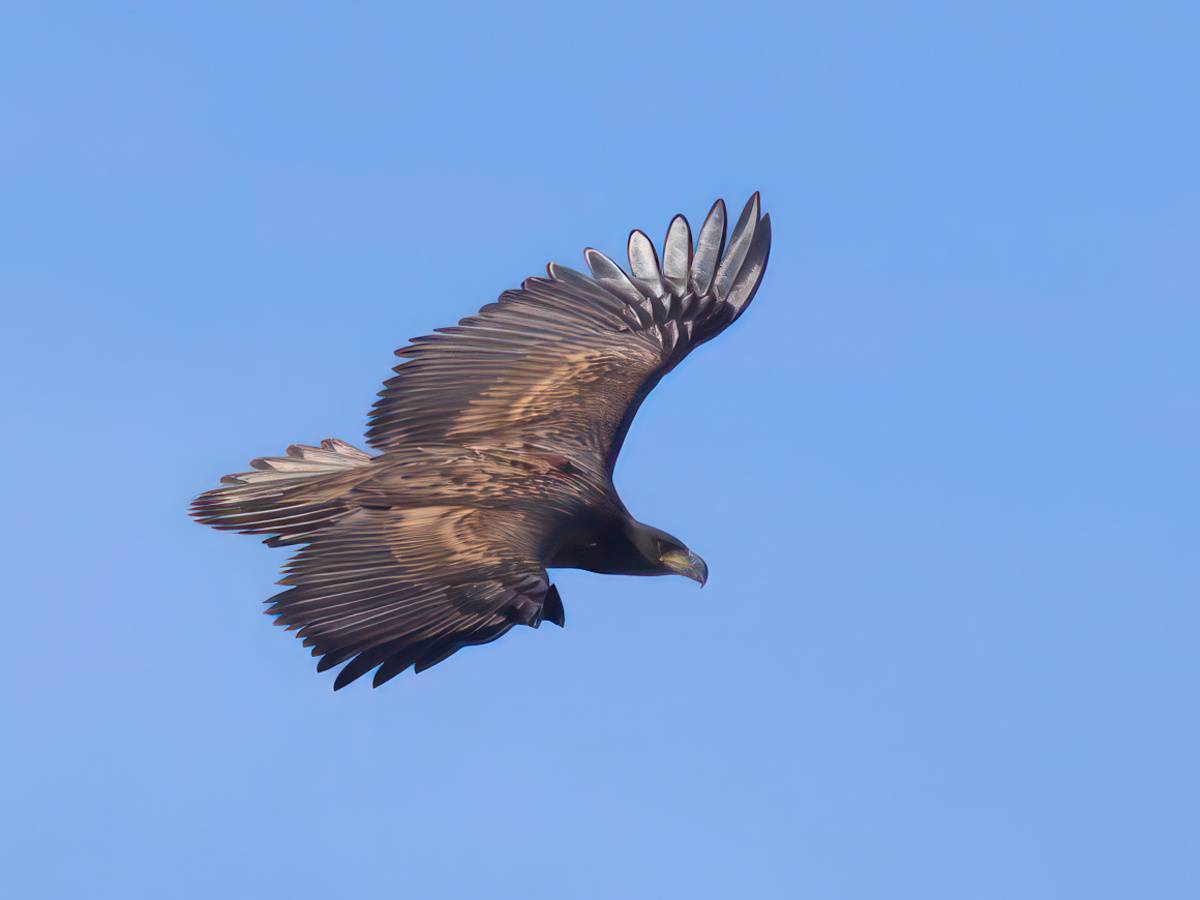
The Bank of England has shortlisted eighteen animals, birds and insects as candidates to appear on the next series of British banknotes, including the White-tailed Eagle, and members of the public now have a month to help decide which species make the final cut.
The shortlist covers a wide range of native British wildlife, from the familiar red fox and European hedgehog to the more elusive pine marten and basking shark.
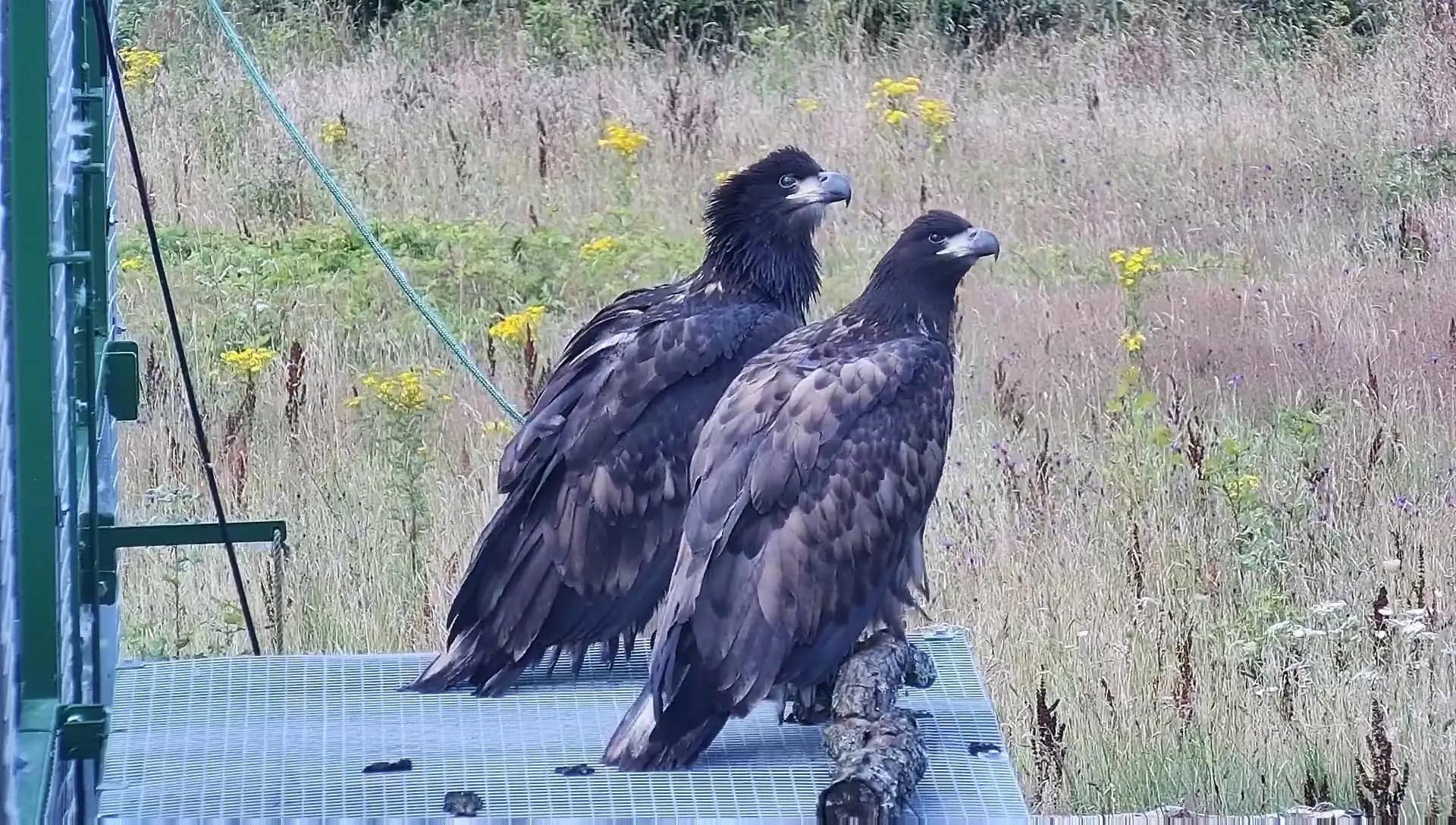
In August 2019 three pairs of juvenile White-Tailed Eagles (Sea Eagles) were released on the Isle of Wight, as part of a programme to restore this lost species to the South of the UK.
Dozens more have been released on the Island, with some already breeding.
From kingfisher to common frog
A panel of wildlife experts compiled the list, which deliberately excluded household pets. The selection gives equal consideration to both the visually striking – such as the common kingfisher and white-tailed eagle – and the more everyday, including the brown hare and common frog.
The eighteen candidates span three categories: six mammals, six birds, and six amphibians, insects and fish.
Political controversy preceded the public vote
The decision to replace historical figures on banknotes – most notably Sir Winston Churchill – with British wildlife prompted strong condemnation from political leaders earlier this year.
The public consultation now gives people the opportunity to move that debate forward by choosing which creatures they would like to see honoured on the £5, £10, £20 and £50 notes.
RSPCA welcomes the debate but calls for “animal underdogs”
The RSPCA has welcomed the public debate as “a real cause for celebration” but argues that some underappreciated species deserve a place on the shortlist.
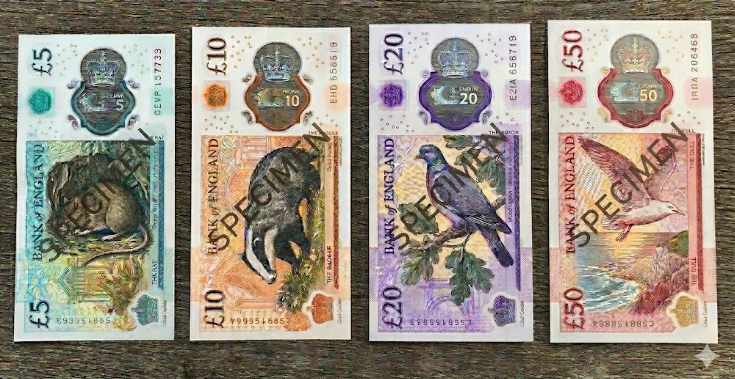
The charity, with the Bank of England’s consent, has released mock-up designs showing what notes could look like featuring gulls, rats, pigeons, and badgers – none of which appear on the current shortlist despite tens of millions living alongside people in communities across the country.
Dr Ros Clubb, Head of Wild Animals at the RSPCA, said,
“The RSPCA is for every kind – so whittling down the tens of thousands of species of native wild animals into a shortlist is something of an impossible task for us.
“It’s great that the Bank of England has pulled together a diverse shortlist – from hedgehogs, to foxes; frogs to kingfishers, and dragonflies to salmon – although we would love to see more animal underdogs make the cut.”
“Fantastic animals” that divide opinion
Dr Clubb made the case for each of the missing species on their own terms.
“Gulls, badgers, rats and pigeons all divide opinion – but this would have been a great opportunity to discuss these fantastic animals.
“They’re all amazing in their own right. Pigeons, with their war hero history; gulls, who are dedicated to their families and their co-parenting responsibilities; rats – who are incredibly empathetic and intelligent; and the badger – the master architect of a network of underground cities!”
The RSPCA also pointed to a gap in reptile representation. Dr Clubb added,
“We’d also love to have seen at least one of the UK’s six native reptile species make the cut – many people don’t know about this country’s snakes and lizards, but they can be seen at various locations across the nation.”
Wildlife on our minds
The RSPCA’s 2025 Animal Kindness Index found that 73% of people expressed worry about the future of UK wildlife, with protecting wildlife emerging as the charity’s top priority to address.
Dr Clubb said the banknote consultation arrives at exactly the right moment,
“In carrying pictures of wild animals in our wallets and purses every day, [the notes] remind us all of our own responsibilities to nature and the world around us.”
How to have your say
Members of the public can vote for up to six of their favourites from the shortlist via the Bank of England website. The consultation runs for until 3rd July 2026.