According to a BBC Shared Data Unit analysis of National Drug Monitoring Service statistics, there were more than 16,000 under-18s in drug treatment in England last year – up 13 per cent from 2023-24.
The number of under-18s receiving drug or alcohol treatment on the Isle of Wight also increased during the last year. Figures for 2024/25 show that 45 young people entered treatment, compared with 40 in 2023/24. That represents a rise of five cases, or 12.5 per cent, year on year.
Younger children feature prominently
Nearly half of those in treatment were aged 15 or under.
The data shows 20 children in this age group, accounting for 44 per cent of all under-18s in treatment. Of those, five were under the age of 14, representing 11 per cent of the total.
Cannabis dominates substance use
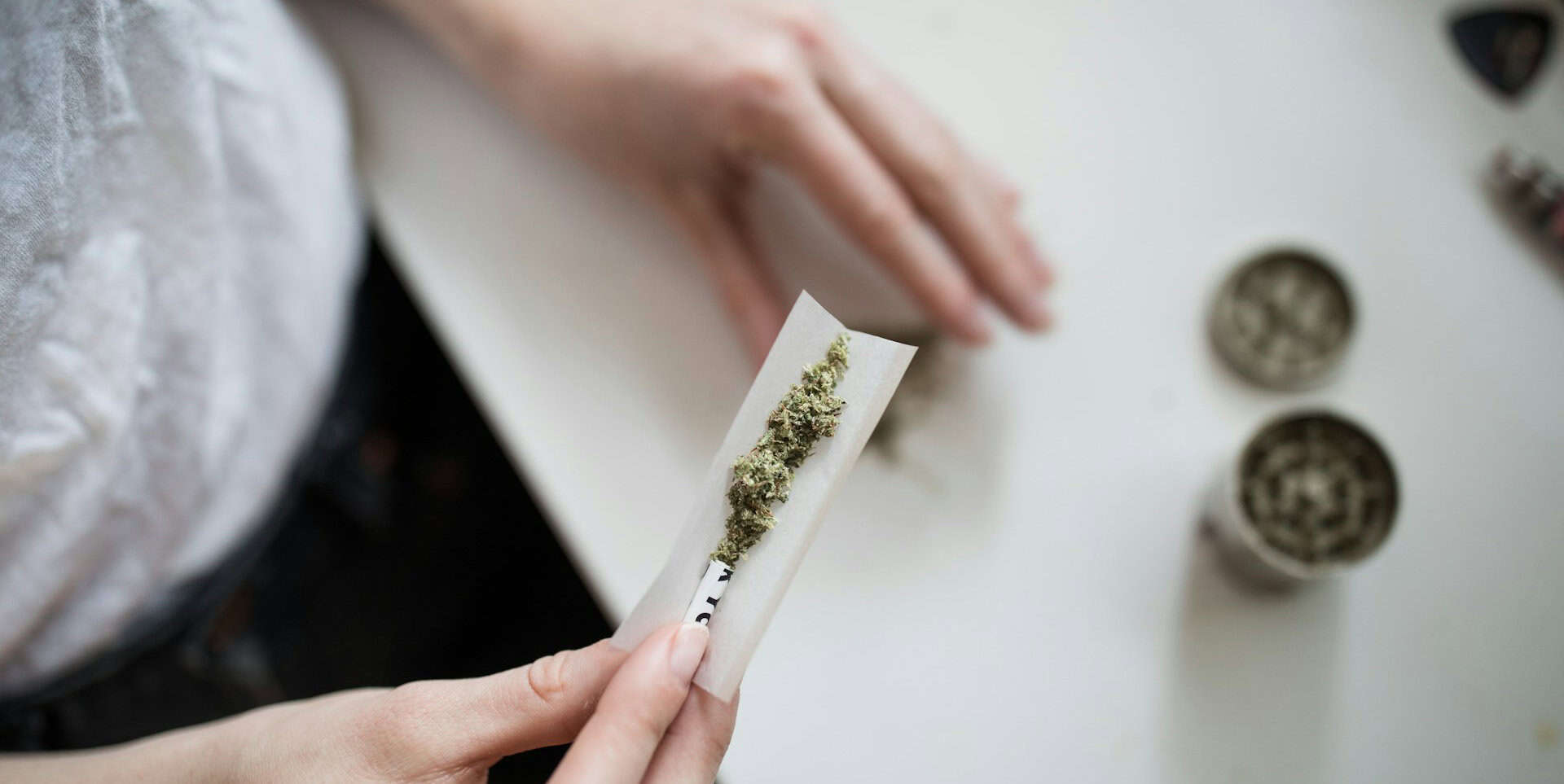
Cannabis accounted for the vast majority of cases. A total of 35 young people received treatment where cannabis was recorded as a substance of concern.
The use of cannabis by young people is a major concern. A teenager’s brain is still under construction and the last major phase of brain development – especially in the prefrontal cortex (judgement, impulse control, planning, emotional regulation) – continues until about 25.
Cannabis directly interferes with that process.
Alcohol was recorded in 15 cases, while ecstasy appeared in five. No cases involved cocaine, opiates, amphetamines, nicotine, solvents, or so-called new psychoactive substances.
No demand for residential care
Across the country the BBC investigation has uncovered overstretched community support services and a lack of residential rehabilitation facilities for the youngest victims of the UK’s drugs crisis.
However, on the Island there has been no clinical need for under 18 residential provision to date.
A spokesperson for Public Health told OnTheWight,
“Where there is a clinical need for under-18 specialist residential provision, this would be provided off Island, as is the case for adult residential provision.
“There are a wide range of treatment options for under 18s and these are tailored to the individual young person.
“Inclusion work with schools, sixth forms and colleges on the Island to provide prevention support, and appropriate treatment and support according to the young person’s individual need and choices.
“They also work very closely with partners such as Youth Justice, housing providers and family hubs, to treat and support under 18s using a tailored approach based on evidence-based practice and national medical guidelines.”
The spokesperson added,
“Any consideration of the need and timing for residential rehab would be dependent on a number of factors and complexities relating to the individual’s health and wellbeing need.”
Comparison with neighbouring authorities
When compared with neighbouring Portsmouth and Southampton, the Isle of Wight sits between the two in terms of raw numbers but stands out once population size is taken into account. In 2024/25, 45 under-18s were in treatment on the Isle of Wight, compared with 50 in Portsmouth and 30 in Southampton.
However, when adjusted for overall population, the Isle of Wight has the highest rate of under-18s in treatment. That equates to around 32 young people per 100,000 residents, compared with approximately 24 per 100,000 in Portsmouth and 12 per 100,000 in Southampton.
This means that, proportionally, under-18s are entering treatment on the Isle of Wight at a higher rate than in either of its mainland neighbours, despite Portsmouth recording a slightly higher total number.
Schools and families drive referrals
Referrals most commonly came from education settings and family or friends, with ten referrals each.
Social care and the criminal justice system each accounted for five referrals. No referrals came from health services or other substance misuse services.
School exclusions
Figures on school exclusions and suspensions linked to drug or alcohol use show the Isle of Wight standing out sharply from its mainland neighbours.
On the Isle of Wight, 10 of the 32 exclusions recorded were linked to drugs or alcohol, meaning 31 per cent of all exclusions had a substance-related cause. By contrast, Portsmouth recorded no drug- or alcohol-related exclusions at all, while Southampton recorded four, accounting for 7 per cent of its total exclusions.
A similar pattern appears in suspensions. The Isle of Wight recorded 110 drug- or alcohol-related suspensions, representing 4 per cent of all suspensions. Portsmouth recorded 84 such suspensions, but this equated to just 1 per cent of its total, while Southampton recorded 165, around 3 per cent.
In all three areas, substance-related incidents were concentrated almost entirely in secondary schools, with no primary school exclusions recorded.
Overall, the data shows that while Portsmouth and Southampton have higher total numbers of exclusions and suspensions, the proportion linked to drugs or alcohol is notably higher on the Isle of Wight, particularly when it comes to exclusions.
Clear trends emerging
The data highlights a growing number of younger children entering treatment and a strong link with cannabis use.
It also shows that schools and families play a central role in identifying and referring young people for support on the Island.
Available support
Inclusion Isle of Wight can be contacted online at Inclusion Isle of Wight.
By phone on (01983) 526 654 or out of hours on 0300 330 2001.
Alternatively people can email to [email protected]