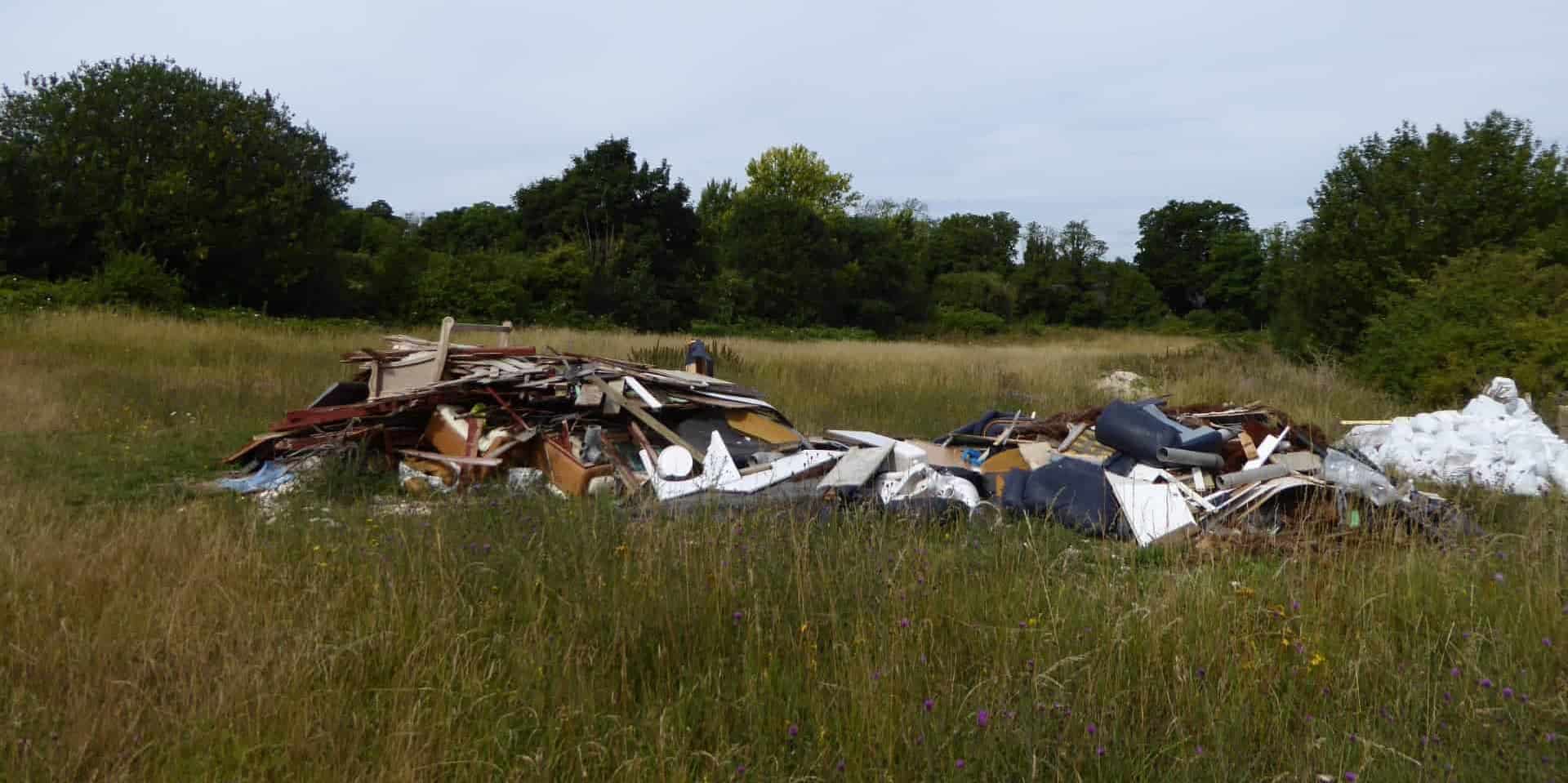
Businesses, contractors and tradespeople across the Island are being reminded of their legal responsibilities when disposing of waste, as the Isle of Wight Council works to protect the environment and promote responsible waste management.
Some professional waste producers may be unaware of their obligations under Waste Duty of Care legislation and the important distinction between household waste and commercial waste.
Legal duty of care
Under UK law, anyone who produces, carries, keeps, treats or disposes of commercial waste has a legal Duty of Care to ensure it is managed correctly and transferred only to authorised waste carriers or facilities.
Failure to comply with these requirements is a criminal offence and can result in prosecution and significant fines.
What is commercial waste?
Many people associate commercial waste solely with shops, offices and factories. However, waste generated through construction, demolition, maintenance, landscaping, agricultural and trade activities is also classed as commercial waste.
Waste arising from a business activity is generally classed as commercial waste, including waste generated when work is undertaken at a residential property, and must be managed in accordance with legal Duty of Care requirements.
Waste arising from a business activity must be managed and disposed of through lawful commercial waste routes in accordance with the Waste Duty of Care.
What businesses and contractors must do
Businesses and professional contractors must take reasonable steps to ensure their waste is handled safely and legally.
This includes keeping waste secure, ensuring it does not escape, accurately describing the waste being transferred, completing the appropriate waste transfer documentation and checking that any waste carrier used is properly registered.
Businesses transporting their own waste may need to register as waste carriers depending on the nature of their activities and the type of waste being transported.
Advice for householders
Householders arranging building, maintenance or landscaping work should expect contractors to remove and dispose of any waste through legitimate commercial waste services.
The requirements for commercial waste are different from those that apply to householders carrying out DIY projects at their own homes. Where residents undertake work themselves, different arrangements may apply. Contractors and businesses remain responsible for waste generated through their commercial activities.
Residents are encouraged to ask contractors how waste will be managed and to be wary of anyone offering unusually cheap waste disposal services.
Professional contractors should be able to demonstrate that they are disposing of waste responsibly and legally. Waste Duty of Care requirements place responsibility on those producing and handling commercial waste to ensure it reaches an authorised destination.
Fly-tipping and the Code of Practice
The government’s Waste Duty of Care Code of Practice identifies the illegal dumping of controlled waste as fly-tipping and makes clear that waste producers must take reasonable steps to ensure their waste does not end up being deposited illegally.
Dix: We all do our part
Natasha Dix, the Isle of Wight Council’s service director for waste, environment and planning, said,
“The vast majority of Island businesses and contractors dispose of their waste responsibly. However, there can sometimes be confusion about when waste arising from work carried out for customers becomes commercial waste and what legal duties then apply.
“It could be a builder carrying away rubble, a gardener removing green waste or a contractor clearing materials from a customer’s property, all of this is classed as commercial waste and must be handled accordingly.
“We are encouraging businesses, tradespeople and residents to familiarise themselves with their responsibilities. We can help reduce fly-tipping, protect our environment and ensure waste is managed safely and legally if we all do our part.”
News shared by Isle of Wight council press office, in their own words. Ed