A new initiative on the Isle of Wight is helping to safeguard local wildlife while supporting sustainable development.
The Isle of Wight council has joined 11 other planning authorities across the south of England in the NatureSpace District Licensing Scheme.
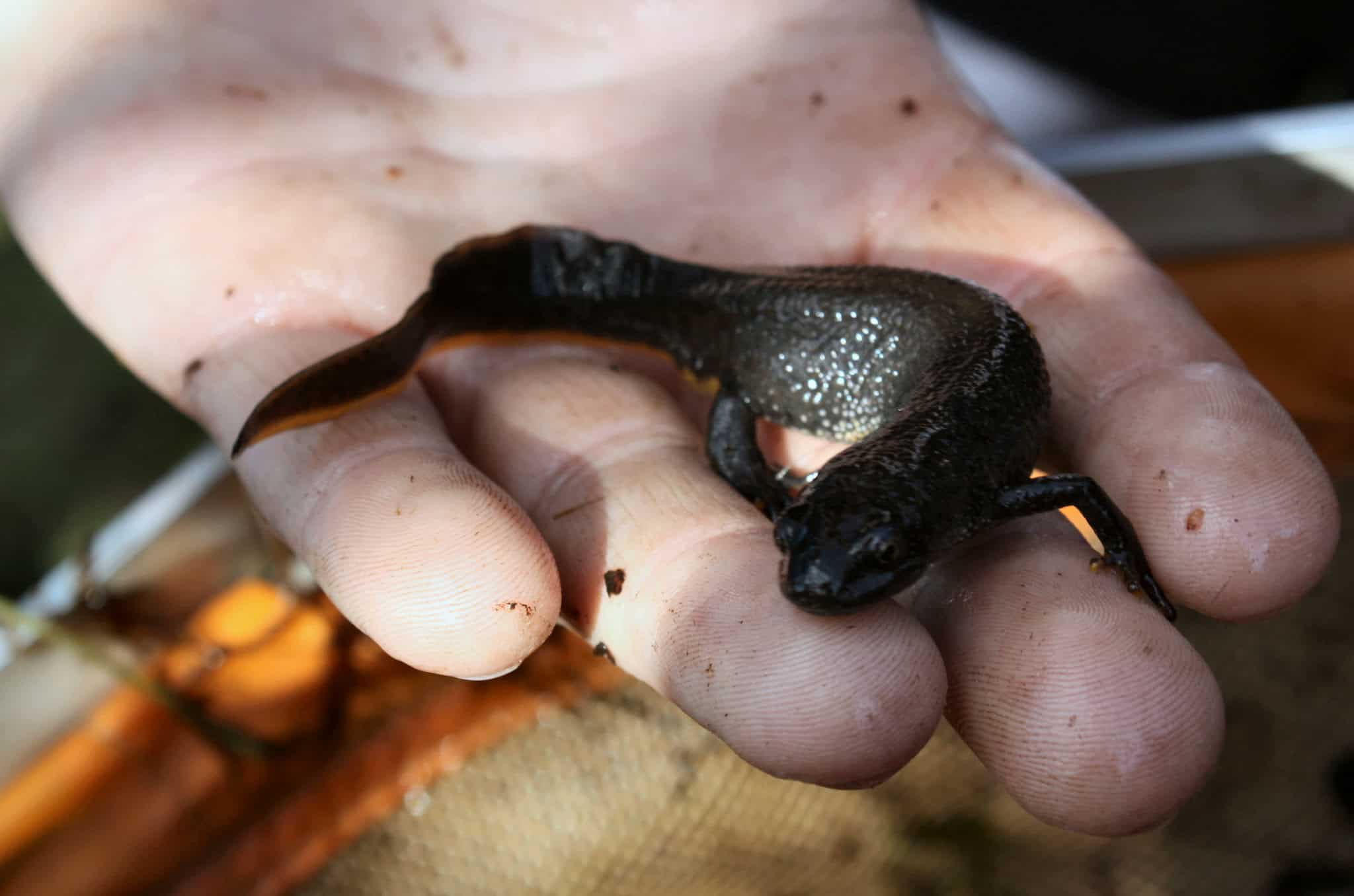
This nationally recognised programme aims to protect species such as the great crested newt, whose numbers have declined sharply in recent decades.
Protecting habitats while allowing development
Although great crested newts breed in ponds, they spend most of their time on land — often in woodland, hedgerows and grassland. They are usually found within 500 metres of a pond, but can travel further.
Habitat loss is the main threat to the species. The scheme tackles this by creating and managing high-quality habitats in places where they are most needed, away from areas of development.
Natural England authorises the scheme, and developers who choose to take part fund the new habitats.
Long-term monitoring and national support
The Newt Conservation Partnership manages each site with support from the Freshwater Habitats Trust and Amphibian and Reptile Conservation.
Each site is maintained and monitored for at least 20 years to ensure long-term benefits for newts and other wildlife.
Katie Ewers, district licensing officer for Hampshire and the Isle of Wight at NatureSpace Partnership, said,
“It’s great to have the Isle of Wight council as part of the District Licensing scheme, joining over 65 other planning authorities nationwide who are both supporting nature recovery and enabling important development.
“Thanks to the commitment of councils across the country taking part in NatureSpace’s District Licensing Scheme, high-quality compensatory habitats are being delivered and vital new havens for great crested newts and other wildlife are being established.”
A strategic approach to conservation
Ollie Boulter, the council’s strategic manager for planning and infrastructure delivery, said,
“This scheme is a great example of how we can support nature recovery as part of developments.
“It allows us to take a more strategic approach to conservation, ensuring that wildlife habitats are protected and enhanced in the right places and for the long term.”
Further details about the District Licensing Scheme are available on the NatureSpace and Isle of Wight council websites.