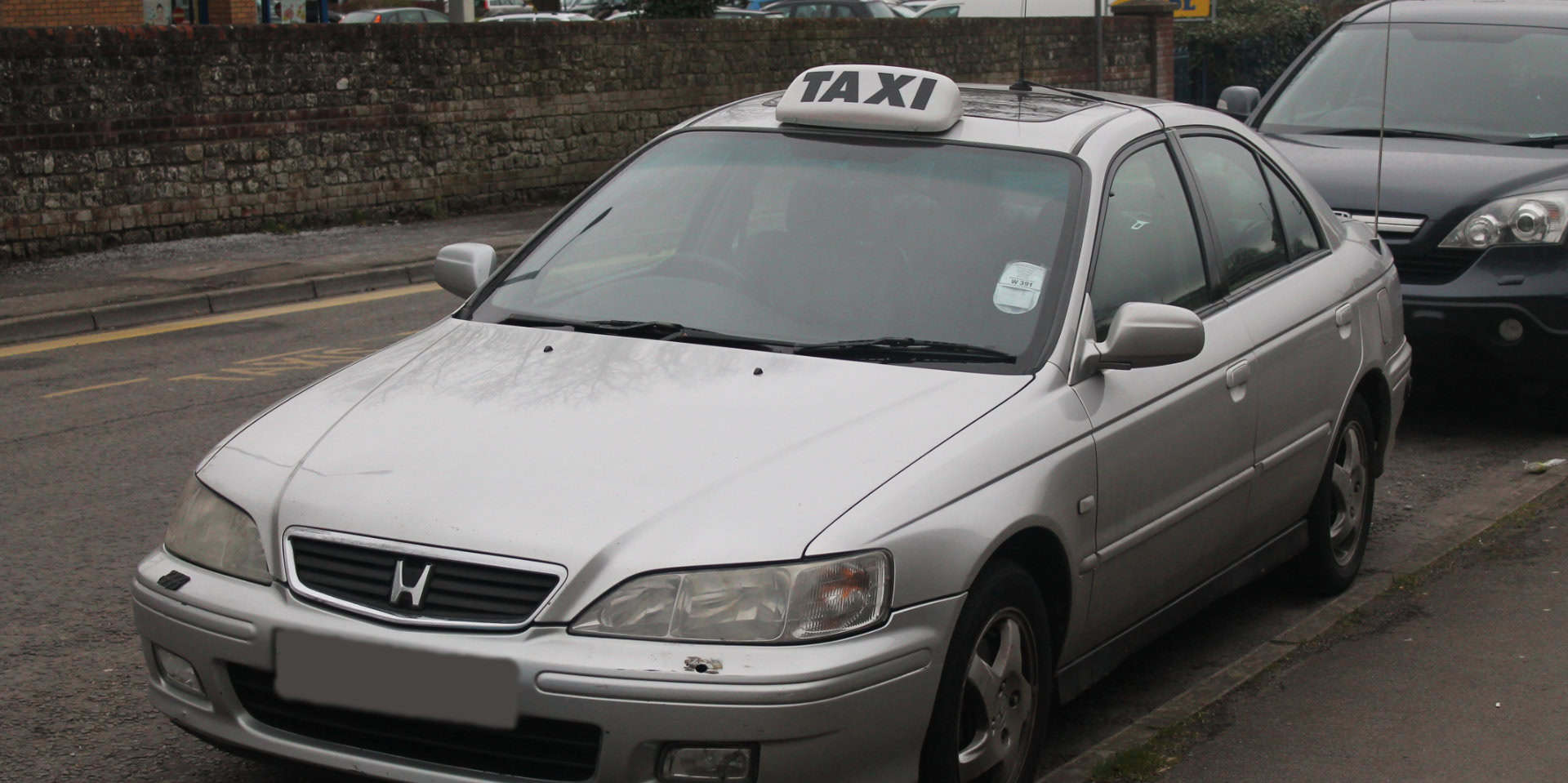
The “escalating” cost of transporting children to and from Isle of Wight schools in taxis has reached nearly £4.5 million over the last two financial years.
A freedom of information request by the Local Democracy Reporting Service reveals spend on the taxis has risen from £939,438,69 in 2019/2020 to £2,388,752.13 in 2024/2025.
£2m in one year on taxis
In 2023/2024, the council spent £2,046,920.61 on the taxis.
The Isle of Wight Council is legally required to ensure suitable travel arrangements are in place to allow eligible children to get to school.
Taxi services are available to some pupils on the basis of their needs or where they live.
Blake: The taxpayer deserves better value for money
Conservative group leader Councillor Ed Blake, who represents Ventnor and St Lawrence, said,
“This figure (£4,435,672.74 over the last two financial years) is a very large number and figures like this one can be difficult for residents to digest.
“I have no doubt that every taxi journey included was needed and procured at a competitive rate; what this taxi usage highlights though is the lack of required provision for our young people within proximity to them.
“Some of these taxi journeys would be to mainland education providers and having to send our children across the water to gain the education they require is not acceptable and carries huge costs.
“Our children deserve better education close to home and the taxpayer deserves better value for money.”
Jarman: This approach tackles the symptoms not the cause
Totland and Colwell representative Councillor Chris Jarman, who leads the Empowering Islanders group, said,
“The escalating cost of taxis for school transport reflects a combination of the absurdity of central government policy regarding pupil funding in rural and high SEND authorities, coupled with the failure of school place planning on our Isle of Wight.
“There can be no doubt that our high ratio of children with various special educational needs demands a different approach to funding, but the high demand is itself a reflection of the lack of early intervention to prevent such need.
“Addressing the issues of children early in their lives, whether from poverty, deprivation, health inequalities or behavioural issues, would translate into significantly less demand and better outcomes in their educational and life cycles.
“It is likewise clear that the overprovision of school places results in an inefficient model for both children and teachers with both suffering the consequences.
“Addressing the rationalisation of school places and demand should have been addressed when the opportunity presented itself in 2021, 2022 and again in 2024, if not earlier.
“Again though, this approach tackles the symptoms not the cause of falling birth rate and skewed demographics, which themselves can only be addressed by radical regeneration investment creating well paid job opportunities and an environment that promotes growing families.”
Isle of Wight Council has been approached for comment.
This article is from the BBC’s LDRS (Local Democracy Reporter Service) scheme, which News OnTheWight is taking part in. Some alterations and additions may have been made by OnTheWight. Ed