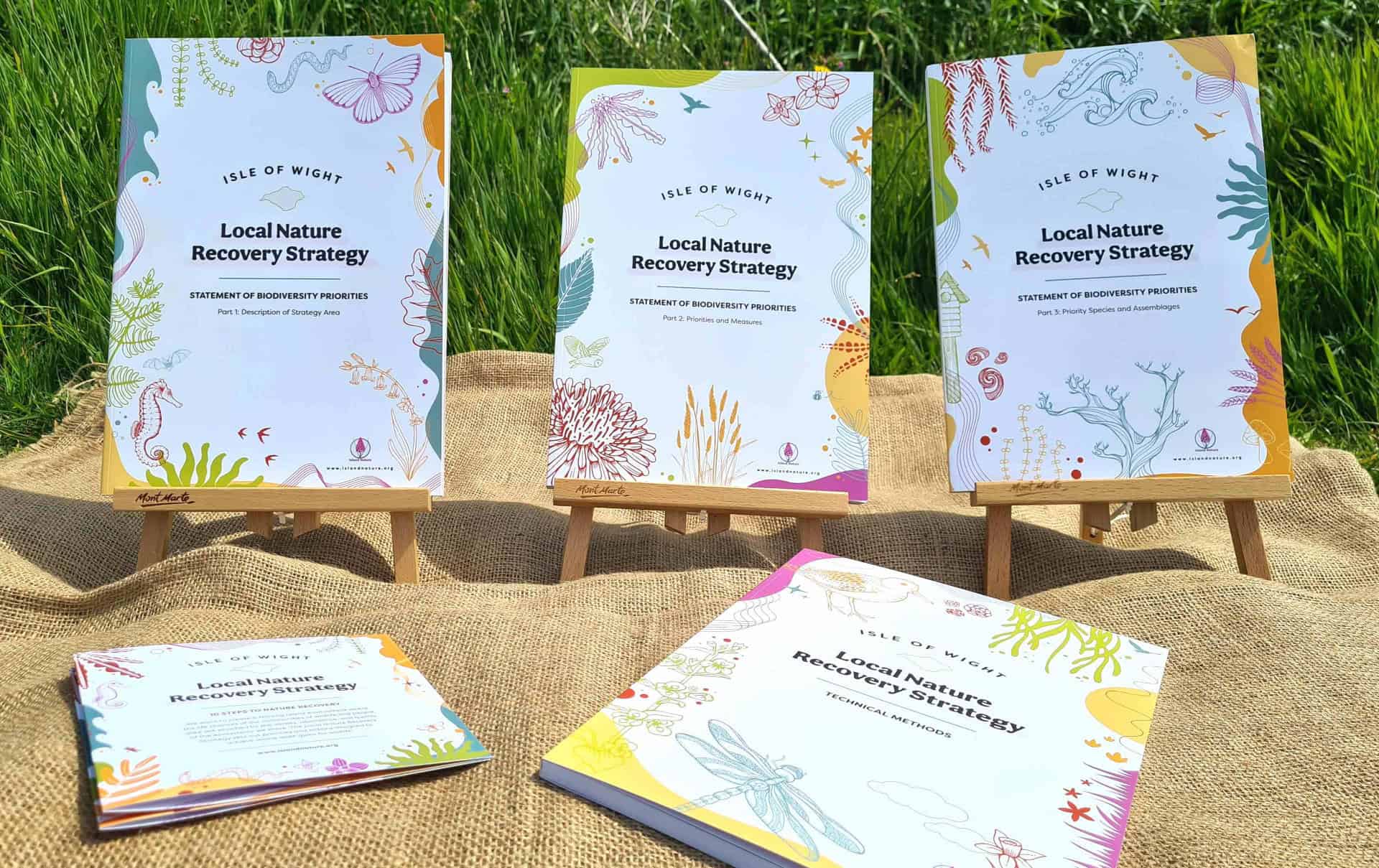
Last week marked the official launch of the Isle of Wight Local Nature Recovery Strategy (LNRS), alongside the Local Habitat Map and new guidance materials aimed at supporting local wildlife and habitats.
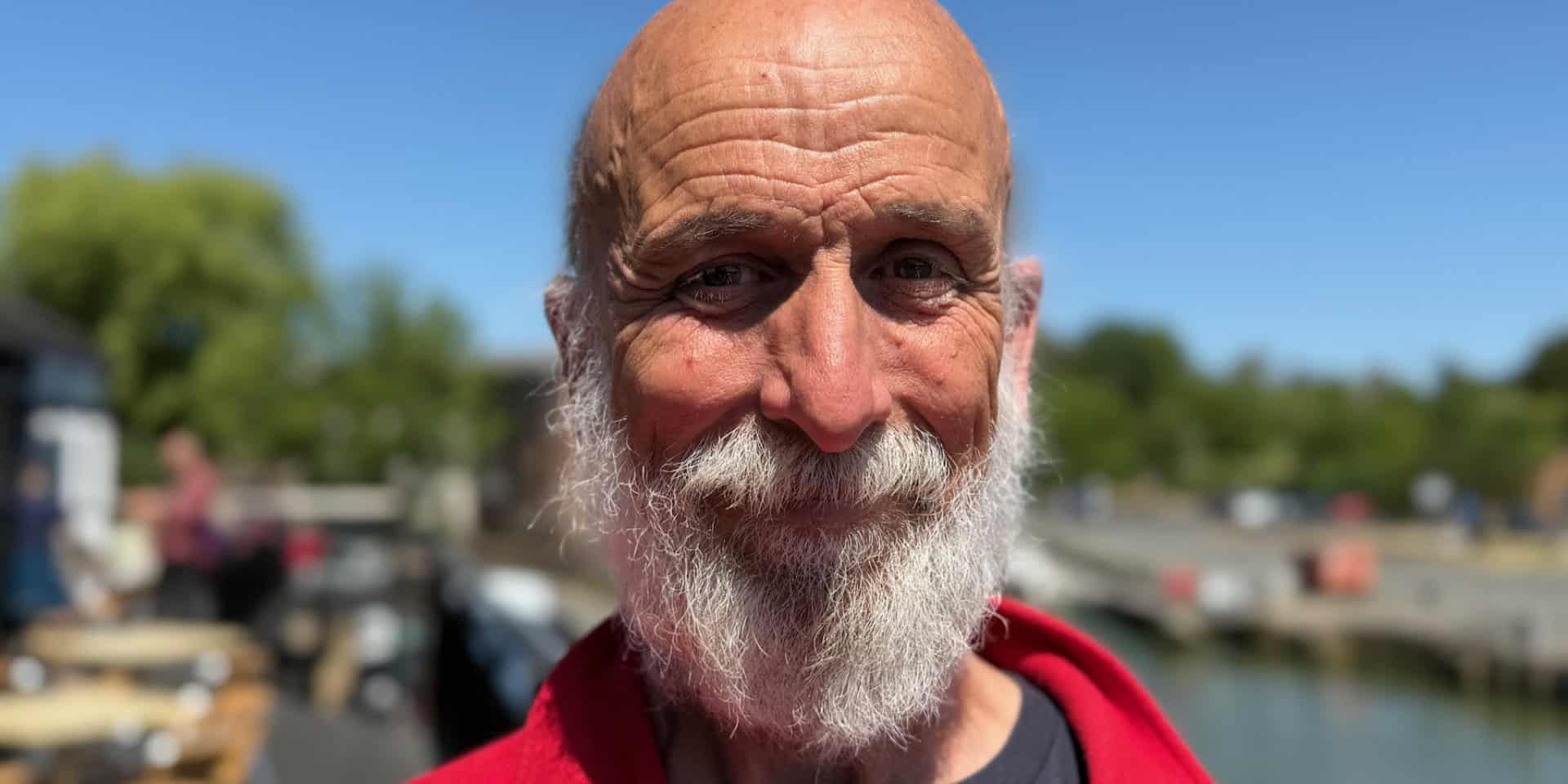
At the launch, OnTheWight caught up with Ian Boyd from Arc and The Common Space, who with his team, Claire Hector, Sam Buck and Daneen Cowling, has been working on the project for the last 18 months.
Always inspiring to talk to, Ian began by giving us an outline of what the LNRS is,
“It’s a spatial plan for wildlife, and that’s literally its legal duty to be such a thing. So, in other words, it provides a kind of mapped resource.
“You can go online, you can go to the LNRS website, and it will show you where the top priorities for intervening in nature conservation are for the next three to five years.”
He added that this is a rolling programme, reviewed every three to five years, has been based on extensive consultation,
“With experts, communities, homeowners, schools, you put all that together and you crunch it through a kind of machine, a metric, and it comes out, suggesting that these are the places where we can intervene for the best deal for wildlife now and then we’ll review that and move on.
“So it helps us target our efforts collectively as an Island community.”
Development and regulation of the LNRS
Ian explained that the process of creating the LNRS was heavily regulated, involving multiple stages of review and public consultation, and required meeting specific standards from the Environment Act 2021.
It is so closely regulated that the process even involved multiple exams and reviews by government agencies, including a final roundup and review by the Secretary of State.
As reported by OnTheWight over the weekend, the LNRS is now published and ready for implementation, with a core team of dedicated individuals who have worked tirelessly on the project. The next step is to learn how to use the LNRS effectively and take urgent, rapid action for nature conservation on the Isle of Wight.
National recognition and community involvement
The Isle of Wight’s LNRS is the fourth of 48 to be published in England, but has already been hailed as an exemplar report by Natural England.
Ian was keen to stress the report was the result of the hard work of many people, not just his team as mentioned above, but also,
“The team at Isle of Wight council, in the National Landscapes team, the Steering Group that supported and continues to support the LNRS process, which is a wide range of organisations, government agencies, landowners, landowner forums, other sort of community input.
“It is a testament to the quality of that engagement and the serious intent behind it, so that everyone has taken this very seriously and wanted it to and wanted it to be a great thing.
“So the fact that it is a great thing is a source of great pride. I’m very, very delighted by that.”
The LNRS is significant for the Isle of Wight, a UNESCO World Biosphere Reserve, and will influence future conversations about natural capital and regional collaboration.
Accessing and Using the LNRS
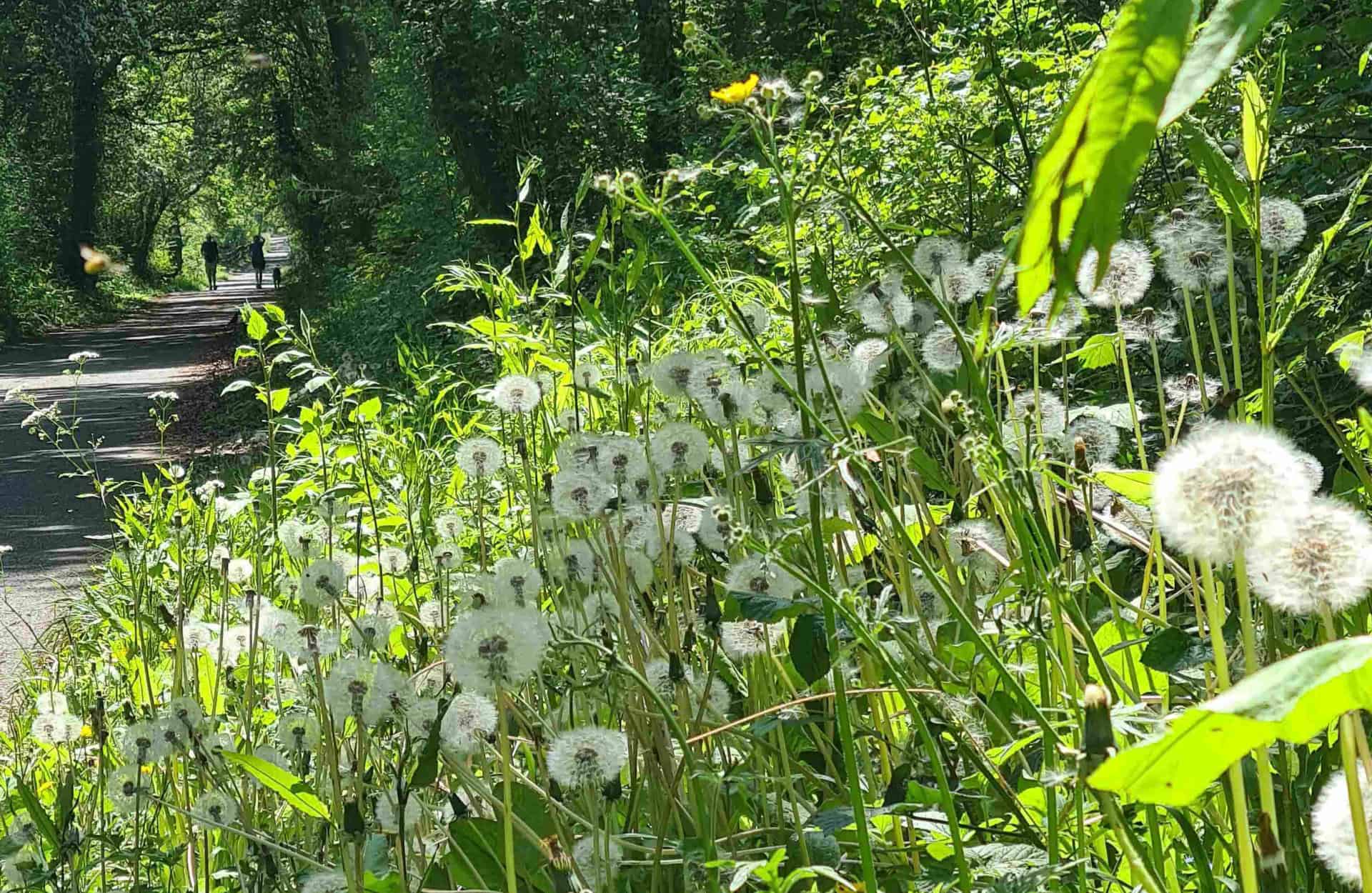
The LNRS documents and online map are accessible via the Island Nature website, with the online map continuing to evolve and provide detailed information.
This map allows residents to drill down to a fine level of detail, providing technical information about measures and species priorities in their area. They can access documents that outline actions for wildlife and species priorities, helping them understand how to support nature conservation in their local area.
As Ian points out in our conversation, the LNRS provides options for individuals to get involved, either by focusing on their passion or by aligning their actions with the LNRS priorities.
Impact and community action
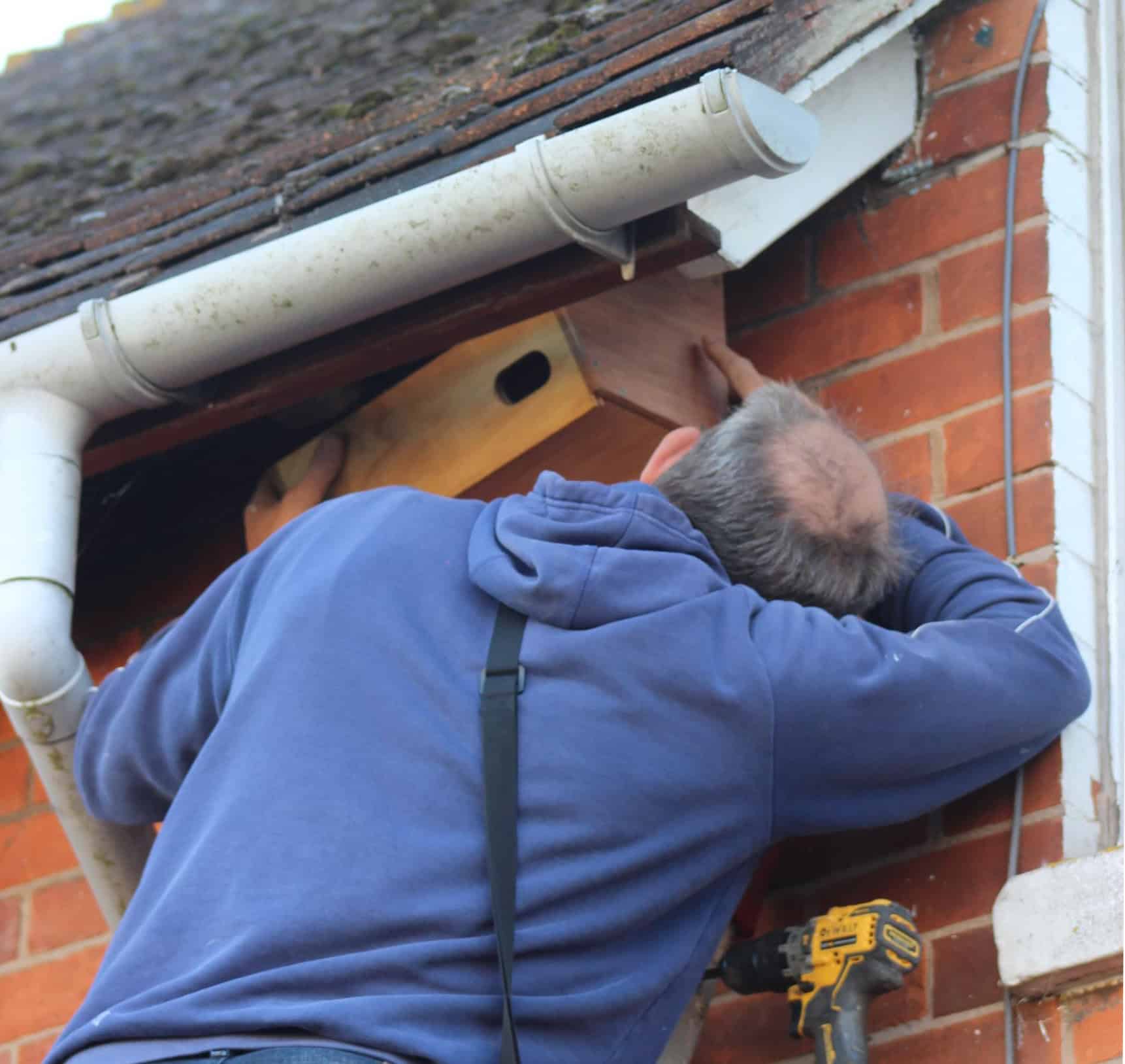
There are 500 priority species on the Isle of Wight, with 200 champion species. Ian explains,
“It may surprise you to know that there are key species, some of which will be familiar to you, some of which will absolutely be entirely unfamiliar to you, that are in your area, that are known and recorded from area that are considered to be high priorities. And the way the LNRS works is it tries to scrunch those together, so a bunch of species probably need a similar set of measures that will help all of them and within the species. And there are 500 priority species. That’s a lot of priorities!”
Anyone whose interest has been piqued by what they’ve heard so far, will want to understand how they can get involved.
“There are 200 champions which we have taken out, and they carry a lot of weight. So if you had a champion species you knew was in your patch, turtle dove, let’s say, or hedgehog, then there’ll be some stuff to do with looking after it that will spread for a whole bunch of other stuff.
“So what you don’t have to do is suddenly become incredibly expert, expert in ecosystem function.”
Small actions, big outcomes
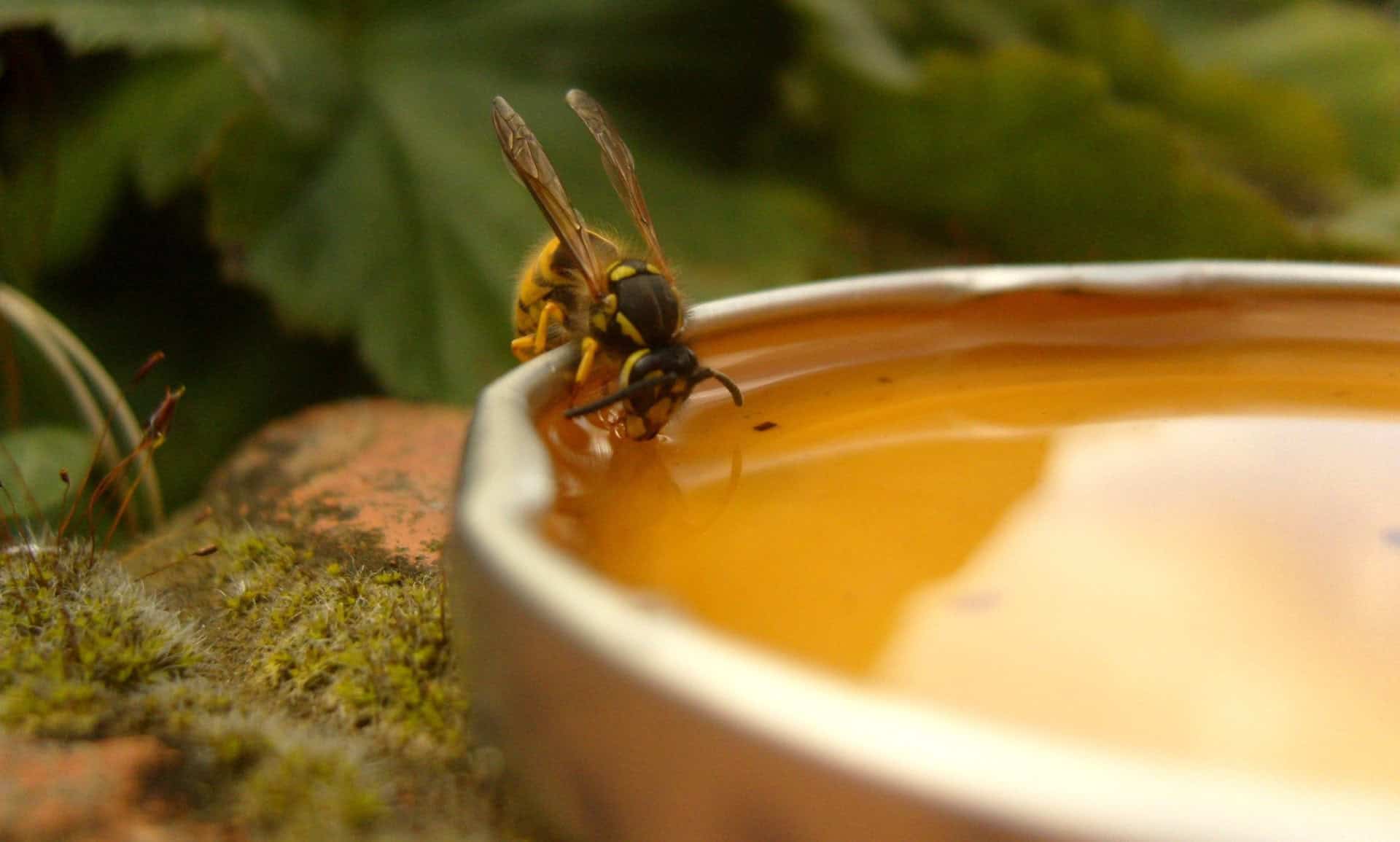
The LNRS encourages small actions, that when combined, can have a significant positive impact on biodiversity.
Ian emphasised the importance of community involvement and collective action in achieving nature conservation goals. He finished by saying,
“We can all do something. We are not hopeless. There are difficult times for humans and for non humans alike.
“We fess we face very similar challenges, but if we intervene, and we intervene together as a community of people and a community of wildlife towards the same end, then we will make progress.”
Listen to the full conversation
You can hear much more about the LNRS and what it means for the Island by listening to our conversation with Ian Boyd.
Use the player below to listen, pause, rewind or skip forward in the recording.

Find out more
You can find the four documents that make up the Isle of Wight LNRS and the Local Habitat Map on the Island Nature website.
Look out for our conversation with Graham Horton (Natural England) coming later in the week, or listen back to our chat with James Brewer.
For more information on the LNRS documents, check out the explainer videos, the first of which is embedded below.