Last week marked the official launch of the Isle of Wight Local Nature Recovery Strategy (LNRS), alongside the Local Habitat Map and new guidance materials aimed at supporting local wildlife and habitats.
Attending the launch were many of those who contributed to the two-year project, including Graham Horton from Natural England, who described the Isle of Wight LNRS as a “National Exemplar” (more on that later).
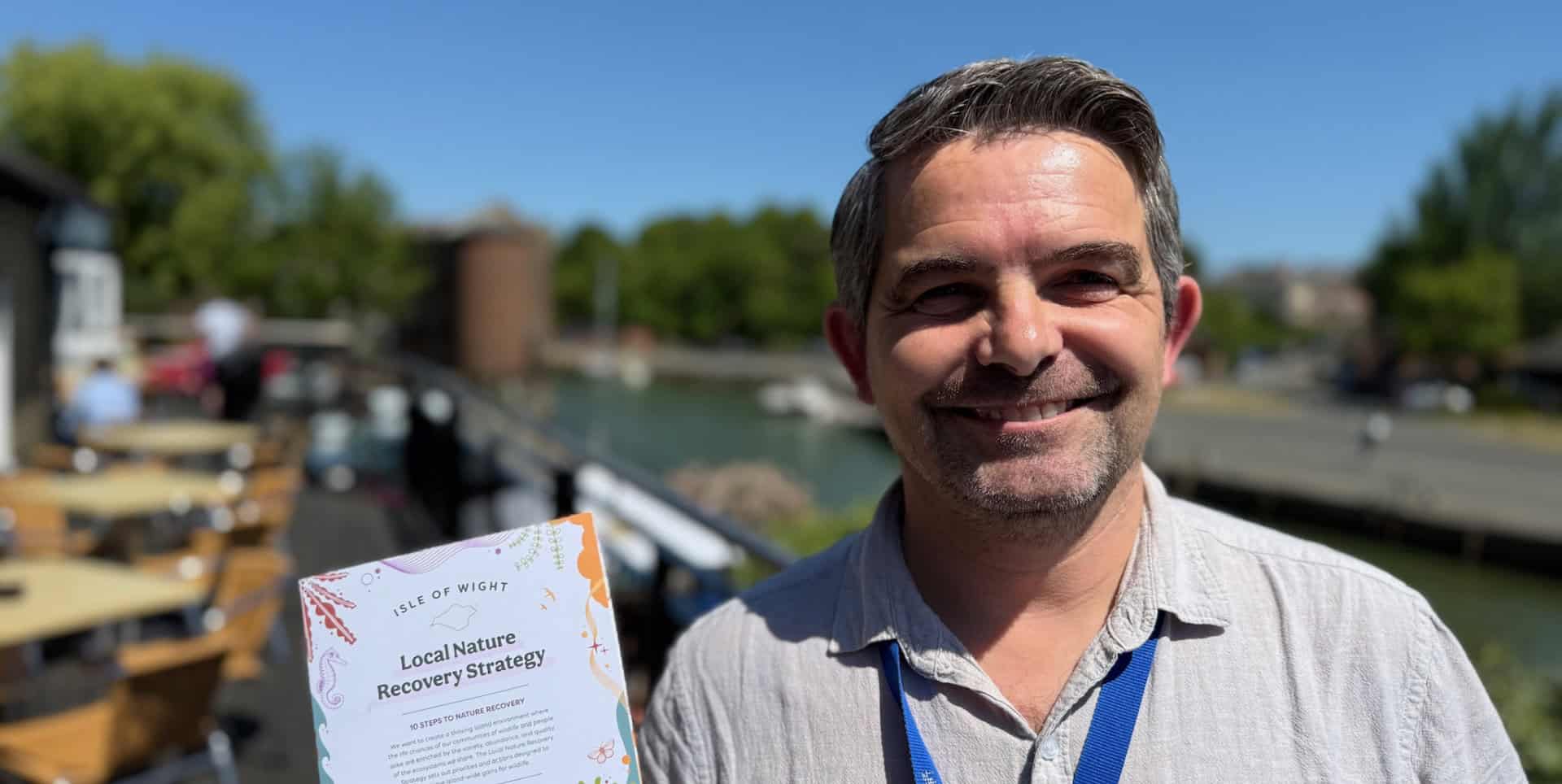
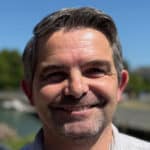
Speaking with James Brewer
OnTheWight took the opportunity at the launch to chat to some of those involved with this hugely positive project. The first of our three conversations is with James Brewer, Planning Policy Manager at the Isle of Wight council.
In a ten-minute interview, James explained what the LNRS means for the Island, why it matters, and how residents can play a role in supporting local nature recovery. He described the day as significant for both the Island and its environment.
Making nature recovery accessible
The LNRS includes detailed technical documents and maps that offer guidance at all levels – from landscape-scale interventions, to actions individuals can take in their own gardens.
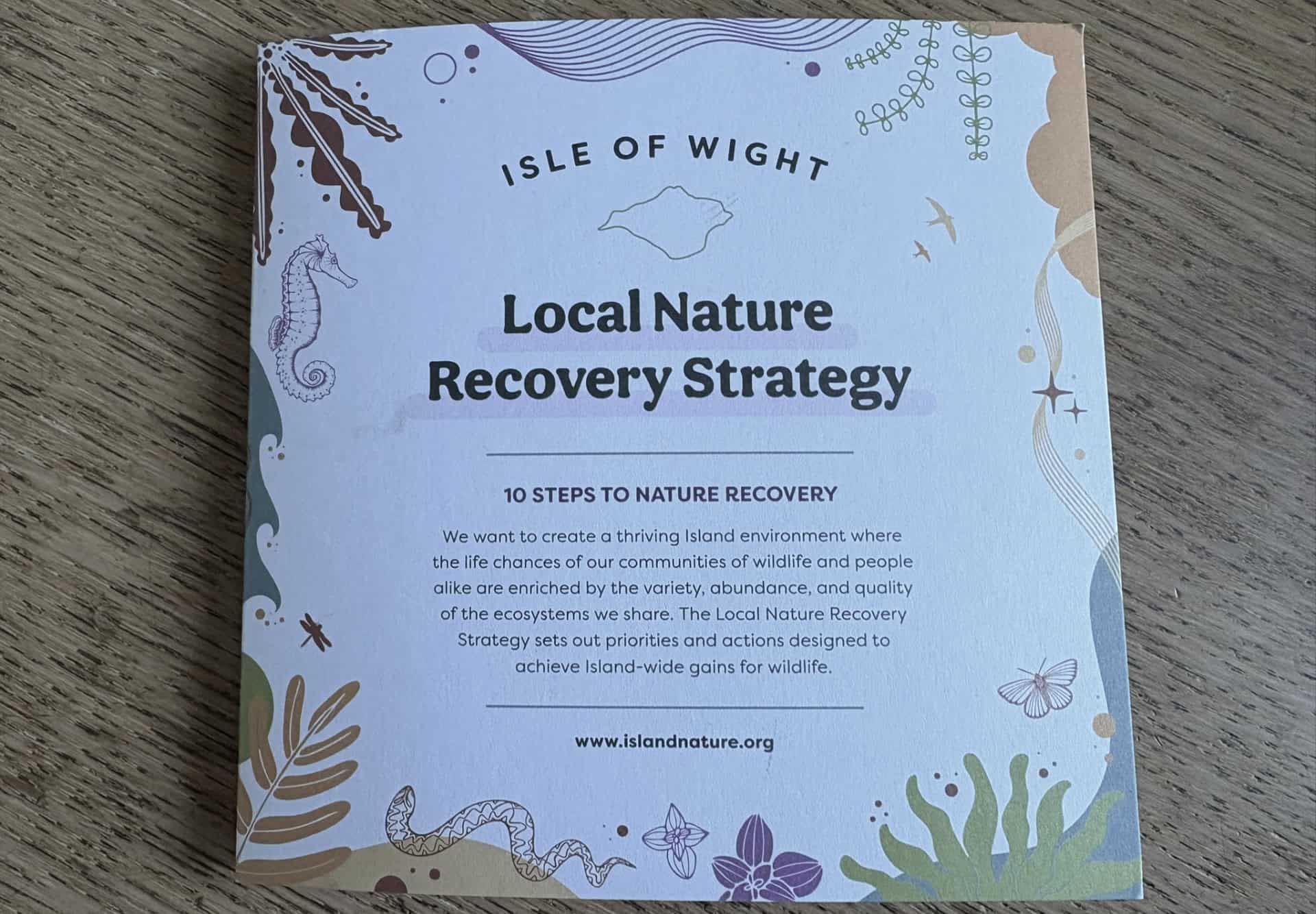
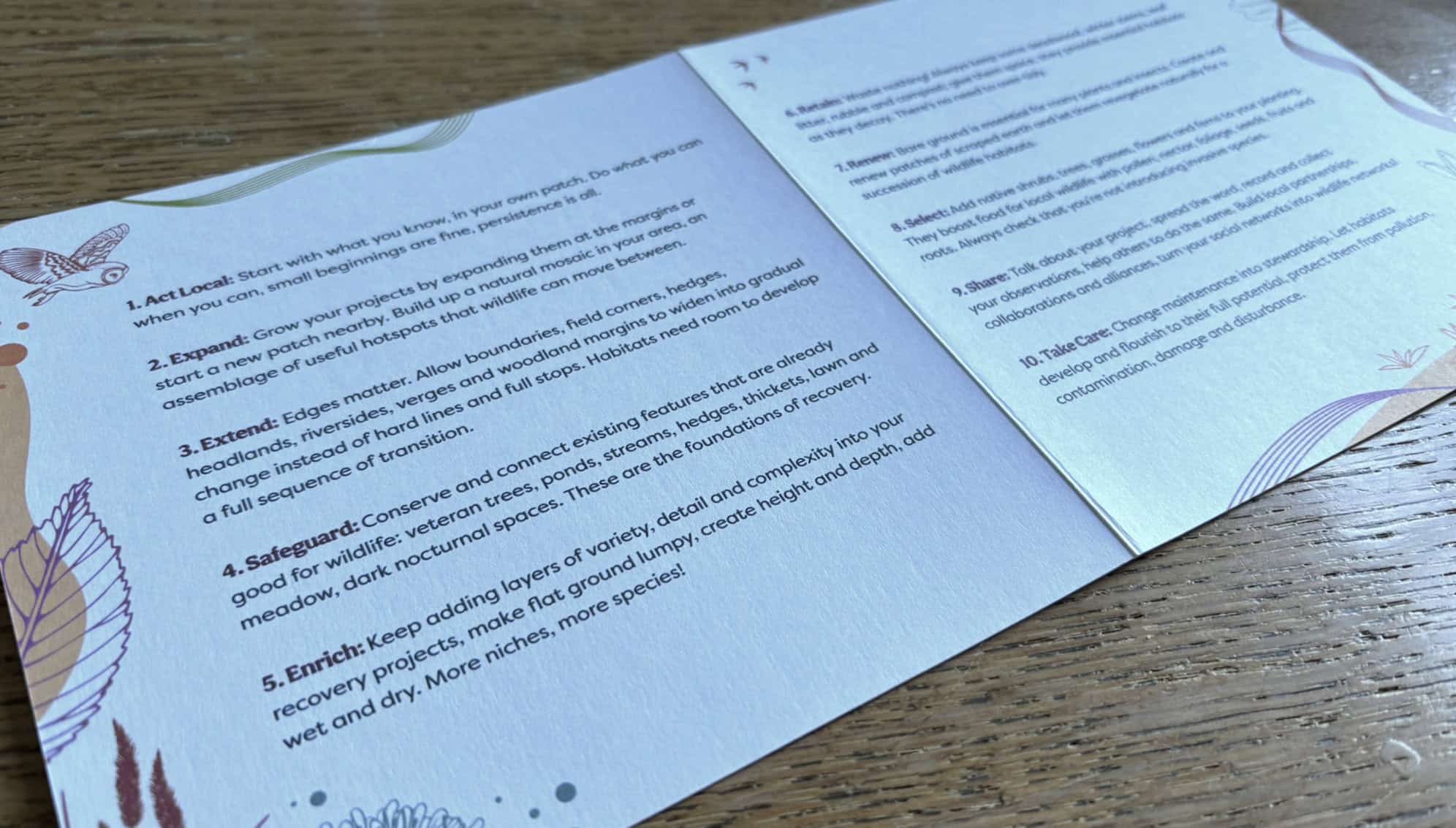
James emphasised that the team aimed to make the strategy easy to understand. A key part of this is the new ‘ten steps to nature recovery’ guide, which simplifies complex material into clear, plain English.
The strategy is designed to help everyone — from developers and organisations to individual residents — contribute to reversing biodiversity loss. Small actions, such as planting specific types of seeds, can make a meaningful difference.
The LNRS also supports efforts to enhance protected areas and reintroduce species that have been lost from the Island.
A statutory strategy for national recovery
The Isle of Wight is one of 48 responsible authorities across England tasked with producing statutory Local Nature Recovery Strategies. These strategies will underpin the wider National Nature Recovery Network.
The Island is the fourth area in the country to publish its LNRS.
Benefits for people as well as wildlife
While the strategy’s main aim is to reverse the decline in biodiversity, James pointed out that the benefits extend to people’s wellbeing.
Access to thriving green spaces and regular contact with nature is known to improve mental health and overall quality of life.
Biodiversity Net Gain for developers
During the conversation, James also explained the new legal requirement for developers to deliver at least a 10% improvement in biodiversity when building new homes.
Known as Biodiversity Net Gain (BNG), this policy means development must leave nature in a better state than before the work began.
Listen to the full conversation
You can hear much more about the LNRS and what it means for the Island by listening to our conversation with James Brewer.
Use the player below to listen, pause, rewind or skip forward in the recording.

Find out more
You can find the four documents that make up the Isle of Wight LNRS and the Local Habitat Map on the Island Nature website.
Look out for our conversations with Graham Horton (Natural England) and Ian Boyd (Common Space), coming this week.
For more information on the LNRS documents, check out the explainer videos, the first of which is embedded below.