Hundreds of Islanders have had their say on Isle of Wight transport. The Island Transport Plan 4 (ITP 4) represents a ‘major shift’ in approach, with greater focus on encouraging more cycling, walking and public transport and less car use.
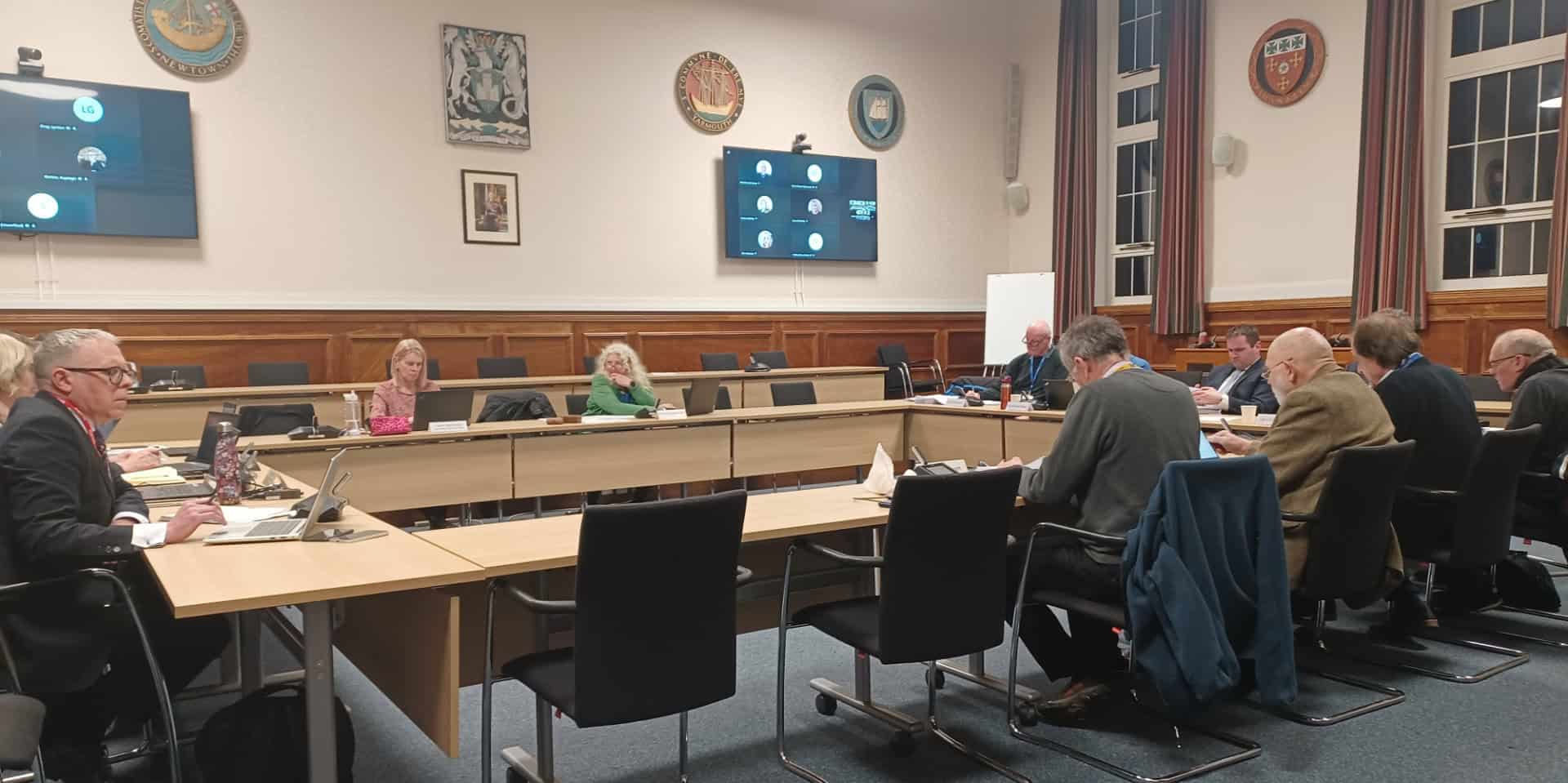
It will now move to the next stage after a public consultation and last week’s vote by County Hall’s economy, regeneration, transport and infrastructure committee (ERTIC) to recommend the final draft of ITP 4 to full council.
Divided views
Though carried, ITP 4 split the panel with six councillors in favour and three against.
Liberal Democrat ERTIC member Councillor Nick Stuart described the draft as a “comprehensive document” and praised the council for an “excellent consultation exercise”, pulling in an “enormous” amount of thought from the general public.
Blake: Not “worth the paper it is written on”
However, Conservative Councillor Ed Blake, who voted against the plan, said at present the document is not “worth the paper it is written on” and fails to address how the Island’s transport situation will be corrected.
The plan says,
“The council will maximise every opportunity to work in partnership with bus, rail and ferry operators, sustainable transport organisations, the NHS, public sector, private sector and voluntary and charitable organisations, to encourage and help people switch from cars to cycling, walking and public transport.”
Aims of the plan
ITP 4’s aims include a transport network producing net-zero greenhouse gas emissions, people and goods being able to travel sustainably and efficiently to assist local economic growth, affordability, accessibility and safety.
The public consultation on the plan received 458 responses, with overall feedback showing ‘overwhelming support’ for it, according to a council report.
Chandler: Change of priorities
Introducing the final draft, Stewart Chandler, transport strategy manager at the Isle of Wight Council, said,
“We moved the priorities around slightly given the original draft was put together in 2022 when the impacts of the pandemic and climate change was at the front of our priorities.
“That’s now shifted with the climate impact still set out within the document but Covid-19, where travel arrangements have pretty much returned back to where they were pre-pandemic…that’s less of a priority.”
He added economic development and growth had become a greater priority within the plan.
Jarman: Missing a list of deliverables
Councillor Chris Jarman, of the Empowering Islanders, was another opponent who, while acknowledging the work which had gone into the plan, said it was missing a “simple Gantt chart and a list of deliverables” that it achieves.
A Gantt chart shows the stages of a piece of work.
Adams: A “real demonisation of the motorists”
Independent councillor Dave Adams said IPT 4 seems a “real demonisation of the motorists” and that the survey responses were not representative of the Island.
Jones-Evans: No stone that hasn’t been unturned
ERTIC’s Alliance chair Julie Jones-Evans labelled the plan as “very good”. She added,
“There’s no stone that hasn’t been unturned here…in preparing this document.”
ITP4 says,
“The ITP…represents a major shift in approach and emphasis, with an increased focus on policies which avoid the need for travel, support modal shift away from motorised vehicles and manage demand for road space, rather than just supplying the extra capacity to meet increased demand of car travel.”
Full council will next meet on 25th February 2026.
This article is from the BBC’s LDRS (Local Democracy Reporter Service) scheme, which News OnTheWight is taking part in. Some alterations and additions may have been made by OnTheWight. Ed