Angela Hewitt, founder of Naturezones CIC, shares this New Year’s message. Ed
For millions of years the natural carbon cycle has maintained life on Earth and aided species development. Carbon is in every living thing including humans who are 18% carbon.
No carbon, no life on Earth. It is the meaning of all life, the building block of every living thing. One of the major components of DNA, it is a foundation element.
The natural carbon cycle
The planet’s natural carbon cycle would release carbon into the atmosphere then bring it down again via huge forests and plants then and then sequestered (stored) it into the ground.
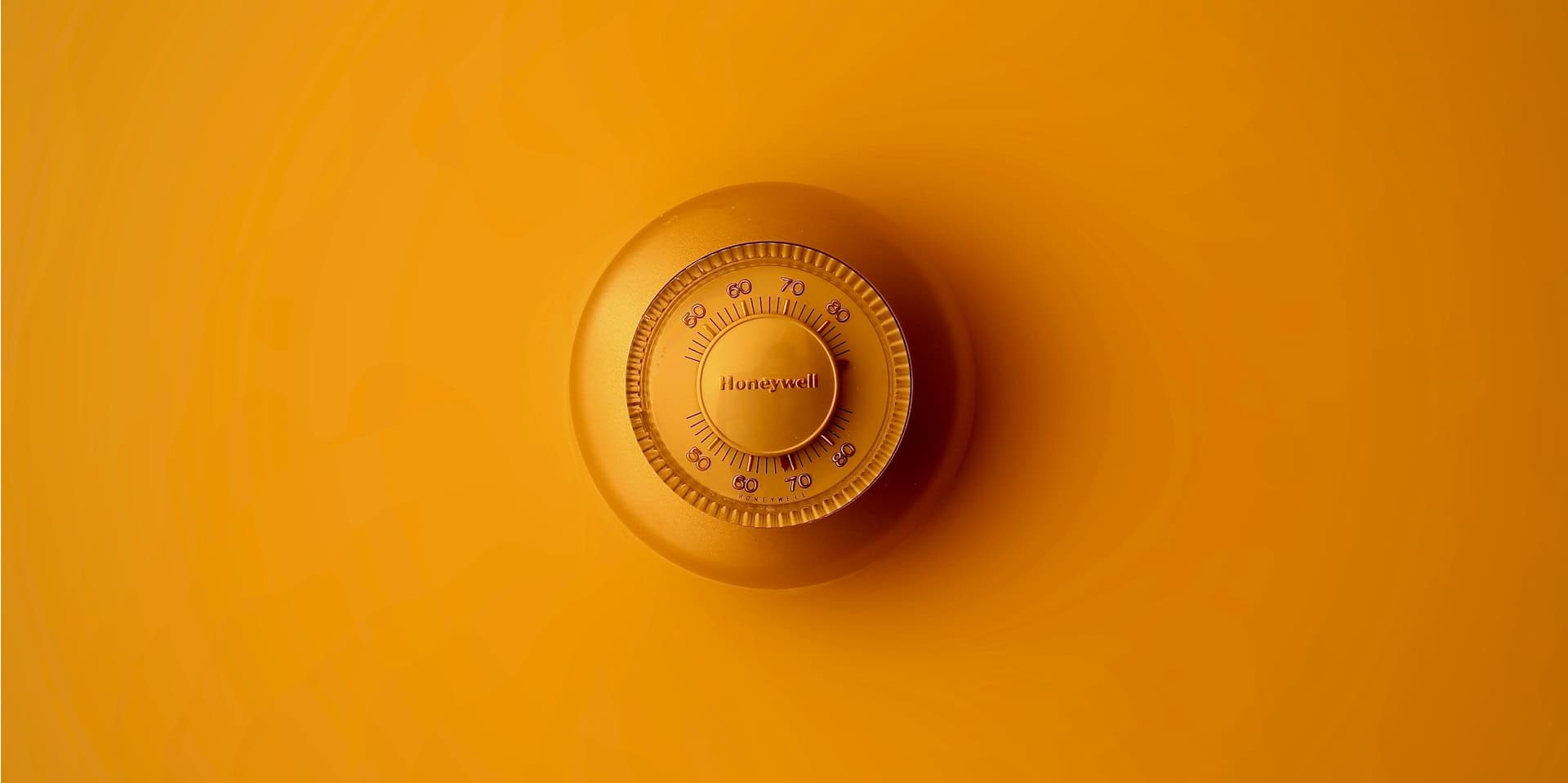
This release and capture of carbon created a natural warming that made the planet inhabitable. Acting like a natural global thermostat regulating the planets climate. Without carbon the planet would be far too cold for life to survive.
Disrupting nature’s thermostat
The carbon cycle is a cycle that travels through all organisms, seeps into rocks, soil and fossils, known as carbon sinks. Recent human activity, recent, meaning the last 400 years, is upsetting this natural thermostat.
Such disruption could be acceptable over a period of millions of years or even when interrupted by blips such as earthquakes and volcanoes that also happen over millions of years, creating a slow buildup of CO2 in the atmosphere. The difference is this is a natural occurrence and CO2 will over millions of years be brought back down by natural processes provided by forests and other sinks to regulate the thermostat.
Impacting the Carbon Cycle
This time it is different. We are now interrupting that natural Carbon Cycle with unnatural Carbon Emissions. We have gradually and now rapidly unnaturally emitted carbon not over millions of years but over just 400 years and these emissions are still increasing.
These emissions have bypassed the natural carbon cycle through the burning of sequestrated (stored) carbon, originally stored as a means of regulating the planets thermostat. Carbon emissions are now creating an imbalance.
Even worse, we are removing the natural capture facilities through the destruction of forests and the destruction of soil through farming.
An insulating roof that holds in the heat
These excessive CO2 emissions are now trapped for thousands of years in the stratosphere creating an insulating roof that holds in the heat.
This trapped heat causes the planets elements to heat up too much, heating the sea, melting the ice, glaciers and permafrost that in turn releases more stored CO2 and indeed stored methane and this creates the greenhouse gas water vapour, making it even hotter.
CO2 stuck in the stratosphere
Even if we stopped emissions today, the heating will continue to increase because of the CO2 still stuck in the stratosphere.
More heat will create a buildup of more water vapour and then even more heat. This is called positive feedback. Before humans came along the natural carbon cycle was managing a negative feedback – the regulated thermostat.
What we must do
We HAVE to stop pumping CO2 into the atmosphere if we want to continue to exist for as long as we can.
WE HAVE to bring the CO2 that is stuck in the stratosphere down or it will stay there for thousand of years providing a perpetual positive feedback loop until the planet overheats. The longer we take to act the stronger the positive feedback becomes.
New Year’s Resolutions
A 12 point plan that will help the planet’s thermostat.
- Drive less
- Buy and consume less – is it need or want? = less waste
- Turn the heating down, put on more layers
- Mow the lawn less
- Don’t buy food wrapped in plastic – learn the difference between cellophane and plastic
- Make your clothes last longer, don’t be a victim of fashion – be your own person
- Don’t respond unnecessarily to emails and text messages
- Get to grips with your recycling
- Give up charcoal bbqs
- Old recycled vehicle? – don’t leave the engine running
- Plant a tree or shrub or two
- Improve your diet and eat more fruit and veg