Swift Awareness Week is underway, and here on the Island there’s a particularly active community doing its bit for one of the most spectacular summer visitors to our skies.
For many people – and it’s hard to argue with them – the shrieking call of swifts wheeling overhead is the defining sound of an English summer. If you’re yet to spot your first of the year, now is a good time to look up.
A species in trouble
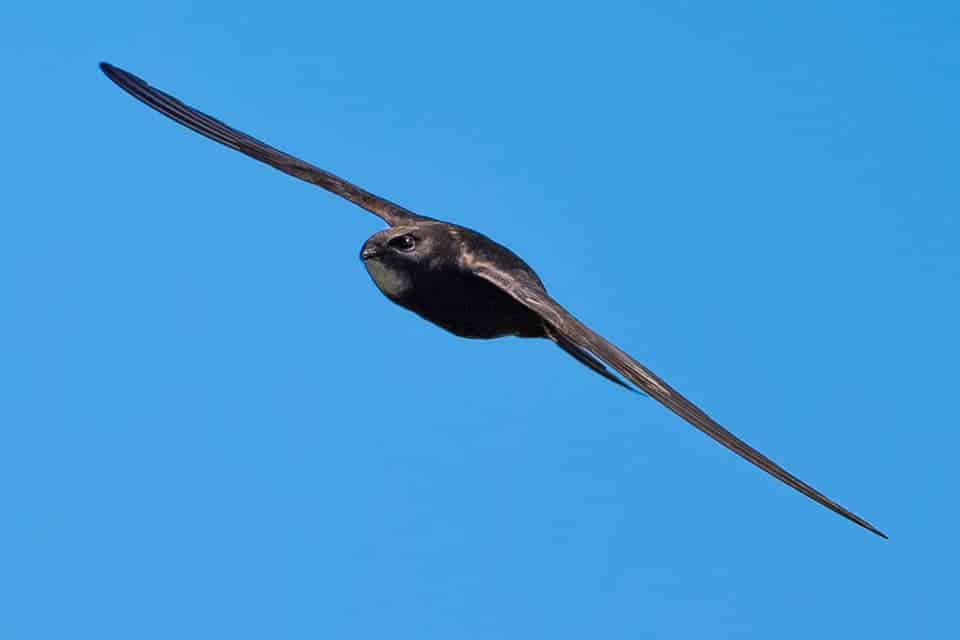
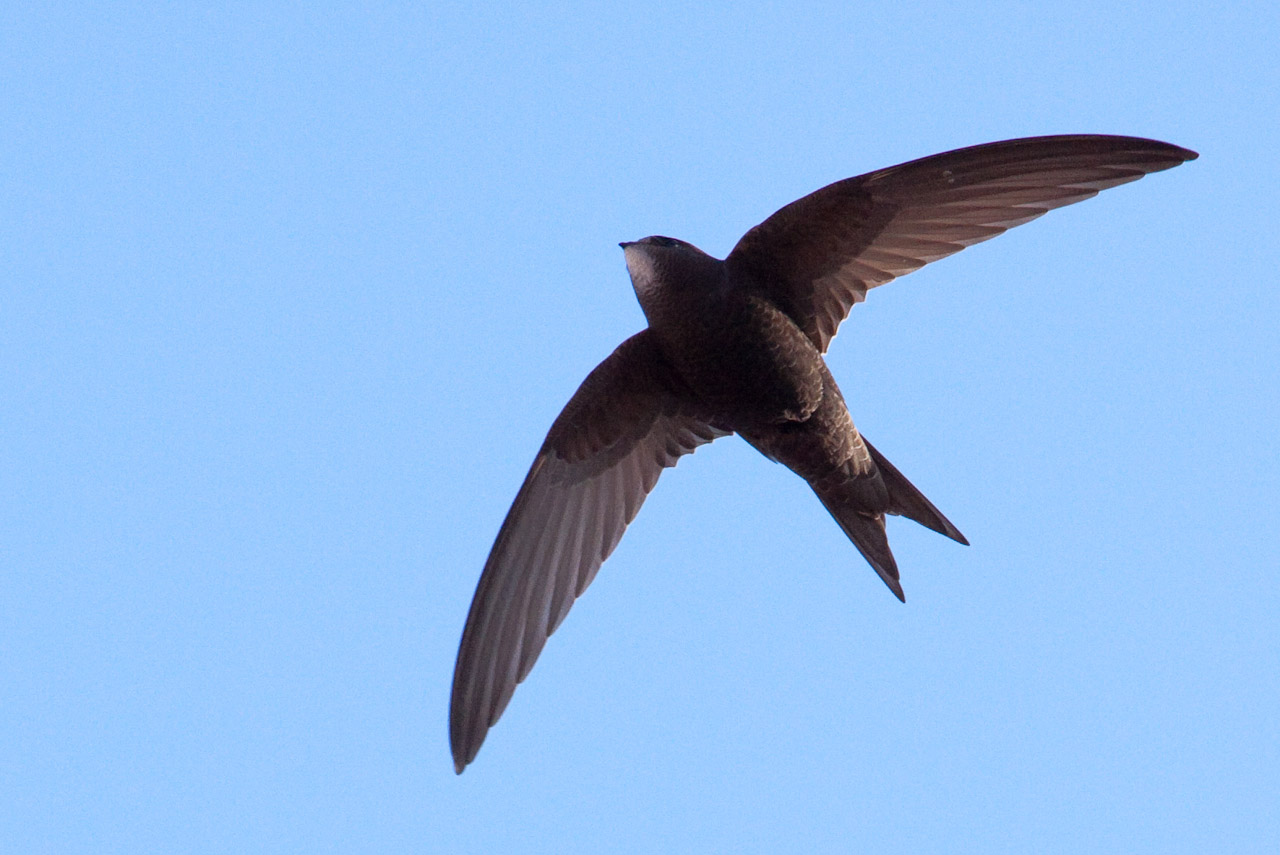
Swifts arrive around May and are typically gone by late July, occasionally lingering into early August. They spend almost their entire lives airborne, returning to the UK only to breed before heading back south of the Sahara. The British Trust for Ornithology puts that return journey at around five days to cover 5,000 km – not hard to believe when swifts can reach speeds of 70mph.
Despite that resilience, the species is struggling. The UK population is thought to have halved since 1995 and swifts have been on the red list of conservation concern since 2021. The main culprit is habitat loss: swifts nest in the eaves and soffit cavities of older buildings, and those sites disappear quietly every time renovation work seals them up.
Wight Swifts
On the Isle of Wight, the Wight Swifts Facebook group has become a genuine hub for local sightings, advice and encouragement. Founded by the late Jim Baldwin, whose contribution to nature conservation on the Island was considerable, it is now run by ornithologist Caroline Dudley.
This year the group has seen some impressive videos from residents showing the steps they’ve taken to create new nesting habitat for the birds.
Regular readers will recall the feature on World Swift Day, of the news that a housing development in Freshwater was celebrating a landmark moment for swift conservation. Nest bricks installed nearly a decade ago have finally been confirmed as being used by the birds they were designed for.
Read more about this on our World Swift Day feature.
How you can help
Whether you own your home or rent it, there are practical things worth doing:
- Put up swift nest boxes, or raise it with your landlord if you don’t own the property
- If you’re involved in a new build or renovation, push for swift bricks to be incorporated – they’re a simple and inexpensive addition
- Planting wildflowers helps boost the invertebrate numbers that swifts feed on
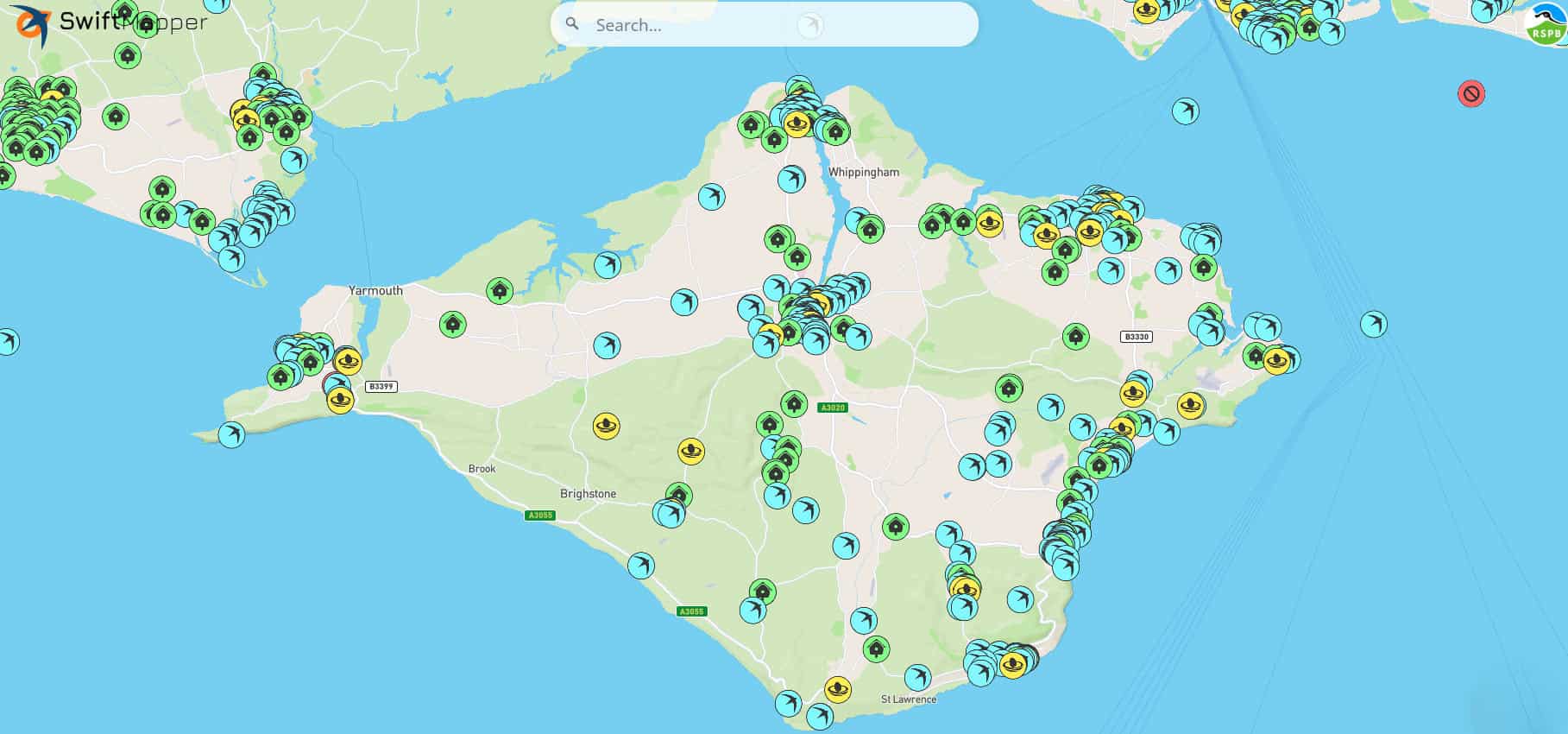
- Log your sightings via the RSPB’s SwiftMapper tool, which already has strong uptake among Island residents
For details of Swift Awareness Week events taking place across the country, the RSPB website has a full listing. With the UK population where it is, every nest box and every recorded sighting counts.