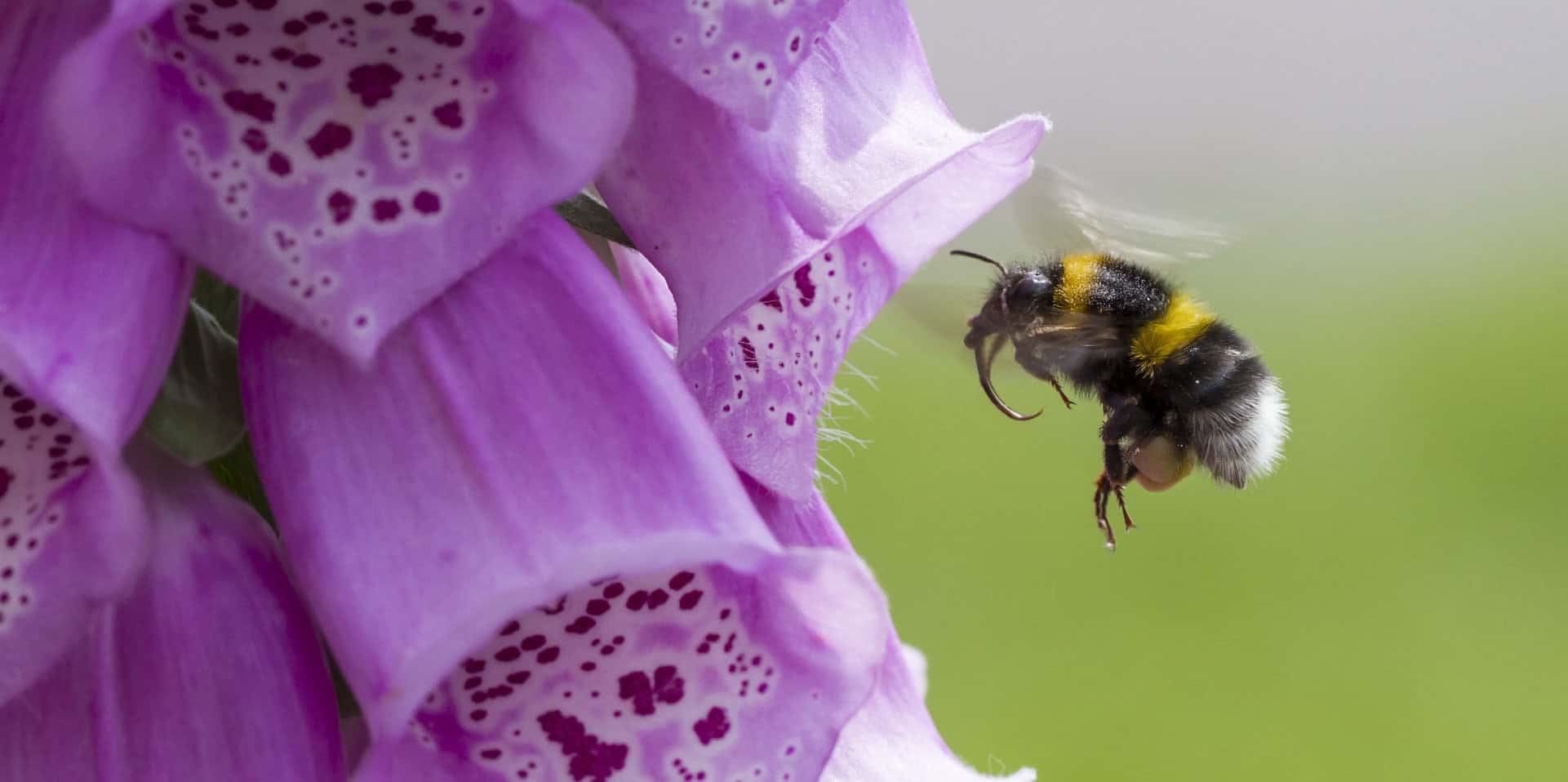
Today, Tuesday 20th May 2025, marks World Bee Day — an annual occasion dedicated to raising awareness about the importance of pollinators and the threats they face.
The day aims to shine a light on how essential these species are to both the environment and sustainable development.
Pollinators under threat
Bees, along with other pollinators such as butterflies, bats and hummingbirds, are increasingly under threat from human activity.
Habitat loss, pesticide use and climate change are just some of the pressures contributing to their decline.
Pollination and food security
Pollination is a vital ecological function. Almost 90 per cent of wild flowering plant species around the world rely, either fully or in part, on animal pollination.
More than 75 per cent of global food crops and 35 per cent of agricultural land depend on it too.
Pollinators not only support food security but also play a crucial role in conserving biodiversity.
This year’s theme: “Bee inspired by nature”
This year’s theme, “Bee inspired by nature to nourish us all”, highlights the critical roles bees and other pollinators play in agrifood systems and the health of our planet’s ecosystems.
Indeed, pollinators are increasingly threatened by habitat loss, unsustainable agricultural practices, climate change and pollution.
Their decline jeopardises food production, increases costs and exacerbates food insecurity, particularly for rural communities.
A United Nations initiative
In response to these growing concerns, the United Nations officially designated 20th May as World Bee Day.
The goal is to strengthen protective measures for pollinators, helping to secure global food supplies and reduce hunger, particularly in developing countries.
A call to action
Everyone has a part to play. Monitoring pollinator populations and halting biodiversity loss are vital steps for a healthier and more sustainable future.
As the UN message puts it, we all depend on pollinators — and protecting them is in all our interests.
For more information about how you can help, check out the document below.