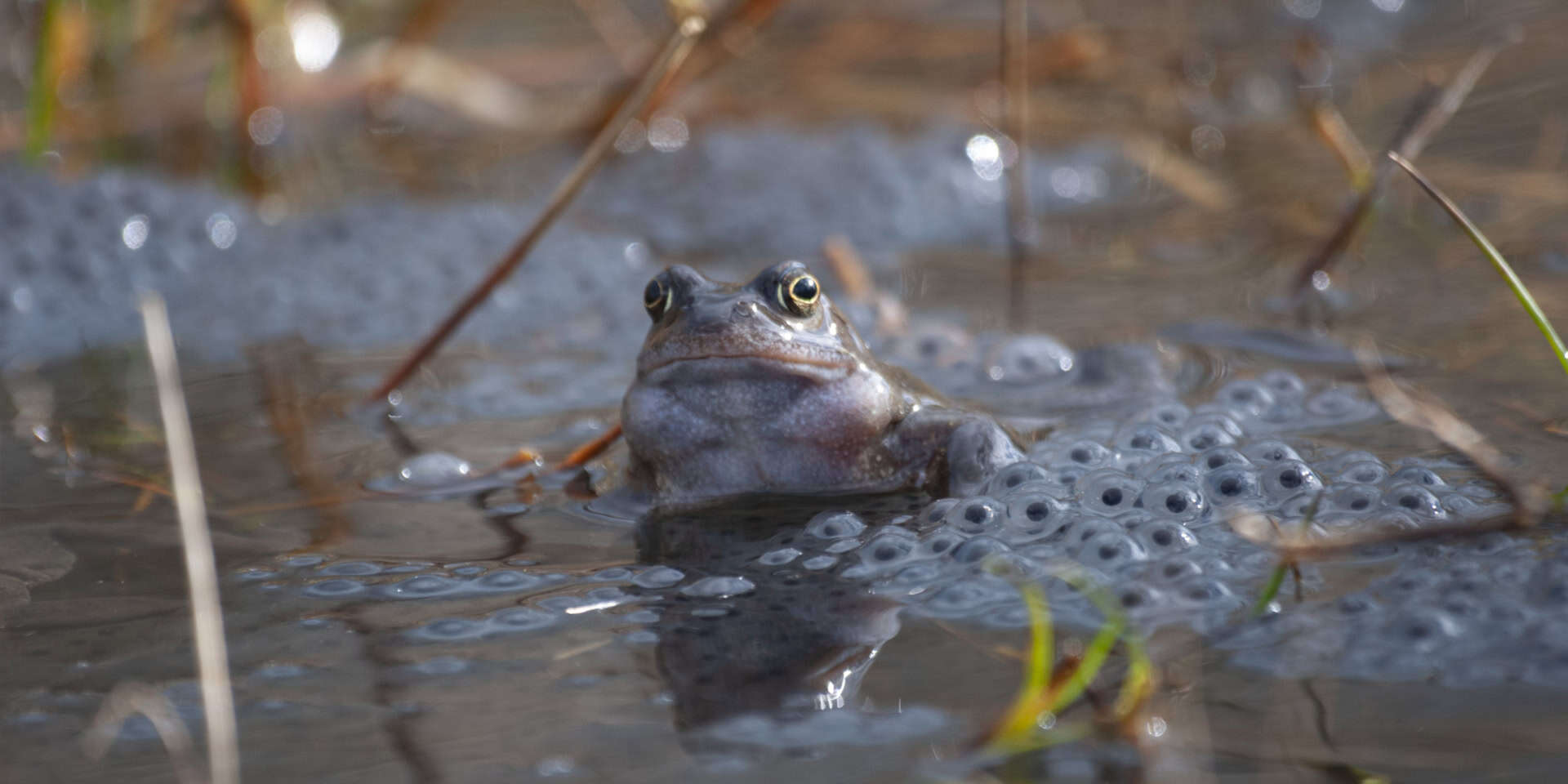
The Woodland Trust is urging people to get outside and spot vital signs of spring to help monitor potentially “disastrous” effects of climate change on nature, before its campaign ends on Easter Monday.
The UK’s largest conservation charity is collecting records of public sightings of frogspawn and blackthorn blossom, as well as the singing of the song thrush, to track the health of the planet.
Take part in citizen science campaign
Thousands of people have already visited the website to take part in the Trust’s citizen science campaign, and as the spring weather arrives, more and more aspiring nature detectives are heading out into their gardens and local parks.
Seasonal weather changes can have a serious knock-on effect on nature and wildlife, impacting life cycles and the food chains.
Lewthwaite: Spring now arrives nine days earlier than in the early 20th century
Dr Kate Lewthwaite, citizen science manager at the Woodland Trust, explained,
“Recording any of these three vital signs is a lovely way to spend time in nature this spring, while also giving our research team valuable insights.
“Spring now arrives nine days earlier than in the early 20th century on average, and this can have a disastrous effect on wildlife. Recording frogspawn, blackthorn blossom and song thrushes gives us a clearer indication of what’s happening out there.
“Frogs only reproduce once a year, so if the weather warms too early, they can be tricked into mating too soon and the frogspawn may not survive a sudden cold snap. Blackthorn blossom is a vital, early nectar source for insects so it’s great to see it spreading across the UK.”
Good news for nature
Early results from the project have shown frogspawn has followed its classic pattern of being first seen in the southwest of England, then sweeping up through Wales, followed by northern England and Scotland, and finally down into the east of England. Scientists at the Trust say this is good news for nature since fewer frogs have been caught out by unseasonal weather.
“Climate change is not just icebergs and polar bears.”
The Woodland Trust’s dedicated Nature’s Calendar volunteers collect this kind of information every year and the more people who get involved, the better the data.
An essential tool in the fight against climate change
Dr Lewthwaite added,
“There’s the chance to learn more about nature, get active, spend time in the woods and fresh air and experience all the wellbeing benefits that go with that.
“But this a serious business too. Climate change is not just icebergs and polar bears. It’s happening in your garden and outside your window. It’s impacting the birds, animals and flowers we all know and love.
“Citizen science projects like this one are an essential tool in the fight against climate change. Everyone who records any of our three vital signs of spring is making a difference and helping us gather valuable evidence to show what is happening to our planet.
“The campaign has really captured people’s imaginations and we’ve been bowled over by the response. It doesn’t end until Monday 21 April so there’s still plenty of time to get involved. Just pop outside and hunt for blackthorn blooms, scour your local ponds and streams for frogspawn and keep your ears open for the sound of a song thrush singing.”
Visit the website to log your sightings before the end of Monday 21st April.
News shared by Owen on behalf of Woodland Trust. Ed