A special expanded edition of When the World Came to the Isle of Wight: The Last Great Event has been released to mark 55 years since Jimi Hendrix’s legendary performance at the 1970 Isle of Wight Festival.
Written by Ray Foulk and Caroline Foulk, the new edition features rare photography, a new chapter on the festival’s revival under promoter John Giddings, and fresh reflections on its cultural legacy.
Listen to OnTheWight’s interview with Ray in 2010, during Hawkfest, when Ray was researching for the book.
A moment of music and protest
The book explores how festivals continue to serve not only as musical events, but also as spaces for political and social expression.
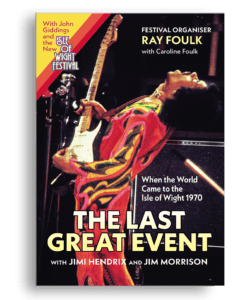
In this context, The Last Great Event revisits the 1970 Isle of Wight Festival as a key example of how music and activism came together during a time of rapid cultural change.
That summer, it was said that 600,000 people travelled to the Island to see a line-up that included Jimi Hendrix, The Who, Miles Davis, Joan Baez, Joni Mitchell and Leonard Cohen.
Although there were disputes around ticketing and commercialisation, the gathering was shaped by the creative energy and political ideals of the era.
Legacy of the 1970 Festival
For many, the festival symbolised a hopeful vision of connection, freedom and social change.
Its scale and spirit had a long-lasting impact, not just in musical terms, but also in shaping wider cultural attitudes.
After the event, tensions between organisers, campaigners and local authorities led to new laws that blocked large-scale gatherings on the Isle of Wight for more than three decades.
Yet the 1970 festival remains a defining moment in British music history, remembered as much for its performances as for the atmosphere of collective purpose.
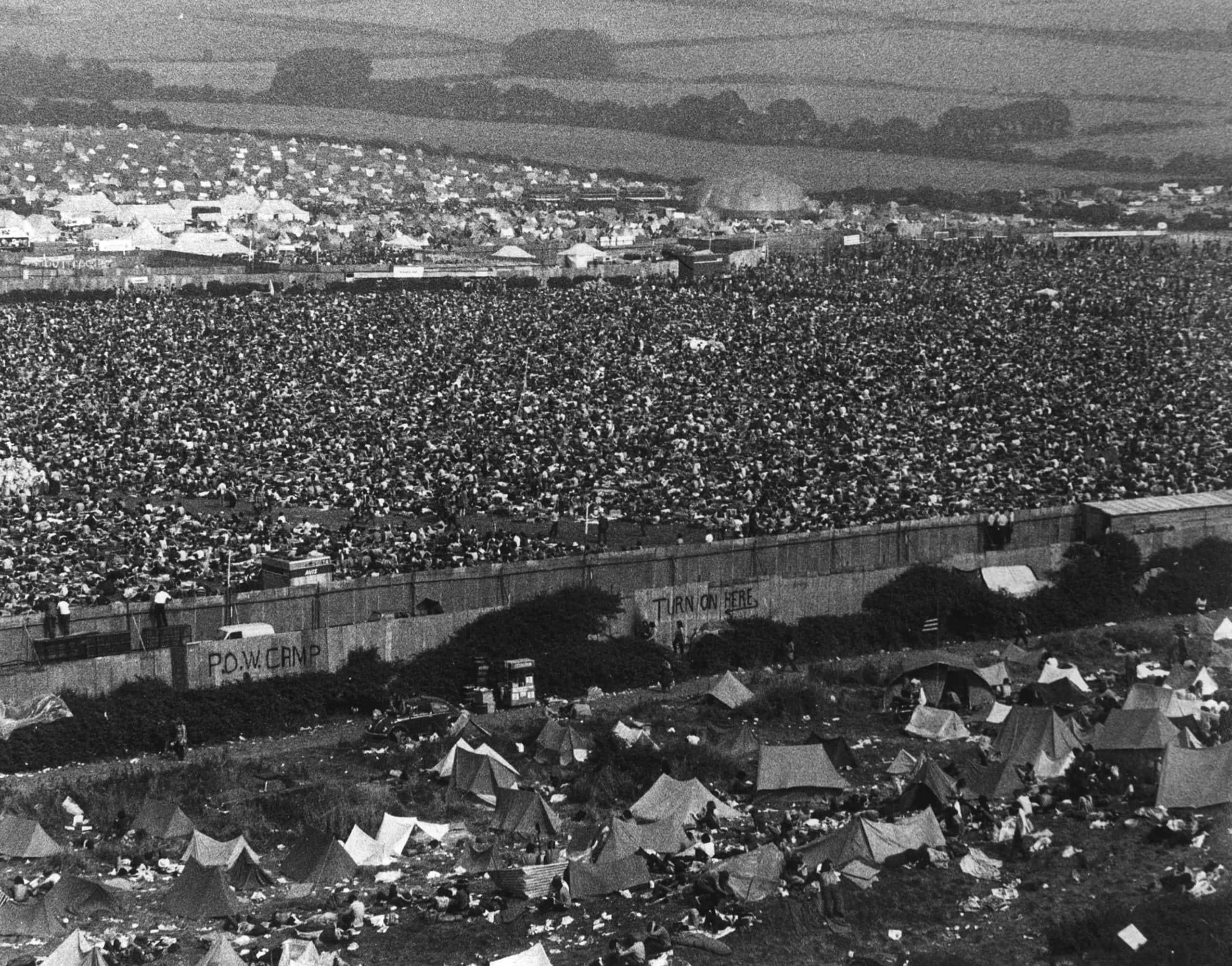
Behind the scenes of a cultural milestone
Ray Foulk, who organised the original event, offers a personal and honest account of how the festival came together—and how close it came to falling apart.
The new edition of the book includes a previously unpublished chapter on the event’s revival, and rare images that give fresh life to the story of what remains one of Britain’s most significant cultural gatherings.
As modern festivals continue to reflect and respond to social issues, the legacy of the 1970 Isle of Wight Festival continues to resonate.
About the authors
Ray Foulk has worked in music, education, design and environmentalism since his time promoting the original festivals.
He later trained as an architect at Cambridge and led the Blue Planet Day environmental schools project. He now lives in Oxford, focusing on sustainable design and writing.
Caroline Foulk, a teacher and writer, has co-authored several projects with her father, including Blue Planet Day. She lives in Oxford with her husband and three children.