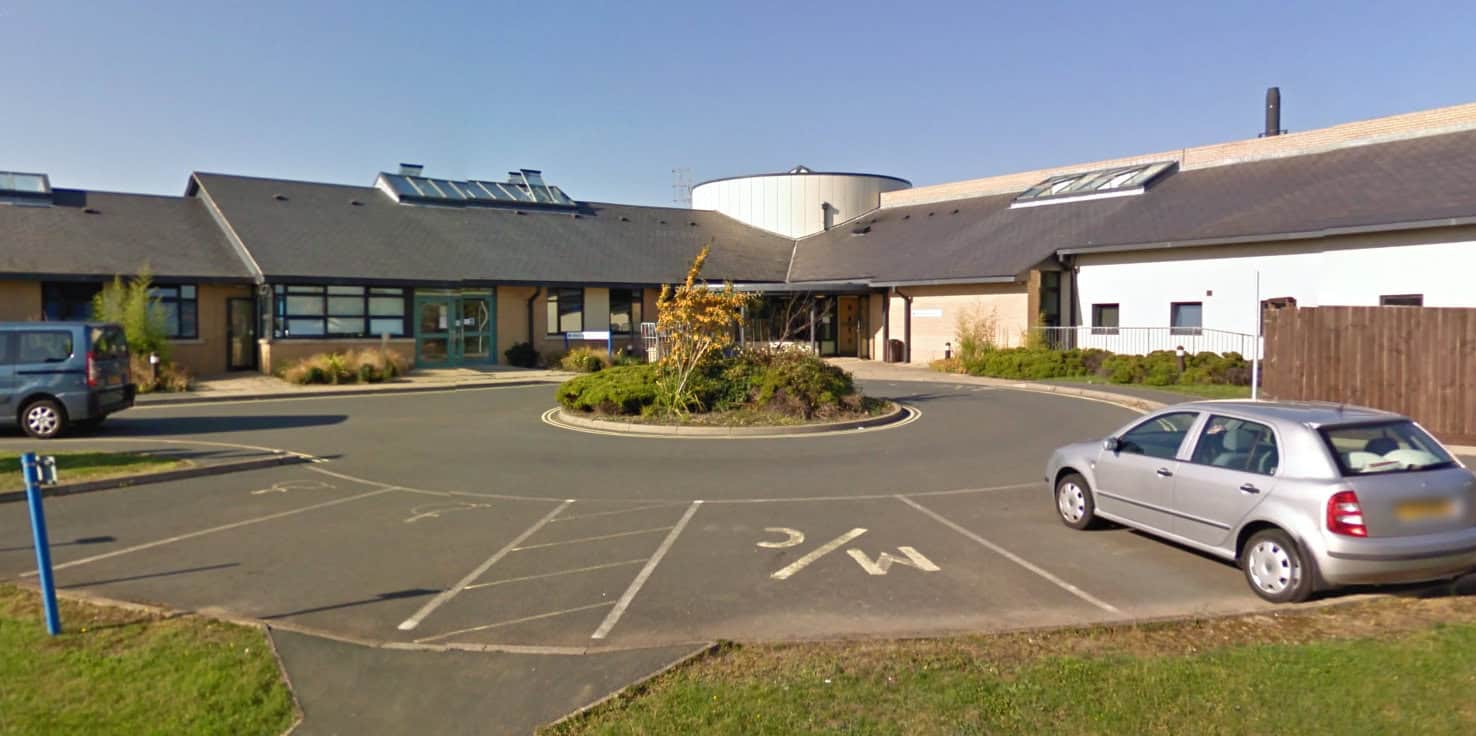
Hampshire and Isle of Wight Healthcare NHS Foundation Trust has defended its use of electroconvulsive therapy following criticism from an Island councillor.
Dr Alexis Bowers, Consultant Psychiatrist and Clinical Lead for Adult Mental Health Services and ECT at the trust, responded to concerns raised by Liberal Democrat councillor Michael Lilley about the treatment’s continued use at Sevenacres mental health unit.
Councillor Lilley had described ECT as “barbaric” and questioned its effectiveness during a committee meeting last week.
Trust emphasises NICE guidelines
Dr Bowers emphasised that ECT remains a recognised evidence-based treatment recommended by the National Institute for Health and Care Excellence (NICE).
The consultant explained that the treatment applies to people with severe mental illness where specific criteria apply.
These include cases where patients choose ECT based on past treatment experience, where other approaches have not worked, or when urgent treatment requires immediate intervention.
Treatment safeguards highlighted
The NHS response outlined the safety measures surrounding ECT administration.
Dr Bowers confirmed that patients receive the treatment under general anaesthetic following careful assessment by senior clinicians.
The trust provides ECT to informal consenting patients or to those under the Mental Health Act with appropriate safeguards in place.
NHS acknowledges different views
Dr Bowers acknowledged that different views exist about ECT within the medical community and among patients.
However, he defended the treatment’s role in mental health care. Dr Bowers stated,
“For many people it is a treatment that can be life-saving and enables recovery.”
Patient safety remains priority
The consultant psychiatrist stressed that patient welfare drives all treatment decisions.
Dr Bowers said,
“Our priority is always to provide our patients safe, effective care in line with national guidance and standards.”
The trust’s response comes after Councillor Lilley cited research questioning ECT’s effectiveness and highlighted that 58 patients received the treatment in 2024, with 11 more in 2025.
Committee chair Councillor Clare Mosdell had described Lilley’s concerns as “very valid” and “quite scary” when requesting the NHS response.