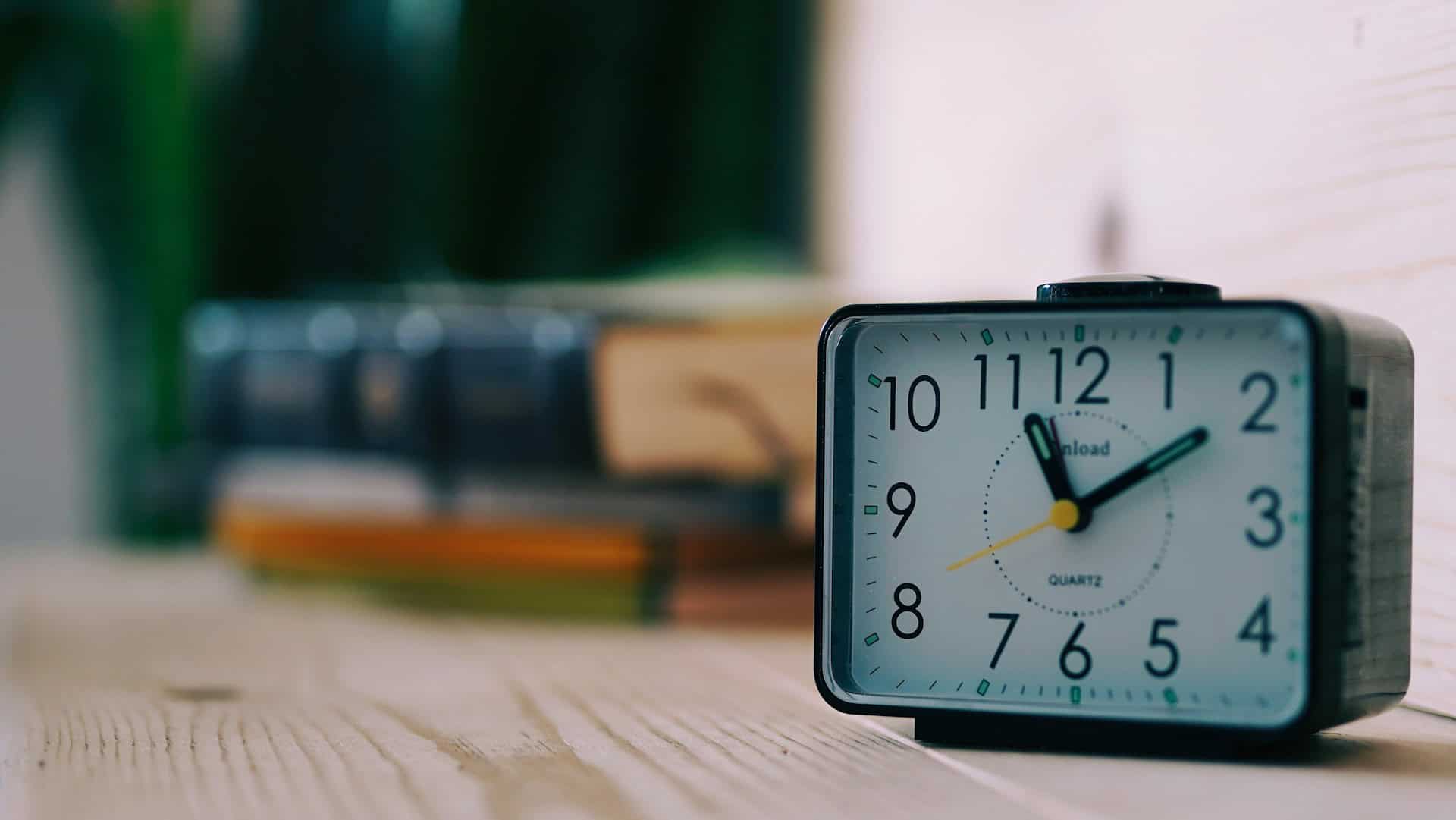
Islanders preparing for a Sunday morning lie-in this weekend should be aware they could be missing out by one hour. At 1am on Sunday 29th March, the clocks spring forward by one hour, marking the beginning of British Summer Time (BST).
The practical effect is simple enough: an hour of sleep disappears, but sunrises and sunsets both shift an hour later, meaning more light arrives in the evening.
Most people will barely notice the technical moment of change. Smartphones, computers, smart TVs, and modern cars update automatically.
However, anyone with an older analogue clock, a kitchen appliance with a digital display, or a non-connected car dashboard will need to make the adjustment manually – winding the clock forward one hour before going to bed on Saturday night is the easiest approach.
Why do we do this at all?
According to Wikipedia, the story behind British Summer Time begins with a builder from Surrey who, riding his horse through Petts Wood in Kent on a summer morning, noticed how many blinds on the houses he passed remained down despite the bright daylight already filling the streets.
William Willett used his own money in 1907 to publish a pamphlet titled The Waste of Daylight, in which he proposed advancing the clocks by 80 minutes across four incremental steps during April, then reversing the change in September.
He estimated the change would save around £2.5 million in lighting costs.
Willett campaigned tirelessly but never saw his idea become law — he died in 1915, and it was not until the following year that Britain adopted the measure, following Germany’s lead during the First World War as a means of conserving fuel.
Why Sunday morning, and why at 1am?
The specific time of 1am on a Sunday morning minimises disruption – it is a moment when most people are asleep, and transport and business activity are at their lowest.
The decision to make the change on a Saturday night was taken precisely because it causes the least disruption to schools and businesses.
Looking ahead
A YouGov poll from October 2024 found that if the current system were abolished, 59 per cent of Britons would prefer to stay on British Summer Time permanently – with a clear age divide, younger people more supportive of keeping the current twice-yearly change than those over 65.
Following Brexit, the UK holds the authority to set its own rules on daylight saving time, and while debate about permanent BST has resurfaced periodically, no definitive change has yet come.
For now, the routine remains: set your clocks forward before bed on Saturday, allow yourself a little extra tiredness on Sunday morning, and enjoy the longer evenings that follow.
British Summer Time runs until Sunday 25th October 2026, when the clocks fall back once more.