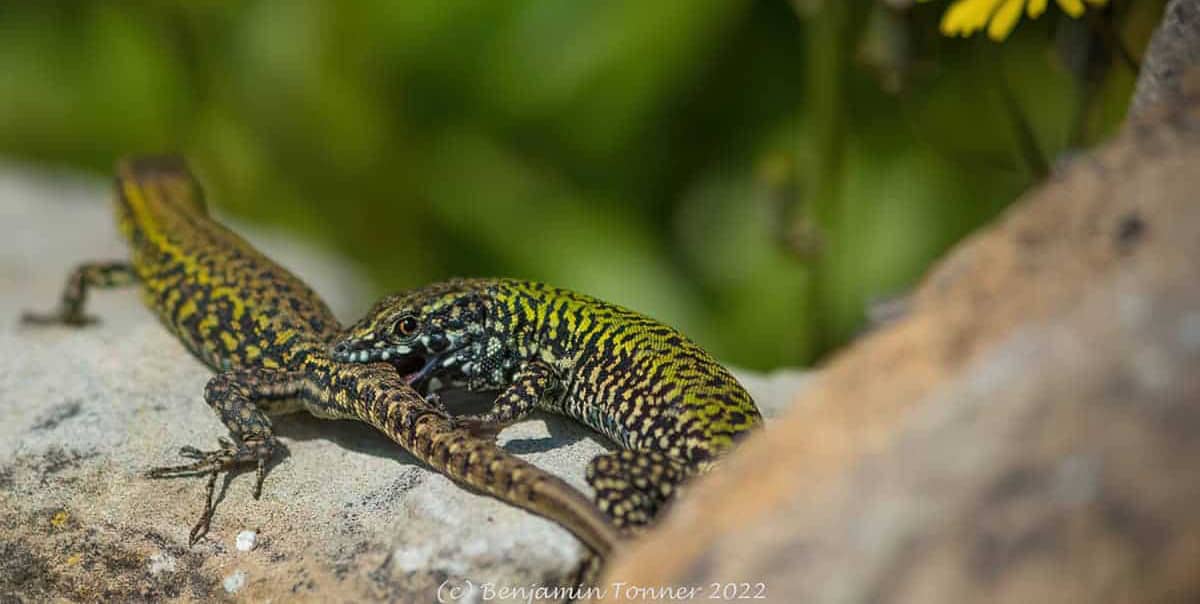
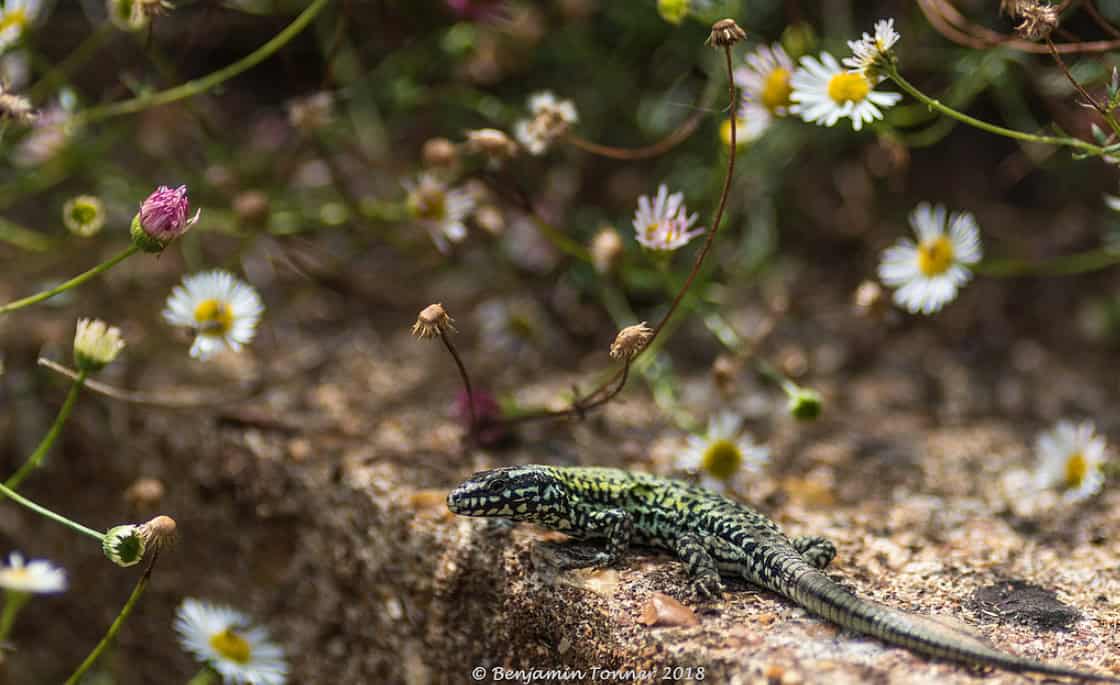
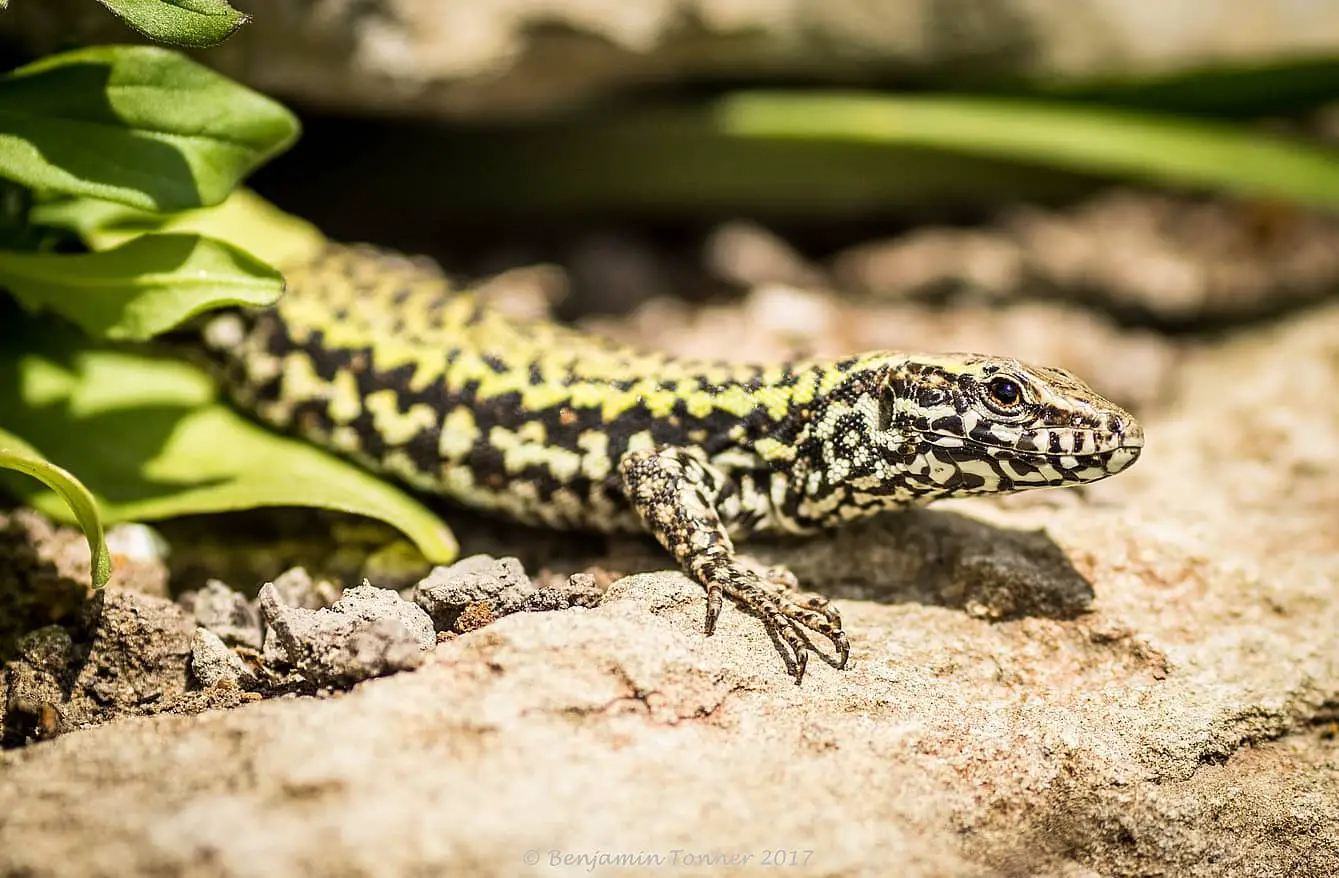
Concerns are raised annually about the use of the glyphosate-based herbicide, in an area now well populated with wall lizard colonies and pollinators.
Last week saw a return of contractors for the Island’s highway PFI contractor, Island Roads, spraying weedkiller on the streets of Ventnor.
What is glyphosate used for?
Island Roads use a weed killer called Gallup Hi-Aktiv, which contains Glyphosate. It is marketed as the “strongest weed killer” on the market and powerful enough to kill Japanese Knotweed.
Although use of glyphosate is banned in some European Countries, Island Roads say they dilute the product with water prior to spraying, resulting in a mixture that is two per cent active ingredient, with 98 per cent water.
The justification
Following a number of complaints about the use of Glyphosate in previous years, in 2021 Island Roads announced they would stop using the weed killer and instead rely on traditional methods of removing weeds through the use of hand tools.
However, Island Roads say the number of complaints about weeds on roads and footways then increased dramatically. The company claim they had 221 complaints about weeds in 2021, compared to 47 in 2020 and 14 in 2019.
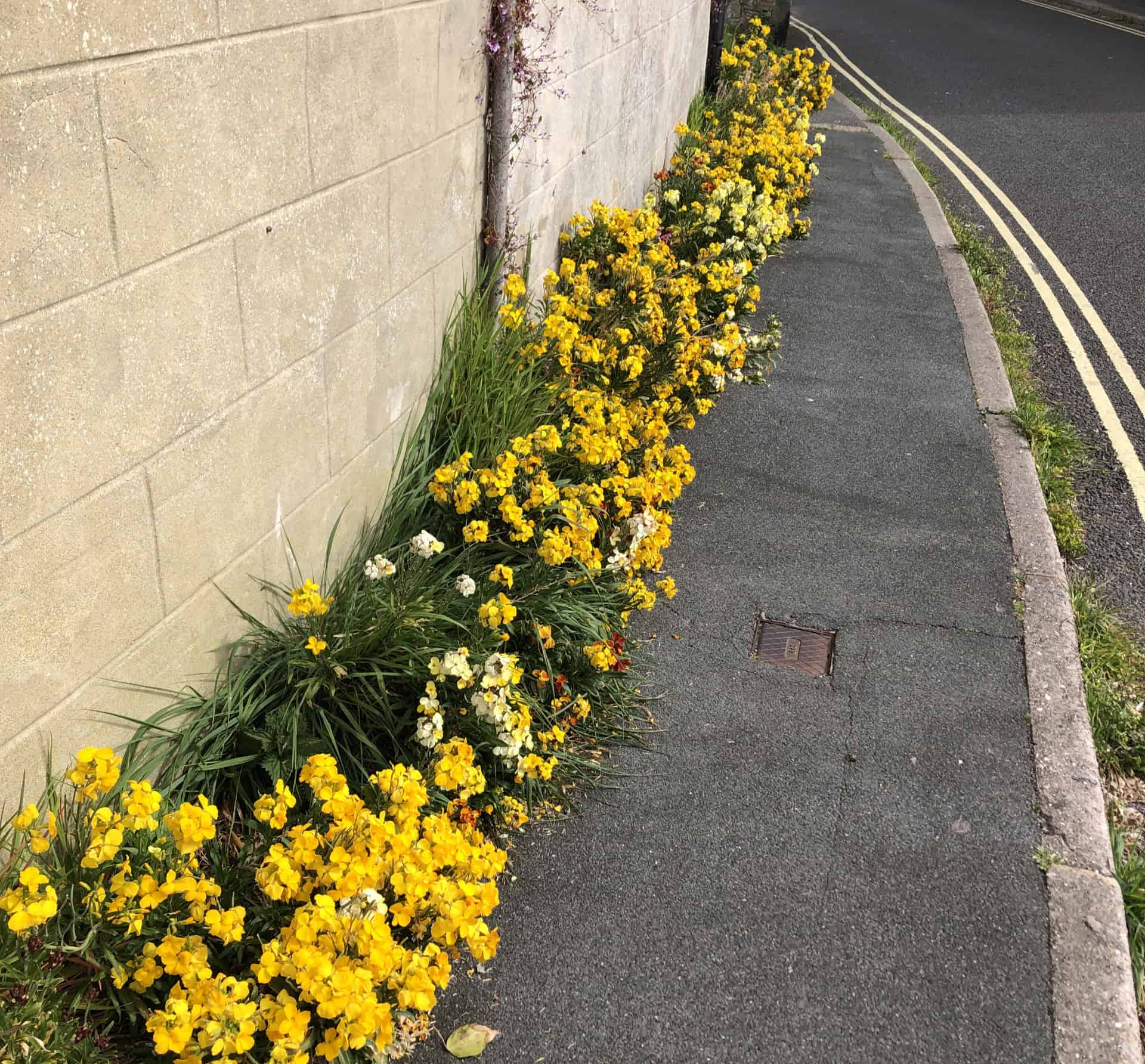
Not only that, but by not clearing the roads and footways of weeds, they were also at risk of failing to meet the PFI’s contractual agreements and facing penalties.
Alternatives to glyphosate
Island Roads have told OnTheWight that they trialled two non-glyphosate-based herbicide products at the beginning of 2021, however, they reported these herbicides killed the weed leaf, but not the root and therefore the weeds quickly grew back.
The Guardian reported in 2022 that, “70 to 80 UK councils have turned to chemical-free options” and a report in 2023 by the Pesticides Action Network (PAN) UK, revealed that alternatives to glyphosate do exist.
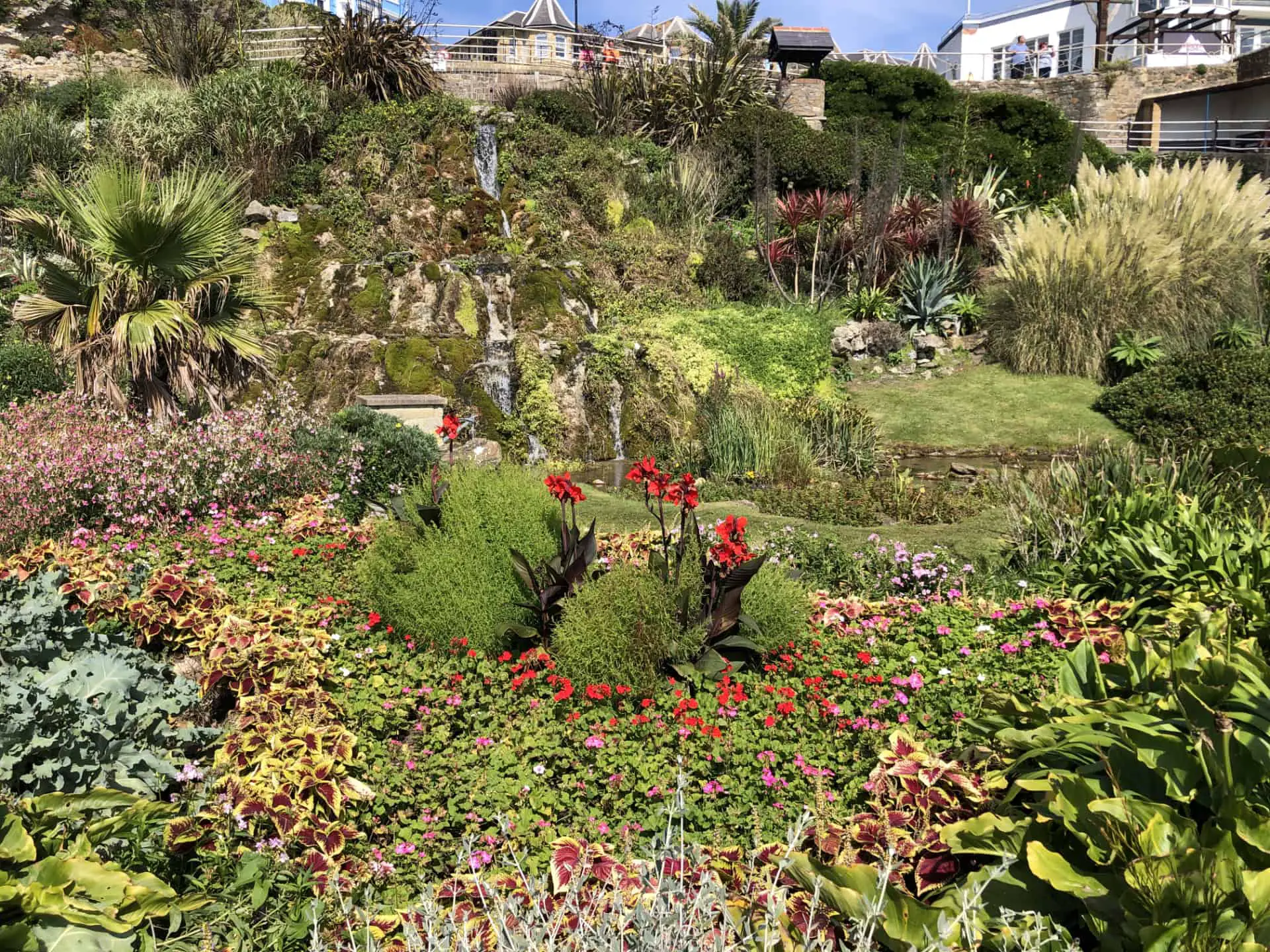
Indeed, last year Thanet District Council decided to ditch glyphosate and started to use a product called Foam Stream. This is a non-toxic system that uses a hot water foam that kills the weeds outright.
Banned by the town council
In 2022 the use of glyphosate was banned by Ventnor Town Council on land they are responsible for, however, elsewhere in the town, the roads are covered by the highways PFI contract, which states that the network must be ‘free from vegetation’.
The Mayor of Ventnor, Steve Cooper, told OnTheWight this week that he and the VTC stand by their comments made last year, when they said,
“Ventnor Town Council are dedicated to supporting the increase of all biodiversity and as Ventnor is so fortunate to have wall lizards, we fully support the halting of spraying of glyphosate-based weed killer wherever wall lizard colonies exist.”
More than 5,000 people signed a petition calling on the Isle of Wight council to stop the use of glyphosate weedkiller on the Island.
Map of wall lizard colonies
In May 2024, after OnTheWight enlisted the help of Ventnor residents to create a map of the expanding wall lizard colonies. This was presented to Island Roads as an exercise in solutions-based journalism, and although the PFI contractor said it would ‘consider’ the new sightings of wall lizards to see if modifications were needed to its glyphosate-based spraying regime, it failed to make a commitment for change.
The map below shows resident sightings of lizard colonies marked in yellow, whilst the orange markings are the streets that Island Roads say are no-go spraying zones.

It was clear from last week’s quad bike sightings in Ventnor that the areas marked in yellow on the lizard map— where there are recorded colonies of lizards— are still being sprayed (jump to the list of no-spray zones).
Call for an Island-wide ban
In 2019 there was a call for the ban of Glyphosate after more dead wall lizards were discovered in areas after the weed killer had been sprayed, but Island Roads and the Isle of Wight council would not budge.
The argument about the use of Glyphosate has continued to remain in the news: with more calls to ban the use of it, confusion over the terms of the PFI contract, the Cabinet member responsible stating that it’s not a binary issue, and Ventnor Town council agreeing to ban the use of it by their contractors, but at a cost.
European bans
In 2020 Luxembourg was the first European Union country to completely ban products containing glyphosate.
In the same year, France announced a partial ban of the use of glyphosate products.
Germany are also working to employ a total ban of glyphosate products by the end of 2023.
Watch the wall lizards
In May 2023, Paul Knights shared this delightful film of the Ventnor wall lizards.
Click the play button below, then click the full screen icon (bottom right hand corner) and make sure sound is turned on.
No spray zones
Below is the document that Island Roads’ contractors work to, showing the roads and areas they avoid spraying.