Last week marked the official launch of the Isle of Wight Local Nature Recovery Strategy (LNRS), alongside the Local Habitat Map and new guidance materials aimed at supporting local wildlife and habitats.
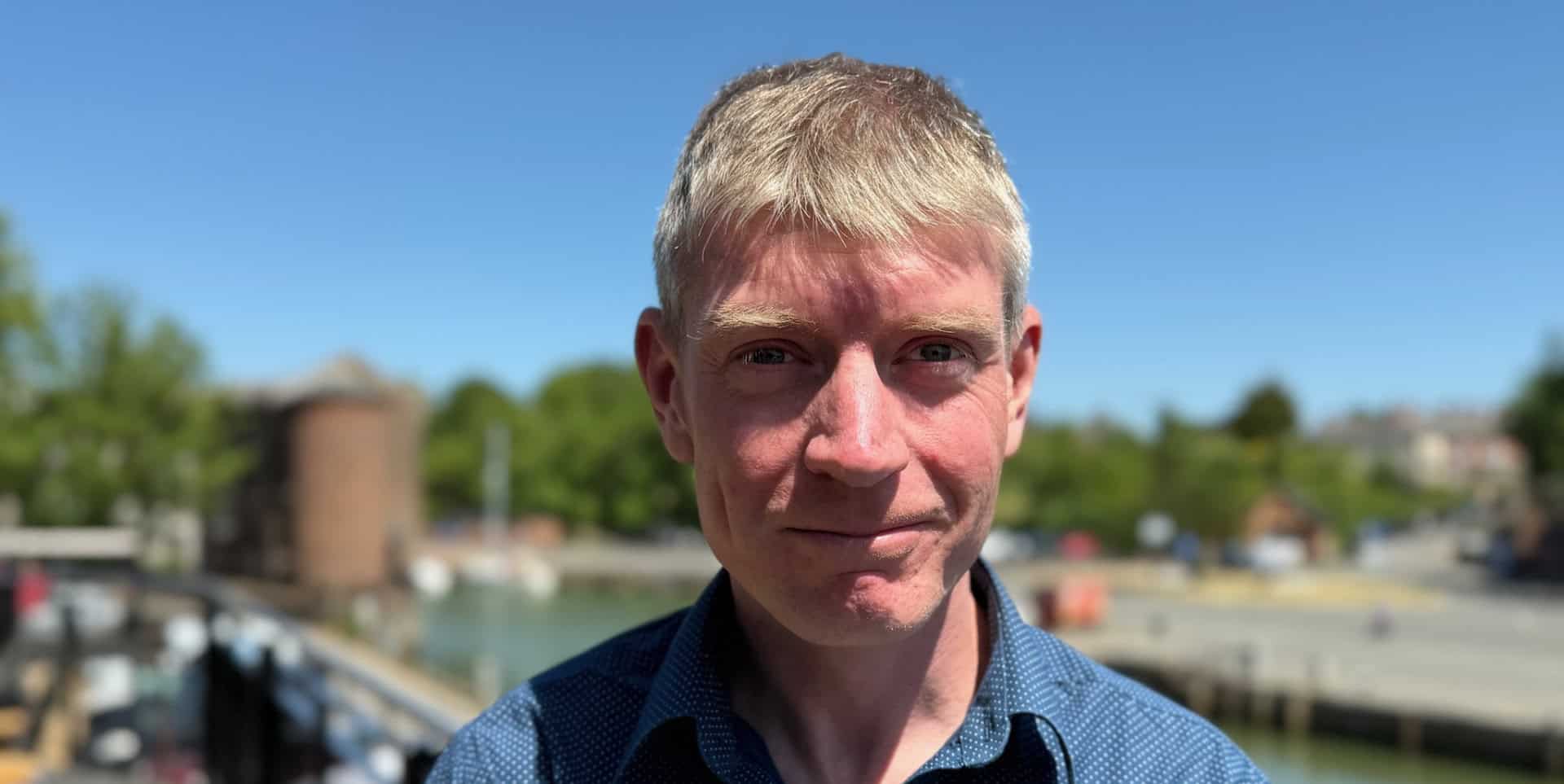
At the launch, OnTheWight were lucky enough to catch up with Graham Horton, Deputy Director at Natural England.
Graham explains the national relevance of the LNRS report, highlighting the importance of local authorities in setting priorities for nature restoration. This has come about due to the 2021 Environment Act , which introduced ambitious targets to address the damage caused to the natural world in England.
The local nature recovery strategies are presented as key tools to achieve these targets, with the Isle of Wight strategy being a notable example.
Graham explained why the strategy is so important,
“Our modern lives have quite a heavy impact upon nature, whether that be traffic, pollution, pollution in our waterways, changing to how we manage our land, risks of development. All of those have taken its toll over the years, and we’re now at a point where nature is really in crisis, and what we hope is through the strategies, which work at a big level, so across across a place like the Isle of Wight, we can start putting some of that damage right, because we know it’s important for people. We know how important nature is for people and their sense of place and their belonging.
“It’s just intrinsically a good thing to do.
“So we can put that damage right by still keeping all the things that we like about society. We need jobs, we need places to live, but with these new strategies, we can have all those things and put nature back to where it used to be as well.”
Why the LNRS is important
To help the person in the street understand why nature is important, Graham said,
“So nature is really important to people. We know that time and time and again, it comes up as something that people value. That doesn’t have to be big, very rare species. It might be things that people see in their gardens or on their way to the schools, on their way to businesses.
“We know that nature is important, and often we can make interventions at very low, low cost. So it’s just about, how do we tread more lightly on nature? How do we work with nature alongside our daily lives to make sure that we’ve got nature back?
“We can do that in our gardens. We can do that in our schools. We can do that in the places we play and have sports. And those are the kind of things, I think. And hopefully, residents will see that they can see these opportunities. And if they go to the places on the website they can see a really easy, guide on how to do that.”
“I’ve got a lot of confidence in the team here, and the people of the Isle of Wight can make a really big difference”
Graham explained that the Island is the fourth in 48 LNRSs being published across the country and shared why he feels the Isle of Wight’s LNRS is an exemplar.
“I’ve been involved in lots of these already. I think I’ve worked on 12 or 13 of them, so I’ve seen quite a few of them, and the Isle of Wight really stands out for the way it’s come together. It’s easy to make a plan, but it’s harder to make a plan that really speaks to a place and is clear about what we want to do. And when I look at the Isle of Wight’s, I really see what a fantastic job has been done. I’ve got a lot of confidence in the team here, and the people of the Isle of Wight can make a really big difference.
“So I’m really keen that that we talk about what a great job the Isle of Wight has done in pulling this together, but ultimately, we need the people to get behind it. Make it happen and drive those changes, if we want to see action on the ground. And I think this plan will deliver that.
Listen to the full conversation
You can hear much more about the LNRS and what it means for the Island by listening to our conversation with Graham Horton.
Use the player below to listen, pause, rewind or skip forward in the recording.

Find out more
You can find the four documents that make up the Isle of Wight LNRS and the Local Habitat Map on the Island Nature website.
Look out for our conversation with Graham Horton (Natural England) coming later in the week, or listen back to our chat with James Brewer.
For more information on the LNRS documents, check out the explainer videos, the first of which is embedded below.