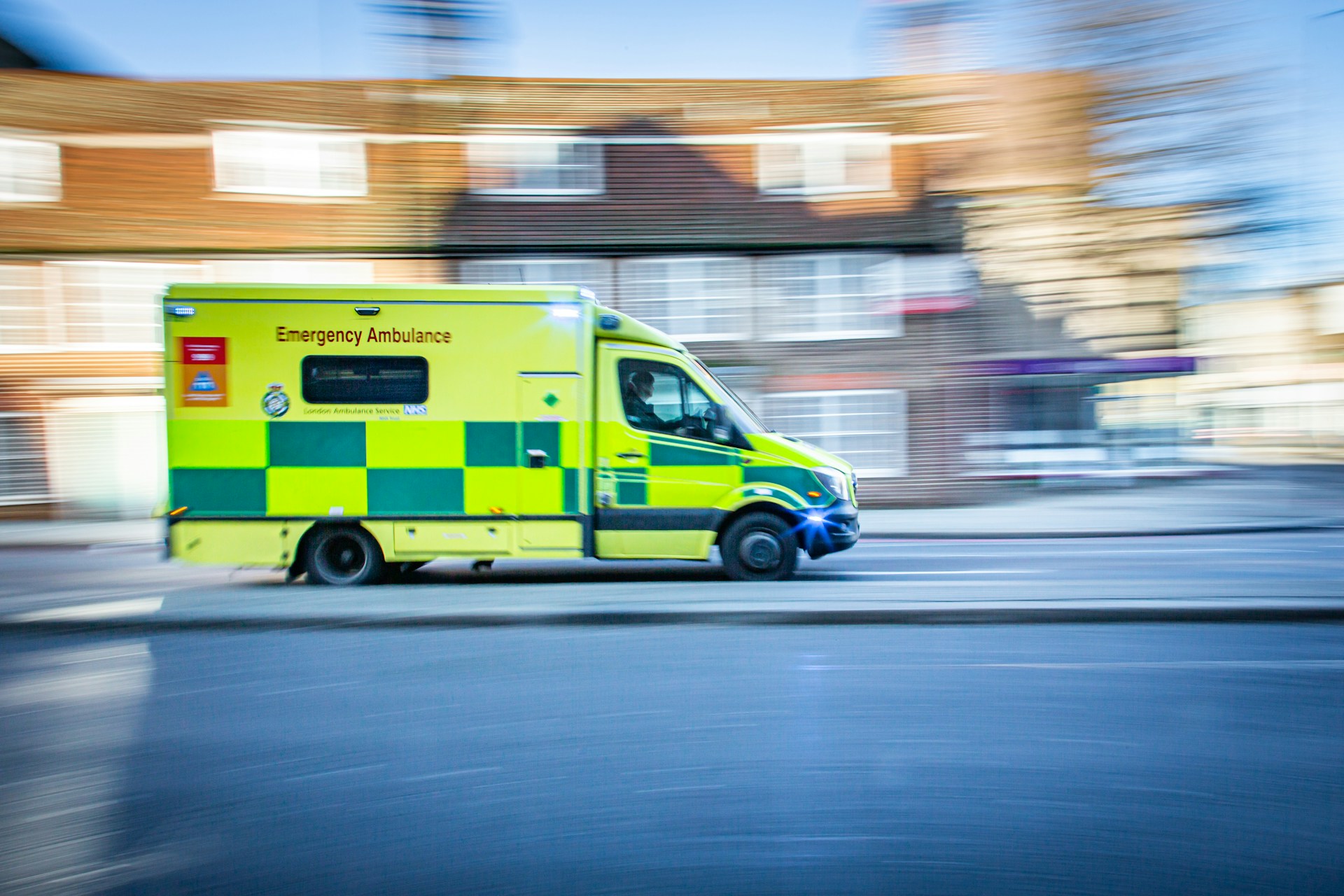
A record number of new and replacement ambulances have been delivered to NHS Trusts across England over the past year, boosting frontline capacity and helping paramedics respond to patients faster.
Why the new ambulances matter
The Isle of Wight received six new or replacement Double Crewed Ambulances (DCAs) as part of the programme.
New data shows that a total of 1,141 new or replacement Double Crewed Ambulances (DCAs) were delivered to NHS ambulance Trusts between April 2025 and March 2026.
Funded through a combination of national investment and local funding, this marks the highest number of replacement ambulances delivered in a single year since records began.
The majority of the 1,141 vehicles replace older ambulances, ensuring patients and staff benefit from a modern, reliable fleet. A smaller proportion represents additional fleet capacity, further supporting services under pressure.
What the health minister said
Health Minister, Zubir Ahmed said,
“The six new ambulances delivered to Isle of Wight are part of our mission to modernise the NHS fleet, ensuring our hardworking paramedics are equipped with all the tools they need to do their jobs safely and effectively, while ensuring patients receive the highest possible standard of care.
“Replacing older vehicles with state-of-the-art ambulances means we are not only improving reliability and reducing downtime, but crucially helping more crews stay on the road and respond to emergencies.
“These vehicles are equipped with the technology to better protect staff and support faster, more effective treatment. This is a vital step in ensuring the NHS can continue to deliver world-class care for patients when they need it most.”
Dr Fenella Wrigley, National Medical Adviser, Ambulance, NHSE said,
“New and replacement ambulances are crucial in providing care for patients, whether taking care to the patient home or conveying a patient to an emergency department.
“Reliable, modern, well-equipped ambulances allow emergency teams can stay out on the road and do what they do best, responding to patients quickly and ensuring they get the care they need.”
Modern fleet, faster response
The new Double Crewed Ambulances are equipped with the modern technology and enhanced safety features, helping protect patients and staff while enabling paramedics to deliver high-quality pre-hospital care.
Modern ambulances are more reliable and less likely to require repairs, reducing the amount of time vehicles spend off the road. This means more ambulances are available to respond to 999 calls, helping cut waiting times and improve patient outcomes.
The rollout forms part of wider action to improve urgent and emergency care services.
Industry body welcomes record delivery
Anna Parry, Managing Director of the Association of Ambulance Chief Executives (AACE) said,
“Delivering more than 1,100 new and replacement ambulances in a single year is a great achievement by NHS ambulance services in collaboration with DHSC and NHSE, and a genuine boost for patients and our people. Replacing older vehicles with modern, better equipped ambulances means greater reliability, fewer breakdowns and more time on the road where they are needed most.
“For our crews, these vehicles make a tangible difference. The enhanced safety features and improved working environment support paramedics and other clinicians to deliver high quality care under intense pressure, and they help our people feel safer and better supported on shift.
“This level of investment is essential as ambulance services continue to face sustained demand. A modern, resilient fleet is fundamental to improving response times and ensuring patients receive timely, safe care wherever they are when it is needed. We welcome this record year of delivery and look forward to continued progress in strengthening ambulance services across the country.”
Wider NHS performance improvements
This winter, the NHS has seen a significant improvement in performance despite record demand, with Category 2 response times, including for strokes and heart attacks quicker than they have been for half a decade.
Waiting times at their lowest in A&E for almost half a decade, thanks to the hard work of NHS staff, better planning and modernisation.
News shared by the Department for Health and Social Care. Ed