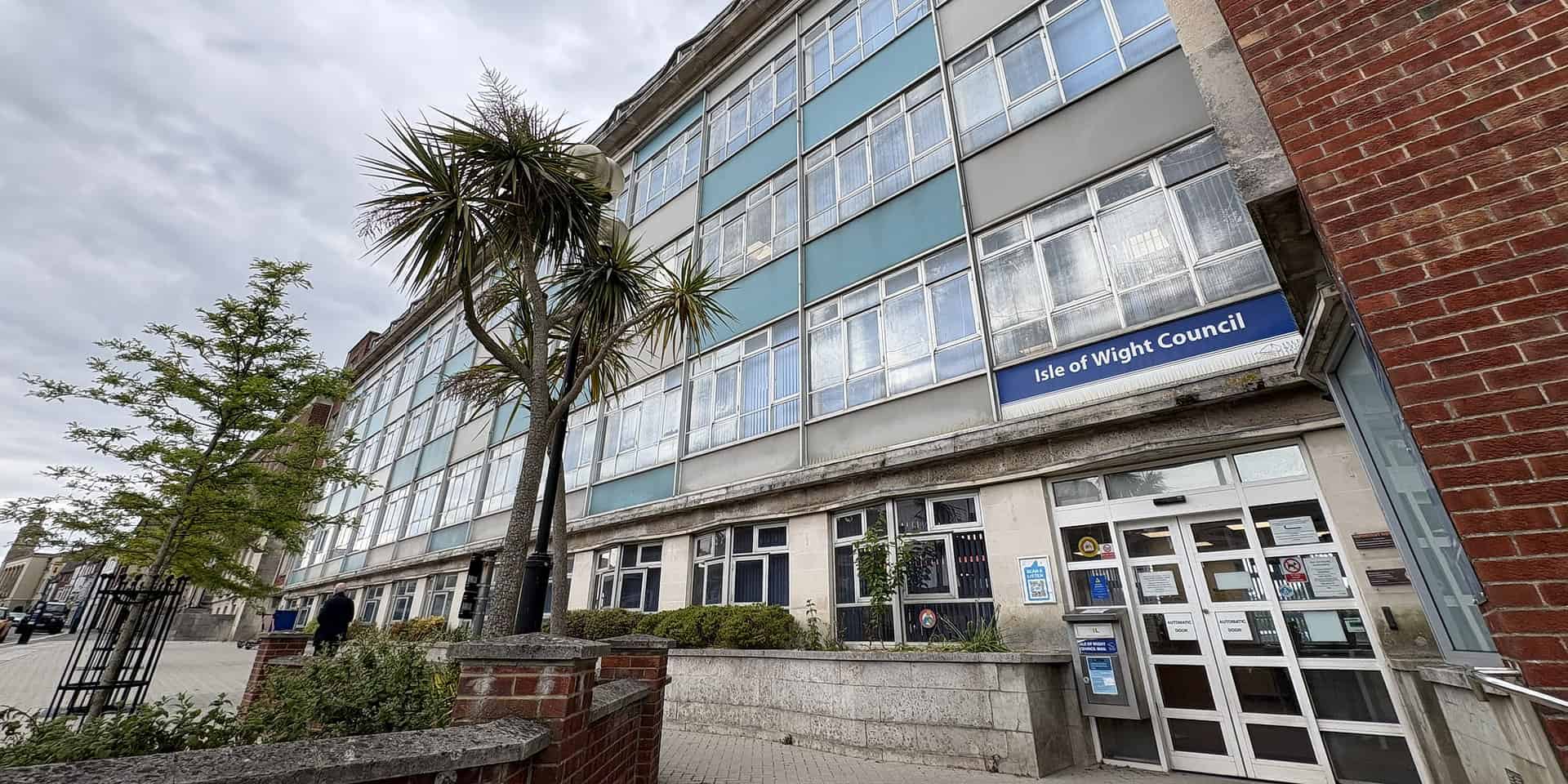
The Isle of Wight Council is seeking to reassure residents that a range of proposals currently being published in committee reports are options for potential consideration only, and that no decisions have been made on any of the measures being discussed.
Reports coming before the council’s service committees over the coming weeks contain a wide range of potential savings, income generation ideas and service changes that officers have identified as part of the authority’s budget planning for 2027/28.
Why the proposals are being published earlier
These options are being published at a much earlier stage than in previous years as part of the council’s move to a committee system of governance, which involves more elected members in the development of budget plans from the outset and allows discussions to take place openly in public.
The council recognises that some of the proposals, including those relating to car parking charges, the Cowes Floating Bridge and other services, have generated significant public interest and concern.
No approvals being sought
However, the council is keen to stress that the reports do not ask committees to approve or introduce any of the proposals.
Every option on the table
Under previous governance arrangements, many budget proposals would initially be discussed between officers and lead councillors before being refined and brought forward publicly.
As a result, some of the more challenging or less realistic options would often have been ruled out before residents ever saw them.
Officers have been asked to identify every option available to the council, including proposals that may ultimately prove unacceptable, unworkable or unlikely to progress, so that elected members can fully understand the choices available and the financial implications of those choices.
A £66 million budget gap
The council faces significant long-term financial pressures, driven by rising demand for services, increasing costs and continuing budget challenges.
Earlier this year, the authority reported a structural budget deficit approaching £66 million per annum by 2029/30.
Government guidance relating to Exceptional Financial Support (EFS) makes clear that councils must demonstrate they have explored all reasonable local options before seeking support.
What happens next
Each service committee will review the suggestions relevant to its area of responsibility and provide feedback on which options should be explored further.
Following that process, many proposals are expected to be discounted, amended or refined before a smaller number of recommendations are brought forward to the Policy, Finance and Resources (PFR) Committee for further consideration.
Even at that stage, no final decisions would be made. Any budget proposals would continue to be scrutinised before ultimately being considered by Full Council in February 2027, which remains responsible for setting the authority’s budget.
Council leader: “No decisions have been made”
Councillor Jonathan Bacon, council Leader, said,
“We completely understand why some residents are concerned when they read media reports about some of the options contained within these reports.
“However, it is really important to stress that these are not council decisions nor are they recommendations for immediate implementation.
“What people are seeing is a much earlier stage of the budget-setting process than they would have seen in previous years.
“Residents should be reassured that no decisions have been made and that there will be further opportunities for consideration, consultation and scrutiny before any final budget is agreed by Full Council next year.”
Finance chair on exploring all options
Councillor David Llewellyn, who chairs the PFR committee, said,
“The council continues to face an extremely challenging financial position.
“Rising demand for statutory services, particularly adult social care and children’s services, combined with increasing costs, mean we must carefully consider every available option as we plan for the future.
“The council has previously identified a significant structural budget gap and has had to consider Exceptional Financial Support as part of ensuring a lawful budget can be set.
“Government guidance is clear that councils must explore all reasonable local measures before relying on Exceptional Financial Support.
“That means we cannot afford to leave any stone unturned when examining potential savings, efficiencies or income opportunities, even where particular proposals may ultimately be rejected.
“I personally have made it clear to all parties that all options must at least be explored and discussed in detail, no matter how unpopular or radical, before any decisions are made.
“The reports being considered by committees are designed to give councillors the fullest possible picture of the options available.
“The vast majority of these proposals are at a very early stage and will be subject to detailed discussion, challenge and assessment before any recommendations are made.
“I would like to express my thanks to all the officers of the council for doing so much work already to bring these ideas and suggestions forward for discussion.
“Our responsibility is to ensure the council remains financially sustainable while continuing to deliver vital services for Island residents.
“That is why it is important that all options are considered carefully, openly and responsibly before any decisions are taken.”
News shared by Isle of Wight council press office, in their own words. Ed